PEMF for Inflammation Relief: Science-Backed Results
Published: August 3, 2025
Last updated: March 6, 2026

Inflammation is a normal biological response that helps the body protect and repair tissues. When the immune system detects injury, stress, or cellular disruption, it triggers a cascade of signaling processes designed to restore balance. In many situations this response is temporary and beneficial.
However, when inflammatory signaling persists for long periods, it can contribute to discomfort, stiffness, fatigue, and slower recovery. For this reason, many individuals exploring non-pharmaceutical wellness strategies investigate technologies designed to support circulation, cellular communication, and nervous system balance.
Pulsed Electromagnetic Field (PEMF) therapy is one such technology. Instead of applying chemicals or heat, PEMF devices generate low-frequency electromagnetic pulses that interact with biological tissues. These pulses may influence cellular signaling, microcirculation, and metabolic activity—processes that are closely connected to inflammatory regulation.
This guide explains what current science suggests about PEMF for inflammation, how the mechanism works inside the body, and what realistic expectations look like when incorporating PEMF therapy into a broader wellness routine.
New to PEMF therapy?
Learn how devices compare, what frequencies mean, and which systems are commonly used at home in our Best PEMF Devices & Mats Buyer’s Guide →
Understanding How Inflammation Works
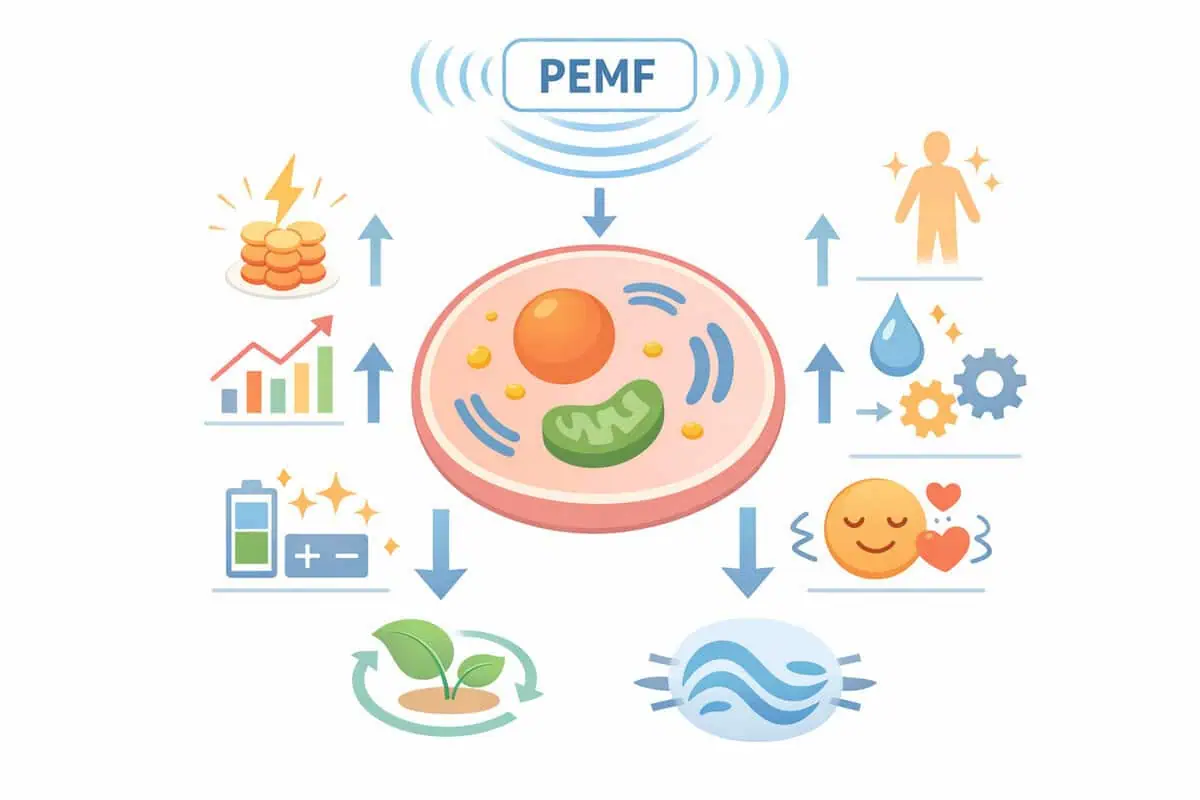
Inflammation is controlled by complex signaling pathways inside cells and tissues. These pathways involve immune cells, chemical messengers, and vascular responses that coordinate repair.
Common biological processes involved include:
- Cytokine signaling – communication molecules that coordinate immune activity
- Vascular dilation – increased blood flow to affected tissues
- Cellular repair signaling – activation of regeneration pathways
- Oxidative balance – regulation of reactive oxygen molecules
Short-term inflammation plays an essential protective role. It helps the body isolate damage, clear debris, and rebuild tissue structures.
Problems typically arise when inflammatory signals remain elevated longer than necessary. Persistent inflammation may affect mobility, energy levels, and recovery from physical stress.
Researchers studying bioelectromagnetic medicine have explored whether electromagnetic fields can influence cellular communication pathways associated with these responses. Several laboratory and clinical studies suggest that electromagnetic fields may interact with ion channels and signaling molecules involved in inflammatory regulation.
For example, research indexed on PubMed has examined electromagnetic field exposure in relation to inflammatory markers and tissue recovery processes.
From a physiology standpoint, inflammation is not a single event but a sequence. Tissue stress can alter local blood flow, increase immune cell recruitment, and change how nearby cells exchange ions and signaling molecules.
It is also useful to distinguish between protective inflammatory signaling and prolonged dysregulation. The body needs a measured inflammatory response to adapt and repair. The goal of supportive wellness interventions is not to eliminate all inflammation, but to encourage a healthier return to baseline after the initial repair response has done its job.
How PEMF Signals Interact with Cells
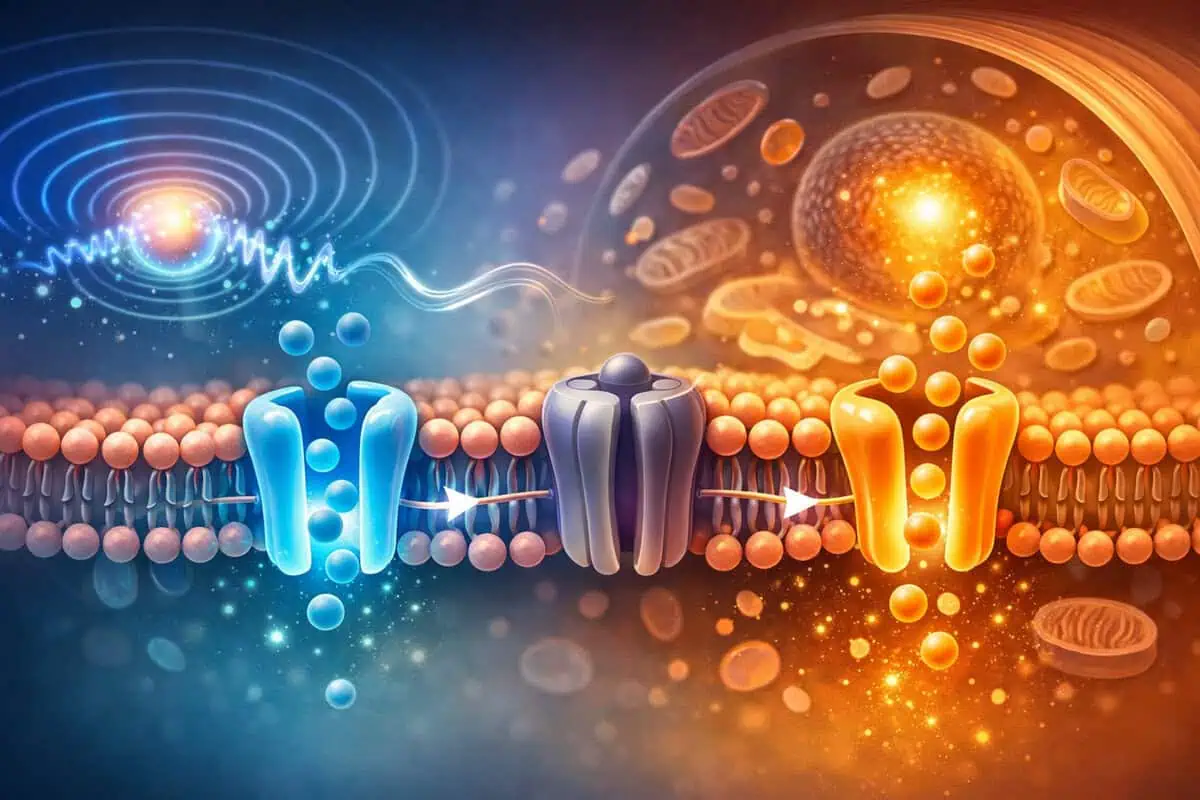
PEMF therapy uses controlled electromagnetic pulses delivered through coils embedded in mats, pads, or applicators. These pulses pass through tissues and may interact with electrically sensitive structures in cells.
The primary targets include:
- Cell membranes
- Ion channels
- Mitochondria
- Circulatory microvessels
Cell membranes maintain electrical gradients that regulate nutrient exchange and communication between cells. When electromagnetic pulses interact with these structures, researchers believe they may influence ion transport and signal transmission.
This interaction does not force biological changes directly. Instead, PEMF appears to act as a signaling stimulus that encourages the body’s existing regulatory systems to operate more efficiently.
These mechanisms are still an active area of research, but many scientists consider electromagnetic stimulation a form of biophysical signaling rather than a chemical intervention.
One reason this concept attracts interest is that many core biological functions are already electrical in nature. Nerve impulses, membrane potentials, and ion movement all depend on tiny shifts in electrical charge. PEMF devices are designed to introduce patterned signals into that environment in a controlled way, which may help explain why research often focuses on membrane behavior and ion exchange.
Ion channels are especially relevant because they regulate how calcium, sodium, potassium, and other charged particles move in and out of cells. These movements help govern communication, contraction, energy use, and adaptive responses to stress.
PEMF and Microcirculation

One of the most frequently discussed mechanisms behind PEMF therapy involves circulation. Healthy blood flow is critical for delivering oxygen, nutrients, and immune cells to areas undergoing repair.
Microcirculation refers to the movement of blood through very small vessels such as capillaries. These vessels are responsible for the final stages of nutrient exchange between blood and tissues.
Some studies have observed that electromagnetic stimulation may influence microvascular activity, potentially supporting:
- Improved oxygen delivery
- Enhanced nutrient transport
- Removal of metabolic waste products
- Healthier tissue oxygenation
The National Institutes of Health has supported research exploring how electromagnetic fields may influence circulation and tissue regeneration processes.
While results vary between studies, improved microcirculation is often cited as one possible explanation for the recovery support reported by PEMF users.
Better microcirculation can matter because tissues do not recover well in an environment with poor exchange. Cells need a steady supply of oxygen and substrates, but they also need efficient removal of byproducts generated during activity and repair.
For this reason, circulation-focused explanations are often more practical than abstract molecular discussions. A person using PEMF therapy for general wellness may not notice a laboratory marker change, but they may notice that recovery periods feel more manageable.
In conservative terms, PEMF is best viewed as a possible contributor to a more favorable recovery environment. That does not mean the device is treating a disease. It means the biological conditions surrounding recovery may become more supportive.
Mitochondria, Energy Production, and Recovery
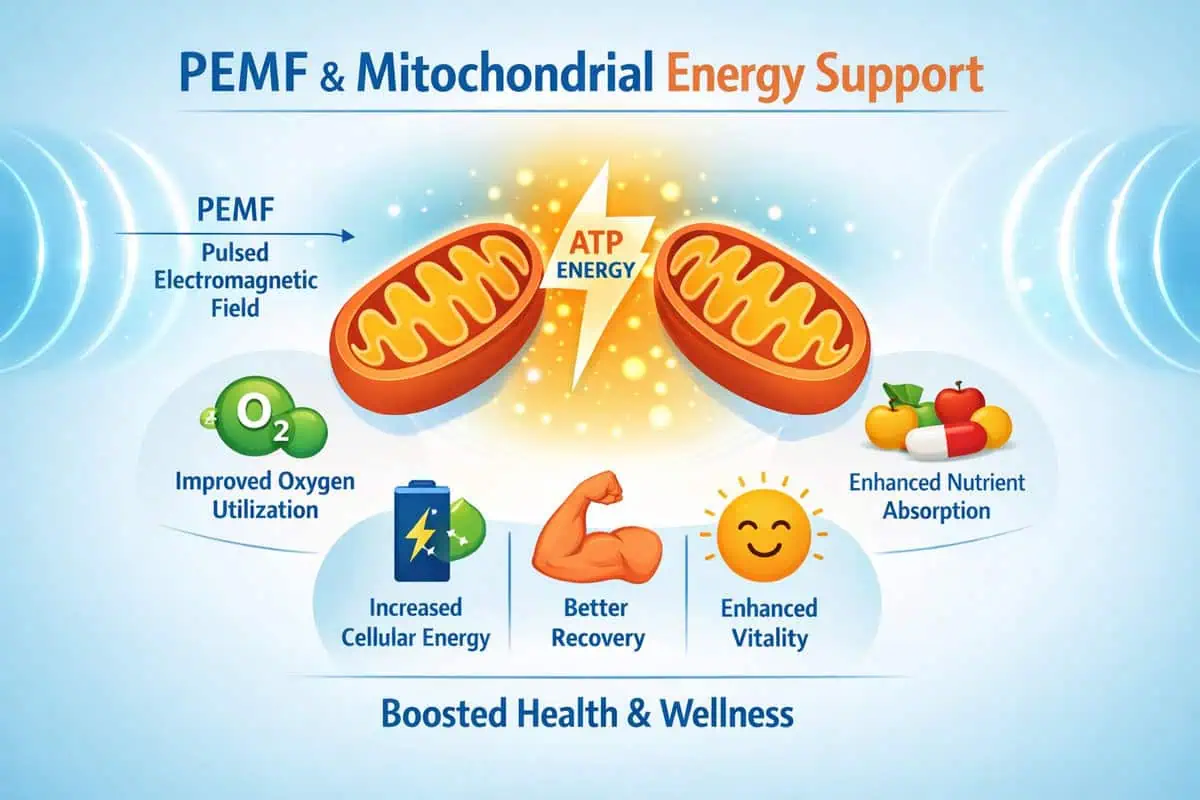
Mitochondria are often described as the “power plants” of cells. They generate ATP, the energy molecule required for cellular repair and maintenance.
When cells lack sufficient energy, repair processes may slow. This can influence recovery after physical strain, environmental stress, or metabolic imbalance.
Researchers studying electromagnetic stimulation have investigated whether PEMF signals may influence mitochondrial activity. Some experimental studies suggest that electromagnetic fields could affect ATP production and metabolic efficiency.
Improved cellular energy availability may indirectly support tissue repair and regulatory balance, which could contribute to the observed recovery effects reported by PEMF users.
The Cleveland Clinic notes that mitochondrial function plays a central role in maintaining cellular health and metabolic balance.
In the context of inflammation, energy demand is often elevated. Cells involved in repair, immune coordination, and tissue remodeling all require ATP to do their work. If energy production is inefficient, the return to normal function may be less efficient as well.
The Nervous System and Inflammatory Signaling
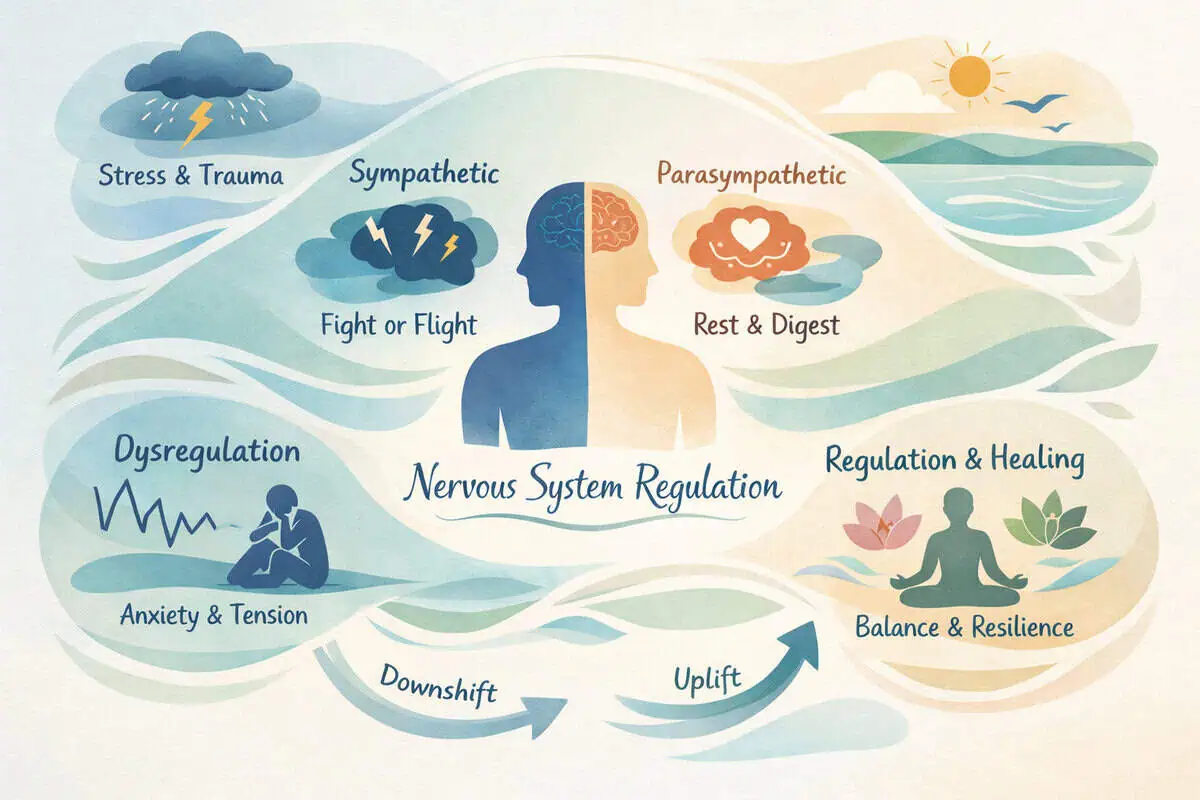
The nervous system also plays a major role in inflammation. Stress responses, sleep quality, and autonomic nervous system balance all influence inflammatory signaling pathways.
PEMF therapy is sometimes associated with relaxation responses during sessions. Users often report sensations such as:
- Gentle pulsing
- Warmth
- Muscle relaxation
- Improved calmness
These experiences may reflect nervous system shifts toward parasympathetic activity—the “rest and recovery” state associated with healing processes.
Because inflammation is closely tied to stress physiology, supporting nervous system balance may indirectly contribute to overall recovery.
For a broader overview of physiological benefits connected to PEMF therapy, visit our science-backed PEMF therapy benefits guide.
This is one reason PEMF sessions are often used during quiet periods rather than during high-intensity activity. Resting on a mat in a low-distraction environment may complement the calming intent of the session.
What Scientific Research Says About PEMF and Inflammation

Scientific research on PEMF therapy has explored its potential effects on tissue repair, circulation, and cellular signaling.
Some laboratory and clinical studies have investigated PEMF exposure in relation to:
- Cellular signaling pathways
- Bone regeneration processes
- Musculoskeletal recovery
- Microvascular circulation
Many of these studies appear in medical research databases such as PubMed. Findings vary depending on frequency, intensity, exposure duration, and study design.
Importantly, PEMF therapy should be understood as a supportive wellness technology rather than a direct treatment for medical conditions. Most studies examine physiological mechanisms rather than disease-specific outcomes.
This variability in the research base is important for buyers and readers to understand. Different studies may use different pulse patterns, device strengths, exposure schedules, and outcome measurements. As a result, findings cannot always be generalized from one device category to another.
Typical PEMF Usage Patterns for Recovery

Individuals who use PEMF therapy at home often integrate sessions into daily or weekly wellness routines. Common usage patterns include:
- Short sessions of 10–30 minutes
- Full-body mat use while resting or stretching
- Targeted pads placed near areas of tension
- Consistent sessions over weeks or months
Consistency appears to be more important than session intensity. PEMF is generally designed to deliver subtle signals repeatedly rather than strong one-time stimulation.
Understanding how different devices vary in frequency and intensity can help users choose equipment suited for home use.
Many home users prefer routines they can repeat without friction. That often means selecting a device format that matches their actual environment and schedule.
Setting Realistic Expectations

It is important to maintain realistic expectations when exploring PEMF therapy. The technology works through subtle biological signaling rather than dramatic or immediate changes.
Many users describe benefits such as:
- Improved relaxation
- Support for post-exercise recovery
- Greater comfort during rest periods
- Enhanced wellness routines
Because inflammatory signaling involves many interconnected systems, results may vary widely between individuals.
PEMF therapy should be viewed as one supportive tool within a broader lifestyle strategy that includes sleep, nutrition, movement, and stress management.
Ownership expectations also matter. A home PEMF system is not just a product purchase; it is a routine-based wellness tool. Long-term value often depends less on the promise of any one session and more on whether the device fits normal life well enough to be used consistently.
It is also worth recognizing that some users may notice mostly subjective changes such as a calmer session experience or an easier recovery window, while others may notice very little.
Safety Considerations and Contraindications

PEMF therapy is generally considered low risk when used according to manufacturer guidelines. However, some individuals should consult a healthcare professional before use.
Situations where caution is recommended include:
- Implanted electronic medical devices
- Pregnancy
- Recent surgical procedures
- Unknown medical conditions
More detailed guidance is available in our PEMF therapy safety and contraindications guide.
The Mayo Clinic emphasizes the importance of evaluating any new wellness technology within the context of overall health and medical guidance.
Integrating PEMF Into a Broader Recovery Routine

For individuals exploring PEMF for inflammation support, the technology is often most effective when combined with healthy lifestyle practices.
Complementary habits may include:
- Consistent sleep schedules
- Balanced nutrition
- Regular physical activity
- Stress management techniques
- Hydration and recovery routines
PEMF therapy sessions are frequently used alongside stretching, meditation, or rest periods, creating a structured environment for recovery.
If you are evaluating devices or learning how home systems differ, the PEMF Sage blog contains additional educational resources.
Browse more PEMF education articles →
Choosing a PEMF System for Home Use

Home PEMF systems vary widely in frequency ranges, coil configurations, and intensity levels. Some devices focus on full-body sessions while others provide localized stimulation.
Key comparison factors often include:
- Frequency range (Hz)
- Waveform design
- Magnetic field strength
- Coil layout and coverage
- Session programming
Understanding these variables can help users select systems aligned with their goals and comfort level.
Selection logic should stay practical. Readers often benefit from asking simple questions first: Will the device support full-body sessions or only local application? How easy is it to use consistently at home? Does the programming feel understandable for a beginner?
Compare PEMF systems for home use
Explore frequencies, device types, and practical buying considerations in our Best PEMF Devices & Mats Buyer’s Guide →
Final Thoughts on PEMF for Inflammation
PEMF therapy is an emerging wellness technology that interacts with the body through subtle electromagnetic signaling. Research suggests these signals may influence cellular communication, microcirculation, mitochondrial activity, and nervous system balance—systems closely connected to inflammatory regulation.
While PEMF is not a medical treatment for inflammatory conditions, it may serve as a supportive tool within a broader recovery and wellness routine. Individuals interested in the technology often begin by learning how different PEMF systems operate and what realistic outcomes look like with consistent use.
If you are exploring PEMF therapy for recovery or general wellness, the next step is understanding how devices differ and what features matter most.
Consistency, fit, and conservative expectations usually matter more than hype when evaluating a home PEMF routine.
Continue your research with the PEMF Devices & Mats Buyer’s Guide →