
Interest in pulsed electromagnetic field therapy has expanded rapidly as more people look for non-invasive wellness tools that fit into daily routines. This buyer’s guide explains how to evaluate the best PEMF devices available in 2026 using conservative, physiology-aligned criteria.
Rather than promising outcomes, this guide focuses on device categories, typical use cases, safety considerations, and how to choose a system that aligns with your goals and environment.
A helpful way to approach PEMF purchasing is to treat it like building a consistent wellness “tool” in your environment—similar to choosing a mattress, a recovery routine, or a relaxation practice. The best choice is typically the one you can use comfortably, safely, and consistently over time, rather than the one marketed as the most intense or the most “advanced.”
This guide is intentionally conservative: it highlights what PEMF devices are designed to do, what they are not designed to do, and what to look for in specifications, safety guidance, and manufacturer transparency. If you have a medical condition or use implanted medical devices, it’s prudent to review safety guidance carefully and discuss any questions with a qualified clinician before starting.
Understanding PEMF Therapy at a Practical Level
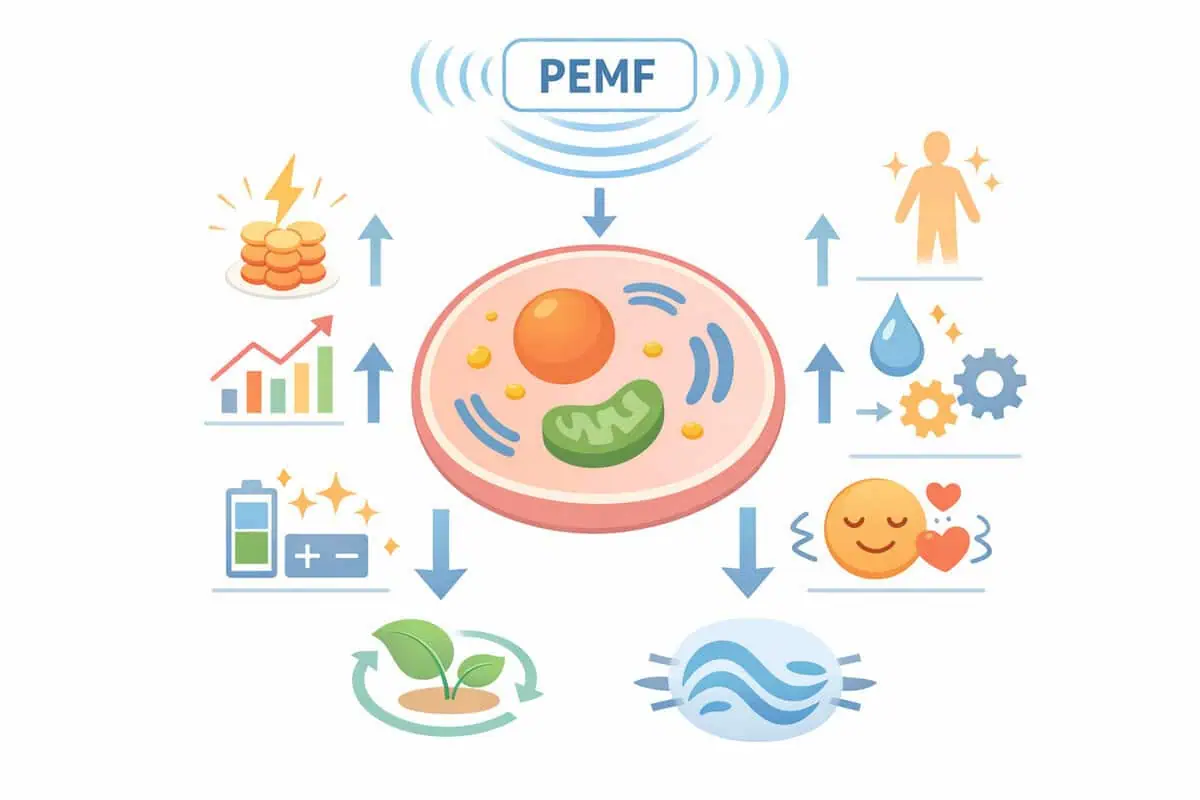
PEMF therapy uses low-frequency electromagnetic pulses designed to interact with the body’s natural electromagnetic activity. These signals are typically delivered through mats, pads, or full-body systems used while resting.
Importantly, PEMF is not a medical treatment or diagnostic tool. Most consumer devices are intended for general wellness support, relaxation, and routine recovery practices.
At a practical level, PEMF devices generate time-varying electromagnetic fields that pass through the body. Because the field changes over time, it can induce very small electrical effects in tissues. In non-technical terms, many people think of it as a “signal” rather than a forceful stimulus: you lie on a mat or use a pad, the device runs a program for a set duration, and the session ends with no active effort required.
To understand product specifications, it helps to separate a few common terms manufacturers use:
- Frequency (Hz): How many pulse cycles occur per second. Home devices may offer multiple frequencies or “programs” that vary frequency across time.
- Intensity / field strength: Often reported in units like gauss or tesla (mT). Higher numbers are not automatically “better,” especially for home use where comfort and conservative exposure matter.
- Waveform: The shape of the pulse (for example, sine, square, sawtooth, or proprietary patterns). Waveform differences can affect how the signal is delivered, but marketing language can be more prominent than meaningful user-facing differences.
- Duty cycle / pulse duration: How long each pulse lasts and how frequently pulses occur within a program. This can influence the overall “dose” of exposure during a session.
PEMF is sometimes confused with other modalities that use electrical or electromagnetic energy. For example, electrical muscle stimulation or TENS devices deliver current through the skin using electrodes, while PEMF typically delivers a field through coils in a mat or applicator without direct current passing through electrodes on the body. Some wellness tools also combine PEMF with heat, vibration, or infrared; when comparing devices, it can be helpful to isolate PEMF features from bundled add-ons so you understand what you are actually buying.
From a physiology perspective, researchers have explored PEMF-related effects in areas such as cellular signaling, ion channel behavior, microcirculation, and autonomic nervous system balance. These areas are complex, and results can vary based on device parameters, session protocols, and study design. For an evidence-oriented starting point, it can be useful to browse summaries and abstracts through PubMed and broader biomedical context from the NIH.
A conservative buying mindset is to treat consumer PEMF as a general wellness tool that may support relaxation, recovery routines, and consistent self-care habits—without assuming it “fixes” or “treats” specific medical problems. That restraint tends to align better with what reputable institutions emphasize when discussing wellness interventions.
It also helps to keep PEMF in context: electromagnetic fields exist on a spectrum, and PEMF devices are typically designed to operate at relatively low frequencies compared with many other technologies. That does not automatically make a device “safe for everyone,” but it does help explain why many consumer PEMF products are positioned as gentle, routine-oriented wellness tools rather than aggressive interventions.
When reviewing claims, watch for ambiguous language that blurs the line between wellness support and disease treatment. Consumer PEMF devices may be discussed in research settings, but consumer marketing often goes far beyond what any single study can support. A conservative approach is to treat PEMF as a modality with ongoing research interest, while still using decision criteria that emphasize safety guidance, transparency, and repeatable routines.
In practice, PEMF benefits are often discussed in terms of “support” rather than direct outcomes: supporting relaxation, supporting recovery habits, supporting comfort-oriented routines, or supporting consistency in self-care. That framing is more compatible with YMYL best practices and reduces the risk of buying a device based on unrealistic expectations.
If you want a simple way to interpret specifications, focus on what affects your day-to-day use:
- Can you control intensity easily? A device that lets you keep exposure conservative is often a better starting point.
- Do the programs make sense? Clear presets can support consistent use, while overly complicated menus can reduce adherence.
- Is documentation understandable? Transparent manuals and safety notes often correlate with more responsible companies.
Finally, distinguish “sensation” from “effect.” Many people feel little to nothing during PEMF sessions, and that is not necessarily a sign that the device is “not working” or “working.” Comfort and consistency generally matter more for a home routine than chasing sensations.
One more practical concept that helps cut through marketing is dose. In consumer PEMF, “dose” is not just one number. It is typically a combination of the device’s programmed parameters (frequency patterns, pulse duration, and intensity range) plus your session habits (how often you use it, for how long, and whether you keep settings consistent). For many home buyers, the best device is the one that makes a conservative “dose” easy to repeat—without requiring constant tinkering or interpretation.
It is also helpful to distinguish research contexts from consumer use. In clinical or research settings, protocols can be tightly controlled and may involve specific parameter choices tailored to a defined question. Consumer devices, by contrast, are usually built around generalized presets intended for routine wellness use. That gap is one reason it’s wise to be cautious with claims that imply a specific medical outcome from a broad consumer program.
If you want an additional high-level reference point for electromagnetic field concepts and exposure discussions, the World Health Organization overview on electromagnetic fields provides broad context. It is not PEMF-specific buying guidance, but it can help ground the broader “EMF spectrum” conversation in non-marketing language.
Common Reasons People Explore PEMF Devices
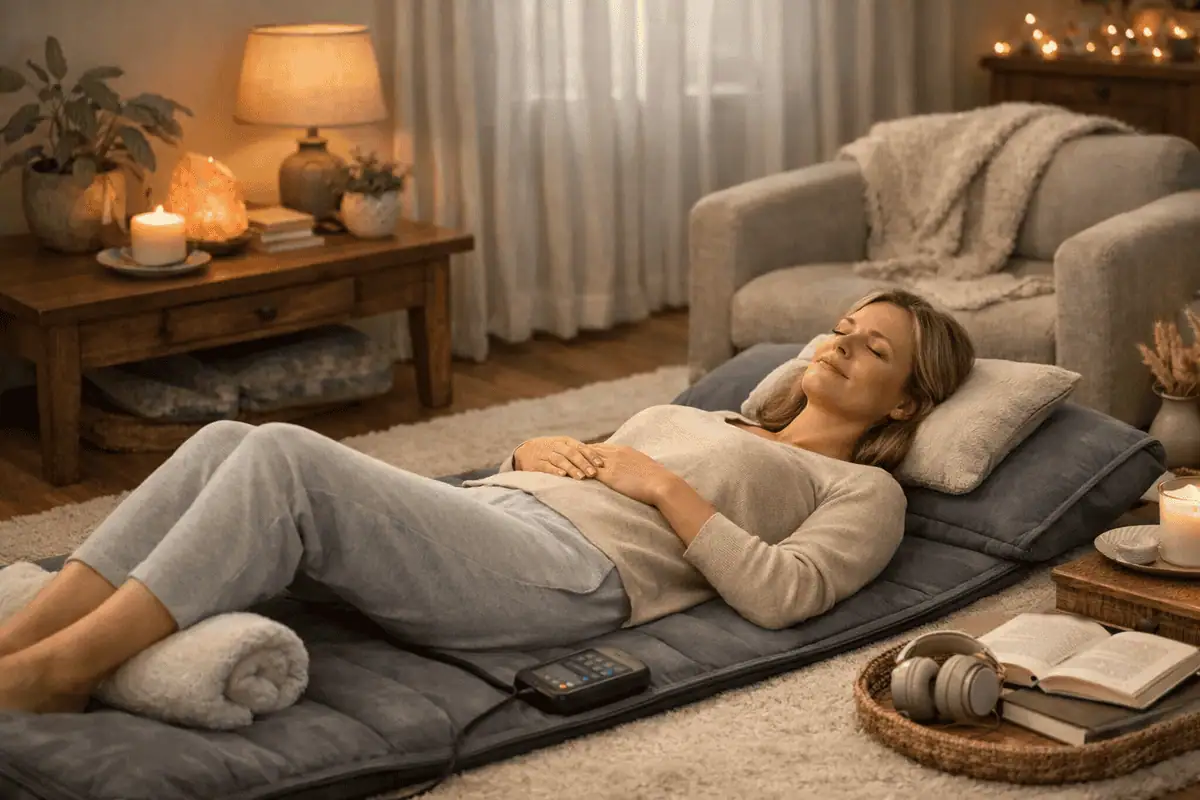
- Supporting relaxation and stress balance routines
- Complementing mobility and recovery-focused lifestyles
- Creating a consistent wellness ritual at home
- Exploring circulation and nervous system support
For a broader educational overview, see the PEMF therapy benefits overview.
In real-world buying behavior, most people begin with a simple question: “What would I actually use this for?” The most common use cases are not dramatic interventions, but practical routine support—such as adding a quiet session after work, using a mat while reading, or creating a consistent wind-down habit before bed.
It can also help to set expectations in a way that keeps decision-making grounded. Many wellness tools feel subtle, and PEMF often falls into that category. Typical user-reported experiences (without implying personal use) include a gentle pulsing sensation (or no sensation at all), a sense of relaxation during the session, and an increased likelihood of sticking with the routine when the setup is simple and comfortable.
Use cases tend to cluster into a few practical “profiles”:
- Routine-focused wellness: Someone who wants a consistent daily or near-daily practice that feels calm, low effort, and easy to repeat.
- Recovery-oriented lifestyle: Someone who exercises regularly and wants a passive session that complements stretching, mobility, and good sleep hygiene.
- Workday decompression: Someone who wants a short session that supports relaxation, breathing, and downshifting after a high-stimulation day.
- Circulation and comfort support: Someone interested in wellness strategies that may support general comfort and movement—without treating a condition.
If your goals are mostly stress and routine related, the “best” device is often the one that feels easiest to use consistently. If your goals are more feature-driven (multiple frequencies, stronger intensity ranges, larger mat sizes), then comparing technical details and manufacturer documentation becomes more important.
When you see marketing that promises guaranteed results, disease-specific outcomes, or “replacement” for medical care, that is a signal to slow down. Institutions such as the Cleveland Clinic and Mayo Clinic generally emphasize cautious interpretation of wellness claims and prioritizing safety, especially for people with complex health histories.
A helpful pre-purchase exercise is to write down a “realistic use plan” for the first 14 days. For example, note when you would use the device (morning, after work, or before bed), how long the sessions would be, and where the device would live in your home. If you cannot picture a stable routine, it may be worth prioritizing a simpler device or a smaller footprint setup.
Another practical lens is to decide whether you are seeking a quiet rest ritual or a feature-driven wellness tool. Rest rituals tend to favor comfortable mats with simple controls. Feature-driven buyers tend to care more about frequency options, intensity ranges, program variety, and documentation quality.
If your interest is primarily educational—understanding how PEMF works, what frequency terms mean, and what claims are reasonable—you may prefer to spend time in foundational content first and then revisit product categories with clearer criteria. The PEMF Sage blog is designed to support that discovery process without pushing hype-driven conclusions.
Major Types of PEMF Devices Available
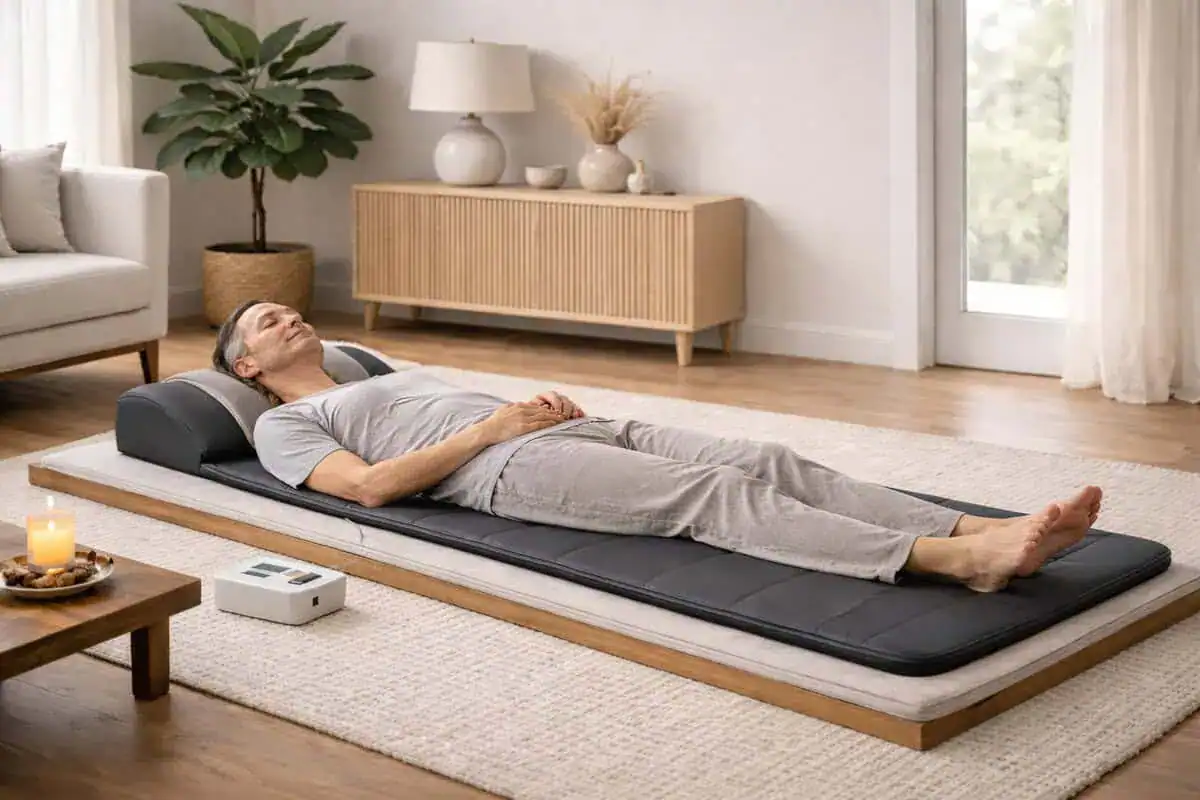
Most consumer PEMF products fall into a few broad categories:
- Full-body PEMF mats
- Localized pads or applicators
- Professional-grade systems for clinics
This buyer’s guide focuses primarily on full-body mats and home systems, which are the most commonly researched options for personal use.
Each category has a different “ownership reality,” and that reality often matters more than marketing. Full-body mats tend to be the most straightforward for home routines: you lay the mat on a bed, couch, yoga mat, or floor, and run a program. Localized pads or applicators can be more targeted and sometimes more portable, but they may require more placement decisions and may not feel as “set-and-forget” as a mat.
Professional-grade systems (often found in clinics or supervised wellness settings) can involve larger hardware, higher intensities, or specialized applicators. For home buyers, the key question is often not whether a clinic system is “stronger,” but whether the complexity, cost, and supervision requirements make sense for their goals.
When comparing categories, consider these practical factors:
- Coverage area: Full-body mats offer broad exposure; localized pads focus on smaller areas.
- Setup time: A mat can be deployed quickly; pads may require more placement and repositioning.
- Session posture: Some people prefer lying down; others prefer seated sessions. Device form factor affects comfort.
- Space and storage: Larger mats may need a dedicated storage spot; smaller devices may fit in a closet or travel bag.
- Controls and programs: Some systems have simple presets; others have multiple frequency ranges and more complex interfaces.
For many home users, a full-body mat is the simplest entry point because it reduces decision fatigue: you don’t have to repeatedly decide where to place the applicator, and you can use the same setup in a consistent routine. That simplicity can translate into better long-term adherence to the habit.
You may also encounter smaller “wearable” electromagnetic products marketed as PEMF. In general, it is wise to be cautious with devices that provide limited technical information, rely heavily on testimonials, or imply medical outcomes. This guide keeps the focus on categories where specifications and usage patterns tend to be clearer and where the ownership format supports consistent routines.
A practical way to choose a category is to decide how “passive” you want the routine to be. Full-body mats are typically the most passive (you lie down and run a program). Local pads can be more hands-on (you place and reposition). Professional systems can be passive from the patient perspective, but the overall experience depends on clinic scheduling, screening, and supervised protocols.
Because PEMF devices use electromagnetic fields, “DIY” or hacked electromagnetic devices introduce unnecessary risk and uncertainty. A conservative standard is to use commercially manufactured products that provide clear documentation, offer warranty support, and include safety guidance—rather than unverified home-built options.
What a Typical PEMF Session Looks Like

Most home users lie or sit on a PEMF mat for sessions ranging from 10 to 40 minutes. Devices often offer adjustable frequencies and intensities, allowing users to keep sessions gentle and consistent.
Frequency of use varies, but many routines emphasize regular, moderate exposure rather than intensity.
From a practical routine perspective, most sessions fall into one of three patterns:
- Short sessions (10–20 minutes): Often used for consistency—easy to fit into mornings, lunch breaks, or early evenings.
- Standard sessions (20–40 minutes): Often paired with relaxation (reading, breathing, quiet music) or decompression after activity.
- Longer sessions (40+ minutes): Some devices and programs support longer sessions, but many home users prioritize comfort and gradual progression.
A conservative approach is to start with lower intensity settings and shorter durations, then adjust based on comfort. “More” is not automatically better in wellness routines, particularly when the goal is to support relaxation and consistency rather than chase intensity.
To make sessions more repeatable, many users keep the environment simple:
- Place the mat where it can stay set up or be deployed quickly (bed, couch, dedicated floor area).
- Use the same session window daily (for example, after work or before bed) to reduce decision friction.
- Pair the session with a low-stimulation activity (breathing practice, journaling, or quiet reading).
- Track the basics (program used, duration, comfort level) so adjustments are intentional rather than random.
If a device includes multiple programs, it can help to choose one or two “default” programs for the first few weeks. Constantly changing settings can make it harder to evaluate whether the routine itself is sustainable and comfortable.
For readers building a PEMF habit as part of a broader wellness plan, it can be helpful to view PEMF as one component of foundational routines: sleep consistency, hydration, movement, and stress management. PEMF devices are typically used as supportive tools—rather than replacements for those fundamentals.
If you prefer a structured onboarding approach, many buyers use a simple ramp plan that emphasizes comfort:
- Days 1–3: Short sessions at low intensity, focusing on comfort and learning the controls.
- Days 4–7: Maintain the same program and duration, aiming for consistency rather than experimentation.
- Week 2: If sessions feel comfortable, adjust one variable at a time (duration or intensity), then hold steady again.
A practical note: if the goal is a calming routine, session timing can matter. Many people prefer evening or wind-down sessions because they are easy to pair with a consistent ritual. Others prefer midday sessions as a break from work stimulation. The “best” time is typically the time you can repeat consistently.
Safety Considerations Before Choosing a Device

While PEMF devices are generally considered low-risk when used as directed, certain populations should exercise caution.
For detailed guidance, review the PEMF therapy safety and contraindications page.
Authoritative sources such as the NIH and PubMed emphasize conservative, supervised use in sensitive populations.
Safety is one of the most important buying criteria because it affects who can use a device and how confidently it can be integrated into daily life. Even when a device is marketed for “general wellness,” conservative screening is still appropriate—especially for people with implanted electronic devices or complex medical histories.
Commonly discussed caution areas (without making medical determinations) include:
- Implanted electronic devices: Pacemakers, defibrillators, neurostimulators, insulin pumps, or other implanted electronics may be sensitive to electromagnetic fields.
- Pregnancy: Many manufacturers advise caution or avoidance due to limited evidence and the priority of conservative risk management.
- Seizure disorders: Some individuals may be advised to avoid certain electromagnetic exposures depending on clinical context.
- Recent procedures or acute medical concerns: In some situations, a clinician may recommend delaying new wellness interventions until stability is confirmed.
Because devices and protocols vary, it is reasonable to look for manufacturers that provide clear contraindication guidance and encourage appropriate medical consultation when needed. Organizations like the Mayo Clinic generally emphasize that wellness tools should be used in ways that do not interfere with medical management, especially for people with implanted devices or significant health conditions.
A practical rule: if you are uncertain whether PEMF is appropriate for your situation, choose a device company that offers clear safety documentation and a conservative support posture, and consider discussing the question with a qualified clinician before starting.
From an ownership standpoint, “safety” also includes basic setup discipline. Because mats and controllers involve cords and electronics, it is prudent to:
- Place cords to reduce trip hazards (especially in shared spaces).
- Avoid bending or sharply folding cables near connectors.
- Use a stable outlet setup rather than overstressed power strips.
- Keep liquids away from controllers and connection points.
If your household includes children or pets, consider where the device will be stored and how it will be protected from chewing, pulling, or accidental damage. These practical details may seem minor, but they affect whether the device remains usable long term.
Key Features to Evaluate When Comparing Devices

- Adjustable frequency ranges
- Clear intensity controls
- Build quality and materials
- Transparent technical documentation
Avoid devices that make disease-specific or guaranteed outcome claims, which are not supported by reputable institutions like the Mayo Clinic.
When you compare PEMF devices, technical clarity and conservative claims are often better indicators of quality than aggressive marketing. Manufacturers that publish clear specifications, explain how programs differ, and provide safety guidance tend to be easier to evaluate rationally.
Here are additional selection criteria that matter in day-to-day ownership:
- Intensity transparency: If the company uses units like gauss or mT, do they explain how measurements are taken (distance from coil, peak vs average values)?
- Program design: Does the device offer straightforward presets that are easy to repeat, or is it overly complex without clear explanation?
- Mat size and coverage: Full-body mats vary in length and width. A mat that is too small may reduce comfort and perceived practicality.
- Comfort factors: Thickness, flexibility, and whether the mat is comfortable on a bed or floor can affect adherence to the routine.
- Controls and usability: An intuitive controller, clear display, and easy program selection can matter more than extra features you rarely use.
- Warranty and support: PEMF devices are electronics; reliable warranty coverage and responsive support reduce long-term ownership risk.
- Material quality: Look for durable materials that can handle routine use and basic cleaning without degrading.
If a device includes additional modalities (such as heat or vibration), evaluate them as separate features rather than assuming they “improve” PEMF effectiveness. In some cases, bundled features mainly increase price and complexity. For conservative buyers, simplicity can be a benefit when the primary goal is consistent use.
Finally, be cautious with vague language like “medical-grade” or “clinically proven” when no clear evidence or documentation is provided. A conservative standard is to treat claims as marketing unless they are supported by transparent information and grounded, non-sensational framing.
Another often-overlooked factor is support posture. A quality company typically:
- Provides a clear manual and setup guidance.
- Explains contraindications in plain language.
- Offers responsive customer service for troubleshooting.
- Has a warranty process that is easy to understand.
If you are comparing two devices with similar features, the device with better documentation and support may be the safer choice for long-term ownership. High-ticket wellness devices are still electronics, and clarity around returns, warranty, and replacements can materially reduce risk.
Two “quiet” quality signals that often correlate with better ownership experience are measurement transparency and plain-language documentation. If a company lists gauss or mT values, it’s reasonable to look for at least a basic explanation of whether the numbers represent peak vs average values and at what distance they are measured. If that information is absent, the numbers may function more as persuasion than as usable comparison data.
Another practical factor is controller ergonomics. Since most people interact with the controller every session, the ease of selecting a preset, pausing, restarting, and adjusting intensity matters. A highly capable device can still underperform in real life if the interface discourages consistent use.
- Clarity over quantity: Ten well-explained presets can be more useful than fifty unexplained “modes.”
- Support reality: Look for clear warranty steps, replacement timelines, and whether the company stocks spare parts.
- Evidence posture: Prefer brands that keep claims conservative and point readers to documentation rather than hype.
PEMF Supply Full-Body Mats
This section contains affiliate links. We may earn a commission at no cost to you.
PEMF Supply offers two full-body mat options designed for at-home wellness routines. From a buyer’s guide perspective, full-body mats are often preferred because they simplify setup, reduce placement decisions, and support consistent, repeatable sessions. Both options below fall into that category while differing primarily in feature depth and control flexibility.
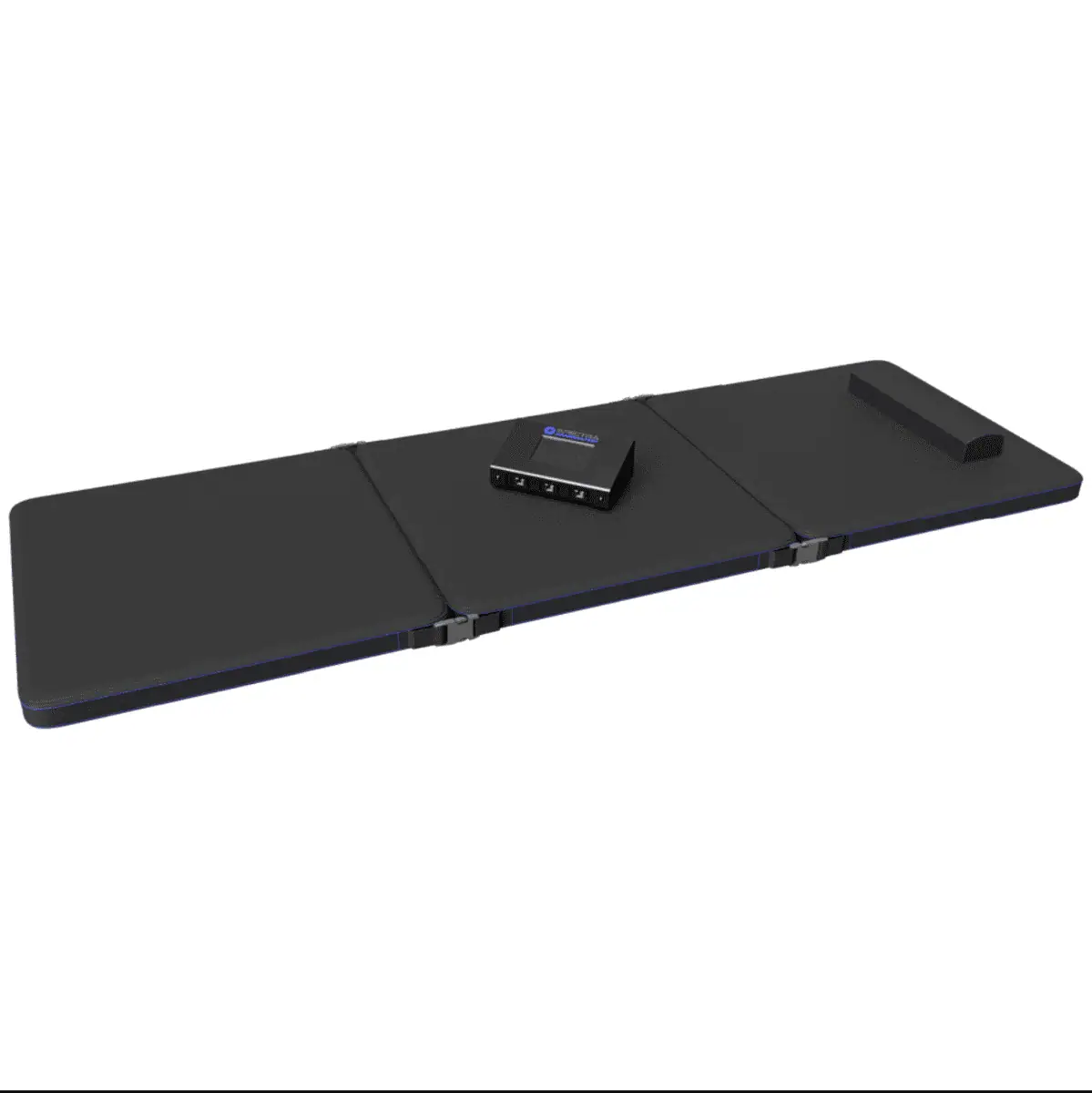
Apex HSR Mat
The Apex HSR Mat is designed for users who want a straightforward, full-body PEMF experience that fits easily into daily routines. In practical terms, this type of mat works well for people prioritizing simplicity, comfort, and ease of use over extensive program customization. Coverage area, mat comfort on common surfaces (bed, couch, or floor), and clear manufacturer guidance are typically the most important ownership factors in this category.
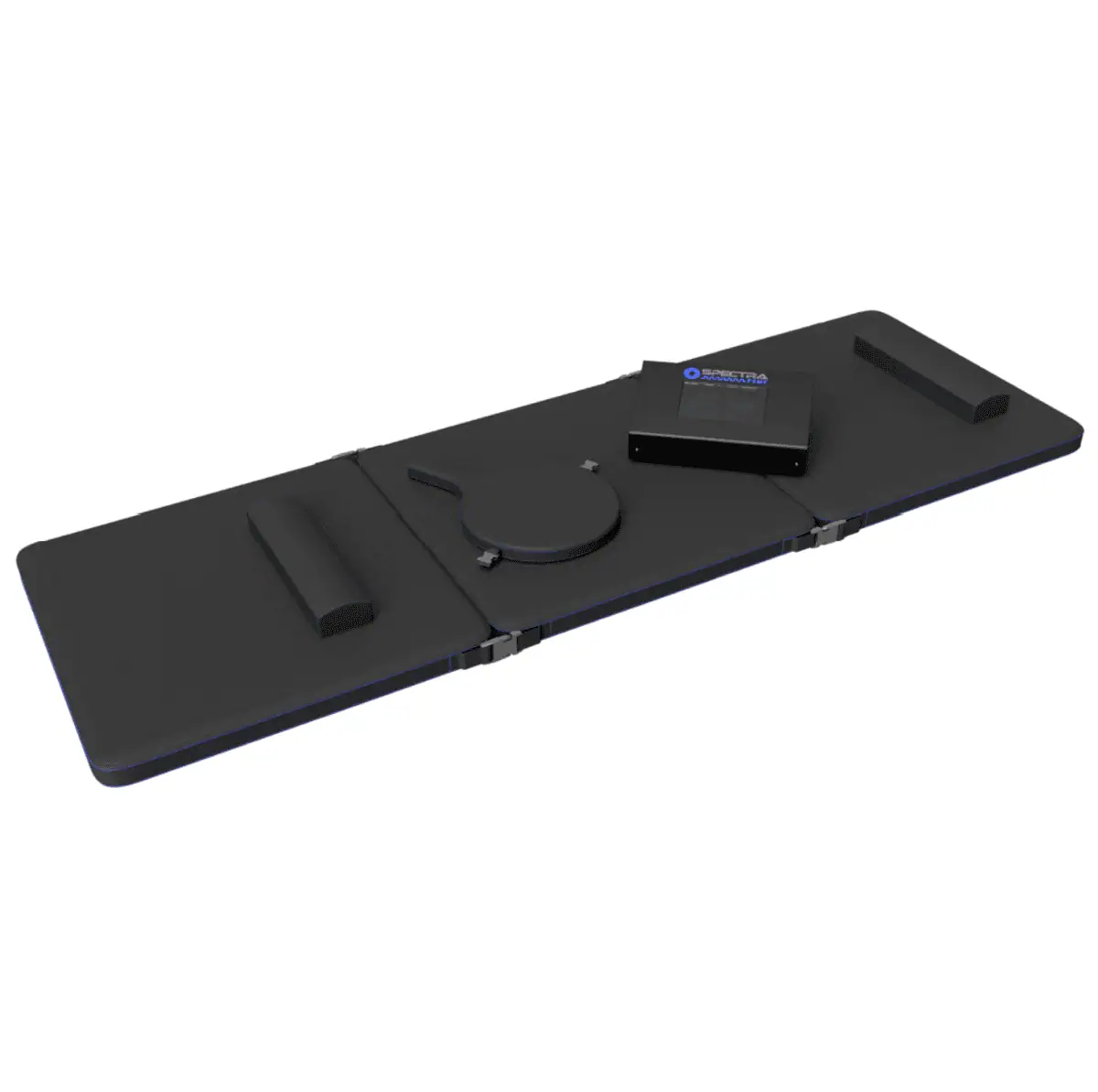
Spectra Apex HSR Pro
The Spectra Apex HSR Pro is positioned as a more feature-forward option for buyers who want broader program selection and greater control flexibility while still maintaining a home-friendly format. Buyers considering this model often value documentation clarity, adjustable settings, and long-term support as much as the hardware itself. As with any full-body mat, long-term value depends less on maximum specifications and more on whether the system supports comfortable, repeatable sessions.
When comparing these two options, a conservative decision framework is to start with how much control and complexity you realistically want to manage in a daily routine. A simpler system that is used consistently often provides more practical value than a more advanced system that becomes cumbersome or underused.
Explore PEMF Supply Mats
View current specifications, availability, and any applicable partner offers. Visit PEMF Supply →
Home PEMF Mats vs Professional Systems
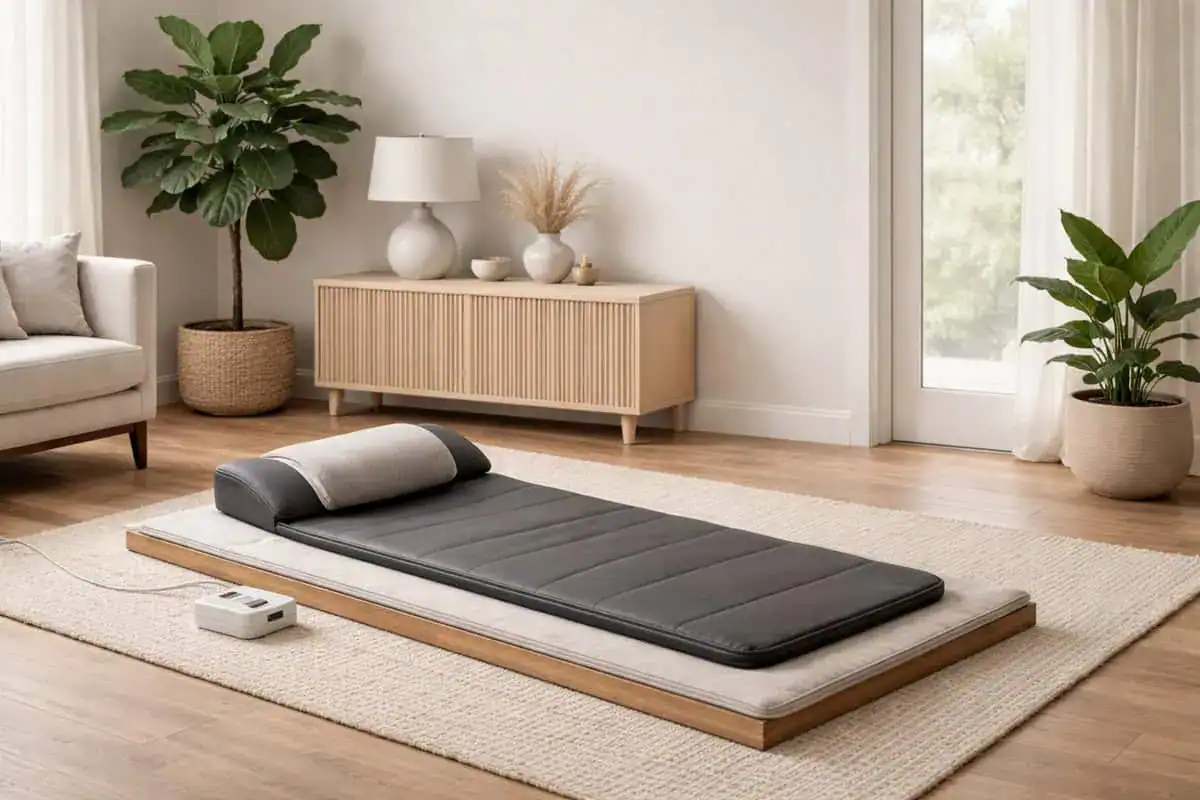
Professional-grade systems often deliver higher intensities and are typically used in supervised environments. Home mats prioritize convenience, consistency, and conservative exposure.
For most individuals, home systems provide sufficient flexibility without the complexity of clinical platforms.
Beyond intensity, the most meaningful difference between home and professional systems is often the operational environment. Clinic settings may include trained staff, structured protocols, screening for contraindications, and a controlled setup. Home ownership shifts those responsibilities to the user, which is why device simplicity and documentation quality matter.
Home systems generally win on:
- Consistency: Daily or near-daily sessions are easier when the device is always available.
- Convenience: No travel time, scheduling, or session fees.
- Routine integration: Easier to pair with sleep routines, stretching, or post-work decompression.
Professional systems may be considered when:
- Supervision is preferred: Some users want guidance on protocols or comfort.
- Complex setups are involved: Larger hardware may require trained operation.
- A clinic is already part of the routine: If someone regularly uses supervised wellness services, professional PEMF may be one component.
Ownership reality for home users includes practical maintenance and compliance considerations:
- Storage and handling: Larger mats may need rolling, folding, or dedicated storage space.
- Cleaning and material care: Electronics require conservative cleaning methods; manufacturer guidance matters.
- Electrical and cord management: A safe setup reduces trip hazards and protects connectors from wear.
- Household constraints: Pets, children, shared spaces, and noise sensitivity can shape where and when sessions happen.
- Long-term durability: Warranty coverage and customer support reduce the risk of a device becoming unusable if issues arise.
A conservative buying recommendation is to choose the level of system complexity that matches your lifestyle. If a device requires frequent troubleshooting, complicated program selection, or inconvenient setup, it may be used less often—even if it has impressive specifications on paper.
Maintenance considerations are often under-discussed in product marketing, but they matter in long-term use. Even simple routines benefit from a plan for:
- Surface care: Wiping down the mat according to manufacturer guidance to avoid degrading materials.
- Connection care: Preventing repeated strain on cables and ports by placing the controller where it will not be tugged.
- Storage habits: Rolling or storing the mat in a way that avoids sharp folds and protects it from pets or heavy objects.
- Routine scheduling: Choosing session times that do not compete with busy household windows.
Compliance also includes “using the device as intended.” If a company provides conservative contraindication notes, program guidance, and setup instructions, those guidelines are part of safe ownership. A device with minimal guidance may feel simpler at purchase time, but it can create uncertainty later if questions arise.
If you travel frequently, home ownership may still work, but portability becomes a higher priority. In that case, consider whether a full-body mat is realistic to move regularly, or whether you would be better served by a device format that fits your travel patterns. In most cases, however, the biggest advantage of a home mat is stable availability and consistent access rather than portability.
Understanding Price, Support, and Long-Term Value

Prices vary based on size, features, and included controls. When evaluating cost, consider warranty coverage, customer support, and clarity of manufacturer documentation.
A useful framework is to think in terms of total cost of ownership rather than sticker price. Devices that last longer, are easier to use, and come with solid support can provide better value even if the initial price is higher.
When comparing value, consider:
- Warranty length and what it covers: Electronics, controllers, coils, and connectors may have different coverage terms.
- Return policy and trial period: A reasonable trial period can reduce the risk of buying a system that does not fit your routine.
- Replacement parts: If a controller fails, can it be replaced without replacing the entire system?
- Support responsiveness: Practical support can matter more than feature lists for long-term satisfaction.
- Usability vs complexity: A simpler system that is used consistently can be more valuable than an advanced system that sits unused.
Also separate “wellness value” from marketing language. Conservative institutions generally encourage skepticism toward claims of guaranteed outcomes, and that skepticism is especially important in high-ticket wellness categories where persuasive marketing is common.
How to Use This Buyer’s Guide
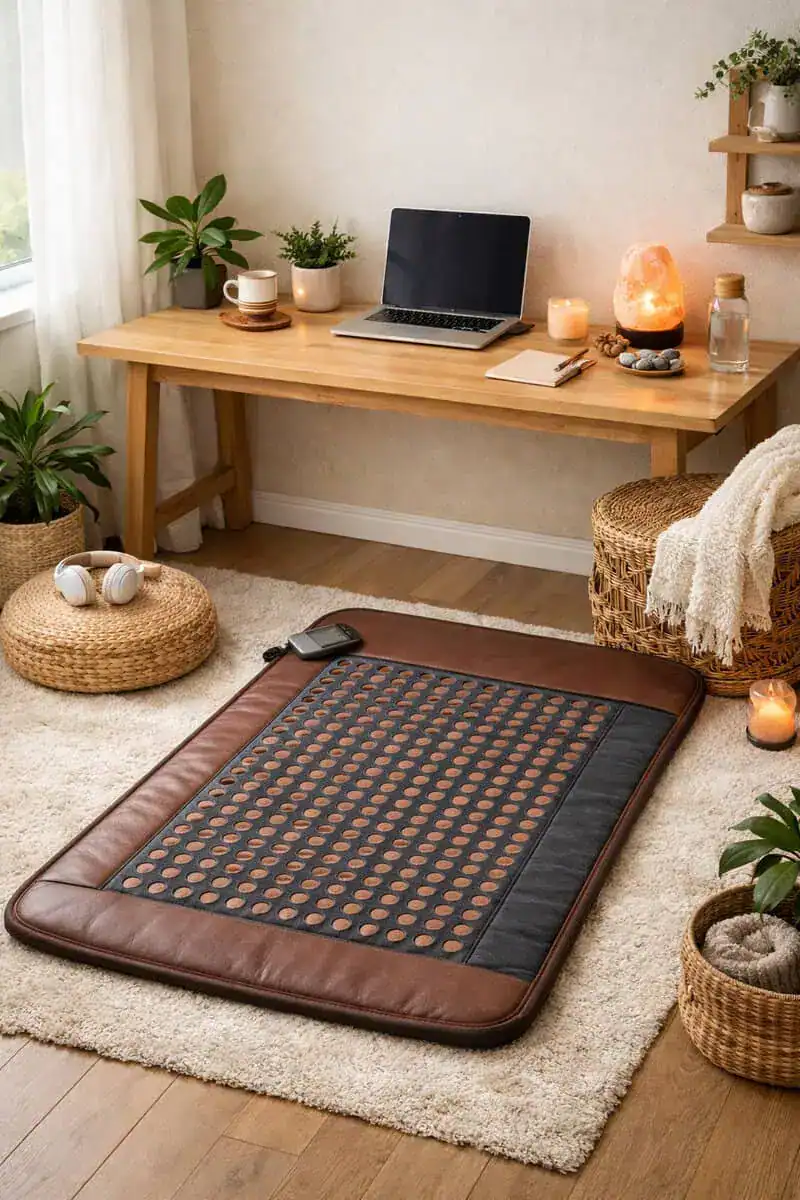
This guide serves as the central comparison hub. From here, you can explore detailed reviews and educational articles via the PEMF Sage blog.
If you are early in research, it can be helpful to read the educational foundation first, then return to device comparisons with clearer criteria. The PEMF therapy benefits overview is designed to provide that grounding without making medical claims.
If you have questions about how PEMF Sage evaluates devices, or you want to suggest topics for future coverage, you can reach out through the Contact PEMF Sage page.
As PEMF Sage expands, this buyer’s guide is intended to remain the primary hub for comparing categories, understanding safety considerations, and navigating to deeper product-specific content where appropriate.
Choosing the Right PEMF Device for Your Routine
Focus on devices that align with your space, schedule, and comfort level. Conservative use, clear documentation, and transparent claims are stronger indicators of quality than aggressive marketing.
If you want a simple decision path, prioritize “fit” in this order:
- Safety fit: The device is appropriate for your situation, and you understand manufacturer guidance and contraindications.
- Lifestyle fit: You can realistically use it in your space without complicated setup.
- Comfort fit: The mat or device is comfortable enough that sessions feel easy to repeat.
- Clarity fit: Specifications and programs are explained in a way you can understand and apply consistently.
- Support fit: Warranty and customer support reduce long-term ownership risk.
For many buyers, a conservative “start simple” strategy is appropriate: choose a system that supports gentle, repeatable sessions, then reassess after consistent use. If you later decide you want a broader feature set, you can upgrade from a position of experience with what you actually use, rather than what marketing implies you need.
If you are still unsure, browse additional PEMF topics through the PEMF Sage blog and return to this guide with a clearer list of must-have criteria.
Summary and Next Steps
The best PEMF devices in 2026 are those that support consistent, conservative wellness routines without overstated promises. By understanding device categories, safety considerations, and feature differences, you can make a more informed decision.
For deeper comparisons and updates, return to this buyer’s guide or explore related resources across PEMF Sage.
If you are continuing research, consider reviewing the PEMF therapy benefits overview and browsing the PEMF Sage blog for device education and coverage updates.