Is PEMF Therapy Right for You?

Pulsed Electromagnetic Field (PEMF) therapy has gained attention as a wellness technology designed to support the body’s natural regulatory processes. Many people first encounter PEMF while researching recovery tools, sleep support, circulation improvement, or general wellness routines.
But an important question often comes up early in that research process: is PEMF therapy right for you?
The answer depends on several factors, including your goals, expectations, health considerations, and willingness to use the technology consistently. Unlike quick-fix wellness trends, PEMF therapy typically works through gradual biological signaling processes that support the body’s natural balance.
This guide explains how PEMF therapy works in everyday settings, who typically explores it, and the practical factors to consider before deciding whether it fits your wellness routine.
What PEMF Therapy Actually Does
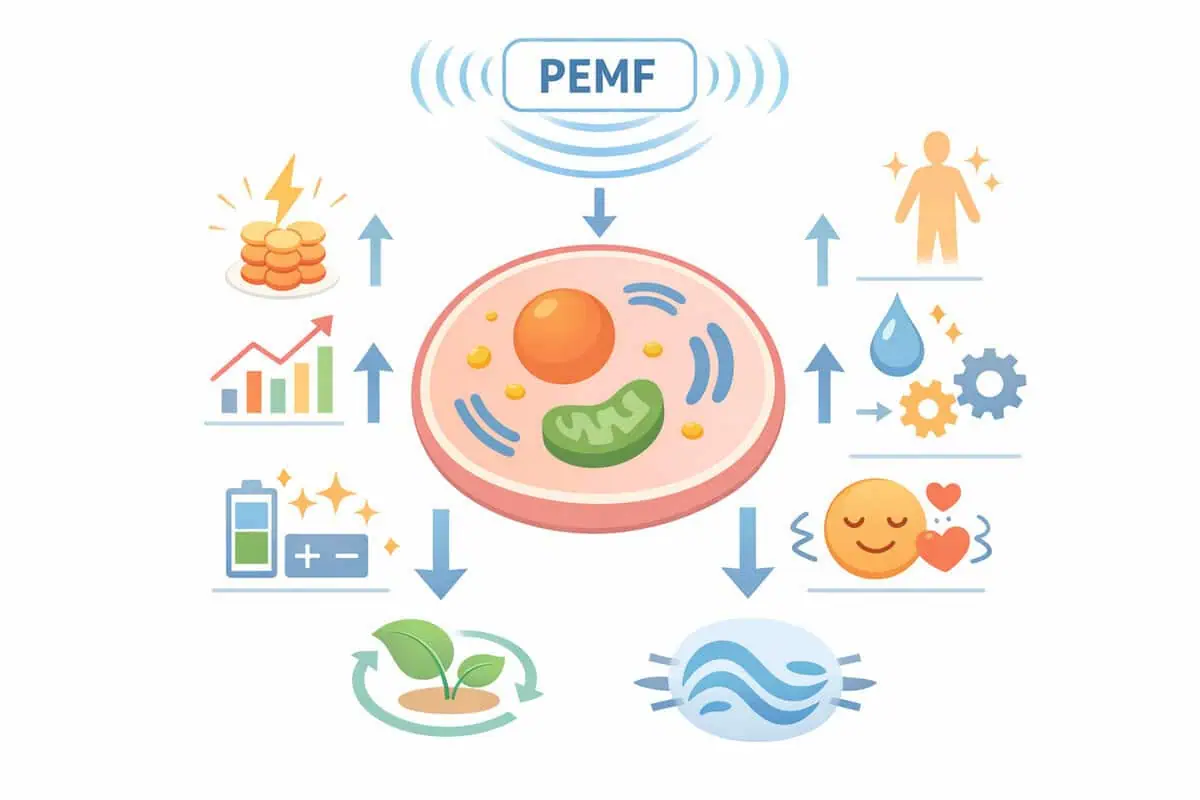
PEMF therapy uses low-frequency electromagnetic pulses designed to interact with biological electrical activity. Every cell in the human body communicates using small electrical gradients that influence signaling, ion exchange, and metabolic activity.
PEMF systems deliver pulsed magnetic fields that may help support these natural communication processes. Instead of introducing chemicals or heat, the technology aims to stimulate physiological signaling pathways already present in the body.
Researchers have studied electromagnetic field exposure in relation to cellular signaling, microcirculation, and tissue regulation. For example, biomedical literature indexed in PubMed research databases explores how electromagnetic stimulation may influence cellular communication and biological signaling pathways.
In practical terms, PEMF sessions typically involve lying or sitting on a mat that emits gentle electromagnetic pulses through coils embedded in the device.
a breakdown of PEMF device optionsWho Typically Explores PEMF Therapy
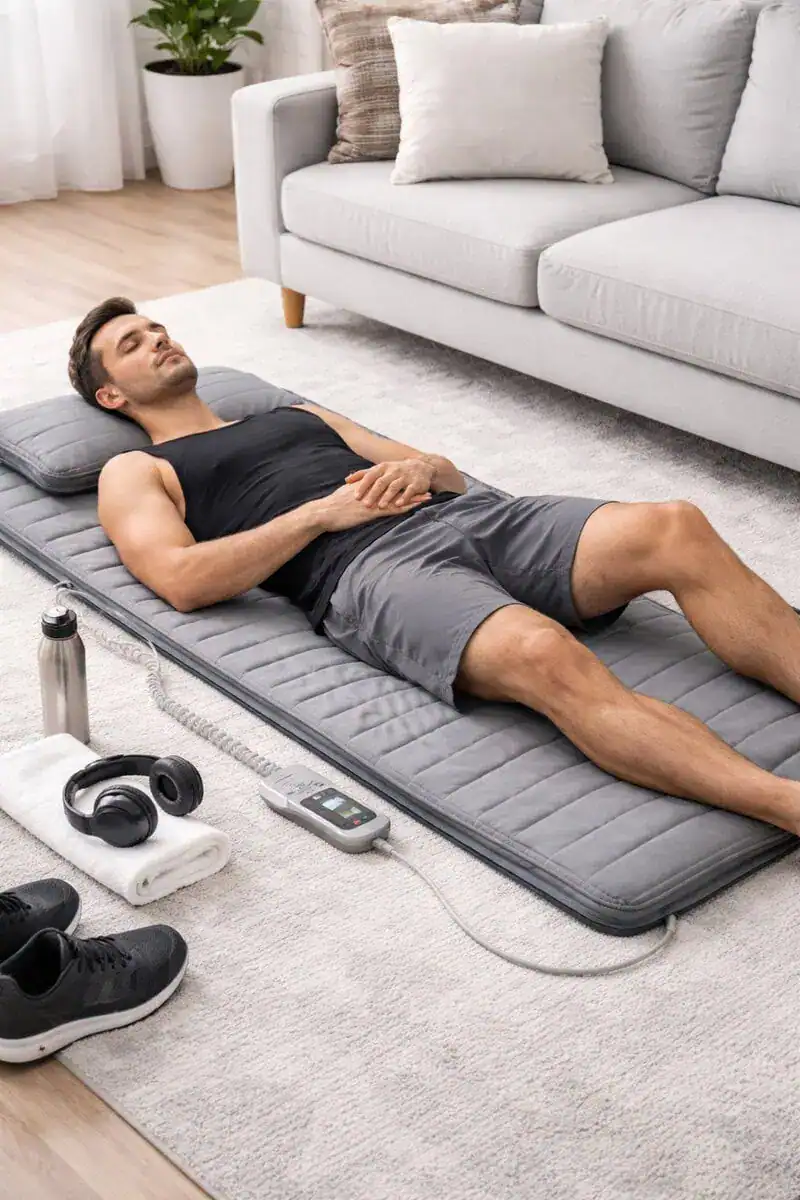
People interested in PEMF therapy often come from several different wellness backgrounds. The technology is not limited to a single use case or lifestyle.
Common groups that explore PEMF technology include:
- Individuals focused on recovery after physical activity
- People building relaxation or evening wellness routines
- Users exploring non-invasive wellness technologies
- Older adults focused on mobility and daily comfort
- Biohacking or longevity enthusiasts experimenting with recovery tools
While these groups represent typical users, PEMF therapy is generally explored as a supportive wellness tool rather than a treatment for specific conditions.
If you are curious about the broader science behind the technology, our overview of PEMF therapy benefits and research insights explains the physiological mechanisms studied in wellness contexts.
It’s also common for interest in PEMF to grow after someone tries a session in a wellness setting (for example, a recovery studio, integrative clinic, or sports performance environment) and wants something that can be replicated at home. In those cases, people often look for:
- Low friction (easy setup, not a complicated routine)
- Comfort (a mat that feels natural to lie on)
- Repeatability (a routine that’s realistic on busy weeks)
Another pattern is that people exploring PEMF are frequently “stacking” it with other conservative practices—hydration, movement, breathing, sleep hygiene—because the value is often in how PEMF fits into a broader system rather than replacing it.
How a Typical PEMF Session Works
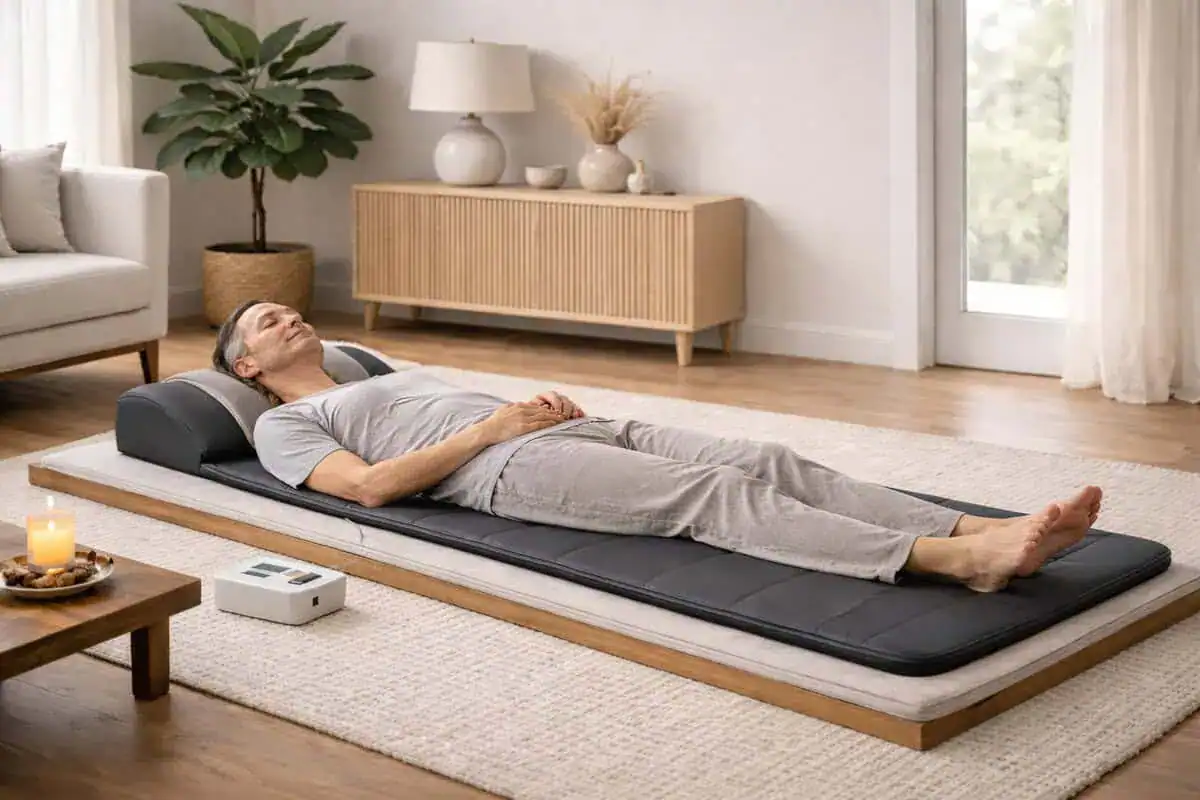
One reason PEMF therapy appeals to many users is its relatively simple routine. Most systems are designed for passive sessions that fit easily into a daily schedule.
A typical PEMF session may involve:
- Placing a PEMF mat on a bed, couch, or floor
- Resting comfortably on the device
- Selecting a program or frequency setting
- Allowing the session to run for 10–30 minutes
Users often describe the experience as subtle. Some people notice gentle pulsing sensations or mild warmth, while others feel little physical sensation during the session itself.
Consistency tends to be emphasized in most user routines. Instead of occasional use, many PEMF users incorporate sessions several times per week as part of a broader wellness strategy.
From a practical standpoint, sessions often work best when they are attached to an existing habit. For example, some users run PEMF during:
- a wind-down routine before bed
- a midday reset break (quiet rest + breathing)
- a post-workout recovery window (resting while hydrating)
For beginners, comfort and simplicity usually matter more than “maxing out” settings. A calm environment (comfortable temperature, supportive pillow, light stretching beforehand) can make it easier to stay consistent, which is often the main challenge with at-home wellness technology.
If you’re trying to decide what kind of device format could match your routine (full-body mat vs smaller applicator, portable vs dedicated home setup), the most useful starting point is often a category overview. Our cornerstone guide to the best PEMF devices and mats available today is designed for that kind of top-level comparison.
Biological Processes PEMF May Support

Researchers studying electromagnetic stimulation often focus on several biological systems where electrical signaling plays a role.
Areas commonly discussed in scientific literature include:
- Microcirculation – small blood vessels that support oxygen delivery
- Ion channel activity – movement of charged particles across cell membranes
- Mitochondrial signaling – processes related to cellular energy production
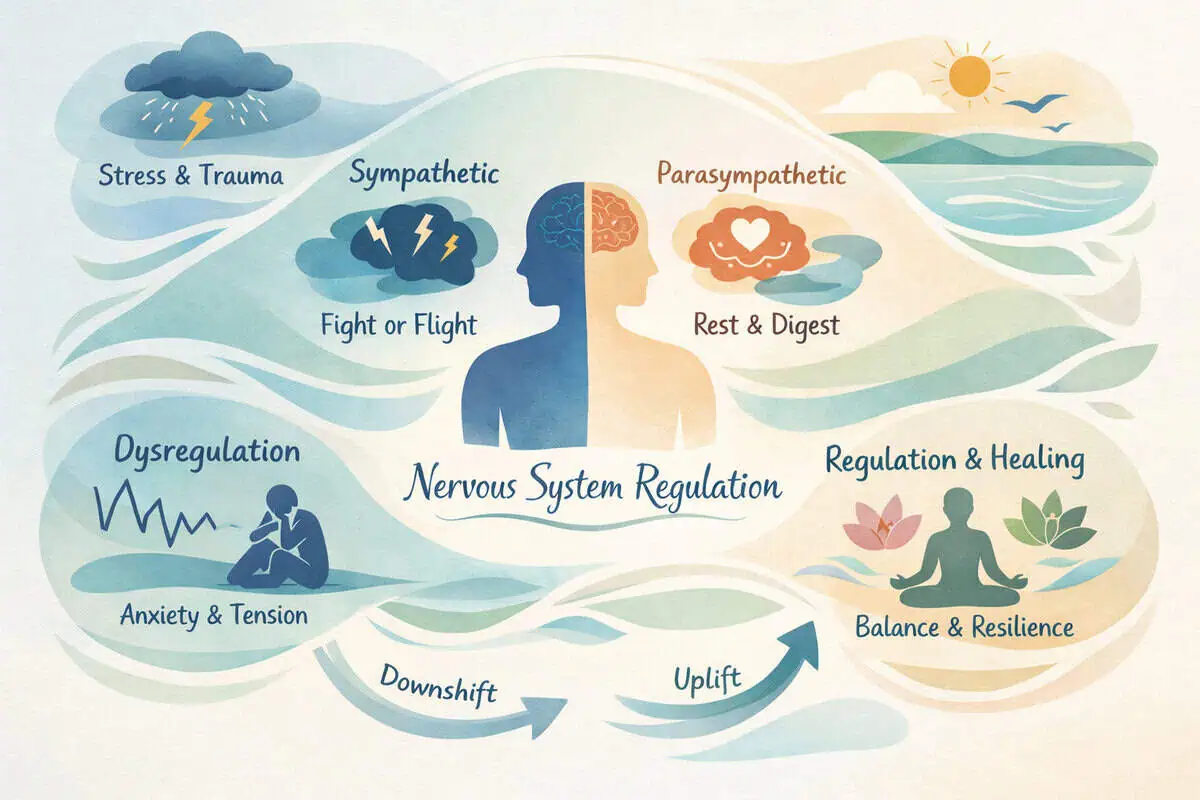
- Nervous system regulation – balance between sympathetic and parasympathetic activity
Organizations such as the National Institutes of Health (NIH) and other research institutions have published studies examining how electromagnetic fields interact with biological tissues. These investigations are ongoing and continue to explore the mechanisms involved.
It may be helpful to frame these mechanisms in everyday terms. When people talk about “support” from PEMF, it often means support for foundational processes that influence how someone feels day to day—such as how easily they relax, how steady their recovery routine is, or how comfortable their body feels after activity.
In a conservative, non-medical framing, PEMF is typically discussed as a technology that may help the body maintain conditions that support normal function—particularly in tissues where electrical and metabolic activity are highly active (muscle, connective tissues, nerves, and the vascular system).
Because the research landscape is broad and device parameters can differ, many people choose to focus on repeatable use, reasonable session settings, and clear safety boundaries rather than trying to interpret every mechanism claim found online.
Goals That Align Well With PEMF Use

When deciding whether PEMF therapy is right for you, it helps to align expectations with the types of outcomes the technology is typically associated with.
PEMF therapy may fit well within routines focused on:
- Recovery after physical activity
- Relaxation and stress management
- Sleep preparation and evening routines
- General wellness and longevity strategies
- Complementary recovery practices
Because PEMF sessions are non-invasive and passive, they often complement other wellness habits such as stretching, hydration, sauna use, or mindfulness practices.
A practical way to evaluate “fit” is to consider whether your goal is process-oriented or outcome-demanding. PEMF tends to fit best when someone is building supportive processes (routine recovery, consistent downtime, structured relaxation) rather than demanding a specific outcome on a strict timeline.
Many people find PEMF most useful when it’s used as a routine anchor: a short, consistent practice that helps reinforce other behaviors (quiet time, breathing, light stretching, hydration). In that sense, PEMF can serve as the “container” for the routine even if the experience during the session is subtle.
Situations Where PEMF May Not Be Ideal

Although PEMF therapy is generally considered a low-risk wellness technology when used appropriately, it may not be suitable for everyone.
Individuals should use caution or consult a qualified professional before using PEMF devices if they:
- Have implanted electronic medical devices
- Are pregnant
- Have recently undergone certain medical procedures
- Have been advised to avoid electromagnetic exposure
Organizations such as the Cleveland Clinic emphasize that wellness technologies should be used carefully and should never replace professional medical care when addressing health concerns.
Even for people without known contraindications, PEMF may not be ideal if expectations are mismatched. Examples include:
- You prefer high-sensation therapies. If you want something you can clearly feel (heat, pressure, vigorous stimulation), PEMF may feel underwhelming.
- You’re unlikely to use it consistently. Like most wellness tools, inconsistent use can make it hard to evaluate whether it “fits.”
- You want a device to replace fundamentals. PEMF is commonly positioned as supportive to movement, sleep routines, and recovery—not a replacement for them.
If you’re unsure how your personal health context intersects with electromagnetic exposure, it can be helpful to start with conservative education and ask questions in a structured way. If you’d like to reach us with a device-category or site-navigation question (not medical advice), you can use the Contact PEMF Sage page.
Practical Questions to Ask Yourself

If you are evaluating PEMF therapy, asking a few practical questions can help determine whether the technology fits your lifestyle.
Consider the following:
- Am I willing to use the device consistently several times per week?
- Am I comfortable with gradual wellness tools rather than quick results?
- Do I already follow a wellness routine where PEMF could fit naturally?
- Am I approaching PEMF as a supportive wellness practice rather than a medical solution?
Answering these questions honestly can help clarify whether PEMF technology aligns with your expectations.
It can also help to add a few “ownership questions,” because the best device on paper can still be a poor fit if daily use is unrealistic:
- Do I have a comfortable place to use a mat (bed, floor space, couch)?
- Would I prefer a dedicated routine time (morning/evening) or flexible use?
- Is portability important (travel, moving between rooms, shared living spaces)?
- Do I want a simple one-button routine, or do I enjoy learning settings and programs?
Comparing PEMF With Other Wellness Technologies

Many people discover PEMF therapy while researching other recovery or relaxation tools. Compared with technologies such as infrared heat, compression therapy, or massage devices, PEMF is somewhat unique.
The primary difference is that PEMF focuses on electromagnetic signaling rather than mechanical or thermal stimulation.
This distinction means the effects are typically more subtle. While heat therapies create noticeable warmth and massage devices create mechanical pressure, PEMF therapy works through gentle pulsing electromagnetic fields.
Research summaries available through Mayo Clinic health resources often emphasize that wellness technologies should be evaluated based on evidence, safety, and realistic expectations.
What Beginners Often Notice First
First-time PEMF users frequently report subtle experiences rather than dramatic sensations. These may include:
- A feeling of gentle pulsing from the device
- A sense of relaxation during sessions
- Improved comfort after repeated use
- Better integration into evening routines
Because PEMF therapy works through biological signaling pathways, many users focus on consistency rather than immediate changes.
For many beginners, the most meaningful early signal is not a dramatic “in-session” sensation, but whether PEMF becomes easy to repeat. If the routine is comfortable, the device is simple to operate, and sessions feel easy to fit into the week, users are more likely to keep going long enough to make a fair evaluation.
Evaluating Devices and Quality
If you decide PEMF therapy may fit your wellness goals, the next step is evaluating available devices.
Key factors people often review include:
- Frequency range and waveform patterns
- Mat size and coil configuration
- Session programs and ease of use
- Warranty and manufacturer transparency
Because PEMF technology varies widely between devices, it can help to review comparisons and product categories before making a decision.
You can explore a detailed overview of the available device types in our guide to the best PEMF devices and mats available today.
Two additional quality checks that can keep the evaluation grounded are:
- Clarity of specifications: reputable manufacturers tend to describe what the device does in clear technical terms (frequency ranges, program descriptions, intended use), without relying on sweeping health claims.
- User-fit realism: the “best” device is often the one you will actually use—size, storage, comfort, and interface matter more than a long list of complex features you’ll never touch.
When It Makes Sense to Start Slowly

If you decide to experiment with PEMF therapy, many users prefer starting with short sessions and gradually building a routine.
A simple beginner approach may involve:
- Starting with 10–15 minute sessions
- Using the device several times per week
- Observing how your body responds over time
- Adjusting frequency or duration gradually
This gradual approach allows users to evaluate whether PEMF therapy fits comfortably within their wellness practices.
Starting slowly can also help you separate “routine effects” from “device effects.” If you add PEMF and also change your sleep schedule, hydration, and training load all at once, it can be hard to tell what is driving what you notice. A steady, conservative rollout makes the experience easier to evaluate.
If you want a deeper explanation of how PEMF is commonly used to support a broad wellness plan (without overpromising results), our science-backed PEMF benefits overview can help you keep expectations realistic and mechanism-focused.
Conclusion
So, is PEMF therapy right for you? The answer depends on your goals, expectations, and willingness to incorporate the technology into a consistent wellness routine.
PEMF therapy is generally explored as a supportive practice designed to complement broader lifestyle habits such as exercise, recovery routines, stress management, and sleep hygiene. For many people, the appeal lies in its non-invasive nature and its focus on supporting the body’s natural regulatory systems.
If you’re considering exploring PEMF devices, learning about the different system types and features can help you make a more informed decision. Our in-depth overview of today’s leading PEMF devices and mats provides a helpful starting point.
If you have any contraindications or you’re unsure about PEMF exposure in your specific situation, it’s reasonable to review general safety considerations and discuss questions with a qualified clinician before starting.