PEMF Therapy for Bone Health & Healing

PEMF therapy for bone health is often discussed in the context of cellular signaling, circulation support, and recovery processes that influence skeletal tissue. Bone is not a static structure — it is metabolically active, continuously remodeling in response to mechanical stress, hormonal signals, and local cellular activity.
This guide explores how pulsed electromagnetic field (PEMF) therapy may interact with bone physiology, what research has examined, and where realistic expectations should be set. The goal is educational clarity — not treatment claims, prescriptions, or guarantees.
If you are new to PEMF therapy in general, begin with our Best PEMF Devices & Mats (2026 Buyer’s Guide) for device context, and review the broader PEMF Therapy Benefits (Science-Backed Overview) before evaluating bone-specific discussions.
Bone Remodeling: A Dynamic Biological Process
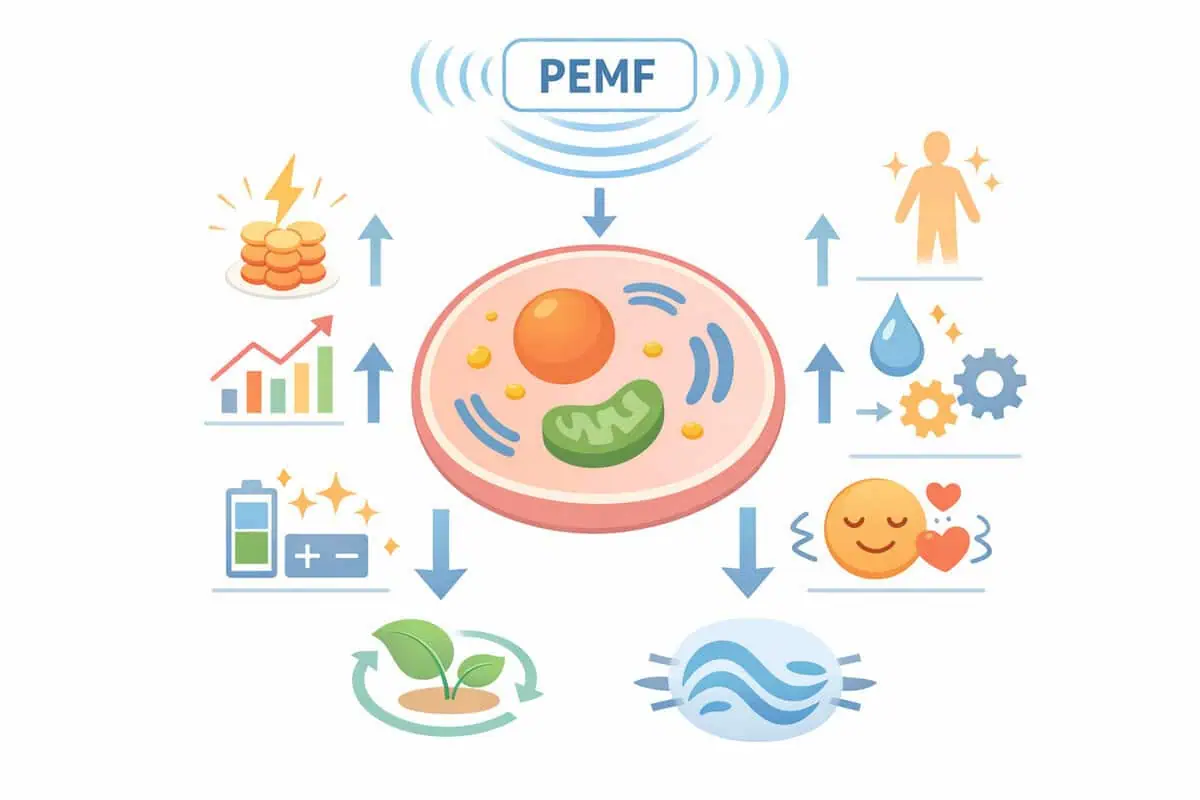
Bone tissue undergoes continuous remodeling through the coordinated activity of osteoblasts (bone-forming cells) and osteoclasts (bone-resorbing cells). This balance allows bones to adapt to stress, repair micro-damage, and maintain structural integrity.
Mechanical loading, circulation, and biochemical signaling all influence this process. Because PEMF therapy interacts with electrical signaling at the cellular level, researchers have explored whether externally applied electromagnetic pulses may influence the environment in which bone remodeling occurs.
According to research archived in PubMed, electromagnetic stimulation has been studied in orthopedic contexts for decades, particularly in relation to fracture support and delayed union scenarios. These studies provide historical context but do not imply universal outcomes.
To understand where PEMF therapy for bone health “fits,” it helps to clarify what remodeling actually means. Bone remodeling is not only about growth or recovery after injury; it also supports ongoing maintenance. Small, everyday micro-stresses from walking, lifting, or exercise can create microscopic changes in bone tissue. The body responds by removing damaged areas and laying down new material, a process that depends on cell-to-cell signaling, local blood supply, and adequate building blocks (protein, minerals, vitamin D status, and more).
Remodeling is commonly described in phases. First, osteoclasts resorb small sections of bone. Next, osteoblasts deposit new matrix (including collagen), and over time that matrix mineralizes. Throughout, osteocytes (mature bone cells embedded in the bone matrix) help coordinate signaling and respond to mechanical load. This matters because PEMF discussions often focus on the “signaling environment,” which is the broader set of cellular messages and conditions that support normal repair and adaptation.
Electrical Signaling in Bone Tissue
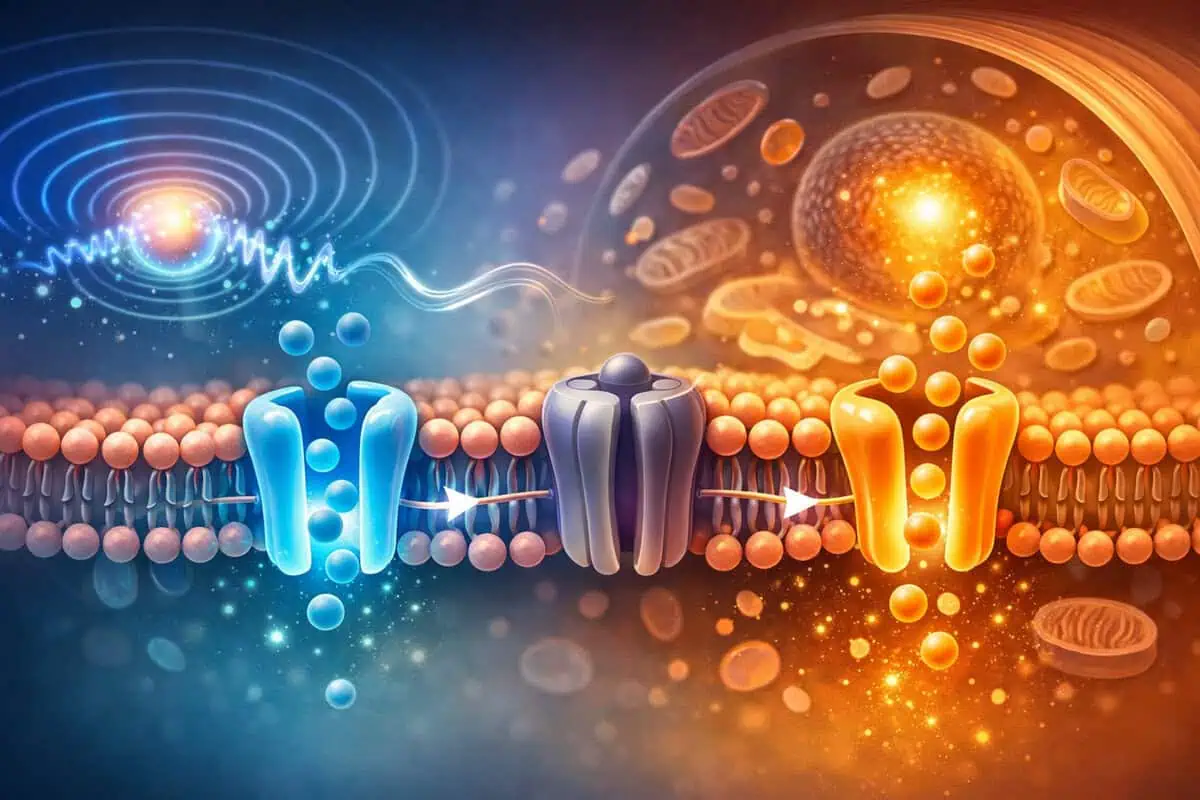
Bone generates small electrical potentials when mechanically stressed — a phenomenon sometimes referred to as piezoelectric activity. These natural signals are believed to influence cellular communication and tissue adaptation.
PEMF therapy introduces low-frequency electromagnetic pulses that may interact with ion exchange and membrane potential regulation. Theoretical discussions focus on calcium signaling pathways, which are central to bone cell activity.
The National Institutes of Health (NIH) has documented research examining electromagnetic fields and tissue response, though findings vary depending on intensity, frequency, and treatment context.
A useful way to think about electrical signaling is that cells communicate partly through changes in membrane potential and ion movement across the cell membrane. Ion channels help regulate the flow of calcium, sodium, potassium, and other ions. Calcium signaling is particularly important in many tissues because it acts as a “second messenger” inside cells, influencing gene expression and cellular activity patterns.
In bone biology, calcium is also a structural mineral, but the signaling role is separate from the mineralized matrix itself. Researchers often discuss whether electromagnetic stimulation can influence signaling pathways that affect osteoblast activity, osteoclast activity, or the coordination between bone cells and nearby vascular tissue. Importantly, these discussions vary by study design and do not translate directly into predictable, consumer-level outcomes.
Circulation and Nutrient Delivery

Healthy bone tissue depends on adequate blood flow for oxygen and nutrient delivery. Microcirculation plays a critical role in supporting the cellular environment required for repair and remodeling.
Some PEMF discussions emphasize support for circulation and endothelial signaling. While this does not equate to a direct healing effect, improved circulatory dynamics are often cited as one mechanism through which tissue environments may be influenced.
The Cleveland Clinic notes that circulation is fundamental to tissue repair processes throughout the body, including musculoskeletal structures.
Bone is highly vascular, meaning it relies on blood vessels for ongoing maintenance. Nutrients, oxygen, and signaling molecules reach bone tissue through the vascular system, and metabolic byproducts are removed through venous and lymphatic pathways. When microcirculation is compromised (for any reason), tissue recovery can be slower or less efficient.
This is one reason why circulation is sometimes highlighted in PEMF conversations. Some models propose that electromagnetic stimulation may influence vascular signaling and endothelial function, which could hypothetically support a better tissue environment for normal remodeling. However, a conservative stance is to treat this as supportive physiology framing rather than a direct claim that “more circulation equals bone healing.”
For readers comparing modalities, it can help to remember that circulation support is a broad theme across many wellness tools. What matters is whether the tool is safe for your situation, whether it fits your routine, and whether your expectations are realistic. If you want to ground the discussion in PEMF-specific fundamentals, the PEMF Therapy Benefits page provides the wider physiology context.
Historical Orthopedic Applications

Electromagnetic stimulation devices have been explored in orthopedic settings for decades, particularly for certain fracture-related scenarios under medical supervision.
It is important to distinguish between regulated clinical devices and consumer wellness systems. Medical-grade systems used in hospital contexts operate under specific protocols and regulatory frameworks.
Home-use PEMF systems are positioned as wellness tools rather than medical fracture-treatment devices. Users considering PEMF therapy for bone health should understand these differences clearly.
Historically, orthopedic research into electromagnetic stimulation has focused on specific use cases, such as delayed union or nonunion fractures, where clinicians explore supportive strategies alongside immobilization and standard care. These contexts are not the same as general “bone wellness” or at-home recovery routines.
If you are exploring PEMF because you have seen orthopedic claims online, consider it a signal to slow down and separate “clinical device categories” from “consumer wellness categories.” The conservative approach is to treat consumer PEMF as a possible support tool for recovery routines, circulation, and relaxation — while keeping all condition-specific decisions anchored to medical care.
Mitochondrial Energy and Cellular Activity
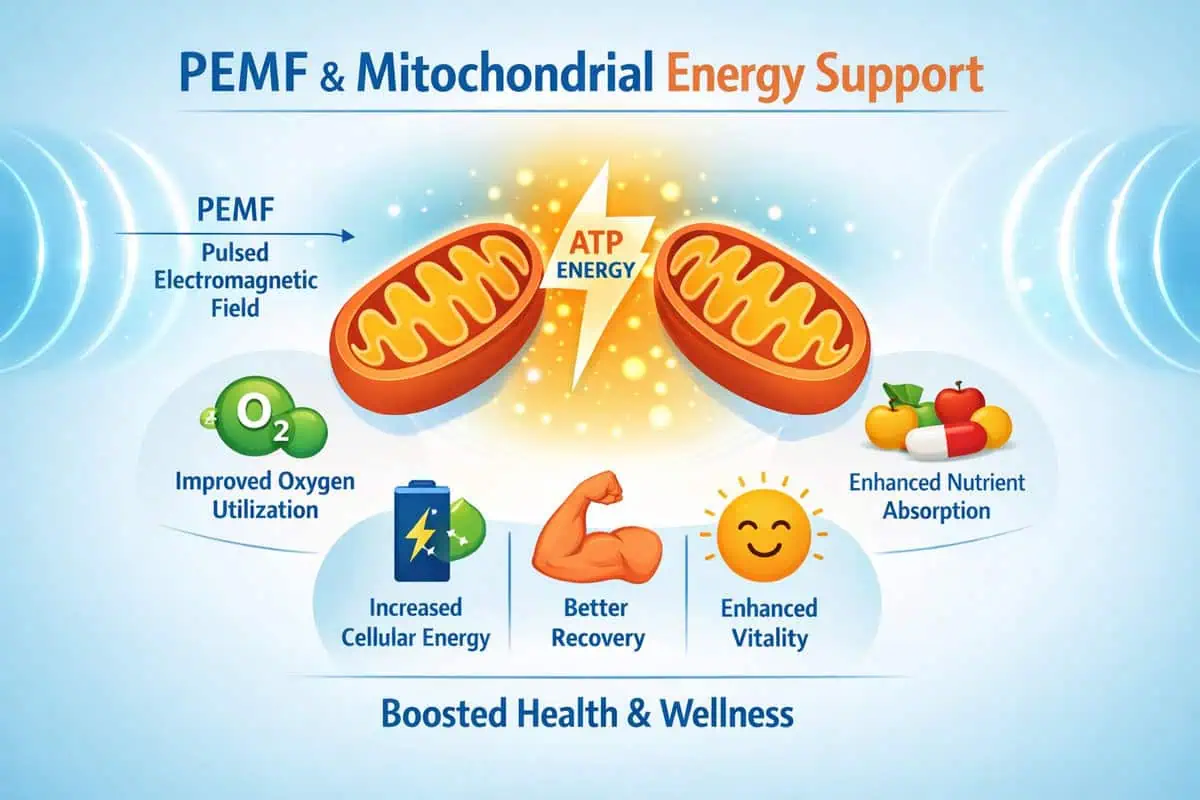
Bone-forming cells require energy to synthesize collagen and mineralized matrix components. Mitochondria generate ATP, the cellular energy currency supporting these activities.
PEMF therapy is sometimes discussed in relation to mitochondrial signaling and cellular energy modulation. Research in broader tissue models suggests electromagnetic fields may influence cellular respiration parameters under controlled conditions.
These discussions remain mechanistic rather than diagnostic. They help explain why PEMF therapy for bone health is framed around cellular support rather than structural guarantees.
In practical terms, “energy support” is often used as shorthand for whether cells have the resources and signaling environment to do their normal work. Osteoblasts require energy to produce collagen-rich matrix, and other cell types contribute to the remodeling process through coordinated signaling and immune activity.
If you are building a conservative routine around PEMF therapy for bone health, this block is best interpreted as “PEMF is sometimes explored for potential support of cellular signaling and energy processes” — and your baseline should remain: strength training (when appropriate), protein intake, micronutrients, and sleep.
Inflammation and Bone Repair Context

Inflammation is a normal phase of tissue repair. However, excessive or prolonged inflammatory signaling may interfere with optimal remodeling processes.
PEMF therapy discussions often include modulation of inflammatory pathways at the signaling level. For a broader understanding of this context, see our overview of PEMF Therapy Benefits.
The Mayo Clinic emphasizes that inflammation plays a complex, necessary role in healing — meaning any wellness intervention must be understood within that biological balance.
In the context of bone, inflammatory signaling can be part of the early phase of repair after injury, and it can also influence long-term remodeling in subtle ways. The goal is not to “eliminate inflammation,” but to maintain a balanced recovery environment that supports normal tissue adaptation.
PEMF discussions sometimes highlight nervous system regulation as a parallel pathway: if a person uses PEMF in a way that supports relaxation and recovery routines, they may also be improving sleep quality or reducing stress-related physiological load. That is an indirect framing — and a more conservative way to interpret why PEMF shows up in broader recovery conversations.
Who Might Explore PEMF for Bone Support?

Individuals interested in overall musculoskeletal wellness may explore PEMF therapy as part of a broader recovery or aging-support strategy.
- Those focused on healthy aging
- Individuals engaged in athletic training
- People prioritizing circulation and recovery routines
PEMF therapy for bone health should not replace medical evaluation for fractures, osteoporosis, or other skeletal conditions.
In practice, many people who explore PEMF are looking for a routine they can maintain consistently. For bone-related goals, consistency typically matters more than intensity. A routine that supports regular movement, good sleep, and recovery habits is often more realistic than chasing aggressive protocols or device settings.
If your primary interest is maintaining bone density over time, the foundations remain weight-bearing activity and resistance training (as appropriate for your health), nutrition, and medical screening when indicated. PEMF may be considered an “adjunct wellness tool” that fits alongside those pillars — not a replacement for them.
Safety and Contraindications

Most consumer PEMF systems are designed for low-intensity wellness use. However, contraindications may include implanted electronic devices, pregnancy, or certain medical conditions.
Always review our dedicated PEMF Therapy Safety, Risks & Contraindications page before beginning any new wellness modality.
From an ownership perspective, safety also includes how you set up sessions and how you evaluate your response over time. Many users start with shorter sessions and conservative settings (when adjustable), then build consistency rather than intensity. If you notice unexpected sensations (headache, unusual agitation, dizziness, or sleep disruption), the conservative step is to pause and reassess frequency, timing, and settings — and to consult a clinician if symptoms persist or if you have underlying medical concerns.
It is also wise to treat PEMF like other recovery tools: keep sessions away from circumstances where you need immediate alertness (for example, right before driving if the session tends to make you very relaxed). If you are combining PEMF with other modalities (heat, breathwork, stretching), change only one variable at a time so you can interpret what is actually influencing your response.
Device compliance and maintenance can also affect safety. Follow the manufacturer’s guidelines for placement, cord management, and cleaning. Avoid using the device in damp environments unless explicitly permitted, keep vents unobstructed, and store mats flat or rolled as directed. These practical steps reduce wear-and-tear and help ensure consistent operation over the long term.
Realistic Expectations

PEMF therapy for bone health should be viewed as a supportive modality within a broader wellness plan that may include:
- Nutrition optimized for bone density
- Weight-bearing exercise
- Medical supervision where appropriate
There are no universal outcomes, and individual responses vary.
A realistic goal for most people is not “bone healing,” but improved consistency in recovery habits. If PEMF sessions encourage you to lie down, breathe, relax, and maintain a routine that supports sleep and training recovery, that can be a meaningful outcome even without any direct bone-specific effect.
If you are tracking progress, focus on metrics that match your situation: adherence to training, recovery quality, sleep regularity, and mobility. Any condition-specific monitoring (fracture status, bone density testing, pain evaluation) should be handled through clinical channels.
Device Context and Intensity

Different PEMF devices vary in waveform, intensity, and configuration. Understanding these differences is important before assuming equivalence between systems.
Our Buyer’s Guide explains distinctions between full-body mats, targeted devices, and professional systems.
When thinking about “bone support,” full-body mats are typically discussed because they provide broad exposure that fits a general recovery routine. Targeted devices may be used for localized areas, but this can blur into medical-adjacent claims if framed improperly. A conservative approach is to treat device choice as a comfort-and-routine question: What will you actually use consistently, safely, and within your budget?
If a device includes adjustable settings, consider that “higher” is not automatically “better.” Many people prioritize a setting that feels comfortable and supports relaxation. If you are unsure how to interpret intensity, focus first on safe setup and consistent usage habits rather than chasing technical specs.
Broader Skeletal Wellness Strategy

Bone health is influenced by multiple factors:
- Hormonal balance
- Mechanical loading
- Calcium and vitamin D intake
- Systemic circulation
PEMF therapy is best understood as a potential contributor to the signaling environment rather than a standalone structural intervention.
A conservative strategy is to think in terms of “stacking basics” before adding tools. For many people, the highest-impact steps include resistance training (appropriately programmed), adequate protein intake, vitamin D status awareness, and consistent sleep. PEMF can be added as a recovery ritual that supports calm, consistency, and a restorative routine.
If you want to keep your education pathway organized, you can use the Blog to explore related topics like circulation, nervous system regulation, and session guidelines, then use the Buyer’s Guide only when you are ready to compare device categories and selection logic.
Conclusion: Understanding PEMF Therapy for Bone Health
PEMF therapy for bone health is grounded in the concept that electrical signaling and circulation influence tissue environments. Research has explored electromagnetic stimulation in orthopedic contexts, but consumer wellness systems should be approached conservatively.
For a complete overview of device categories and selection considerations, review our Best PEMF Devices & Mats (2026 Buyer’s Guide) or explore additional educational articles in our Blog.
If you have a specific medical concern related to bone injury or bone density, use this guide as background education and prioritize clinician guidance for diagnosis and treatment decisions.