PEMF Therapy Side Effects & What’s Normal

Pulsed Electromagnetic Field (PEMF) therapy is generally considered a low-risk wellness technology when used according to manufacturer guidance. Most users report subtle sensations during sessions such as gentle pulsing, warmth, or relaxation.
However, as with any technology that interacts with the body’s electrical signaling systems, some people notice temporary sensations or mild adjustments when beginning PEMF sessions.
These responses are usually short-lived and reflect the body adapting to new stimulation patterns.
This guide explains:
- Common PEMF therapy side effects
- Which sensations are considered normal
- How long adjustments usually last
- When to modify session intensity
- Situations where PEMF may not be appropriate
If you are new to PEMF therapy, it can also help to review our comprehensive overview of PEMF therapy benefits and mechanisms before starting a consistent routine.
One important framing point: in everyday conversation, people sometimes use the term “side effects” to mean anything they notice after a session. In practice, many of the sensations described below are better understood as short-lived adjustment responses—similar to how a new mobility routine, recovery tool, or relaxation practice can feel “different” at first.
Why PEMF Therapy Can Produce Temporary Sensations
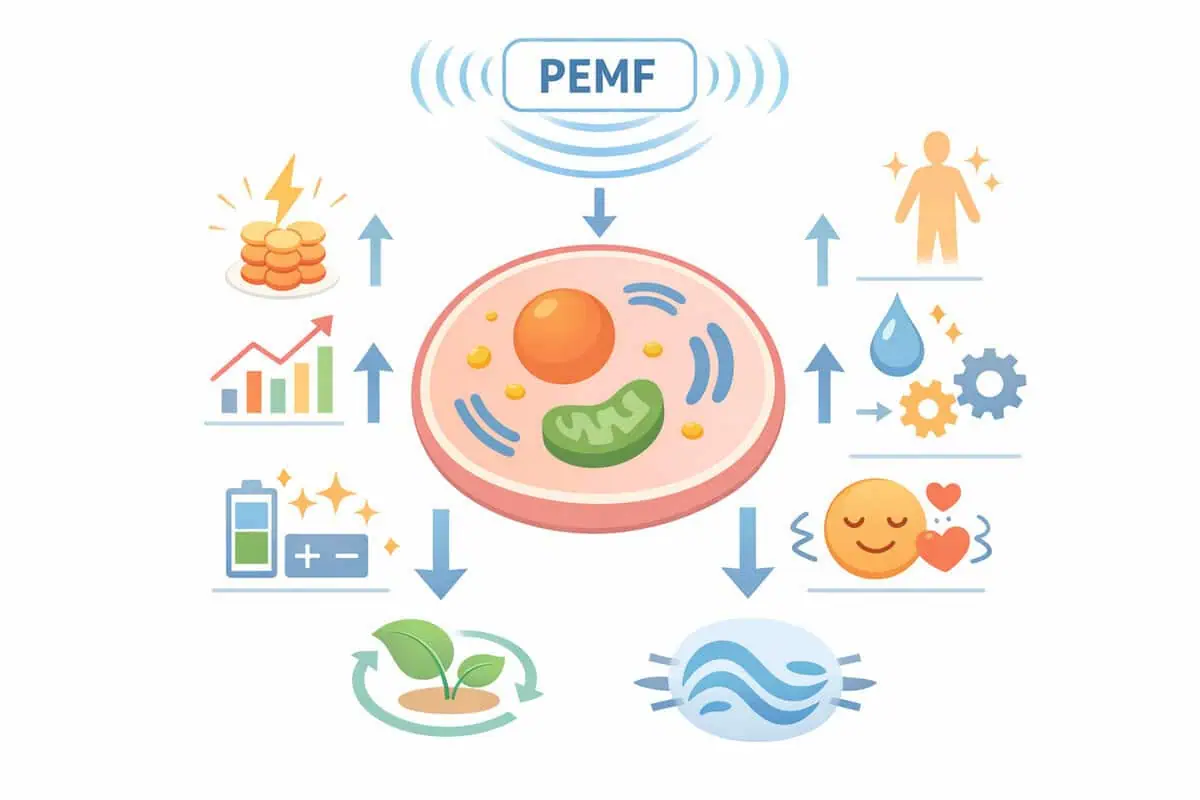
PEMF therapy works by delivering low-frequency electromagnetic pulses that interact with the body’s electrical signaling environment.
Cells naturally communicate through electrical gradients across their membranes. PEMF fields may influence this signaling environment by affecting ion channels and membrane potential.
According to research indexed in PubMed, pulsed electromagnetic fields can interact with biological tissues by altering ion transport and cellular signaling processes.
When these signals change slightly, some people may notice mild sensations during early sessions. These sensations typically represent temporary adjustments rather than adverse reactions.
The most common experiences are subtle and tend to decrease as the body becomes accustomed to regular sessions.
To understand why these sensations can happen, it helps to distinguish PEMF from “heat-based” or “pressure-based” modalities. PEMF does not rely on mechanical pressure, stretching, or surface heat as the primary driver. Instead, it creates a time-varying electromagnetic field, which can influence tissues in ways that feel indirect—more like a change in “tone” or “settling” than a strong, immediate sensation.
Because PEMF systems vary widely in waveform, frequency, coil design, and intensity settings, the “felt experience” can differ from one device to another. That is also why best practice is to start conservatively and avoid jumping immediately to high-intensity settings—especially if you are sensitive to stimulation or already using other recovery tools.
compare different PEMF devicesWhen people do feel something, it is often localized. For example, a user may notice pulsing more strongly through the calves, shoulders, or hips depending on coil placement, tissue thickness, hydration, and how close the body is to the coil. This variability is normal and does not necessarily indicate that one area is “better” or “worse.”
If you want a more complete foundation on how PEMF is typically described in wellness contexts, our PEMF therapy benefits and mechanisms overview provides additional physiological framing in a conservative, non-medical way.
Common Sensations During a PEMF Session

During a typical session, most users notice either very mild sensations or no sensation at all.
Reported experiences often include:
- Gentle pulsing or rhythmic vibration
- A warming sensation in the treatment area
- Muscle relaxation
- A feeling of heaviness or calm
- Occasional tingling in localized areas
These sensations are generally brief and occur because PEMF fields influence the electrical environment around tissues and nerves.
Many users describe the experience as relaxing, which is why PEMF sessions are often incorporated into evening recovery or wind-down routines.
It can be helpful to know that “no sensation” is common. Unlike a massage gun or hot pack, PEMF is not designed to feel intense. Some users notice effects primarily in how they feel afterward—such as a calmer nervous system state or reduced perception of tightness—rather than a strong in-session experience.
Warmth is another frequently mentioned sensation. Because PEMF is not primarily a heat therapy, warmth is often described as a localized “warming feeling” rather than a temperature increase like infrared heat. This may relate to microcirculation changes or relaxation of superficial muscle tension.
Mild Adjustment Reactions Some People Experience

In the early stages of PEMF use, a small percentage of people notice temporary adjustment reactions. These are usually mild and resolve within a short period.
Examples may include:
- Temporary fatigue after the first few sessions
- Mild headache
- Increased thirst
- Short-term muscle soreness
- Heightened awareness of existing tension
These experiences are typically associated with physiological adjustments in circulation, nervous system activity, or muscle relaxation patterns.
Institutions such as the Cleveland Clinic note that many bioelectromagnetic therapies are generally well tolerated when used appropriately.
If you experience any of these reactions, the most conservative approach is to scale back intensity or duration for several sessions. A smaller dose can still support a routine while reducing the chance of discomfort.
If you want broader context on how PEMF is used in a responsible wellness framework, our benefits overview also includes conservative explanations for why relaxation and recovery support are common goals for home users.
Why Some People Feel Fatigue After PEMF

Temporary fatigue is one of the most commonly reported adjustment sensations when starting PEMF therapy.
Several factors may explain this response:
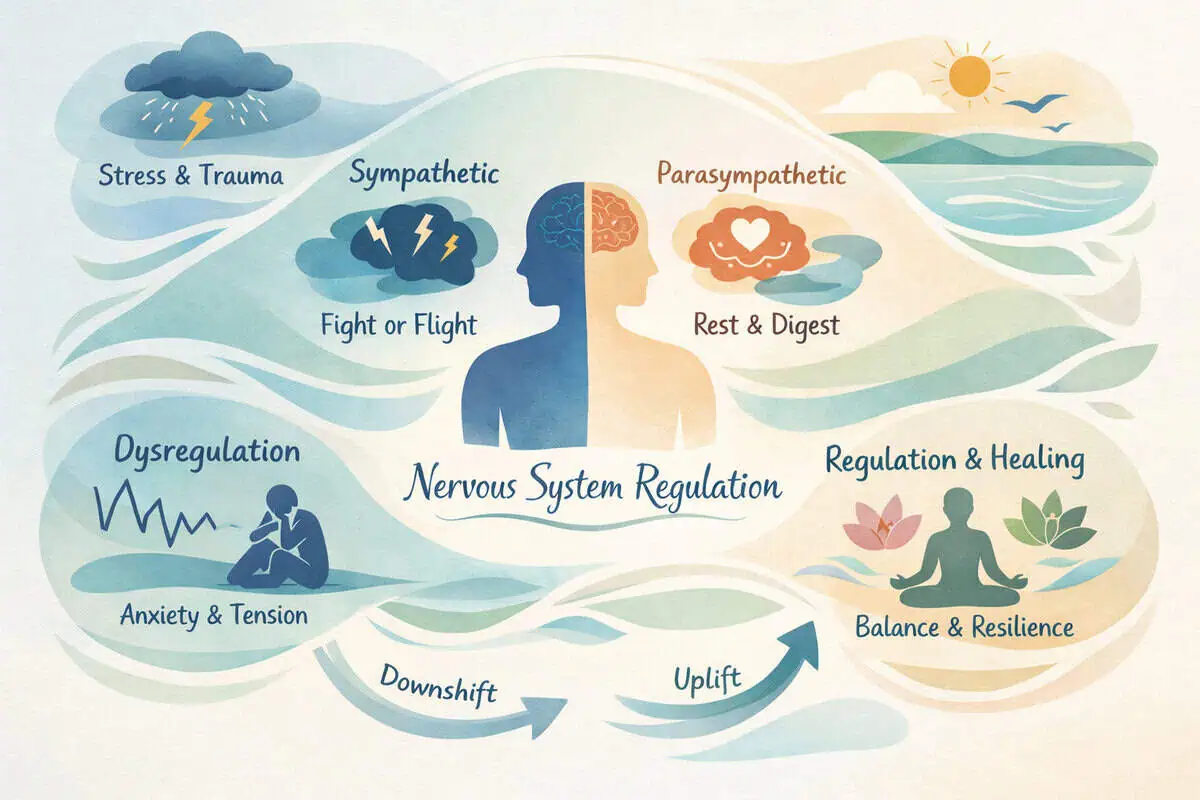
- Activation of the parasympathetic nervous system
- Improved circulation in previously tense tissues
- Changes in muscle relaxation patterns
- Increased recovery signaling after physical activity
These effects often resemble the relaxation response that occurs after massage, stretching, or deep breathing exercises.
If fatigue occurs, reducing session duration or intensity for the first week can help the body adapt more gradually.
In practical terms, fatigue can show up in a few different ways:
- Immediate sleepiness during or after the session: often reported when PEMF is used in a quiet environment, especially later in the day.
- “Heavy body” feeling: can feel similar to what people describe after a hot shower or restorative stretching session.
- Lower training drive temporarily: if PEMF is used after workouts, some users interpret the relaxation response as “fatigue,” even though it may simply be a downshift into recovery mode.
A conservative troubleshooting approach is to adjust only one variable at a time:
- Move the session earlier or later
- Reduce duration (for example, cut a session in half)
- Reduce intensity setting
- Take a rest day, then reintroduce a lower dose
If fatigue is persistent or severe, it’s reasonable to pause sessions and consult a qualified professional, especially if there are other health variables in play.
Headaches or Pressure Sensations

Some individuals report mild headaches during their first few PEMF sessions. This is uncommon but possible.
Potential reasons include:
- Changes in blood flow patterns
- Muscle relaxation in the neck or shoulders
- Hydration imbalance during early sessions
- Sensitivity to stronger PEMF intensities
If this occurs, it is usually helpful to:
- Shorten sessions temporarily
- Drink additional water before and after sessions
- Use lower intensity programs
Most users find that these sensations disappear once their routine becomes consistent.
It can also help to consider posture and positioning. If you are lying down with the neck slightly flexed, or if your shoulders are elevated, muscle tension may change as you relax—sometimes leading to a “pressure” sensation that is easy to attribute to the session itself.
If headaches are recurrent, the conservative approach is to stop sessions and consult a qualified professional. This matters especially for individuals with a history of migraines or neurological sensitivity.
Tingling or Muscle Twitching
Another sensation occasionally reported during PEMF sessions is light tingling or minor muscle twitching.
This is thought to occur because electromagnetic pulses can influence nerve signaling patterns in localized areas.
The sensation is typically mild and brief, often fading within minutes.
According to research reviewed by the National Institutes of Health, bioelectromagnetic stimulation has measurable effects on nerve and cellular signaling pathways.
These signals may be responsible for the subtle sensations users occasionally notice during early sessions.
In many cases, tingling is location-specific and can be influenced by:
- Coil proximity: areas closer to the coil can feel more noticeable.
- Tissue type: bony areas or regions with less padding may transmit sensation differently than thicker muscle tissue.
- Existing nerve sensitivity: if a person already has intermittent tingling from posture, training load, or compression, they may notice it more during stillness.
- Intensity level: higher intensities may be more perceptible for sensitive users.
If tingling feels uncomfortable, reducing intensity is typically the first adjustment. Also consider repositioning so the coil is not directly under a highly sensitive area (for example, moving slightly up or down the back rather than placing the coil directly under a pressure point).
As a general safety principle, tingling that persists after a session—especially if it is accompanied by weakness, numbness, or pain—should be evaluated by a qualified professional.
Situations Where PEMF Should Be Used Carefully

Although PEMF therapy is generally considered safe for most healthy adults, certain individuals should consult a healthcare professional before use.
Common precaution categories include:
- Individuals with implanted electronic devices
- Pregnancy
- Severe cardiovascular conditions
- Recent surgical implants
- Individuals with epilepsy
These precautions exist because electromagnetic stimulation may interact with electronic implants or sensitive neurological conditions.
You can review additional guidance on safe usage in our detailed PEMF therapy safety overview.
When Side Effects Are Not Considered Normal

While mild adjustment sensations can occur, certain reactions are uncommon and should prompt discontinuation of sessions until guidance is obtained.
These include:
- Persistent dizziness
- Strong headaches that worsen
- Heart rhythm irregularities
- Neurological symptoms
- Unusual pain or discomfort
These experiences are rare but should always be taken seriously.
Discontinue use and consult a qualified professional if these symptoms appear.
In addition to the symptom list above, “not normal” often means persistent or progressively worsening. A mild sensation that fades quickly is different from a reaction that lasts for hours, disrupts normal functioning, or intensifies with each session.
It may also help to separate PEMF-related timing from unrelated variables. Dizziness or palpitations can be influenced by sleep debt, dehydration, caffeine, stress, medications, and underlying health conditions. If a symptom is significant, the safest approach is still to stop sessions and seek guidance rather than attempting to troubleshoot through repeated exposure.
How to Reduce the Risk of Side Effects

Most adjustment sensations can be minimized by introducing PEMF therapy gradually.
Helpful guidelines include:
- Start with shorter sessions (10–15 minutes)
- Increase duration slowly over several days
- Stay hydrated before and after sessions
- Use moderate intensity programs first
- Avoid stacking multiple sessions early on
This gradual approach allows the nervous system and circulation patterns to adapt naturally.
If you are still learning how PEMF systems operate, you may find our broader resource on PEMF therapy articles and guides helpful.
Another practical strategy is to standardize your session environment for the first week. Use the same time of day, similar hydration habits, and similar positioning. This makes it easier to tell whether a sensation is linked to intensity/duration or whether it was simply a one-off response.
If you are combining PEMF with exercise recovery, consider spacing tools rather than stacking them. For example, use PEMF on rest days or on lighter training days at first. This reduces the number of variables and supports conservative interpretation of how your body responds.
How Long Adjustment Effects Usually Last

For most users, mild adjustment sensations resolve quickly.
Typical timelines reported in user experiences include:
- First 1–3 sessions: most noticeable adjustment period
- First week: body becomes accustomed to the stimulation
- After consistent use: sensations often disappear entirely
Because PEMF therapy interacts with the body’s signaling environment rather than forcing biochemical changes, the body typically adapts quickly.
If a user takes a long break and then restarts at the same intensity as before, they may notice adjustment sensations again. A conservative approach after a break is to resume at a lower dose and ramp up gradually.
Understanding the Difference Between Sensation and Side Effect
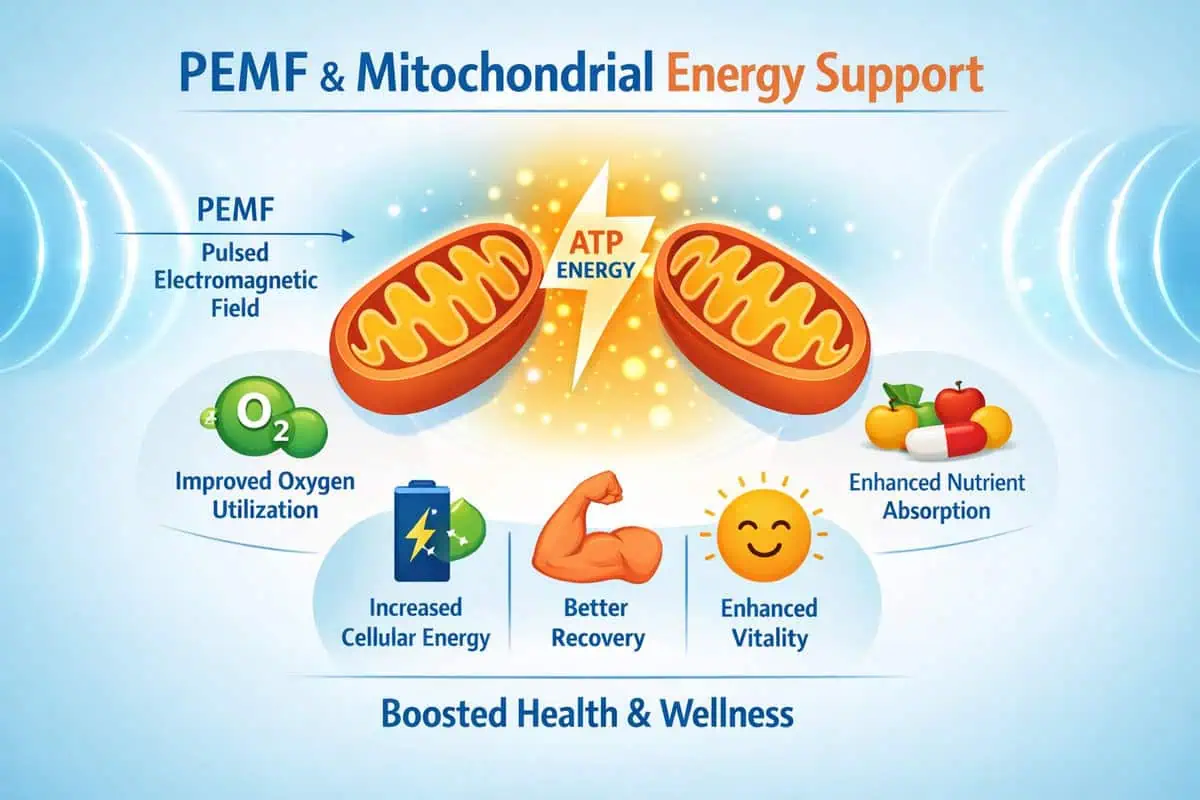
Many experiences labeled as “side effects” are actually normal physiological responses to electromagnetic stimulation.
Examples include:
- Relaxation or sleepiness
- Subtle pulsing sensations
- Warmth in muscles
- Temporary fatigue after sessions
True side effects are rare when PEMF systems are used within manufacturer guidelines.
Understanding the difference between temporary sensations and genuine adverse reactions helps users approach PEMF therapy more confidently.
A practical rule of thumb is to ask two conservative questions:
- Does the sensation resolve quickly? Normal sensations are usually short-lived and mild.
- Does the sensation improve when you reduce dose? If lowering intensity or duration makes the experience comfortable, it may have been a simple dose mismatch.
By contrast, adverse reactions tend to be persistent, worsening, or disruptive. If that happens, the correct safety response is to stop sessions and seek guidance.
PEMF Therapy Side Effects: What Most People Experience
For most individuals, PEMF therapy produces little to no discomfort. When sensations do occur, they are typically mild and temporary.
Common experiences include relaxation, subtle pulsing sensations, or brief fatigue during the first few sessions. These adjustments usually resolve quickly as the body becomes familiar with the stimulation patterns.
Starting with short sessions, maintaining hydration, and increasing intensity gradually can help minimize adjustment effects.
If you are considering adding PEMF therapy to your wellness routine, our comprehensive PEMF device buyer’s guide explains how different systems work and what to consider before choosing a device.
If anything you experience feels unusual, persistent, or concerning, the safest approach is to pause sessions and consult a qualified professional before continuing.