PEMF Therapy Safety for Specific Populations

Interest in PEMF therapy safety for specific populations has increased as home wellness technologies become more widely used. Pulsed electromagnetic field devices are often marketed for general recovery, relaxation, and wellness routines. However, responsible use requires understanding that safety considerations may vary depending on a person’s medical history, implanted devices, age, or life stage.
Most consumer PEMF systems operate at relatively low field strengths and are used for general wellness routines rather than clinical treatment. Even so, safety discussions often focus on how electromagnetic fields interact with biological signaling pathways, nervous system regulation, and implanted electronics.
This guide reviews common safety considerations for several groups that are frequently discussed in PEMF education:
- Individuals with implanted medical devices
- Pregnant individuals
- Older adults
- People with chronic conditions
- Individuals using medications affecting the nervous system
If you want a broader overview of how PEMF systems are used in home wellness routines, see our full guide to PEMF devices and mats.
Why PEMF Safety Considerations Matter
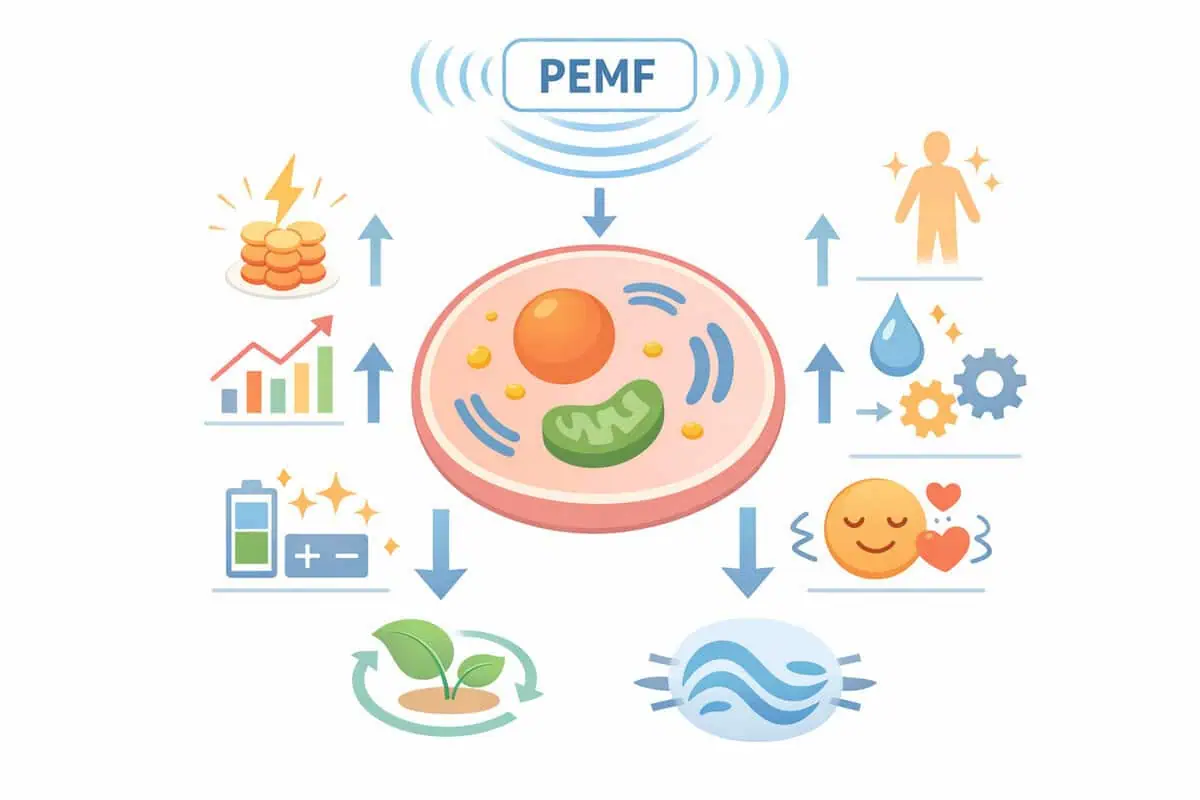
PEMF therapy involves the delivery of low-frequency electromagnetic pulses that interact with tissues primarily through electrical signaling and ion exchange processes. These interactions are thought to influence cellular communication, circulation dynamics, and neuromuscular signaling patterns.
In practical terms, PEMF devices introduce changing electromagnetic fields that can induce very small electrical effects in conductive tissues. In wellness education, this is often described as “supporting cellular signaling,” but it’s important to keep expectations realistic: the body’s physiology is complex, and the effects of any one stimulus depend on dosage, context, and individual variability.
From a conservative standpoint, the goal is not to maximize exposure. The goal is to use a predictable, moderate routine that allows a person to monitor for unexpected reactions (such as unusual sensations, discomfort, or symptom flare-ups that warrant stopping and seeking guidance).
Because electromagnetic fields interact with electrically active tissues, certain populations may require additional caution. For example, implanted medical devices, developing fetal tissues, or neurological conditions may alter how electromagnetic exposure should be approached.
Major medical organizations generally emphasize a conservative approach when evaluating electromagnetic therapies. Reviews indexed in PubMed highlight that PEMF research often focuses on carefully controlled clinical environments, which may not directly translate to consumer home devices.
This is why responsible wellness education typically emphasizes:
- Conservative usage routines
- Clear contraindications
- Awareness of implanted electronics
- Consultation with healthcare professionals when necessary
If you want to review general risk language and common contraindication categories in one place, you can also reference the site’s safety overview at PEMF therapy safety, risks, and contraindications.
PEMF Therapy and Implanted Medical Devices

One of the most widely discussed safety considerations involves individuals with implanted medical electronics. Devices such as pacemakers, defibrillators, neurostimulators, or insulin pumps rely on precise electrical signaling to function properly.
A helpful way to think about this is “priority of control.” Implanted devices are designed to maintain stable function inside the body. Any external electromagnetic exposure that could potentially disrupt communication, sensing, or timing is treated conservatively—especially around the implant location or lead pathways.
External electromagnetic fields have the potential to interfere with electronic devices under certain conditions. While low-intensity PEMF systems are designed for consumer wellness use, manufacturers commonly advise avoiding direct exposure near implanted electronics.
Because of these variables, generic “safe” statements aren’t appropriate. The conservative default is to treat implanted electronics as a medical clearance required category unless a clinician confirms otherwise and the implant manufacturer guidance supports it.
Organizations such as the Mayo Clinic frequently highlight electromagnetic interference as a general consideration for patients with implanted cardiac devices.
For individuals with implants, common recommendations include:
- Avoid placing PEMF applicators near the implant location
- Consult the implant manufacturer’s guidance
- Discuss electromagnetic exposure with a physician
- Use conservative session durations if approved
It can also be useful to broaden the “implant” category beyond pacemakers. People may have:
- Implanted pain stimulators or spinal cord stimulators
- Deep brain stimulation hardware
- Cochlear implants and hearing-related implants
- Implanted pumps or monitoring devices
Even when an implant is not in the chest, the same conservative principle applies: avoid direct placement near the device, follow manufacturer guidance, and prioritize professional clearance.
Because implant technologies vary significantly, individualized medical guidance is typically recommended before using any electromagnetic wellness device.
Pregnancy and PEMF Exposure
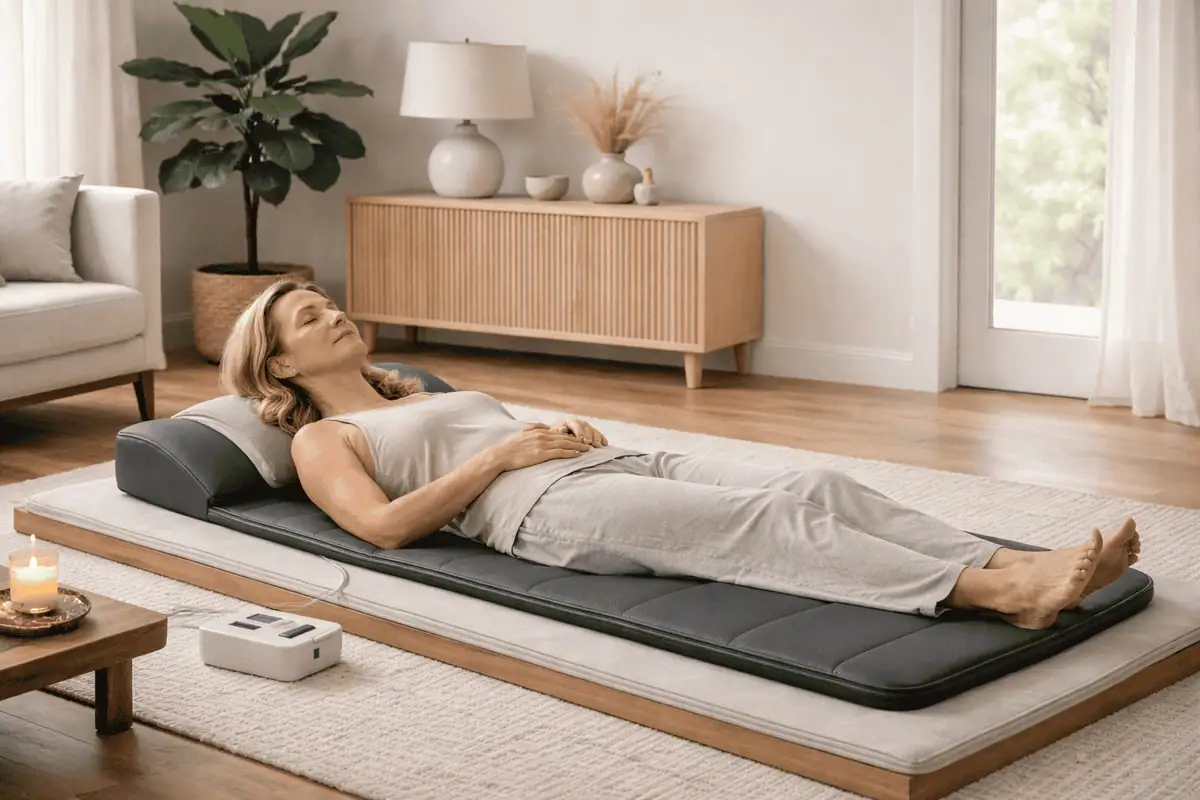
Pregnancy is another population where precaution is commonly advised. Scientific literature evaluating electromagnetic field exposure during pregnancy remains limited, particularly for consumer wellness devices.
A conservative frame here is “limited evidence + developing physiology = avoid unnecessary exposure.” This is not a statement that PEMF is known to be harmful in pregnancy; rather, it reflects that consumer wellness devices are not typically tested in pregnant populations at a level that would justify confident reassurance.
Because fetal tissues undergo rapid development, researchers often recommend avoiding unnecessary electromagnetic exposures unless specifically evaluated for safety. While some clinical PEMF applications have been studied in controlled settings, consumer devices have not been extensively researched in pregnant populations.
Public health agencies such as the National Institutes of Health (NIH) generally emphasize caution when evaluating emerging wellness technologies during pregnancy.
For this reason, many PEMF device manufacturers include precautionary language advising that pregnant individuals avoid use unless cleared by a healthcare professional.
If a clinician does provide clearance for any electromagnetic therapy during pregnancy, conservative safety education typically emphasizes:
- Using the lowest effective exposure settings recommended by the clinician
- Avoiding direct placement over the abdomen/pelvis unless explicitly advised
- Stopping immediately if unusual symptoms occur
- Maintaining clear documentation of device type and session parameters
PEMF Therapy Safety for Older Adults

Older adults often explore PEMF therapy as part of broader wellness routines focused on relaxation, mobility support, or general recovery. However, age-related health factors may influence how electromagnetic devices should be used.
In many households, the “older adult” category also overlaps with multiple medical variables at the same time—such as cardiac monitoring devices, blood pressure medications, neuropathy symptoms, sleep disruption, and prior surgeries. The more variables involved, the more conservative the rollout should be.
These factors may include:
- Implanted orthopedic hardware
- Cardiac pacemakers or monitoring devices
- Medication affecting nervous system signaling
- Circulatory conditions
Orthopedic implants (like joint replacements) are typically passive materials rather than electronics. Even so, conservative education avoids assumptions because some individuals may also have electronic components (or adjacent implants) and because comfort and positioning matter for safe use.
From a safety perspective, conservative usage patterns are generally recommended. Lower session durations and gradual exposure patterns allow individuals to observe how their bodies respond to electromagnetic stimulation.
For a broader overview of the physiological mechanisms involved, see our guide to PEMF therapy benefits and mechanisms.
PEMF Therapy and Chronic Health Conditions
Individuals managing chronic health conditions may be particularly interested in emerging wellness technologies. However, the relationship between PEMF exposure and complex medical conditions remains an active area of research.
A conservative way to approach chronic conditions is to separate “general wellness support” from “medical management.” PEMF devices may be used by some people as a comfort-oriented routine, but they should not replace diagnosis, monitoring, prescribed therapies, or clinician follow-up.
Studies indexed through PubMed suggest PEMF therapy may influence cellular signaling and circulation pathways, but findings vary depending on field strength, frequency, and treatment environment.
Because chronic conditions often involve multiple physiological systems, it is generally recommended that individuals discuss electromagnetic therapies with qualified healthcare professionals before incorporating them into wellness routines.
This is especially important for conditions involving:
- Neurological disorders
- Cardiovascular disease
- Active cancer treatment
- Severe inflammatory conditions
In practical terms, if someone has a chronic condition and still wants to explore PEMF as a wellness tool, conservative education typically recommends:
- Starting with short, low-intensity sessions if the device allows adjustment
- Introducing only one new variable at a time (avoid stacking multiple new therapies simultaneously)
- Tracking subjective responses (sleep quality, relaxation, comfort) without assuming causation
- Stopping and seeking guidance if symptoms worsen or new symptoms appear
Nervous System Sensitivity and Electromagnetic Exposure

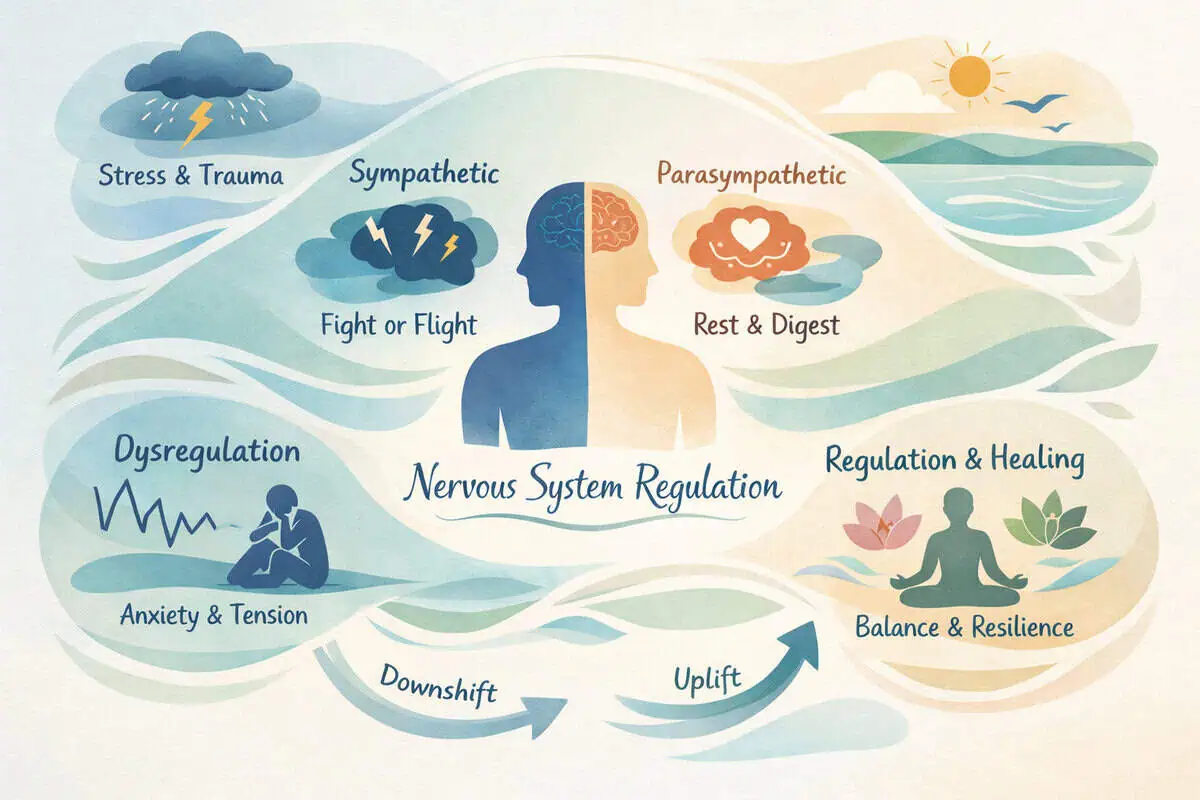
Because PEMF therapy interacts with electrically active tissues, the nervous system is often central to safety discussions. Some individuals report heightened sensitivity to electromagnetic environments, although scientific understanding of this phenomenon remains limited.
In conservative wellness framing, “nervous system sensitivity” can mean a person is more reactive to stimulation in general—light, sound, temperature changes, caffeine, intense exercise, or new routines. PEMF is just one more input that could feel noticeable for certain individuals.
In wellness contexts, users sometimes describe sensations such as:
- Subtle pulsing or warmth
- Deep relaxation
- Temporary fatigue after sessions
It can also be normal for a person to notice no sensation at all, especially at lower intensities. A lack of sensation does not automatically mean the device is ineffective, and a strong sensation does not automatically mean the device is “working better.” Sensation is not a reliable safety or efficacy marker.
These experiences are typically described in anecdotal reports rather than controlled clinical trials. Therefore, conservative introduction of PEMF routines is generally recommended, particularly for individuals who are sensitive to sensory stimulation.
Medication Considerations When Using PEMF Devices
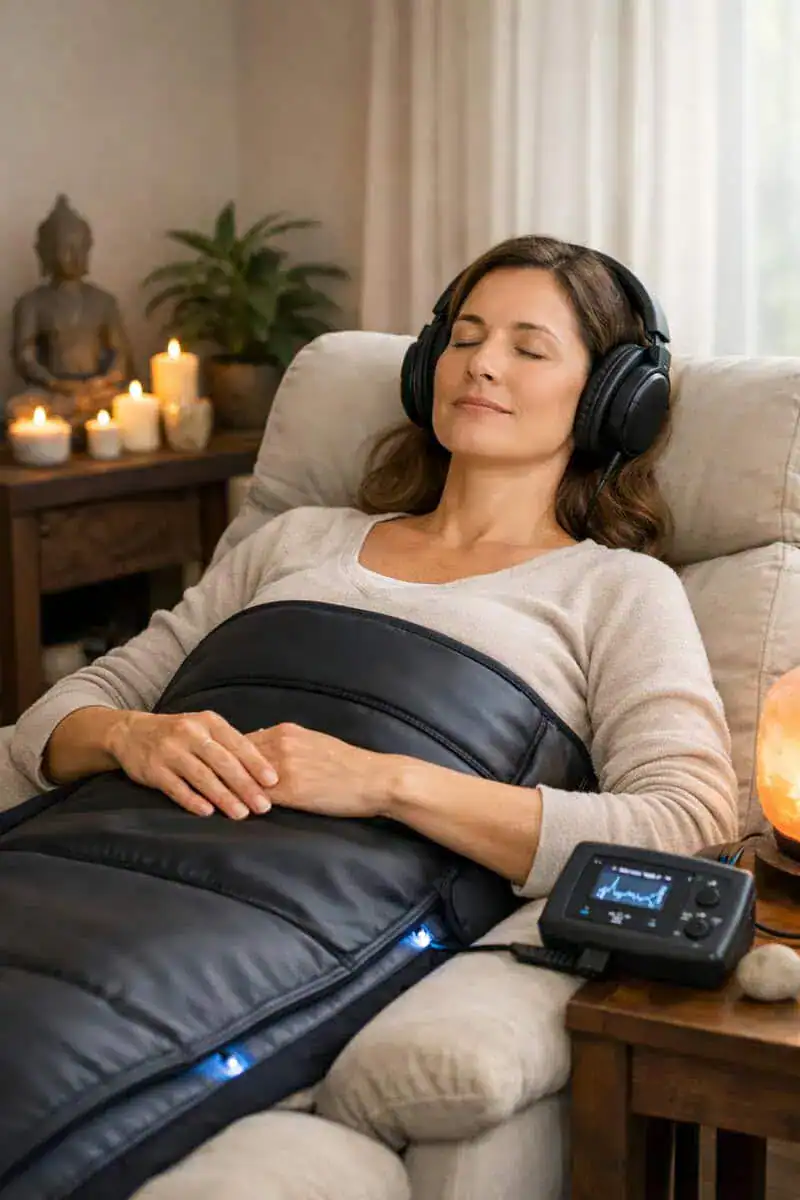
Certain medications influence nervous system signaling, cardiovascular function, or metabolic pathways. While PEMF devices do not directly interact with pharmaceuticals, changes in circulation or neural activity could theoretically influence how the body responds to medications.
In a conservative safety discussion, the key is not “drug interaction” in the classic sense, but response monitoring. If someone is newly adjusting medications (dosage changes, new prescriptions, tapering), it may be wise to avoid introducing additional variables until the medication routine is stable.
For individuals taking medications affecting:
- Blood pressure
- Cardiac rhythm
- Neurological signaling
- Pain modulation
It is generally advisable to introduce electromagnetic wellness devices gradually and under professional guidance.
Conservative PEMF Session Guidelines

Most consumer PEMF devices are designed for regular wellness routines rather than clinical interventions. Safety discussions therefore often emphasize conservative usage patterns rather than aggressive protocols.
A practical way to keep sessions conservative is to standardize a few elements:
- Same placement: start with one consistent placement area rather than moving the applicator around the body
- Same schedule: choose a regular time of day so sleep and energy changes are easier to interpret
- Same settings: avoid changing frequency “programs” every session during the first 1–2 weeks
This “standardization first” approach helps reduce noise. It also supports safer decision-making because if something feels off, you can more easily identify what changed and return to baseline.
Common introductory guidelines include:
- Short sessions (10–20 minutes initially)
- Gradual increases in session duration
- Observation of personal response
- Spacing sessions appropriately throughout the week
In many home-use routines, spacing sessions can be as important as session length. Some people prefer alternating days at first (e.g., 3–4 sessions per week) rather than daily use, especially if relaxation, sleepiness, or fatigue is noticed afterward. Conservative use prioritizes consistency and tolerance over intensity.
More detailed guidance is covered in our article on PEMF usage routines and educational guides.
Situations Where PEMF Use May Be Avoided
While consumer PEMF devices are generally marketed for wellness use, certain situations commonly appear in manufacturer precaution lists. These situations do not necessarily represent confirmed risks but are typically approached cautiously due to limited research.
It may help to think of these as “pause and verify” categories. If someone falls into one of these categories, the safest move is typically to pause, review the device manual, and seek clinician guidance before continuing.
Examples include:
- Pregnancy
- Implanted cardiac devices
- Active medical implants
- Recent surgical procedures
- Unstable medical conditions
Individuals with complex medical histories should consider professional guidance before beginning any new electromagnetic wellness routine.
Understanding the Limits of PEMF Research
A key aspect of safety discussions is recognizing the difference between controlled clinical research and consumer wellness devices. Clinical PEMF systems often operate under specific protocols in medical environments, which may not directly translate to home products.
Another limitation is that studies may focus on narrow populations or specific endpoints, while real-world home users often have mixed goals (relaxation, comfort, recovery routine, sleep support). A conservative interpretation avoids stretching research conclusions beyond what was actually tested.
Scientific reviews published through PubMed highlight that PEMF research varies widely depending on:
- Field intensity
- Frequency ranges
- Treatment duration
- Clinical objectives
Because of these differences, responsible educational resources emphasize cautious interpretation of research findings.
How to Evaluate PEMF Devices Safely
When considering a PEMF system for home use, safety education should include careful evaluation of device specifications and manufacturer guidelines.
From a consumer safety lens, it’s reasonable to prioritize devices that provide:
- Clear documentation for frequencies and session programs
- Time controls (so sessions end automatically)
- Transparent safety warnings and contraindications
- Practical customer support for setup and questions
Factors often reviewed include:
- Field intensity levels
- Frequency ranges
- Session timing controls
- Published safety guidance
Explore device categories (no-pressure)
If you’re evaluating home options, the Buyer’s Guide organizes device types and practical selection factors. See the PEMF Buyer’s Guide →
Our comprehensive PEMF Buyer’s Guide compares device categories and highlights factors that may influence purchasing decisions.
Conclusion: A Conservative Approach to PEMF Safety
Understanding PEMF therapy safety for specific populations helps ensure that wellness technologies are used responsibly and with realistic expectations. While many consumer PEMF systems are designed for general wellness routines, safety considerations may vary depending on medical history, implanted devices, or life stage.
A conservative approach typically involves reviewing manufacturer guidance, introducing sessions gradually, and seeking professional input when underlying medical conditions are present.
If you’re exploring PEMF systems for home use, our complete PEMF device buyer’s guide provides a detailed overview of device types, features, and evaluation criteria.
When in doubt, treat PEMF as optional and prioritize medical clearance for higher-risk categories such as pregnancy and implanted electronic devices.