Best PEMF Mats for Home Use
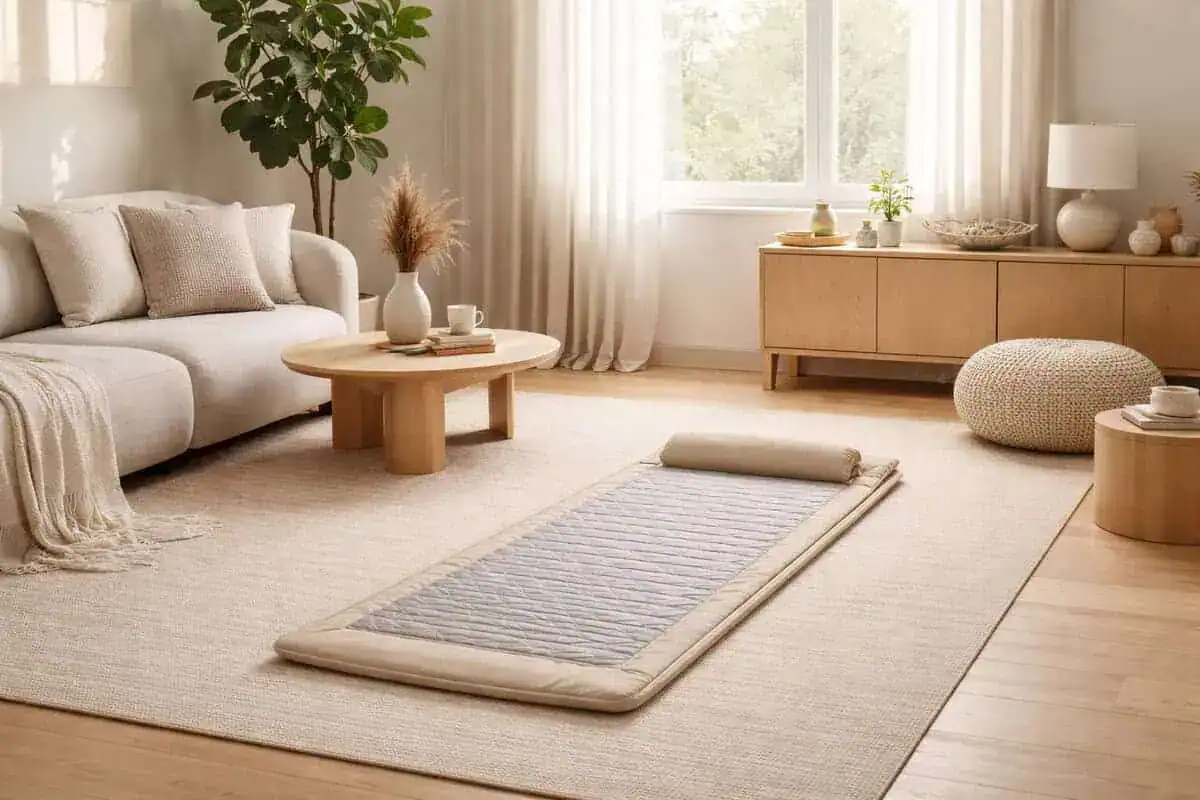
Interest in at-home pulsed electromagnetic field therapy has grown as more people look for structured, non-invasive wellness tools that fit into daily routines. This guide reviews the best PEMF mats for home use using conservative, physiology-aligned criteria.
Rather than framing PEMF as a treatment or cure, we focus on how full-body mats are designed, how they are typically used, and what research suggests about electromagnetic field interaction with biological systems.
For a broader comparison of devices and system types, see our Best PEMF Devices & Mats (2026 Buyer’s Guide).
Because PEMF terminology is often used inconsistently across marketing materials, this roundup emphasizes clear definitions (frequency, intensity, coil layout) and practical selection logic (space, usability, safety, and long-term ownership realities). The goal is not to promise outcomes, but to help you compare options in a way that is cautious, transparent, and compatible with responsible home use.
If you have a specific setup question (space constraints, device categories, or how to compare specs), you can reach us via Contact PEMF Sage.
What Defines a High-Quality PEMF Mat?

When evaluating the best PEMF mats for home use, key criteria include:
- Clearly stated frequency ranges (Hz)
- Transparent intensity parameters
- Full-body coil distribution
- Safety disclosures and contraindications
- Build quality and material durability
Research in PubMed-indexed studies suggests electromagnetic fields may influence cellular signaling and ion exchange under specific parameters, making accurate specifications important.
A practical way to interpret “quality” is to separate technical clarity from comfort and usability. A mat can be physically comfortable but still difficult to evaluate if the manufacturer does not describe basic operating parameters. Conversely, a system can list a wide range of specs but be frustrating to use consistently if controls are confusing, the mat is hard to store, or sessions feel disruptive to daily life.
In home wellness devices, consistency often matters more than intensity. For many people, the “best” mat is the one that can be used reliably (and safely) without creating friction. That makes factors like controller simplicity, preset programs, and setup time part of quality—because they affect whether a device becomes a stable routine or a forgotten purchase.
To keep comparisons conservative, you can evaluate a mat on four pillars:
- Parameter transparency: frequency ranges, pulse patterns, and intensity controls are described in plain terms.
- Coil design and coverage: coil layout supports full-body exposure instead of uneven hot spots of field concentration.
- Safety and labeling: clear contraindication guidance and appropriate warnings for implanted electronic devices.
- Ownership reliability: build materials, warranty clarity, and realistic maintenance expectations.
It can also help to think in terms of “specs that matter” versus “specs that sound impressive.” For example, frequency range (Hz) and the ability to control or select programs can be meaningful for consistency and comfort. In contrast, broad, undefined claims about performance are not useful for responsible decision-making.
Finally, when comparing mats, it is reasonable to request the same baseline information from every brand: frequency range, intensity adjustment method, coil layout description, and contraindication guidance. If a company cannot provide these basics, it becomes difficult to evaluate the device conservatively.
One additional quality signal is whether the manufacturer provides conservative, user-facing documentation that matches the technical claims: a clear quick-start guide, a plainly written contraindications list, and consistent terminology across the product page, manual, and controller labels. When those materials align, it becomes easier to use the mat in a repeatable way and avoid accidental overuse or unnecessary program switching. For cautious home buyers, that documentation consistency can be as important as any single specification.
Why Full-Body PEMF Mats Are Popular at Home
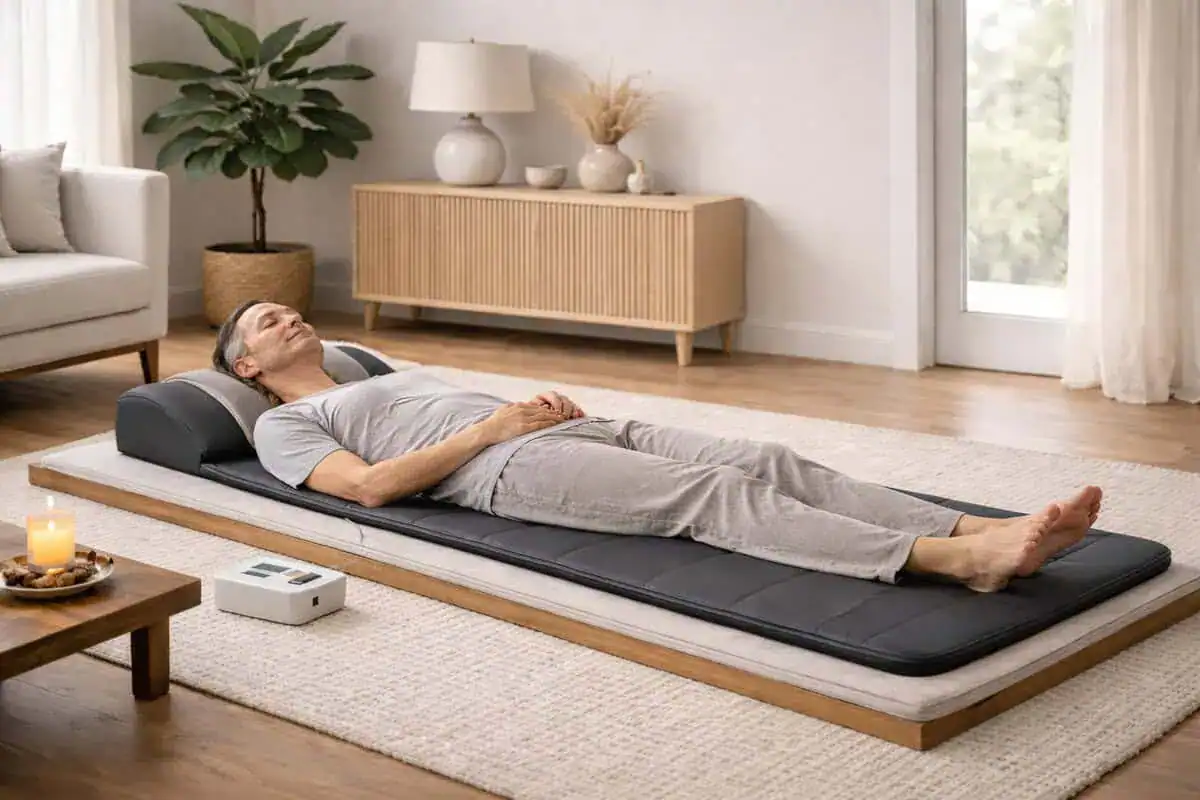
Full-body mats allow users to lie down and receive exposure across larger surface areas simultaneously. Typical home sessions range from 10–30 minutes, depending on device programming and comfort level.
Unlike localized applicators, mats are designed for generalized use, often marketed toward relaxation, recovery routines, and circulation support.
From a practical standpoint, mats fit the way many people already rest: lying down at the end of the day, taking a short break between work blocks, or pairing a calm routine with breathing, stretching, or light mobility. That “fit” matters because PEMF devices are often purchased with good intentions but used inconsistently if the routine is complicated.
Full-body mats may also reduce decision fatigue. Instead of choosing where to place an applicator, adjusting straps, or repositioning multiple times, many users prefer a simple start-to-finish session. That can support a more stable schedule—especially for households where multiple adults share the device.
Another reason mats are common for home use is space efficiency relative to coverage. A mat can often be rolled or stored, yet still provide full-length exposure when laid out. For home buyers, that balance—coverage when in use, minimal footprint when stored—can be more important than advanced features.
In conservative terms, it is helpful to think of a mat as a routine device rather than a “performance tool.” Even when research explores mechanisms like circulation signaling or cellular communication pathways, at-home use is usually framed around comfort, consistency, and cautious progression—rather than chasing stronger settings or longer sessions.
Featured Option: PEMF Supply Full-Body Mat
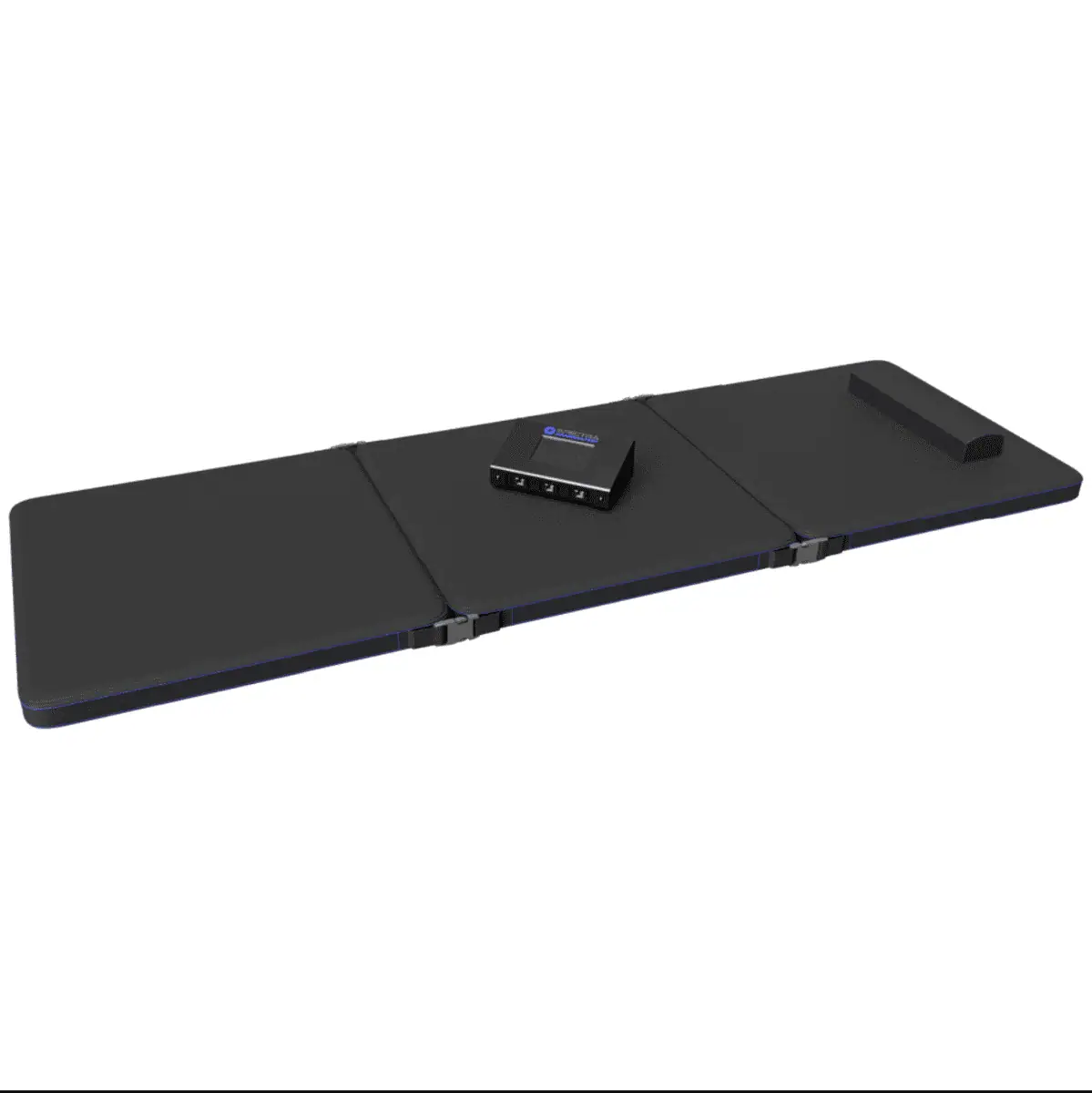
PEMF Supply offers a full-body mat designed for structured home use. The system provides programmable frequencies and adjustable intensity settings appropriate for wellness-oriented routines.
PEMF Supply Exclusive Offer
Save 10% with code PEMFSAGE10 and receive free shipping. View PEMF Supply Mat →
When a mat includes adjustable intensity and programmable sessions, the practical advantage is the ability to match exposure to comfort and routine. For many households, the goal is not maximum settings, but a repeatable session that can be done consistently without disruption.
If you are comparing mats across multiple brands, a conservative approach is to focus on how well the device supports a stable schedule:
- Session simplicity: can you start a session quickly without navigating complex menus?
- Progression options: can you begin at lower settings and adjust gradually based on tolerance?
- Shared use: can different users in the home select programs without confusion?
- Documentation clarity: is there straightforward guidance on contraindications and safe use?
Because PEMF is a device category with varied terminology, a reliable decision process is to treat claims as secondary and treat controls, consistency, and safety guidance as primary. This aligns with PEMF Sage’s broader philosophy of cautious comparison.
For category-level comparisons beyond mats—such as localized applicators and full systems—review the device framework in our Best PEMF Devices & Mats (2026 Buyer’s Guide).
Safety Considerations for Home PEMF Mats
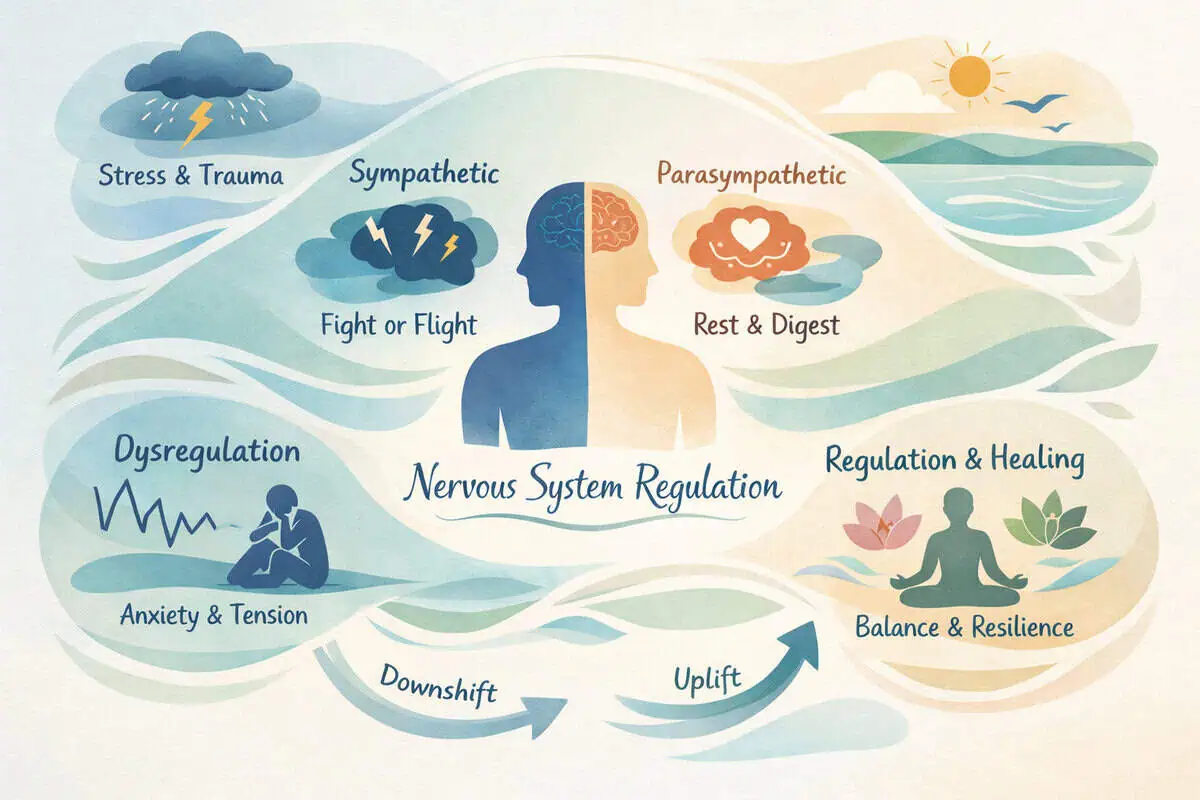
According to institutions such as the Mayo Clinic, electromagnetic therapies should be approached cautiously in individuals with implanted electronic devices.
For a full review of contraindications and safety considerations, see our PEMF Therapy Safety page.
For home users, “safety” is not only about contraindications. It also includes basic operational habits: using equipment on stable surfaces, avoiding damaged cords, keeping controllers away from water sources, and following manufacturer guidance around session duration and positioning.
A conservative screening checklist before purchase can include:
- Implanted electronic devices: pacemakers, defibrillators, neurostimulators, insulin pumps, or other implanted electronics may require strict avoidance or medical guidance.
- Pregnancy and special populations: many device categories recommend extra caution; users should seek clinical guidance before use.
- Seizure disorders or neurologic sensitivity: cautious approaches and professional input may be appropriate, depending on individual history.
- Recent surgery or acute injury: avoid self-directed assumptions; consult a clinician for personalized advice.
Even when people feel well, PEMF sessions can be perceived as subtle pulsing or a general sense of relaxation. If a session feels uncomfortable, the conservative choice is to reduce intensity, shorten duration, or discontinue and seek professional guidance.
Finally, if multiple family members will use the mat, it is useful to keep a household policy: one person sets default programs and intensity boundaries, everyone follows the same conservative progression, and contraindication guidance is reviewed in advance. This helps reduce “informal experimentation” that can lead to poor compliance or unnecessary risk.
Understanding Frequencies & Intensity Settings

Frequency ranges in home mats often span from very low Hz levels to higher programmed pulses. Published literature discusses how low-frequency pulsed fields may interact with ion channels and membrane potential dynamics.
See our foundational overview on PEMF therapy benefits for additional context.
Because “frequency” can be used loosely in marketing, it helps to define it simply: frequency is the rate at which pulses occur, typically expressed in Hz (pulses per second). Different programs may cycle through frequencies or use steady pulses, depending on the system’s design.
Intensity is often described as the “strength” of exposure, but brands may express it in different ways. For consumers, the practical question is not which unit is used, but whether the system offers:
- Predictable adjustment: steps or levels that can be changed gradually.
- Comfort-oriented ramping: the ability to start low and increase slowly.
- Clear boundaries: recommended ranges for typical home sessions.
A conservative home routine usually favors starting with lower settings and shorter sessions. This approach prioritizes tolerance and consistency over intensity. It also reduces the risk of interpreting normal sensations (warmth from the environment, mild pulsing, or relaxation) as “proof” of a specific physiological outcome.
It can also be useful to separate what a device can do from what a user should do. A mat may offer many programs and higher intensity ranges, but responsible use is typically built around comfortable, repeatable exposure that does not disrupt sleep, work, or recovery routines.
If you want a deeper “spec literacy” approach, compare device types and how they describe parameters in our Buyer’s Guide. That page is designed to help you interpret terminology without relying on hype or exaggerated claims.
Build Quality, Materials & Comfort
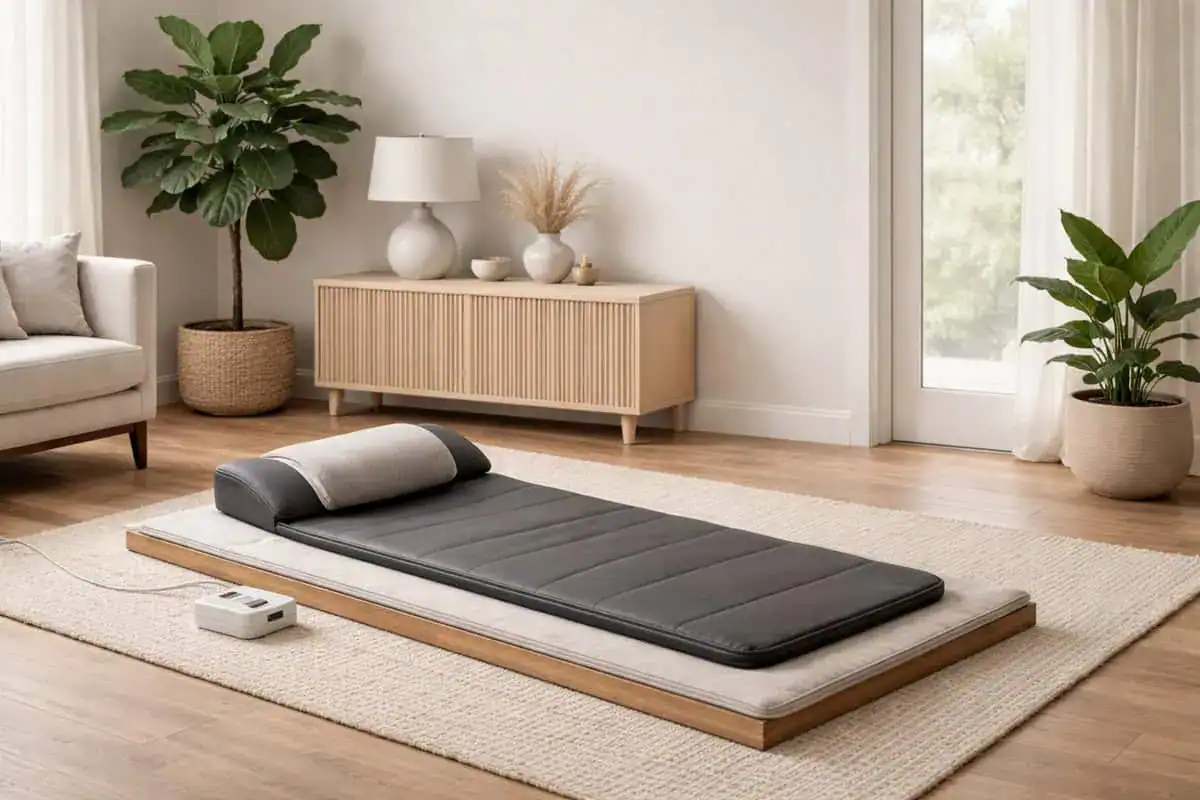
High-quality PEMF mats use layered coil systems and reinforced stitching. Comfort matters for consistent use, especially if sessions are part of a daily routine.
For home users, comfort is not a luxury feature—it is often the main driver of adherence. If a mat feels overly firm, difficult to position, or irritating against the skin, sessions may become sporadic. That can reduce the value of the purchase, regardless of how sophisticated the controller or program list may be.
Build quality considerations that matter in day-to-day ownership include:
- Seam and edge durability: areas that bend repeatedly during rolling and storage can be stress points.
- Controller and cable resilience: connectors should feel stable, and cables should not kink easily.
- Surface materials: an exterior that can be wiped down supports consistent hygiene without complicated care routines.
- Thickness and support: some users prefer a mat used on a bed, others on the floor with a yoga mat or thin pad underneath.
Portability and storage also matter. A “home” mat may still need to be moved between rooms, stored under a bed, or rolled into a closet. If storage is inconvenient, usage tends to decline over time. As a conservative buying principle, choose a mat that matches how your home actually functions, not how you imagine you will use it on a perfect day.
If odor sensitivity or material sensitivity is a concern, a cautious approach is to verify material disclosures and follow manufacturer guidance for airing out the mat in a well-ventilated space before first use. Comfort and safety decisions should always be made conservatively and without assumptions about outcomes.
Microcirculation & Circulatory Signaling Context

Some studies indexed in NIH resources explore electromagnetic field effects on microcirculatory patterns. These discussions are typically framed in physiological rather than clinical outcome terms.
In conservative framing, “microcirculation” is best understood as the small-vessel circulation that supports tissue-level exchange. Research discussions in this area may involve signaling pathways, local blood flow patterns, or endothelial responses under specific experimental conditions.
For home users, the important takeaway is not to equate “circulation discussion” with a promised result. Instead, it can help explain why some people view PEMF as a relaxation or recovery-adjacent routine: it is often discussed in the context of physiological signaling rather than immediate, guaranteed changes.
Integrating PEMF Mats into Recovery Routines
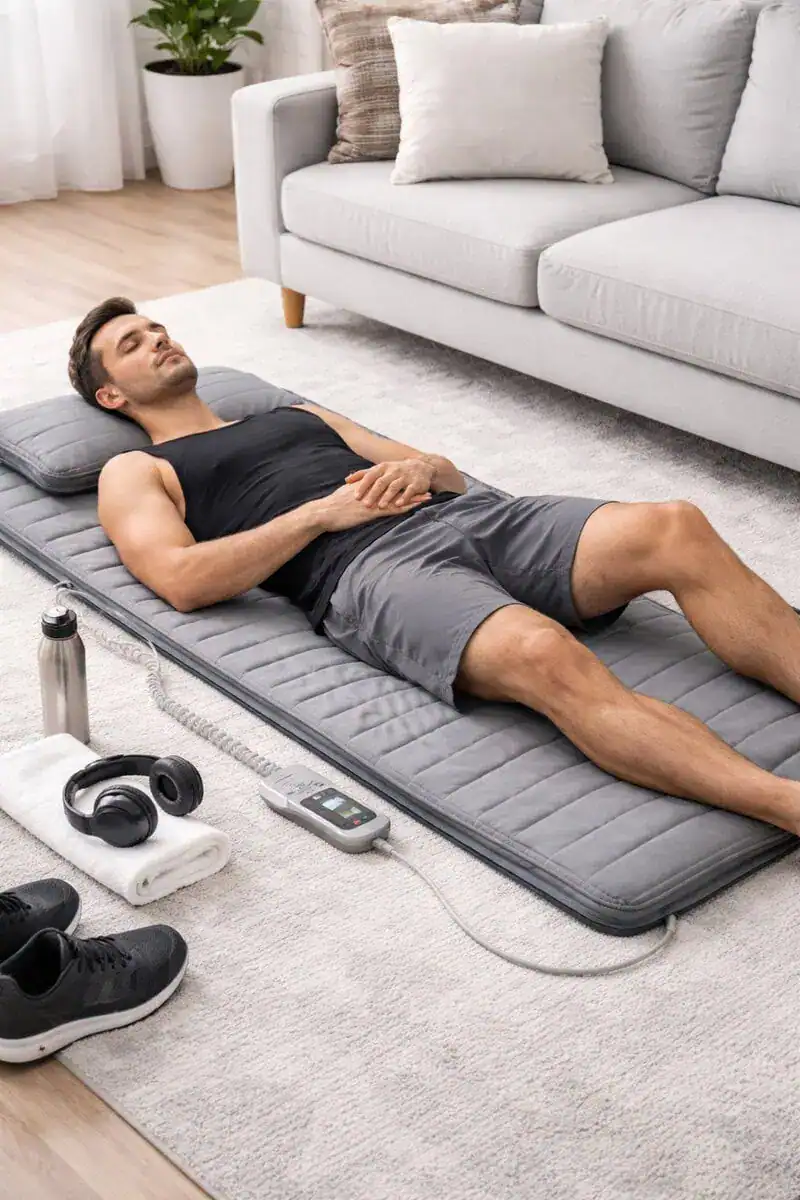
Many users incorporate PEMF mats after workouts or during evening wind-down periods. While research continues, some literature suggests potential support for muscle recovery signaling pathways.
A realistic “home recovery” routine often looks simple: a short session after training, paired with hydration, nutrition, and adequate sleep. In that context, a PEMF mat may be treated as a structured rest period rather than a stand-alone solution. This is a conservative way to integrate the device without over-attributing outcomes to one tool.
If you are building a consistent schedule, consider choosing one stable time window and protecting it:
- Post-training routine: 10–20 minutes while stretching lightly or doing relaxed breathing.
- Midday reset: a brief session as a “downshift” between work blocks, especially for people who sit for long periods.
- Evening routine: a calm session that precedes reading or winding down, not a high-stimulation activity.
Ownership reality matters here. Many mats are purchased with strong early motivation, then gradually used less if the routine is not anchored. A conservative approach is to treat the first 2–4 weeks as a “habit installation” period:
- Keep session durations modest and predictable.
- Avoid frequent program switching that makes the routine feel complicated.
- Track only simple variables (time of day, duration, comfort level).
- Stop or reduce intensity if sessions feel disruptive rather than supportive.
Compliance also includes basic practicalities: do you have a consistent place to use the mat, a storage location that does not require effort, and a household agreement about who uses it when? These factors often determine long-term use more than any single technical feature.
If you are deciding between a mat and another device category, the safest comparison is to start with your use case: full-body relaxation routine versus targeted, localized placement. That high-level choice can be explored further in our Best PEMF Devices & Mats (2026 Buyer’s Guide).
Sleep Quality & Relaxation Context
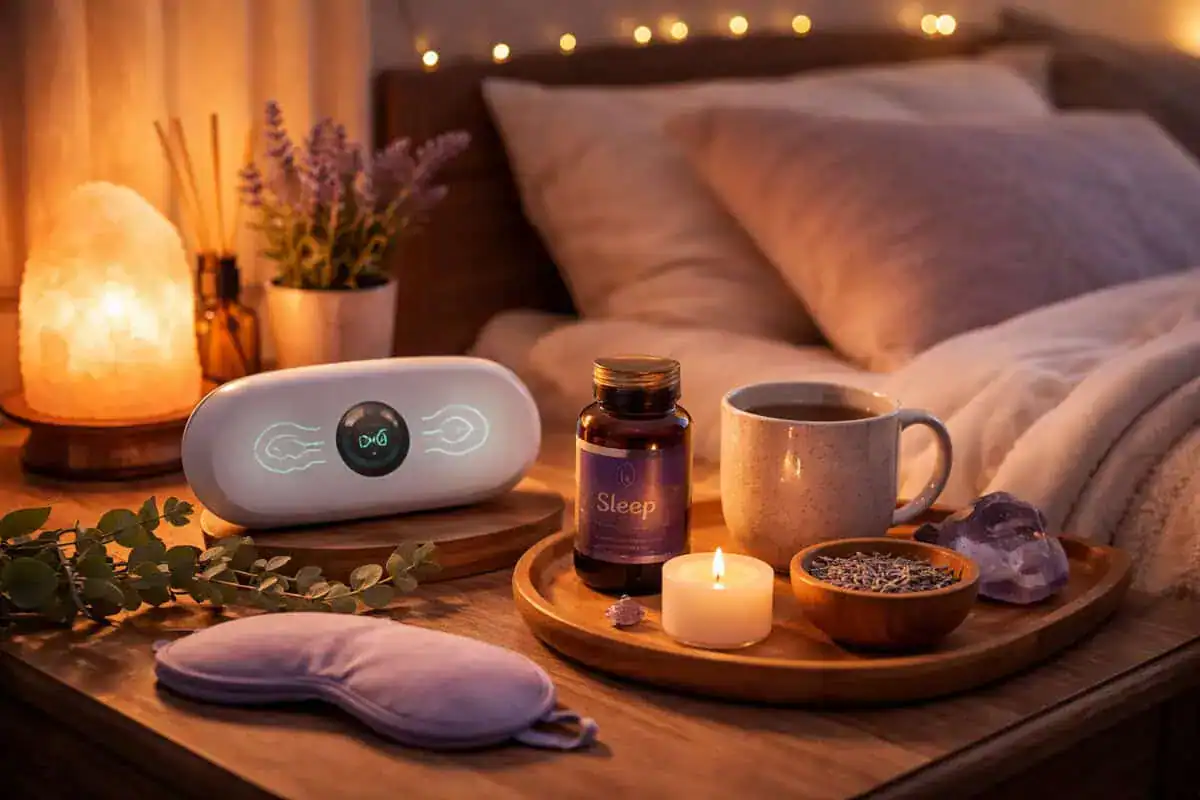
Relaxation-focused sessions are common. While PEMF is not a sleep treatment, some users report subjective relaxation effects. For foundational reading, see our Blog index for deeper exploration.
For home users, a conservative way to integrate a mat into sleep-related routines is to treat it as a calming pre-sleep window, not a mechanism for forcing sleep. In practice, that means pairing the session with lower stimulation: dim lighting, reduced screen exposure, and a consistent end time that does not push bedtime later.
If you want to evaluate whether the routine is supportive, track only neutral, low-stakes indicators:
- Whether you feel more relaxed at the end of the session.
- Whether the session makes it easier to transition into your normal wind-down habits.
- Whether you notice any discomfort or stimulation that suggests intensity should be reduced.
If sleep feels worse or more disrupted, the conservative response is to adjust timing earlier in the evening, shorten sessions, or discontinue use and seek professional guidance for any persistent sleep concerns.
How Mats Compare to Other PEMF Devices
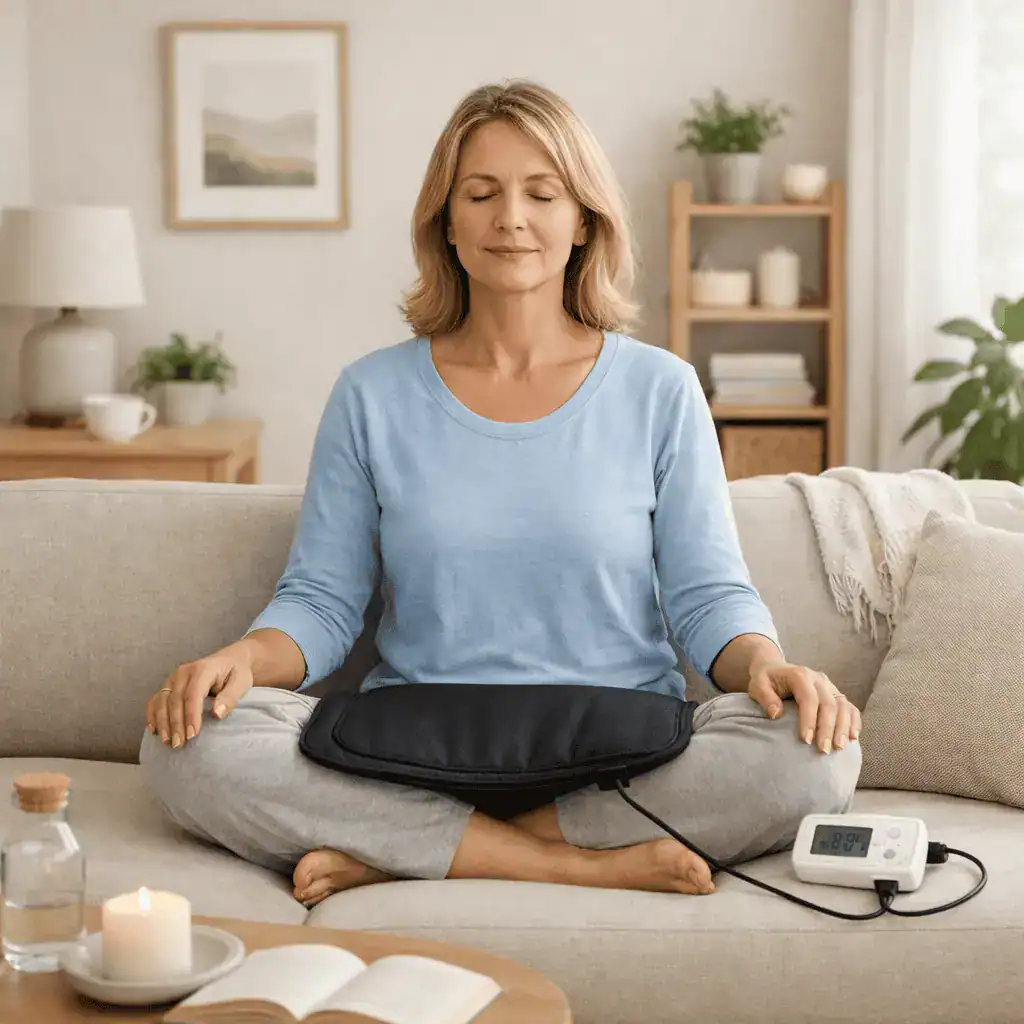
Mats differ from localized applicators and professional-grade systems in coverage and intensity design. For a full system-level comparison, refer to our Buyer’s Guide.
At a high level, the tradeoffs often look like this:
- Full-body mats: designed for broad coverage and routine-friendly use (lying down, consistent sessions).
- Localized applicators: designed for targeted placement, which can be helpful for people who prefer focused use but requires more decisions and positioning.
- Professional-grade systems: often higher cost and complexity, and may involve additional operational considerations for home ownership.
For many home users, the mat category wins on simplicity and adherence. However, the “best” category depends on whether your primary goal is a calm full-body routine or more targeted placement. If you are unsure, a conservative step is to clarify your primary use case first, then compare device categories second.
Who Might Consider a Home PEMF Mat?

Home PEMF mats are typically considered by adults seeking structured wellness routines. Individuals with medical implants or specific health conditions should consult healthcare professionals before use.
Beyond basic eligibility, it helps to identify whether a mat matches your lifestyle and expectations:
- You prefer low-friction routines: lying down for a predictable session is realistic for your day-to-day life.
- You value conservative use: you are comfortable starting with short sessions and focusing on consistency.
- You want shared household access: a mat can be used by more than one adult (assuming no contraindications), which can improve cost efficiency.
- You can support basic storage: you have a place to store the mat that does not create friction.
A home mat may be a poor fit if you cannot consistently allocate even a short time window, if your home environment makes setup stressful, or if contraindications apply. In those cases, it may be better to delay purchase, review device categories in the Buyer’s Guide, or reach out through Contact PEMF Sage with a specific comparison question.
Final Thoughts on the Best PEMF Mats for Home Use
The best PEMF mats for home use combine transparent technical specifications, consistent build quality, and conservative safety guidance. While research continues to evolve, well-designed mats may support structured wellness routines when used responsibly.
To compare additional device types and system categories, visit our Best PEMF Devices & Mats Buyer’s Guide.
If you are unsure how to interpret specifications or contraindications for your situation, it is reasonable to consult a qualified healthcare professional before starting home use.