PEMF Therapy for Anxiety: What’s Supported

PEMF therapy for anxiety is increasingly discussed in the context of nervous system balance and stress regulation. As more individuals explore non-pharmacologic wellness tools, pulsed electromagnetic field therapy has become part of broader conversations about relaxation, physiological resilience, and autonomic support.
This guide explains what current research suggests, where evidence remains limited, and how PEMF may interact with stress-related pathways — without overstating outcomes or replacing appropriate medical care.
Understanding Anxiety from a Physiological Perspective
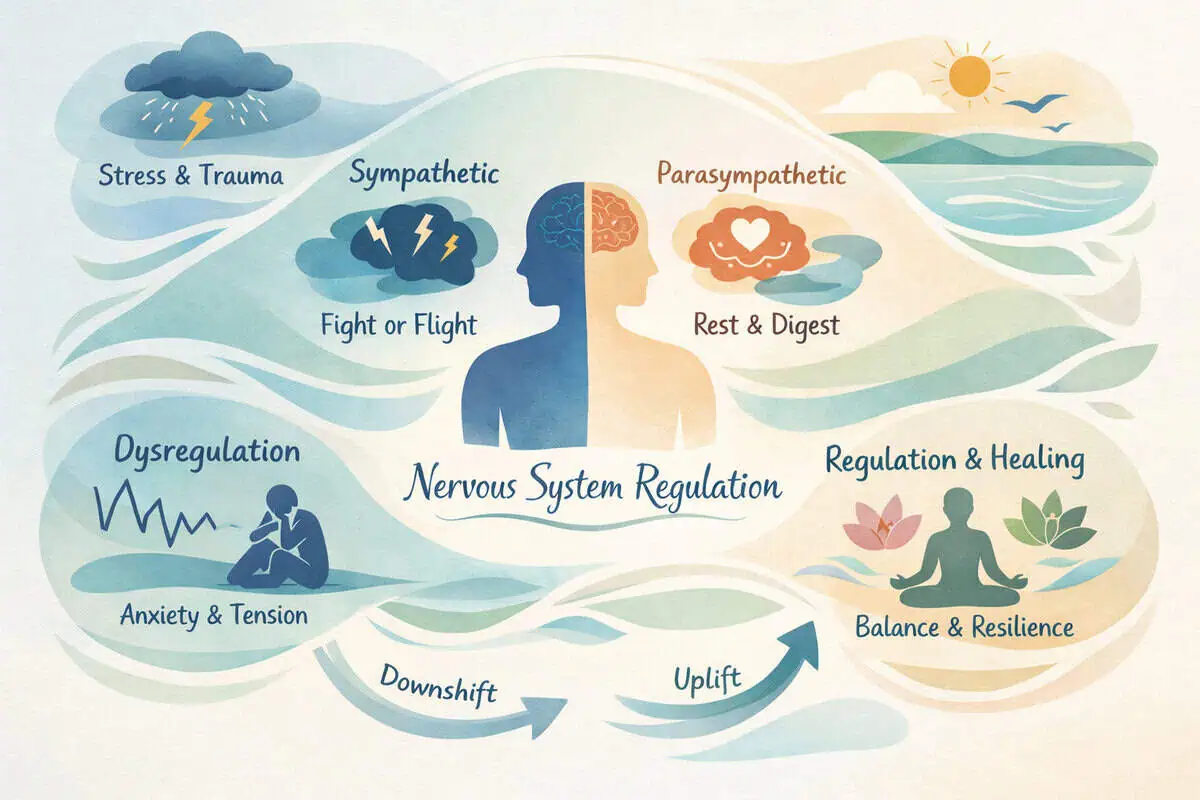
Anxiety is not simply a psychological experience; it is also a physiological state involving the autonomic nervous system, stress hormones, and signaling pathways. The body’s “fight-or-flight” response is largely mediated by sympathetic nervous system activation.
According to the Cleveland Clinic, stress and anxiety responses involve elevated heart rate, increased cortisol release, and heightened vigilance. While adaptive in short bursts, chronic activation may contribute to persistent tension and dysregulation.
PEMF therapy does not directly “treat” anxiety. Instead, research explores whether low-frequency electromagnetic fields may influence cellular signaling and autonomic balance in ways that support relaxation responses.
From a conservative physiology standpoint, it can be useful to separate three layers that often travel together in real life:
- Subjective experience: worry, unease, rumination, anticipatory fear
- Autonomic activation: faster heart rate, shallow breathing, muscle tension, “on edge” arousal
- Stress signaling: cortisol and catecholamine dynamics, inflammatory and metabolic shifts that can accompany chronic stress
When people explore non-pharmacologic tools, they are often trying to influence the middle layer — the body’s arousal state — because it can amplify how “big” anxious thoughts feel and how easily they persist. In that framing, a wellness tool is not expected to remove life stressors; it is expected to support a more regulated baseline so that existing coping strategies work better.
An additional factor is interoception — the brain’s interpretation of internal body signals (heartbeat, breathing, gut sensations). For some individuals, heightened sensitivity to these signals can reinforce anxiety loops. Interventions that support steadier breathing and calmer body sensations may be relevant to this pathway, even when the primary goal is simply relaxation.
How PEMF Interacts with the Nervous System
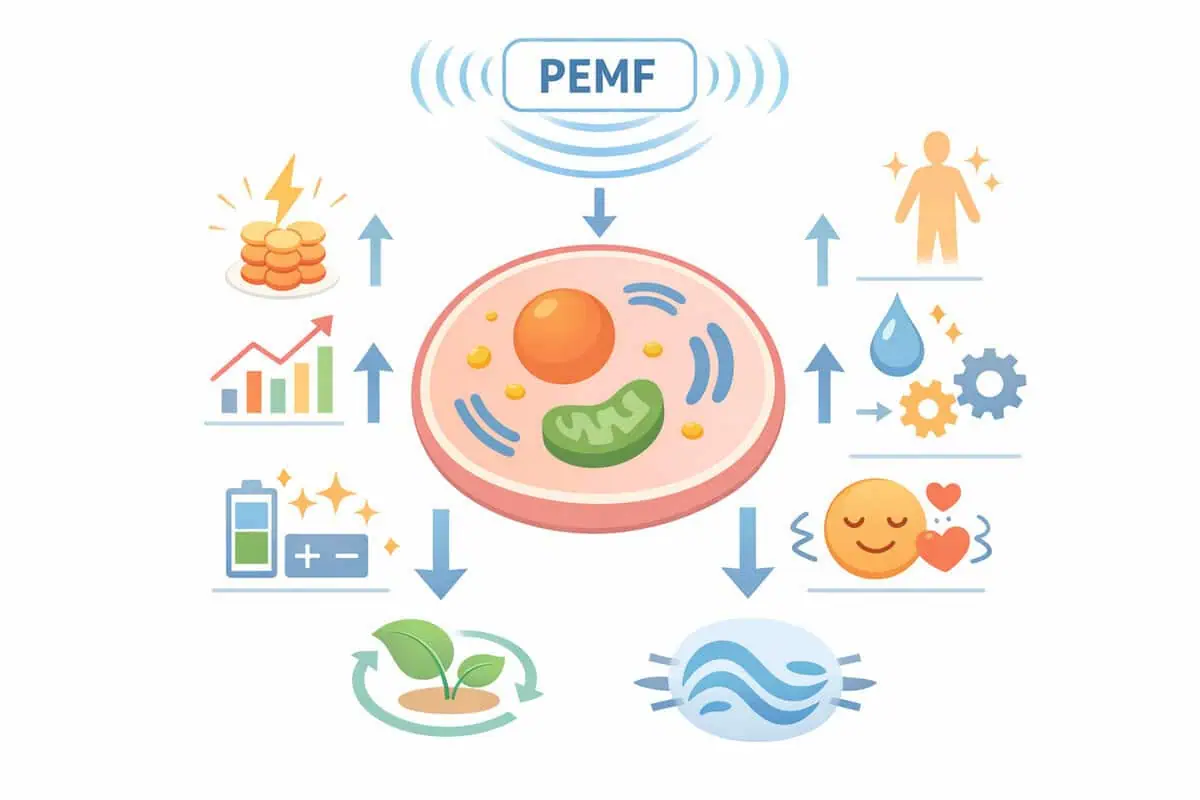
PEMF therapy delivers low-frequency electromagnetic pulses that interact with electrically active tissues. Nerve cells communicate through electrochemical signaling, making them sensitive to changes in membrane potential and ion exchange.
Preclinical studies indexed on PubMed suggest that specific PEMF parameters may influence ion channel activity and neurotransmitter regulation. These mechanisms are being studied in relation to stress signaling, though results vary depending on frequency, intensity, and exposure duration.
Rather than targeting anxiety directly, PEMF may support broader nervous system modulation — particularly by influencing parasympathetic activity associated with rest and recovery.
At a practical level, PEMF systems used for home wellness typically deliver pulses in ranges that overlap with what’s studied for musculoskeletal comfort and recovery. Translating that to stress support requires restraint because the nervous system is complex and outcomes depend on context. Still, several physiological concepts are often discussed in the research literature:
- Membrane potential and excitability: electromagnetic inputs may influence how cells maintain electrical gradients, which can affect signaling thresholds.
- Ion exchange and channel behavior: calcium, sodium, and potassium channels are central to neural and muscular signaling, and are a common focus of mechanistic hypotheses.
- Neurovascular coupling: brain and peripheral nervous system function is supported by blood flow; microcirculatory effects are sometimes evaluated as a secondary pathway.
A conservative takeaway is that PEMF is being investigated as a form of biophysical input — not medication, not psychotherapy — that may influence the conditions under which the nervous system settles. That influence, if present, is expected to be modest and dependent on consistent routines rather than a single session.
It’s also important to recognize that PEMF devices vary in how they generate fields (coil design, waveform shape, pulse duration). Those differences are one reason results in the literature can be difficult to compare. When a study reports an effect, it often applies only to that specific protocol.
Autonomic Balance and Parasympathetic Activation
The autonomic nervous system includes two major branches:
- Sympathetic (fight-or-flight)
- Parasympathetic (rest-and-digest)
Wellness-oriented PEMF devices are often used during quiet rest, breathing exercises, or evening wind-down routines. Users commonly describe subtle pulsing sensations or a general sense of calm.
Some small clinical studies have explored whether PEMF exposure may support heart rate variability (HRV), a marker associated with autonomic flexibility. While promising, findings remain preliminary and should be interpreted conservatively.
In real-world use, the “autonomic” question often becomes: does a session make it easier to shift from a stimulated state to a calmer one? For some people, the most noticeable difference is not emotional content but body tone — reduced jaw/shoulder tension, steadier breathing, and fewer “startle” sensations during quiet time.
If you track relaxation outcomes, it may help to focus on measurable or observable markers rather than broad claims:
- Time to settle into comfortable stillness (minutes)
- Breathing depth and pace during rest
- Muscle tension at bedtime or after work
- Ability to transition from work mode into evening routine
HRV is sometimes discussed as a proxy for autonomic balance, but it is influenced by many factors (sleep quality, hydration, alcohol, training load, illness). If someone uses HRV tracking, it should be interpreted as a trend rather than a single-night verdict.
A conservative routine design is to pair PEMF sessions with parasympathetic cues that already have evidence for calming effects, such as slow nasal breathing or progressive muscle relaxation. In that context, PEMF is treated as an adjunct to an already reasonable wind-down process rather than the core intervention.
Brainwave Research and Electromagnetic Fields

Research into electromagnetic fields and brain activity has examined how low-intensity stimulation may influence neural oscillations. Certain frequency ranges are associated with relaxation states, including alpha and theta brainwave patterns.
Some exploratory trials have evaluated PEMF’s influence on mood-related outcomes, but large-scale randomized trials remain limited. The National Institutes of Health (NIH) emphasizes the need for rigorous methodology when evaluating non-invasive neuromodulation techniques.
Current evidence does not support PEMF as a standalone intervention for clinical anxiety disorders. It is best viewed as a complementary wellness tool.
When brainwave language is used in marketing, it can become overstated. A more cautious framing is that relaxation states often correlate with shifts in neural oscillatory patterns, but measuring and attributing those shifts to a specific wellness device requires carefully controlled research designs.
In practice, “brainwave support” claims should be treated as hypothesis-level unless supported by robust clinical evidence. A safer interpretation is:
- Quiet rest itself can promote relaxation-associated patterns.
- Tools that make rest easier may indirectly support these shifts.
- Direct entrainment or targeted mood change is not established for most consumer PEMF devices.
If you are comparing devices, it’s usually more reliable to evaluate the practical parameters (frequency range, intensity options, timer controls, comfort and usability) than to rely on brainwave-labeling alone.
Microcirculation and Stress Physiology

Stress can influence vascular tone and circulation. Some studies have examined PEMF’s potential effects on microcirculation and endothelial signaling.
Improved circulation does not equate to anxiety relief, but better oxygen and nutrient delivery may support overall tissue resilience. Research remains ongoing, and effects depend on device parameters and usage consistency.
For a broader overview of established physiological effects, see our science-backed overview of PEMF therapy benefits.
From a stress-physiology lens, microcirculation is relevant because chronic stress can be associated with shifts in vascular tone and muscle tension — particularly in the neck, shoulders, and jaw — that can feel physically “tight.” A tool that supports relaxation may indirectly influence these sensations, even if it does not directly change psychological stressors.
In research contexts, microcirculation is sometimes evaluated using measures such as skin blood flow or peripheral perfusion changes. These are not direct anxiety metrics, but they can provide insight into whether a biophysical stimulus influences vascular responses.
It’s also helpful to differentiate acute vs habitual effects. An acute session may create a temporary relaxation window, while consistent use (if helpful for a person) is more likely to influence perceived baseline tension over time. This is one reason many conservative protocols emphasize consistency and routine rather than “as needed” use.
What Clinical Studies Actually Show
Clinical data examining PEMF specifically for anxiety symptoms is limited and mixed. Some small trials suggest modest improvements in self-reported stress scores, while others show minimal change.
Importantly:
- Sample sizes are often small
- Protocols vary widely
- Outcome measures are inconsistent
This variability makes it difficult to draw firm conclusions. Conservative interpretation is essential.
When reviewing any study, it helps to check several “quality filters” before treating outcomes as meaningful:
- Population: Was the study on healthy volunteers, people with elevated stress, or clinically diagnosed anxiety?
- Controls: Was there a sham condition to reduce expectancy effects?
- Duration: Was it a single exposure, a short series, or a longer protocol?
- Outcomes: Were outcomes self-report only, or were there physiological markers tracked?
In the wellness space, self-reported calm or improved relaxation can be meaningful for an individual, but it is not the same as evidence for treating an anxiety disorder. For that reason, PEMF is best described as a potential supportive modality for stress regulation rather than a targeted therapy.
Realistic Expectations for Home Use

At-home PEMF users often incorporate sessions into relaxation routines:
- 10–30 minutes per session
- Low to moderate intensity settings
- Quiet, distraction-free environment
PEMF is typically used as part of a broader lifestyle approach that may include breathing exercises, sleep hygiene, and stress management strategies.
If you are evaluating device options, our 2026 Buyer’s Guide to PEMF devices explains differences in frequency range, waveform design, and build quality.
Safety Considerations and Contraindications
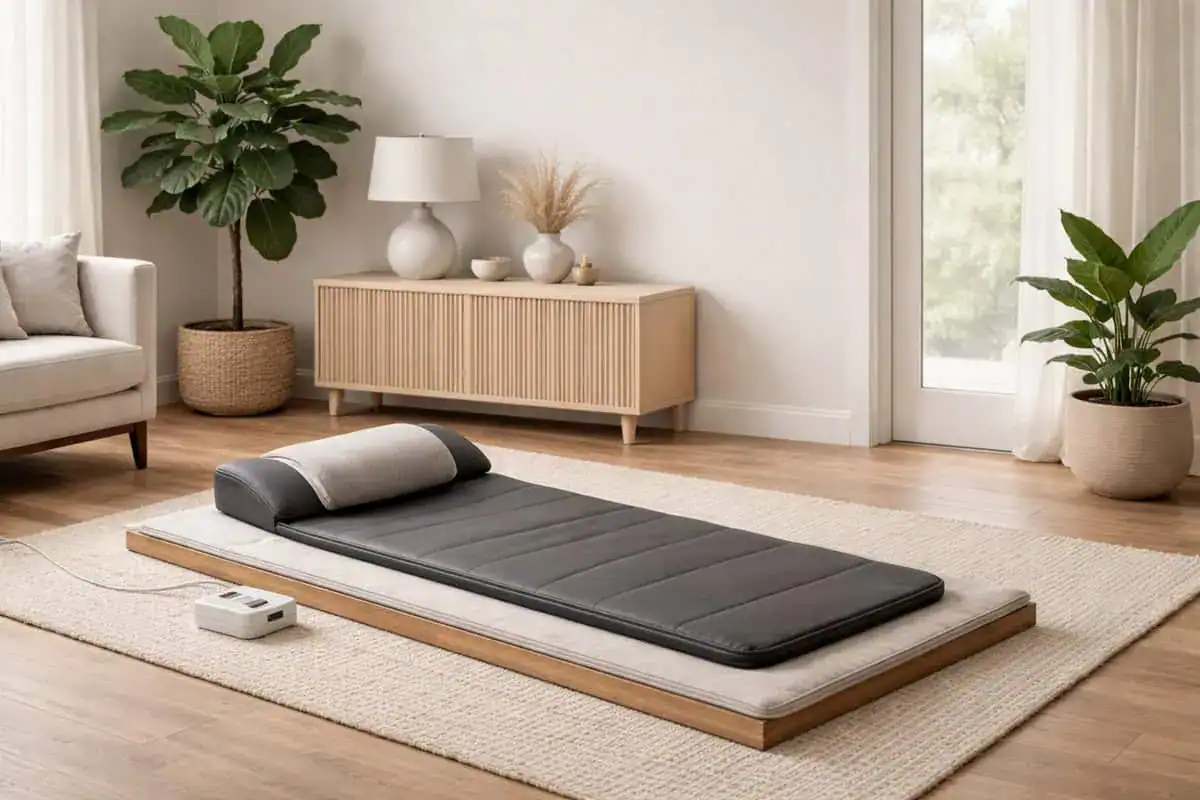
PEMF devices are generally well tolerated when used as directed. However, individuals with implanted electronic devices (such as pacemakers), those who are pregnant, or those with certain medical conditions should consult a qualified healthcare professional before use.
For a detailed review, visit our PEMF therapy safety and contraindications guide.
From an ownership perspective, “safety” also includes appropriate setup and expectations:
- Placement: keep control units and cords positioned to avoid tripping hazards; avoid compressing cables under heavy furniture.
- Session context: use during quiet rest; avoid use while driving or operating machinery if a session makes you drowsy.
- Sensitivity: some people report mild sensations such as warmth, tingling, or temporary fatigue; if uncomfortable, reduce intensity or shorten sessions.
Long-term use tends to be most practical when a device fits your space and routine. If a setup is complicated, it is less likely to be used consistently, which can be a key determinant of whether someone perceives benefit.
PEMF vs Established Anxiety Treatments

Established treatments for anxiety may include psychotherapy, cognitive behavioral therapy (CBT), medication, and structured lifestyle interventions. The Mayo Clinic outlines evidence-based approaches that remain first-line for clinical anxiety disorders.
PEMF should not replace medical care. At most, it may serve as an adjunct wellness practice for individuals seeking non-invasive support.
Who Might Consider PEMF as a Complement
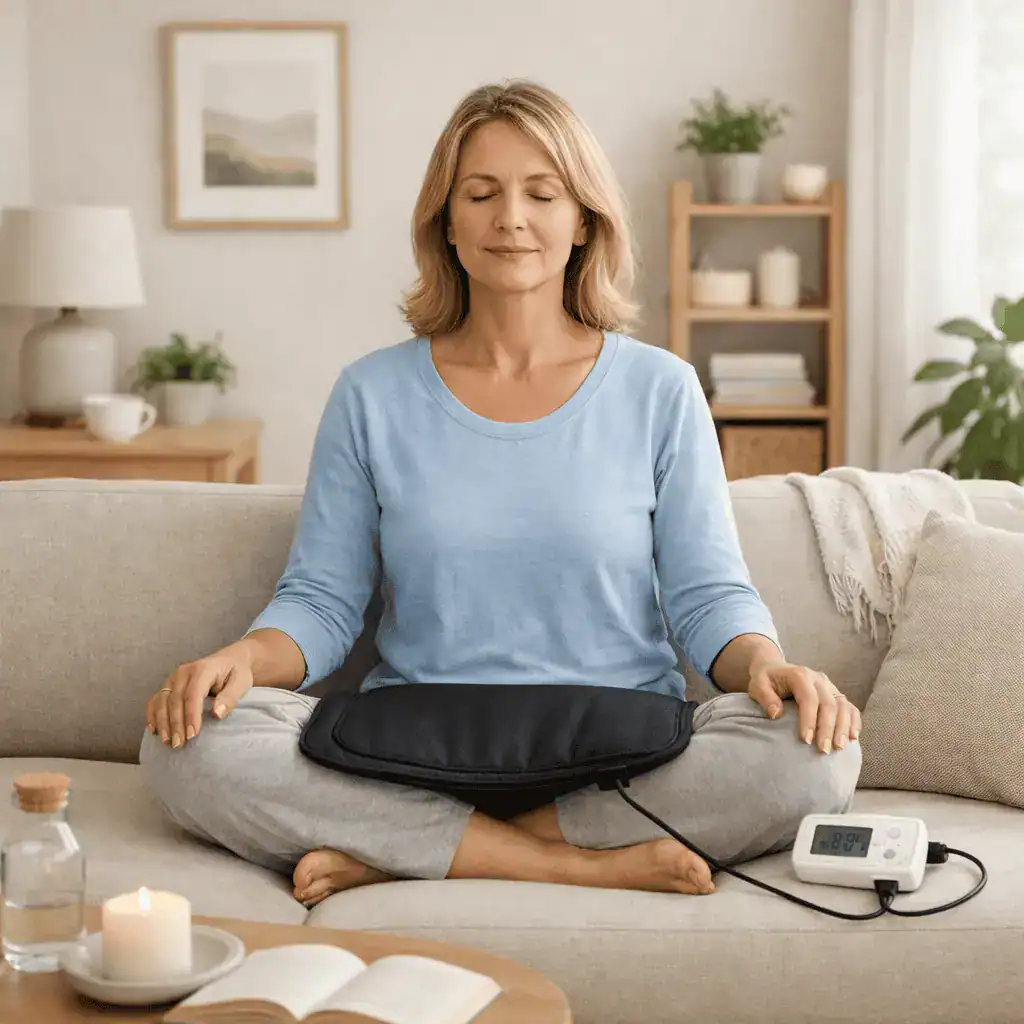
Individuals who may explore PEMF include:
- Those already engaged in structured stress-management routines
- People seeking non-invasive relaxation tools
- Individuals interested in nervous system regulation practices
PEMF is best viewed within a holistic framework rather than as a targeted anxiety intervention.
Research Gaps and Future Directions
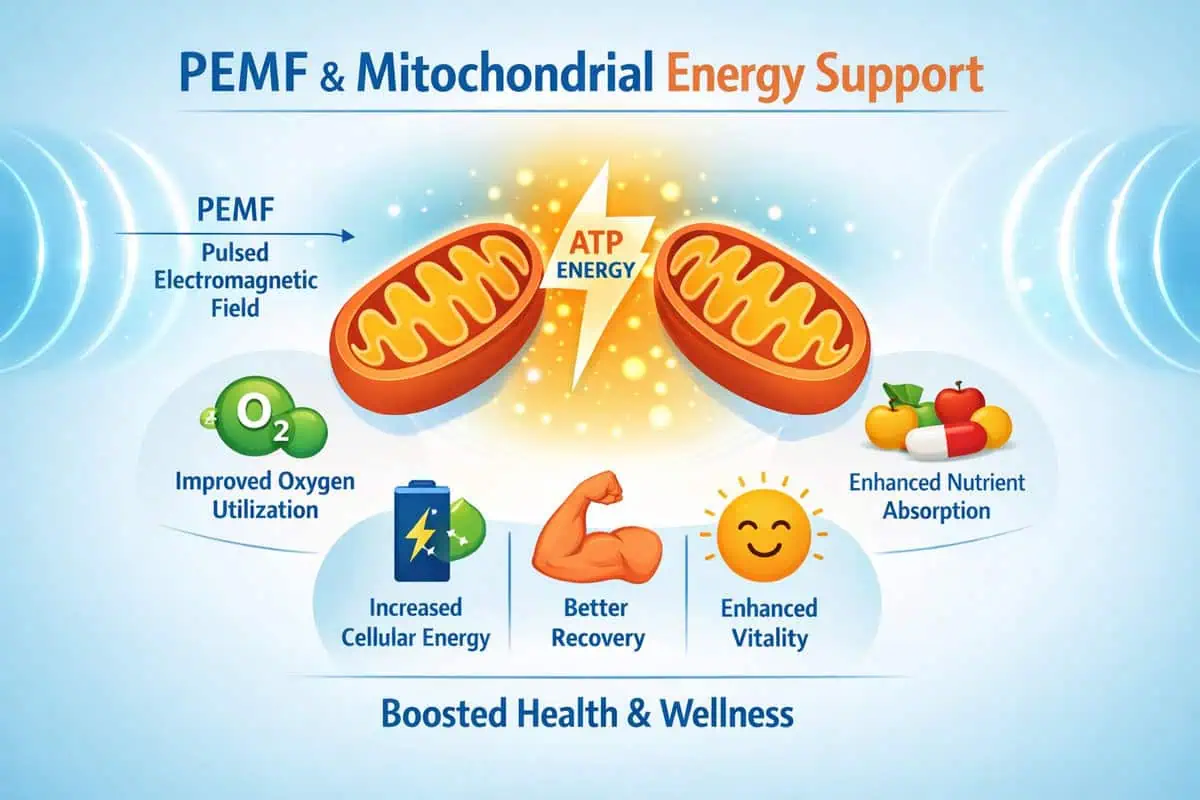
Key research gaps include:
- Standardized dosing protocols
- Larger randomized controlled trials
- Long-term outcome tracking
Future studies may clarify whether specific frequencies or exposure durations influence stress-related biomarkers more consistently.
You can explore additional educational articles in our PEMF Sage blog archive.
Conclusion: A Conservative View of PEMF Therapy for Anxiety
Current research does not position PEMF therapy as a treatment for anxiety disorders. However, emerging evidence suggests that low-frequency electromagnetic stimulation may interact with nervous system regulation and cellular signaling in ways that support relaxation.
If you are exploring PEMF devices as part of a broader wellness routine, review our comprehensive Best PEMF Devices & Mats (2026 Buyer’s Guide) to understand available options and evidence-informed considerations.