PEMF Therapy vs Other Electromagnetic Therapies

The phrase PEMF therapy vs other electromagnetic therapies often creates confusion. Many devices use some form of electrical or electromagnetic signal, yet their mechanisms, intensity, regulatory status, and research support can differ substantially.
This guide provides a conservative, evidence-aligned overview of how pulsed electromagnetic field (PEMF) therapy compares to other commonly discussed modalities. We focus on physiology, signal characteristics, and typical use environments—without making medical claims or overstating outcomes.
What PEMF Therapy Actually Is
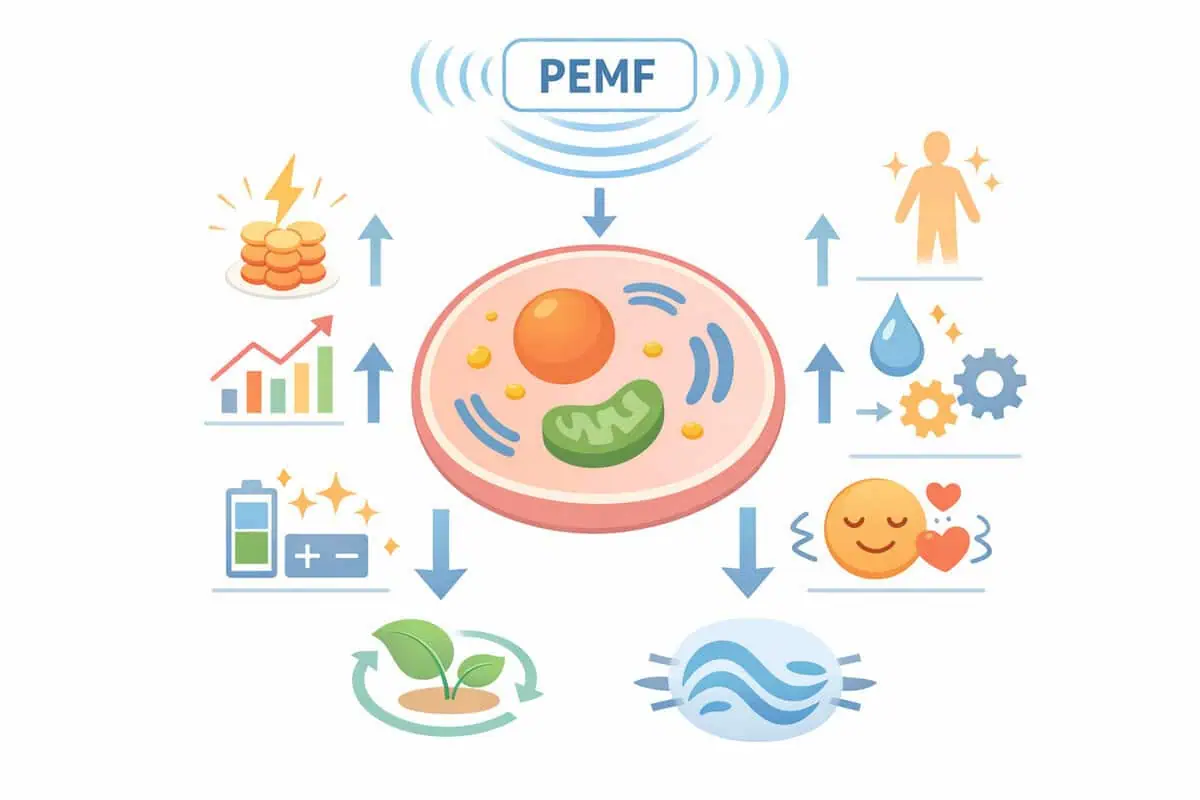
PEMF therapy uses low-frequency, time-varying electromagnetic fields delivered in pulses. These pulses are designed to interact with the body’s natural bioelectrical environment at the cellular level.
Research in bioelectromagnetics suggests that low-frequency electromagnetic fields may influence cellular signaling, ion exchange across membranes, and microcirculatory dynamics. For example, NIH-archived research indexed in PubMed discusses how pulsed fields have been studied in relation to bone physiology and tissue signaling.
PEMF devices used at home typically operate in low-frequency ranges (often between 1–50 Hz), though exact parameters vary by manufacturer. Unlike electrical stimulation devices, PEMF systems generally induce fields through coils rather than delivering direct electrical current through adhesive pads.
For a deeper breakdown of mechanisms, see our overview of PEMF therapy benefits, which explains how these signals are thought to interact with cellular processes.
These specifications matter because two devices can both “do PEMF” while delivering very different exposures. When comparing PEMF to other electromagnetic modalities, it helps to keep those parameters in view rather than relying on a single marketing descriptor like “high power” or “medical grade.”
Physiologically, a conservative framing is that low-frequency pulsed fields have been studied in relation to signaling environments that cells respond to—especially at membranes where ion channels and charge gradients play a role in cellular communication. This is not the same as claiming a direct clinical outcome; it is simply a way to describe why PEMF is discussed as a signaling-based modality rather than a heating or sensory-stimulation modality.
TENS vs PEMF: Electrical vs Electromagnetic

Transcutaneous Electrical Nerve Stimulation (TENS) devices deliver direct electrical current through surface electrodes placed on the skin. The goal is typically short-term modulation of nerve signaling.
According to the Cleveland Clinic overview of TENS, the mechanism centers on electrical stimulation of peripheral nerves.
In contrast:
- TENS uses direct electrical current through the skin.
- PEMF uses pulsed electromagnetic fields that pass through tissue without direct electrode contact.
PEMF does not rely on continuous electrical stimulation of surface nerves. Instead, it produces a magnetic field that may induce small electrical effects in tissue. The experience is typically described as subtle, often without strong sensory stimulation.
This distinction changes how devices are used in real life. With TENS, placement and skin contact matter because the current travels between electrodes. Users typically adjust intensity until a noticeable sensation is achieved, and sessions often focus on a defined area with visible placement rules (pad spacing, direction, and contact quality).
With PEMF, placement still matters, but the practical emphasis is usually on positioning relative to the coil and session consistency rather than achieving a strong sensation. Because the signal is delivered through a field rather than direct current, it is common for users to report minimal sensory feedback even when the device is operating as designed.
Another difference is that TENS is often discussed in terms of immediate, short-duration use, while PEMF routines are frequently described as cumulative and schedule-based (for example, daily or several times per week). That is not a guarantee of outcome—just a common difference in how these modalities are positioned and used.
If you are deciding between TENS and PEMF, a conservative question set is:
- Do you want a modality that produces an adjustable sensation and is specifically electrical at the skin level (TENS)?
- Or are you evaluating a non-contact electromagnetic field approach intended to be non-thermal and often subtle (PEMF)?
RIFE Devices and Frequency-Based Claims

RIFE devices are often marketed with claims about targeting specific pathogens or conditions using precise frequencies. These claims are not supported by mainstream medical consensus and are frequently associated with disease-specific marketing language.
PEMF systems differ in two important ways:
- They are generally studied in broader physiological contexts (e.g., bone signaling, circulation).
- They avoid disease-specific targeting language in evidence-based settings.
The Mayo Clinic guidance on alternative therapies emphasizes the importance of evaluating evidence quality and regulatory oversight—an important distinction when comparing PEMF to frequency-claim devices.
A common marketing pattern in frequency-claim devices is the implication that a specific frequency can “match” a condition and therefore produce a targeted effect. From a conservative perspective, this is a high-risk framing because it leaps from a technical parameter (frequency) to a disease-specific promise.
In PEMF research discussions, frequency is typically treated as one variable among many (pulse pattern, intensity, waveform, treatment duration, and study design). In other words, even when frequencies are studied, the discussion usually remains grounded in measurable exposure parameters rather than a one-frequency-one-condition model.
Another practical difference is transparency. In more structured PEMF contexts, device specifications and intended use are described in terms of the system’s signal characteristics and general physiology. In frequency-claim marketing, specifications may be presented as long lists of “frequencies for conditions,” which can obscure whether the device parameters are plausible, measured, or meaningful in a scientific sense.
If a device’s primary selling point is a long condition list or disease-specific targeting language, it is reasonable to apply higher scrutiny: ask for research citations indexed in reputable sources, and look for safety disclosures and regulatory clarity.
Static Magnetic Therapy vs Pulsed Fields

Static magnetic products—such as magnetic bracelets or mattress pads—use permanent magnets that produce a constant field. These fields do not pulse or change over time.
PEMF therapy, by contrast, relies on time-varying fields. The pulsing component is central to the proposed mechanism involving induced electrical effects within tissue.
The distinction between static and pulsed fields is not just technical. Pulsing changes how energy is delivered and may influence how cells respond at the membrane level.
From a use-case standpoint, static magnets are often positioned as “set it and forget it” accessories. PEMF devices are more typically used as a time-based session tool where exposure is delivered intentionally for a defined duration.
Another difference is controllability. Static magnetic products generally do not allow users to adjust frequency or pulse settings because the field is constant. Many PEMF devices allow users to select programs, frequencies, or intensity levels (depending on the device category), which can matter for comfort and routine adherence.
If you are comparing static magnets to PEMF, a conservative way to frame the decision is not “which is stronger,” but “which mechanism is being proposed.” Static magnets are constant-field exposure; PEMF is time-varying exposure designed to create pulsed signaling. These are meaningfully different categories even though both involve magnetism.
Diathermy and High-Energy Electromagnetic Treatments

Diathermy systems use higher-frequency electromagnetic energy to generate heat within tissue. These treatments are typically clinical and supervised.
PEMF systems used at home operate at far lower energy levels and are not designed to create deep heating effects. The intent is not thermal but bioelectrical interaction at lower intensities.
This difference in energy output significantly separates home PEMF systems from higher-powered clinical electromagnetic equipment.
It also affects selection logic. If a modality is designed to heat tissue, the decision criteria often include temperature tolerance, supervision, and contraindications related to heat exposure. With PEMF, the more common questions involve signal parameters, comfort, session time, and whether the device is designed for localized or full-body exposure.
For consumers, “electromagnetic” can sound like a single category, but diathermy and PEMF operate in different ranges and are used in very different settings. Keeping the thermal vs non-thermal distinction clear prevents mismatched expectations and helps you evaluate claims more accurately.
Regulatory and Research Differences

Certain pulsed electromagnetic devices have received regulatory clearance for specific orthopedic applications in clinical contexts. Research cited in NIH databases explores pulsed fields in bone-related studies and cellular signaling pathways.
By contrast, many frequency-based or alternative electromagnetic devices operate outside established regulatory frameworks or rely heavily on anecdotal claims.
When evaluating PEMF therapy vs other electromagnetic therapies, regulatory clarity and research indexing through sources such as PubMed provide a useful baseline for comparison.
Regulatory context matters because it influences how claims are made and what evidence is expected. In general, devices that pursue formal clearance for specific uses are constrained in how they describe outcomes and must align with the regulatory pathway they pursue. That does not automatically prove superiority, but it does change the transparency and accountability environment.
A conservative consumer approach is to look for:
- Clear identification of the device category (home wellness vs clinical system).
- Safety disclosures and contraindication guidance.
- Specific exposure parameters (frequency, intensity, waveform) rather than vague “energy” language.
- Research citations that can be independently located in reputable databases.
If a device’s claims are primarily disease-specific or framed as a guaranteed outcome, that should be interpreted as a red flag—especially when regulatory status and research support are unclear or not independently verifiable.
Intensity, Frequency, and Waveform Differences
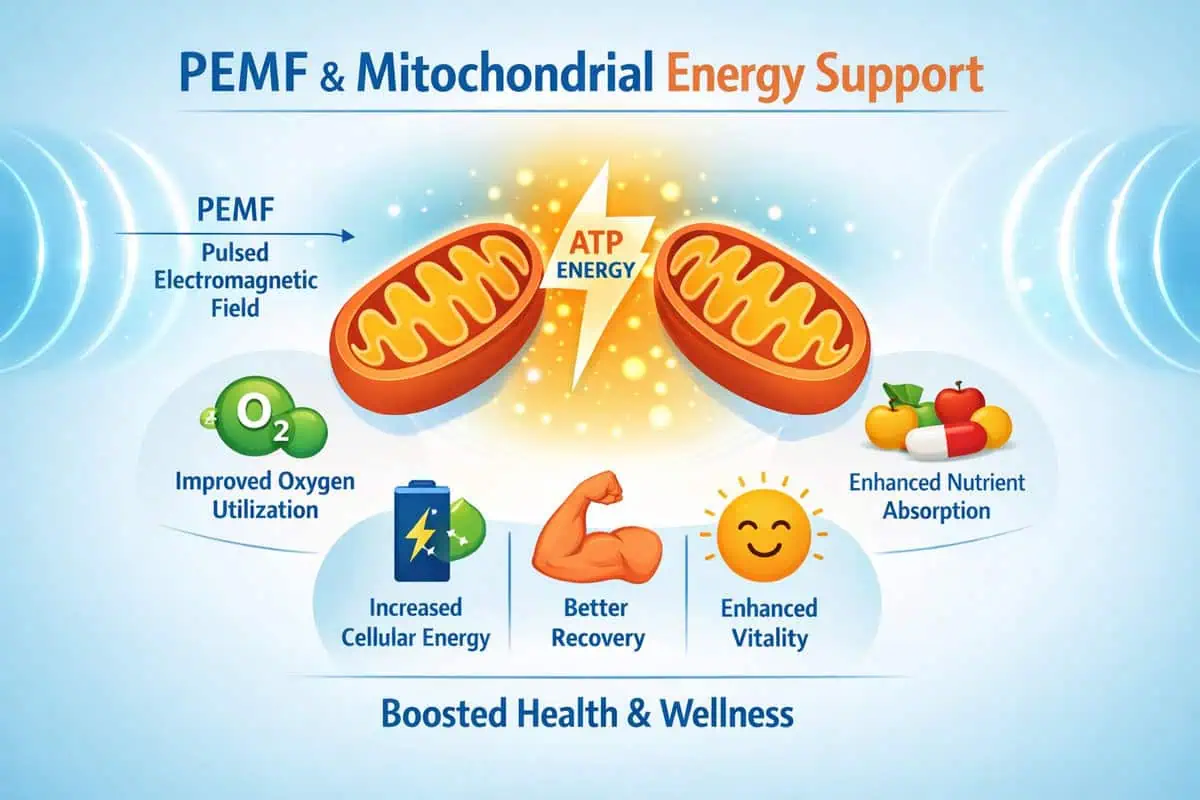
Electromagnetic therapies vary widely in:
- Frequency (Hz)
- Field intensity (measured in Gauss or Tesla)
- Waveform shape
- Duty cycle and pulse duration
PEMF systems used for home wellness typically emphasize low-frequency pulsing rather than high-frequency radiation or heating.
For a more technical breakdown, see our explanation of how PEMF devices differ in design and specifications.
When reviewing specifications, it helps to remember that manufacturers may report intensity differently (for example, measured at the coil surface vs at a certain distance). Because magnetic field strength decreases with distance from the source, stated numbers can be misleading if the measurement point is not clear.
For everyday consumers, the most useful practical comparison is often: “Does the device provide enough coverage for the way I intend to use it?” A compact coil may deliver a high surface reading but cover a smaller area. A full-body mat or larger coil layout may provide broader coverage with different peak readings depending on design.
User Experience and Sensation

Experiences vary by device type:
- TENS: Often produces noticeable tingling or muscle twitching.
- Diathermy: Produces warming sensations.
- Static magnets: Typically produce no noticeable sensation.
- PEMF: Often described as subtle, with minimal or no strong surface sensation.
The absence of strong sensation does not necessarily indicate absence of effect; rather, it reflects differences in delivery method and energy level.
From an ownership standpoint, subtle sensation has a real-world implication: users often rely on routine and device features (timers, program indicators, audible cues) rather than “feeling it” to confirm the session is running. For some people, this is a positive because it feels gentle and easy to integrate. For others, it can create uncertainty if they expect strong sensory feedback.
It is also common for user experience to vary across sessions depending on hydration, stress level, sleep quality, and how the session is structured (lying down vs seated, evening wind-down vs mid-day break). These observations should be treated as subjective and not as evidence of a specific physiological outcome, but they help explain why consistency and practical setup can matter.
If you are considering long-term use, pay attention to factors that affect adherence:
- Setup friction: how long it takes to position the device and begin.
- Session comfort: whether positioning feels natural and sustainable.
- Noise and indicators: whether the device has sounds or lights that are disruptive.
- Program simplicity: whether settings are easy to repeat without overthinking.
These “ownership realities” do not replace research, but they often determine whether a device is actually used consistently over time.
Safety and Contraindications

Electromagnetic therapies differ in their safety considerations. For PEMF therapy, common precautions include:
- Implanted electronic medical devices
- Pregnancy (consultation recommended)
- Acute injuries requiring medical supervision
Our dedicated PEMF safety overview explains these considerations in more detail.
Other modalities, particularly high-energy systems, may carry additional restrictions based on heat generation or electrical output.
As a general consumer practice, if you have an implanted electronic device or complex medical history, it is reasonable to consult a qualified clinician before using electromagnetic modalities—especially those that deliver stronger fields, heat, or direct electrical current.
Marketing Language vs Mechanistic Language

A useful way to compare therapies is to examine language patterns:
- Are claims framed around general physiological support?
- Or are they tied to specific disease outcomes?
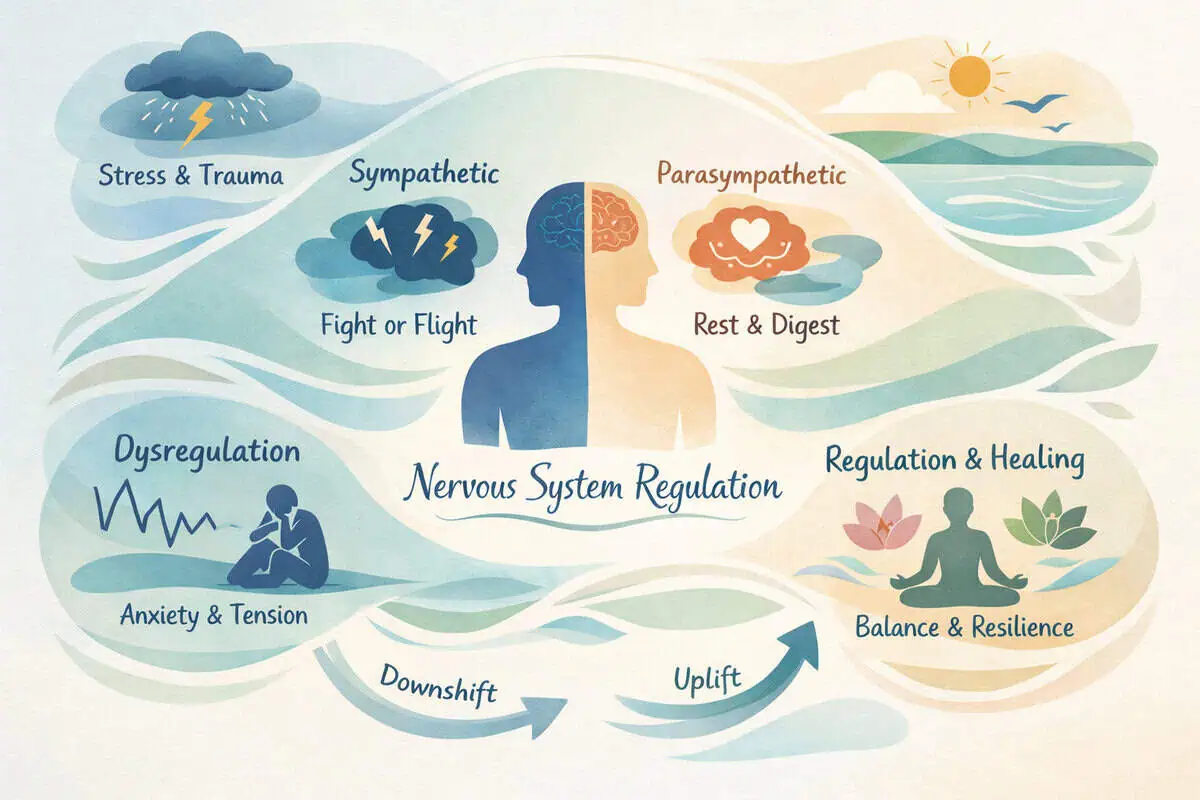
Conservative PEMF education typically focuses on cellular signaling, microcirculation, and nervous system regulation rather than cure-oriented messaging.
You can explore additional educational resources in our PEMF education archive.
How to Evaluate Any Electromagnetic Therapy
When comparing PEMF therapy vs other electromagnetic therapies, consider:
- Is the mechanism clearly explained?
- Is research indexed in credible databases?
- Are safety limitations disclosed?
- Is the intensity appropriate for home use?
These criteria can help separate structured, research-aligned systems from loosely defined frequency-based claims.
It can also help to match the modality to the setting. Some electromagnetic tools are designed for clinics and require supervision. Others are built for home routines where ease of use, comfort, and clear instructions matter more than complexity.
If you want a structured starting point for comparing reputable home PEMF categories and designs, use our Best PEMF Devices & Mats (2026 Buyer’s Guide) as the central reference and work outward from there.
PEMF Therapy vs Other Electromagnetic Therapies: The Bottom Line
PEMF therapy differs from other electromagnetic approaches in frequency range, pulsing structure, regulatory context, and research focus. While all electromagnetic modalities involve energy delivery, they vary widely in intensity, mechanism, and oversight.
If you are evaluating options, focus on signal characteristics, evidence quality, and safety disclosures rather than marketing language. For a structured overview of device categories and specifications, review our 2026 PEMF Buyer’s Guide.