PEMF Therapy for Inflammation & Swelling

PEMF therapy for inflammation is frequently discussed in the context of recovery, circulation, and cellular signaling. But what does that actually mean — and what does current evidence support?
This guide explains how inflammation works at a physiological level, how pulsed electromagnetic field (PEMF) exposure may interact with cellular processes, and where realistic expectations should be set. We use conservative language, align with established physiology, and reference authoritative sources such as the NIH and PubMed.
If you are new to PEMF in general, begin with our full educational overview: PEMF therapy benefits (science-backed overview).
What Inflammation Actually Is (Acute vs. Chronic)

Inflammation is a biological signaling process — not inherently harmful. It is the body’s coordinated response to injury, stress, or perceived threat.
According to the National Institutes of Health overview of inflammation, the inflammatory response involves:
- Vascular changes (increased blood flow)
- Immune cell signaling
- Cytokine release
- Localized swelling and fluid shifts
Acute inflammation is short-term and protective. Chronic inflammation, however, may involve prolonged signaling imbalance and dysregulated immune activity. Understanding this distinction is critical before discussing PEMF therapy for inflammation.
It can be helpful to think of inflammation as a “coordination system” rather than a single event. Vascular tissues, immune cells, and local signaling molecules work together to change blood flow patterns, recruit cells, and adjust tissue behavior for a period of time. In many everyday situations (minor strains, typical post-exercise soreness, small irritations), the acute phase resolves as signals normalize.
Chronic inflammatory signaling is more complex and can involve persistent triggers, repeated stressors, or systemic factors that keep signaling pathways activated. From a conservative perspective, PEMF therapy for inflammation is best framed around supporting normal physiological regulation (for example, circulation and cellular communication) rather than attempting to “turn off” inflammation.
Because inflammation is intertwined with immune function, metabolism, and tissue remodeling, it is also context-dependent. The same swelling and tenderness could represent normal recovery in one person and a clinically relevant issue in another. That is why a non-medical, evidence-aligned approach emphasizes education, safety, and realistic expectations over categorical outcomes.
Swelling, Edema & Tissue Fluid Regulation

Swelling is often linked to localized fluid accumulation (edema). This can occur due to:
- Increased vascular permeability
- Altered microcirculation
- Lymphatic drainage shifts
The Mayo Clinic explains swelling as a common physiologic response to injury, infection, or overuse.
When people explore PEMF therapy for inflammation, they are often interested in whether electromagnetic pulsing may support circulation and cellular communication related to fluid balance.
Swelling is not only about “extra fluid” — it also reflects how tissues manage pressure, permeability, and fluid movement between compartments. Small changes in vessel tone and permeability can shift how fluid moves into surrounding tissue, and the body typically relies on venous and lymphatic pathways to return fluid to circulation over time.
This is why swelling sometimes feels worse after sitting still and improves with gentle movement. In broad terms, circulation and mechanical movement can influence how efficiently fluids and metabolites are cleared. When PEMF therapy for inflammation is discussed in a recovery context, it is often framed around whether a device may support microcirculatory responsiveness and normal signaling — not as a replacement for movement, hydration, or medically directed care.
From a conservative standpoint, swelling should also be treated as a signal. Sudden, severe, one-sided, or unexplained swelling may require prompt medical evaluation. A home wellness modality should not delay assessment when red flags are present.
How PEMF Interacts With Cellular Signaling
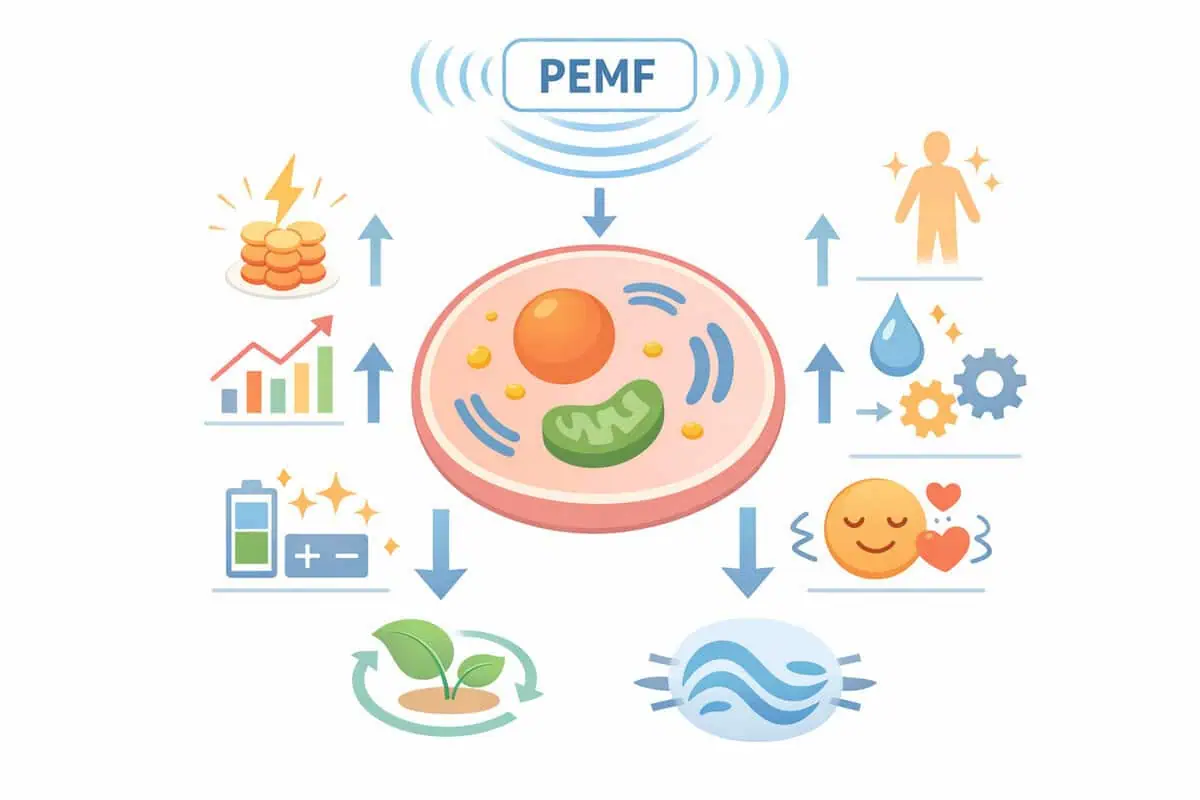
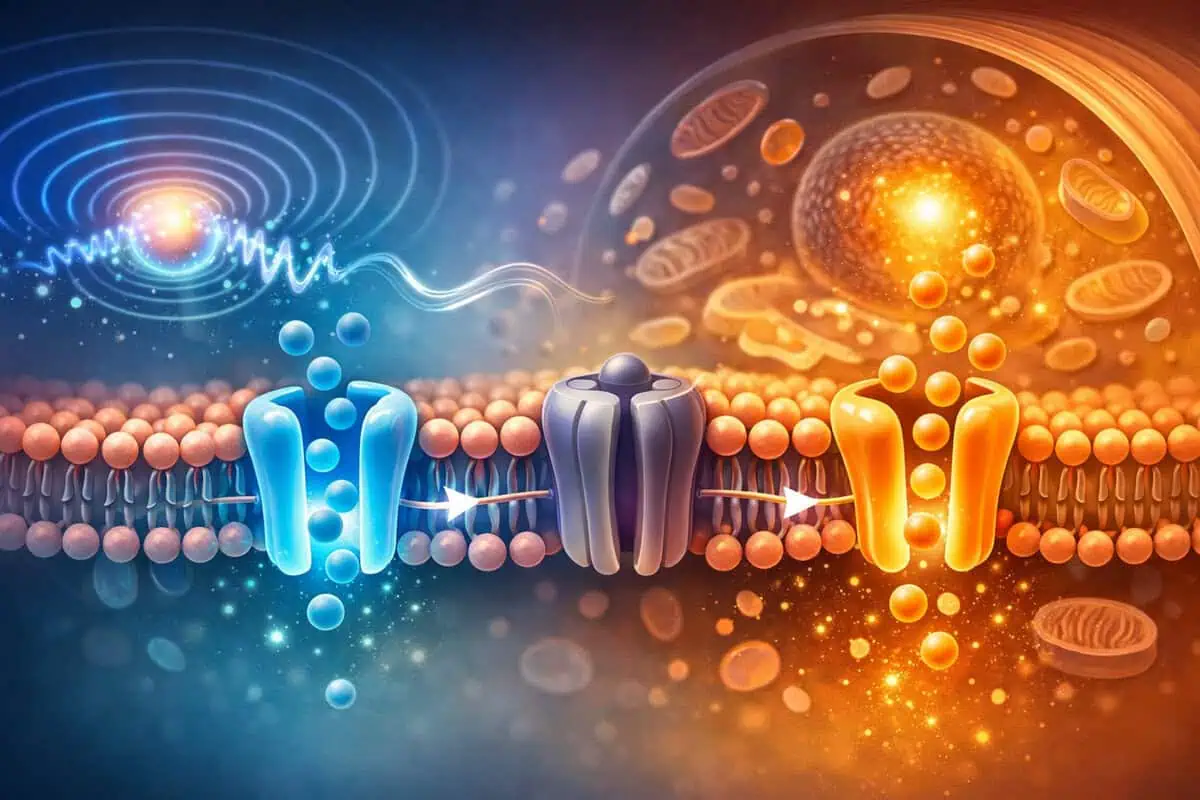
PEMF systems emit low-frequency pulsed electromagnetic fields. These pulses interact with electrically responsive tissues — particularly at the membrane level.
Research indexed in PubMed has explored how PEMF exposure may influence:
- Ion channel behavior
- Calcium signaling
- Cell membrane potential
- Gene expression related to inflammatory mediators
Importantly, PEMF therapy does not “block” inflammation. Instead, it is hypothesized to modulate cellular signaling pathways that influence inflammatory balance.
A practical way to understand PEMF is that it delivers time-varying electromagnetic pulses that may nudge how cells communicate, especially in tissues that rely heavily on electrochemical gradients. Cell membranes maintain voltage differences (membrane potential), and many signaling processes depend on controlled movement of ions such as calcium. When studies explore PEMF exposure, they often measure whether signaling pathways appear to shift in ways that are consistent with normal regulation and recovery.
Because PEMF devices vary widely in frequency, pulse pattern, and intensity, conclusions should be restrained. Even when a mechanism is plausible, it does not guarantee a meaningful clinical outcome for every person. In a conservative educational context, it is more accurate to say PEMF exposure may influence signaling dynamics that are relevant to inflammation rather than claiming a specific downstream effect.
It is also important to avoid oversimplified “energy” claims. PEMF does not add nutrients or oxygen directly. If any benefit occurs, it is more plausibly related to modulation of signaling, circulation-related responsiveness, and the way tissues coordinate recovery processes over repeated sessions.
Microcirculation & Tissue Oxygenation
Microcirculation refers to blood flow within capillaries and small vessels. Adequate microcirculatory function supports nutrient exchange and metabolic waste removal.
Some clinical research has examined PEMF exposure and vascular responsiveness. The Cleveland Clinic explains inflammation as closely tied to vascular signaling and immune activation.
When discussing PEMF therapy for inflammation, the most plausible mechanism centers on improved microvascular responsiveness and cellular communication — not direct suppression of immune function.
Microcirculation matters because it shapes what tissues “see” at the local level: oxygen availability, nutrient delivery, and removal of byproducts from metabolism and immune activity. During normal recovery, improved local flow dynamics may support tissue comfort and function, but the degree of change can be subtle and influenced by many factors (sleep, movement, hydration, stress load, temperature, and baseline vascular health).
In practice, people often explore PEMF therapy for inflammation alongside other conservative recovery habits. That might include gentle movement, progressive activity, and attention to overall routines. In that context, PEMF is typically positioned as a supportive tool that may complement a broader plan rather than being the primary driver of change.
Mitochondrial Activity & Cellular Energy
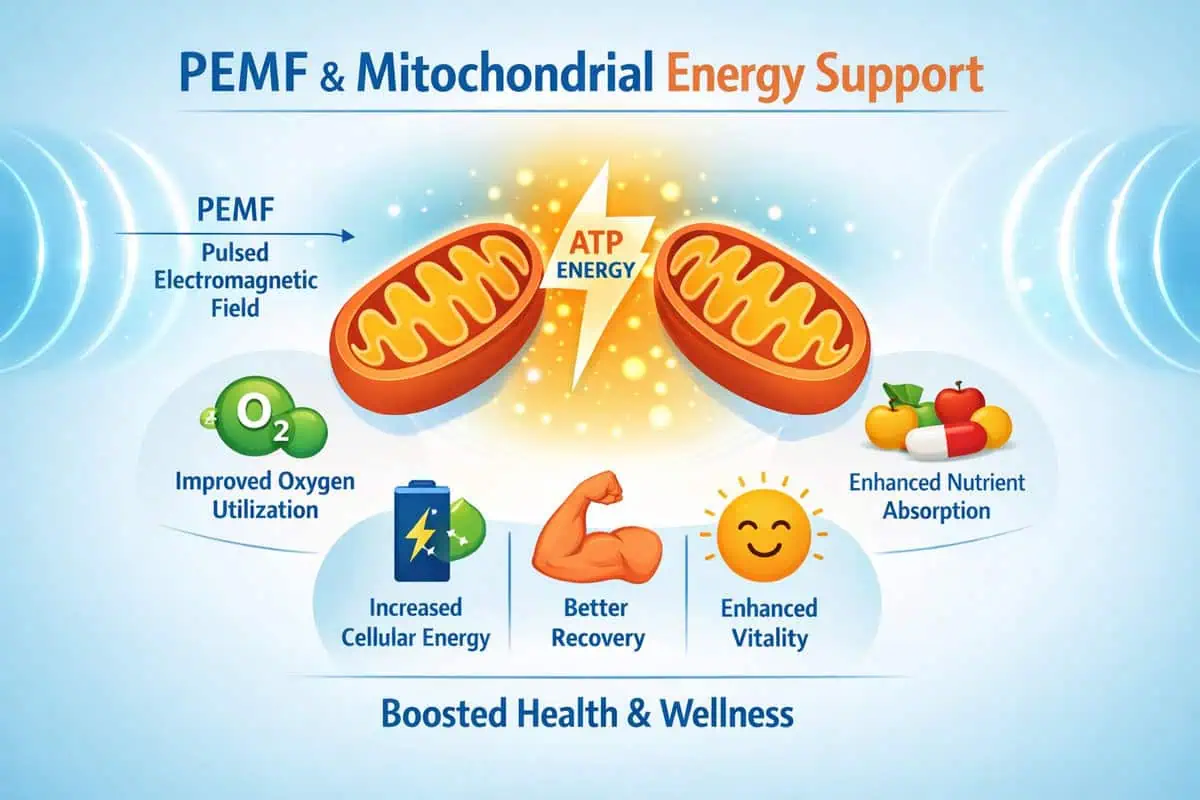
Inflammatory processes are energy-intensive. Cells require ATP to regulate repair and immune signaling.
Some studies have explored whether PEMF exposure may influence mitochondrial efficiency and ATP production. While findings vary, the theoretical basis involves electromagnetic influence on transmembrane potentials that affect energy pathways.
For broader context on how PEMF is thought to support physiological systems, see our cornerstone overview: Best PEMF devices & mats (2026 Buyer’s Guide).
Mitochondrial discussions can become speculative if overstated, so it helps to stay grounded: mitochondria respond to cellular demands, and signaling pathways can influence how cells allocate energy toward maintenance and recovery. If PEMF exposure influences membrane-related signaling, it may indirectly affect how cells regulate energy use under certain conditions.
A conservative takeaway is that energy balance and recovery are multi-factor systems. If PEMF plays a role, it is likely incremental and dependent on consistency, device parameters, and individual baseline factors. This is why many credible discussions emphasize routine use and careful self-monitoring rather than one-off sessions and broad claims.
What Clinical Research Suggests (and What It Doesn’t)

Clinical research on PEMF therapy for inflammation spans orthopedic recovery, musculoskeletal support, and post-activity soreness.
Systematic reviews available through PubMed indicate:
- Some supportive findings for localized inflammation markers
- Variability depending on frequency and intensity
- Heterogeneous study quality
PEMF should not be framed as a treatment for inflammatory diseases. It is best understood as a supportive modality that may influence physiological regulation.
One of the consistent challenges in PEMF research is comparability. Studies may use different waveform patterns, different intensities, different session schedules, and different outcome measures. Even when outcomes appear promising in a limited setting, it does not automatically translate to all devices sold for home wellness use.
A careful way to interpret the literature is to focus on what the research design actually supports. If a study evaluates a specific protocol for a specific population and outcome, that scope matters. For general consumers, the practical implication is that “PEMF therapy for inflammation” should be treated as a broad category claim that needs careful narrowing: which device parameters, which use pattern, and what kind of inflammation-related context?
This is also why evidence-aligned guidance often emphasizes safety, consistent routines, and outcomes that can be monitored conservatively (comfort, functional tolerance, and overall recovery experience) rather than condition-specific metrics.
How PEMF Is Commonly Used for Inflammation Support

Observed user patterns often include:
- 20–40 minute sessions
- Daily or near-daily use
- Full-body mat positioning or localized pad placement
Users frequently report subtle pulsing sensations, warmth, or deep relaxation. These experiences are subjective and vary by individual.
For practical guidance on routines, explore: the PEMF Sage blog.
Consistency is a recurring theme because many wellness modalities, when helpful, tend to show their value through repeated exposures over time rather than immediate change. A conservative approach is to keep sessions stable (same duration and setting) for a period of time so any perceived differences are easier to interpret.
If someone is exploring PEMF therapy for inflammation support, it can be reasonable to track a few non-medical markers: perceived stiffness upon waking, comfort during light movement, and overall recovery readiness after typical activity. These are not diagnostic measures, but they may help users evaluate whether a routine feels beneficial for them.
Acute Swelling vs. Long-Term Inflammatory Patterns

Acute post-exercise swelling differs significantly from chronic inflammatory signaling.
PEMF therapy for inflammation may be explored in recovery contexts — such as after physical exertion — where tissue signaling and circulation are central factors.
Chronic inflammatory conditions require medical oversight. PEMF should never replace standard medical evaluation or prescribed care.
From an ownership and long-term use perspective, it helps to plan for the reality that inflammation-related goals are often “maintenance goals.” That means users may try PEMF as part of a long-term wellness routine rather than expecting a clear endpoint. In those scenarios, the most practical questions become: Is the device comfortable to use consistently? Is the routine realistic in daily life? Does the user remain within safety boundaries?
It is also worth recognizing that acute swelling after activity may respond well to basic conservative strategies (rest, gradual return to activity, and appropriate recovery habits). PEMF, if used, is generally framed as an adjunct. For longer-term inflammatory patterns, medical causes and risk factors matter, and any home modality should be discussed with a qualified clinician when there is uncertainty.
Safety Considerations & Who Should Be Cautious

General contraindications include:
- Implanted electronic medical devices (e.g., pacemakers)
- Pregnancy (without medical approval)
- Active medical conditions requiring physician supervision
For a detailed breakdown, review our PEMF therapy safety & contraindications guide.
Even for people without obvious contraindications, a conservative ramp-up can be reasonable. Some users prefer shorter sessions initially to see how they feel, especially if they are sensitive to new recovery modalities. If anything feels unusual or concerning, the safest approach is to stop and consult a clinician.
Setting Realistic Expectations

PEMF therapy for inflammation is not an instant solution. Effects, when observed, are typically gradual and tied to consistent use.
It is best positioned as:
- A supportive wellness modality
- A tool for circulation and recovery routines
- A complement to healthy lifestyle practices
It can also help to define what “success” means in non-medical terms. For some people, success may be improved recovery comfort after normal activity. For others, it may be better tolerance for a consistent mobility routine. These are modest, functional goals that align better with evidence-based restraint than condition-specific promises.
Who May Consider Exploring PEMF for Inflammation Support

Individuals who may explore PEMF therapy for inflammation in consultation with healthcare providers include:
- Active individuals seeking recovery support
- Those interested in circulation-focused wellness tools
- People exploring non-invasive physiological support methods
If you want a structured overview of available systems and categories, review our primary resource: Best PEMF devices & mats (2026 Buyer’s Guide).
For many readers, the decision to explore PEMF therapy for inflammation starts with practical fit: space in the home, time availability, and comfort with routine use. A conservative approach is to prioritize usability and safety first, then evaluate whether consistent use feels supportive over time.
PEMF Therapy for Inflammation: A Balanced Perspective
PEMF therapy for inflammation centers on cellular signaling, microcirculation, and energy regulation — not on suppressing immune function or treating disease.
Research suggests potential supportive roles in recovery and tissue signaling, but outcomes vary and depend on frequency, intensity, and individual physiology.
For a complete overview of how PEMF systems differ and how to evaluate them responsibly, continue with: our comprehensive 2026 Buyer’s Guide.