PEMF Therapy for Brain Health & Cognition

PEMF therapy for brain health is increasingly discussed in the context of cognitive clarity, nervous system regulation, and long-term wellness support. As interest grows in non-invasive tools that align with everyday routines, pulsed electromagnetic field therapy has expanded beyond musculoskeletal use into broader conversations about cognitive resilience and mental performance.
This guide explains what is currently understood about PEMF therapy and brain-related physiology — including microcirculation, cellular signaling, and mitochondrial energy support — while maintaining conservative, evidence-aligned boundaries.
Brain Physiology, Cellular Signaling & Electromagnetic Exposure
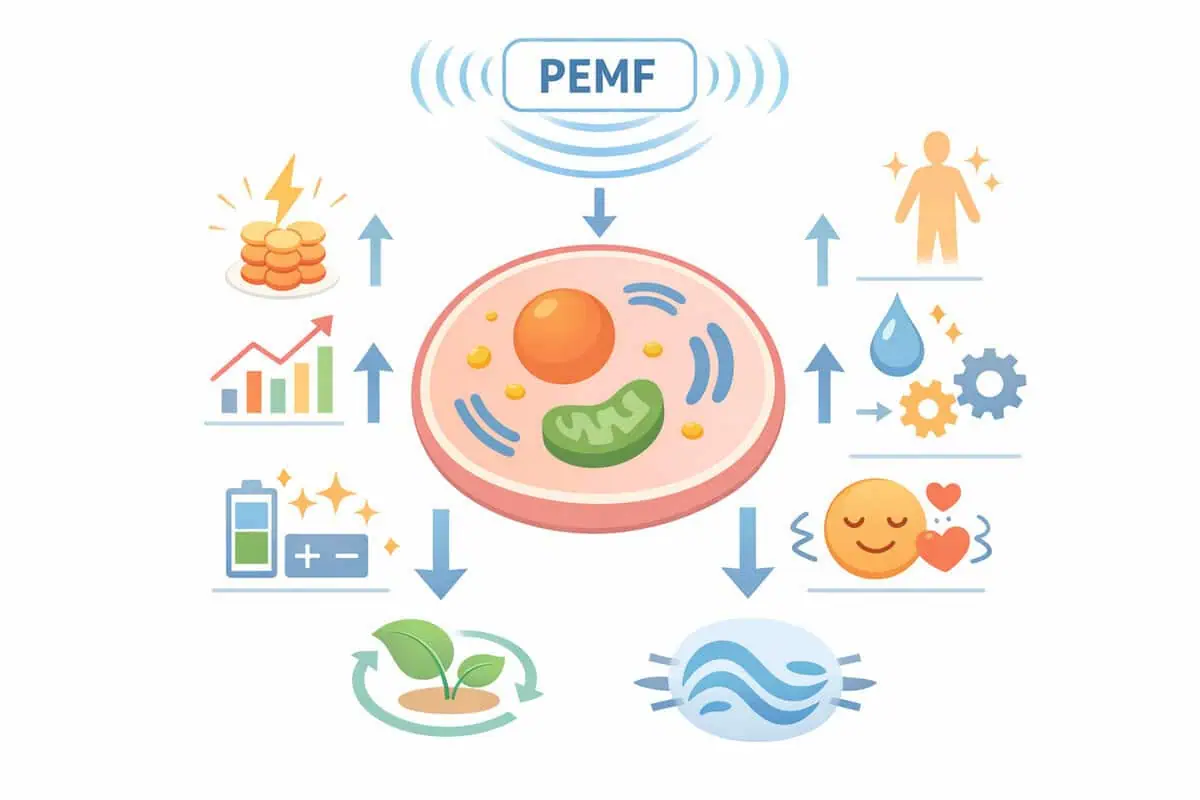
The brain is metabolically demanding tissue. Neurons rely on tightly regulated ion exchange, membrane potential balance, and continuous energy production to maintain communication networks. Cellular signaling — including ion channel activity and electrochemical gradients — plays a central role in cognition, attention, and memory formation.
At a basic level, neurons communicate through electrical impulses and chemical neurotransmitters. For those impulses to occur reliably, cells must maintain gradients of sodium, potassium, calcium, and chloride across the membrane. These gradients are maintained by energy-dependent pumps and by ion channels that open and close in response to voltage or chemical signals. From a conservative physiology standpoint, this is one reason “cellular signaling” is frequently used as a framing concept: it describes the ongoing, measurable processes that keep neural communication stable.
The brain also relies on supporting cells (including glial cells) and vascular cells to maintain a stable environment. While cognitive performance is often described in psychological terms, the underlying biology depends on temperature regulation, oxygen delivery, nutrient availability, and waste removal. Any modality discussed in relation to “brain health” should be framed within these fundamental systems rather than implying direct cognitive enhancement.
PEMF devices emit low-frequency electromagnetic fields that interact with charged particles in tissues. While mechanisms are still being studied, research published in PubMed-indexed studies on electromagnetic fields and cellular behavior explores how these exposures may influence signaling pathways at the cellular level.
In consumer-facing PEMF discussions, terms like “frequency,” “intensity,” and “waveform” are often used loosely. A more conservative interpretation is that these parameters describe how the field is delivered (how often it pulses, how strong it is, and how it changes over time). Those delivery variables may matter because biological systems respond differently to different types of physical inputs. However, the presence of a plausible mechanism does not automatically mean a reliable cognitive outcome, which is why restraint is appropriate when translating early mechanisms into real-world expectations.
Another practical point is exposure context. Consumer PEMF mats generally produce fields intended for whole-body or regional application while the person is resting. That context is different from clinical neuromodulation tools designed to target specific neural circuits. Keeping this distinction clear helps avoid category confusion and prevents unrealistic interpretations of what at-home PEMF devices are designed to do.
Understanding these mechanisms requires grounding in established physiology rather than speculation. For a broader foundation, see our overview of PEMF therapy benefits.
Microcirculation and Cerebral Blood Flow

Healthy brain function depends on adequate blood flow. Cerebral microcirculation supports oxygen delivery, glucose transport, and removal of metabolic byproducts. Even subtle changes in vascular dynamics can influence mental clarity and fatigue perception.
A useful concept here is “neurovascular coupling,” which describes how local blood flow increases in regions of the brain that are more active. This is part of normal physiology: when neurons work harder, supporting systems adjust to deliver more oxygen and nutrients. From a conservative lens, anything that supports vascular health in general (sleep, movement, hydration, cardiometabolic health) is likely to have more established relevance to cognition than any single modality used in isolation.
When PEMF is discussed in connection with circulation, it is typically framed around endothelial signaling and microvascular tone. Endothelial cells line blood vessels and help regulate dilation and constriction. Some research explores how electromagnetic exposures might influence signaling that affects microcirculation. However, consumer PEMF use should be framed as supportive and non-specific, not as a targeted method to increase cerebral blood flow or “optimize” cognition on demand.
The National Institute of Neurological Disorders and Stroke (NINDS) emphasizes the importance of vascular health in overall brain performance. Some PEMF research explores vascular signaling and endothelial responses, though conclusions remain preliminary.
It may also help to distinguish between systemic circulation and cerebral circulation. Whole-body tools can influence overall relaxation and perceived recovery, but the brain’s blood flow is regulated by multiple protective mechanisms and is not easily “boosted” in a simple, linear way. This is one reason conservative language matters: a wellness routine might support comfort and recovery, yet still not translate to measurable cognitive gains.
For readers evaluating devices intended for full-body exposure, our Best PEMF Devices & Mats (2026 Buyer’s Guide) explains how intensity and waveform variables differ across systems.
Mitochondrial Energy Production and Cognitive Demand
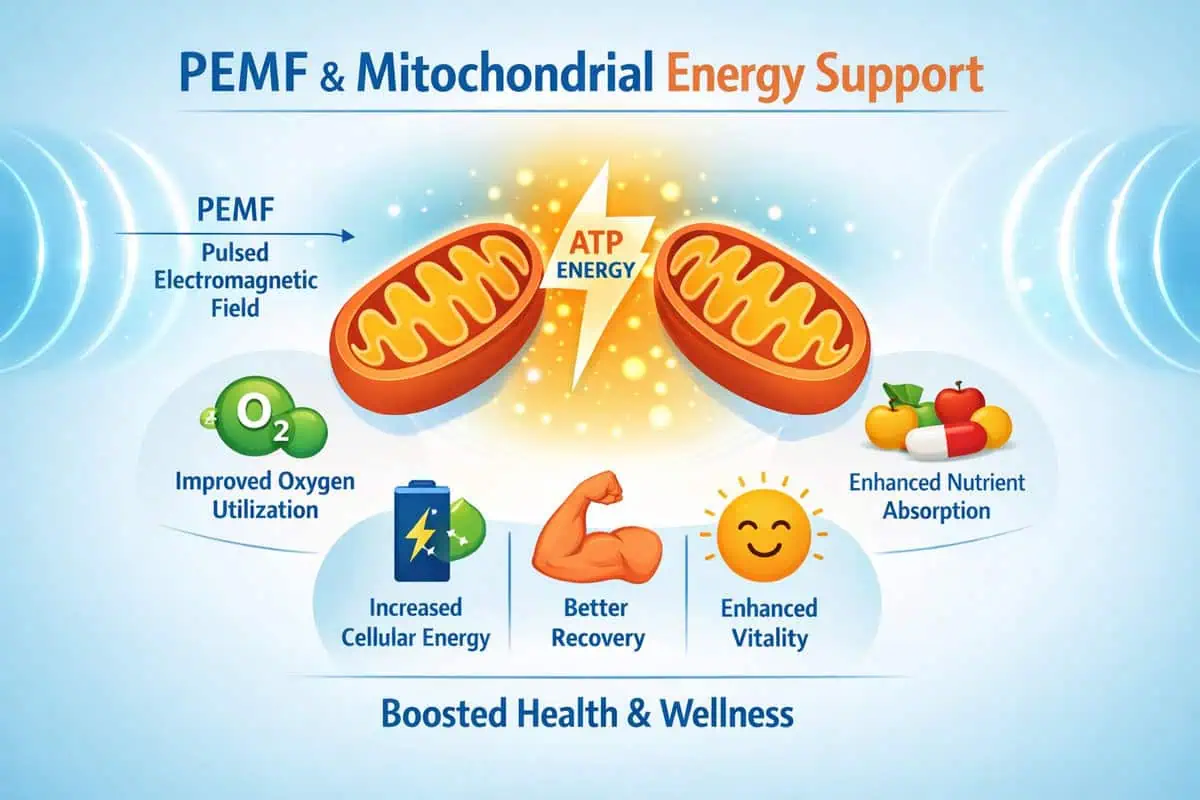
Neurons are energy-intensive cells. Mitochondria generate ATP, which supports neurotransmission and synaptic plasticity. Research published through PubMed-indexed cellular metabolism studies examines how electromagnetic exposure may influence mitochondrial signaling pathways.
ATP is sometimes described as the “energy currency” of the cell, but for brain function it is more accurate to think of ATP as the resource that keeps membranes stable, maintains ion gradients, and supports synaptic activity. When people describe “brain fog,” fatigue, or low mental stamina, there can be many contributing factors — sleep debt, stress load, medications, nutritional patterns, or underlying health issues. Mitochondrial function is one piece of a much larger puzzle.
PEMF discussions sometimes reference mitochondrial support because electromagnetic exposure is being studied in relation to cellular stress signaling and redox balance. A conservative interpretation is that the mitochondria are sensitive to the cellular environment and respond to many inputs, including activity patterns, oxygen availability, and inflammatory signaling. Even if a mechanism is plausible, it does not justify claims of improved memory, faster learning, or prevention of cognitive decline.
From a practical standpoint, the most defensible role for “mitochondrial framing” in wellness education is to emphasize consistency and dose restraint. If someone uses PEMF as a relaxation or recovery practice, they may choose settings that are comfortable, follow manufacturer guidance, and avoid escalating intensity in pursuit of outcomes that are not established.
While no claims of cognitive enhancement or disease modification are appropriate, mitochondrial support is often discussed in broader wellness contexts. This relates closely to overall cellular energy topics addressed in other educational articles within our PEMF Sage Blog.
Nervous System Regulation and Perceived Mental Clarity
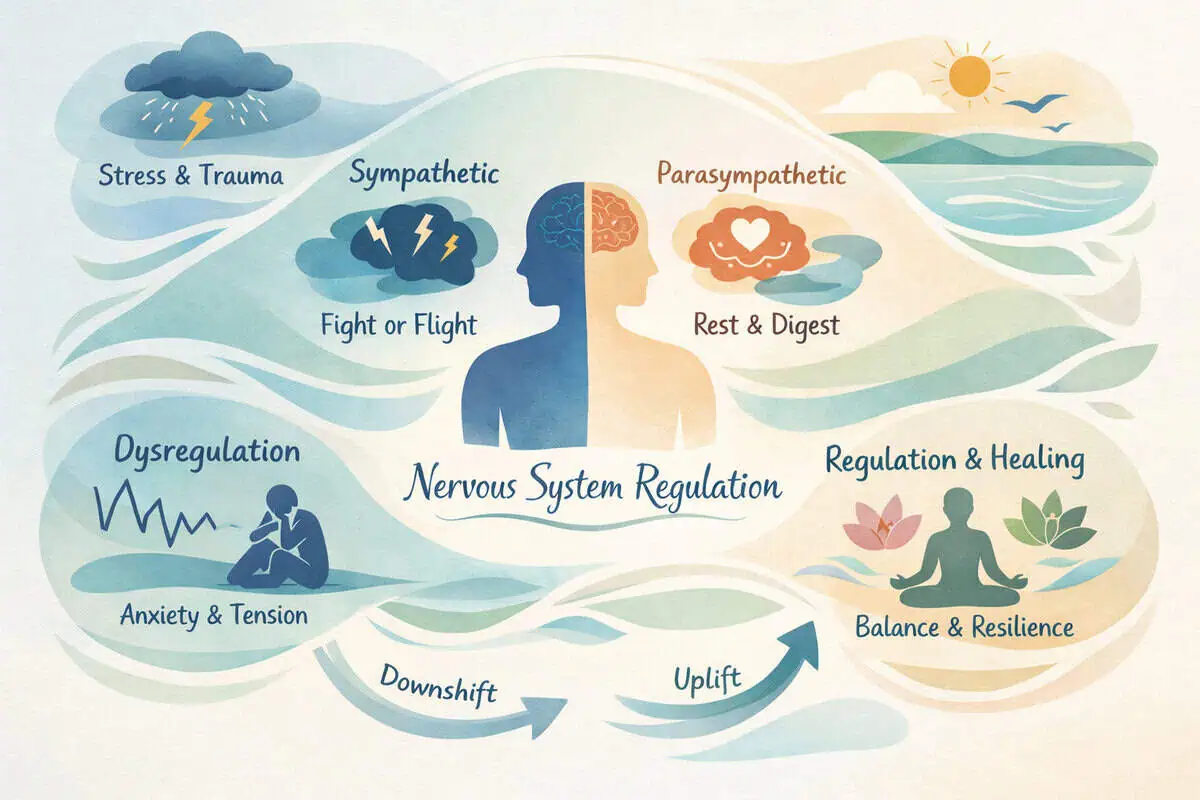
The autonomic nervous system plays a central role in stress perception, focus, and recovery states. Shifts between sympathetic (“fight or flight”) and parasympathetic (“rest and regulate”) patterns influence attention and cognitive endurance.
In everyday life, many people experience cognitive strain as a downstream effect of chronic stress: racing thoughts, reduced attention span, and difficulty transitioning into deep rest. In that context, “mental clarity” may reflect nervous system state rather than a direct change in cognitive capacity. Practices that support downshifting — breathing work, consistent sleep schedules, gentle movement, and calming routines — often have clearer evidence bases than device-based interventions.
PEMF is sometimes positioned as a relaxation tool because sessions are typically done lying down in a quiet environment. That environment itself can influence perceived calm and attentional reset. A conservative view is to treat PEMF as one potential component of a broader down-regulation routine, not as a primary lever for cognition.
The Cleveland Clinic’s overview of the autonomic nervous system highlights how stress regulation affects mental performance. Some users report subjective relaxation during PEMF sessions, which may relate to autonomic balance rather than direct cognitive stimulation.
If your goal is “brain support,” it may help to define what you mean operationally. For example, some people mean fewer stress spikes, improved wind-down, or a more consistent recovery rhythm. Those are compatible with conservative claims because they focus on process and routine rather than promising measurable cognitive outcomes.
Observed Usage Patterns and Typical Experiences

In non-clinical settings, individuals commonly use full-body PEMF mats while resting, reading, or practicing breathing exercises. Sessions typically range from 15–40 minutes depending on device guidance.
- Subtle pulsing or rhythmic sensations
- A relaxed mental state during sessions
- Routine use as part of evening or recovery rituals
These reports describe subjective experiences rather than measurable cognitive changes. No treatment or diagnostic claims should be inferred.
When people do notice a difference, it is often described in routine terms: feeling “settled,” finding it easier to transition from work to rest, or noticing a calmer baseline after consistent use. These outcomes are not specific to brain physiology and can also occur with other relaxation practices. That overlap is useful because it keeps expectations realistic and supports the idea that PEMF should fit into a broader lifestyle foundation.
Common use cases that align with conservative framing include:
- Using PEMF during a low-stimulation evening window (dim lights, fewer screens)
- Pairing sessions with slow breathing or gentle stretching
- Keeping intensity at a comfortable level rather than chasing a stronger sensation
- Tracking how you feel the next day in terms of stress tolerance and recovery, not “IQ” or performance metrics
What Current Research Suggests — and Its Limits

Studies exploring electromagnetic exposure and brain physiology are ongoing. According to the National Institutes of Health (NIH), research into neuromodulation and bioelectromagnetic interactions is evolving but requires cautious interpretation.
One reason evidence interpretation is difficult is that studies may differ in field strength, frequency, session duration, and outcome measures. Some research focuses on cellular or animal models, which can be useful for mechanism exploration but does not automatically translate to real-world outcomes in humans using consumer devices. Human studies may also vary in participant characteristics, baseline health, and the specific endpoints evaluated.
For consumer education, the most responsible position is to acknowledge that:
- Mechanisms are plausible in some domains (signaling, microcirculation, stress regulation) but not definitive.
- Outcomes that matter to people (clarity, energy, focus) are influenced by many variables.
- Device use should be framed as supportive and optional, not essential.
Important boundaries:
- PEMF therapy is not a substitute for neurological care.
- It does not diagnose, treat, or cure cognitive conditions.
- Evidence remains mixed and context-specific.
Safety Considerations and Responsible Use

Before using PEMF devices, especially for head or brain-adjacent applications, individuals should review safety guidance. Our dedicated PEMF therapy safety page outlines contraindications and populations requiring caution.
Those with implanted electronic devices, seizure disorders, or complex neurological conditions should consult a licensed healthcare professional before use.
A conservative safety mindset also includes “dose discipline.” More is not always better with bioelectromagnetic exposure. If you are using PEMF primarily to support relaxation and recovery, a lower-intensity, shorter-duration pattern may be more appropriate than escalating intensity. It can also be helpful to keep other variables stable (caffeine timing, screen exposure, sleep schedule) so you can distinguish routine effects from day-to-day noise.
Brain Health Is a Whole-Body Issue

Cognitive function is influenced by sleep, stress regulation, cardiovascular health, and metabolic balance. The Mayo Clinic’s overview of brain health emphasizes lifestyle factors such as exercise, nutrition, and sleep hygiene.
PEMF therapy — when used conservatively — fits into broader wellness routines rather than replacing foundational health behaviors.
If you are thinking about “brain health” in a long-term sense, it may be useful to focus on the parts of ownership that are practical and sustainable. For example, many people start a device routine with high expectations, then discontinue because it is inconvenient, uncomfortable, or hard to integrate into daily life. From a compliance perspective, the most realistic benefits of any supportive modality usually come from consistent, low-friction use that does not disrupt sleep, work, or recovery.
Long-term considerations that are easy to overlook include:
- Routine fit: whether you can use the device consistently (time, space, noise, comfort, portability).
- Maintenance: storing the mat properly, avoiding cable strain, keeping surfaces clean, and following manufacturer care instructions.
- Household realities: travel schedules, shared spaces, children or pets, and whether the setup can remain accessible.
- Expectation management: evaluating the routine based on comfort, recovery, and stress balance rather than tracking “cognition” as a single metric.
This whole-body framing also helps keep claims conservative. Improvements in perceived energy, resilience, or calm may reflect better sleep quality, less stress activation, or improved recovery habits — outcomes that support daily function without implying direct cognitive enhancement.
Frequency, Intensity, and Device Design Variables
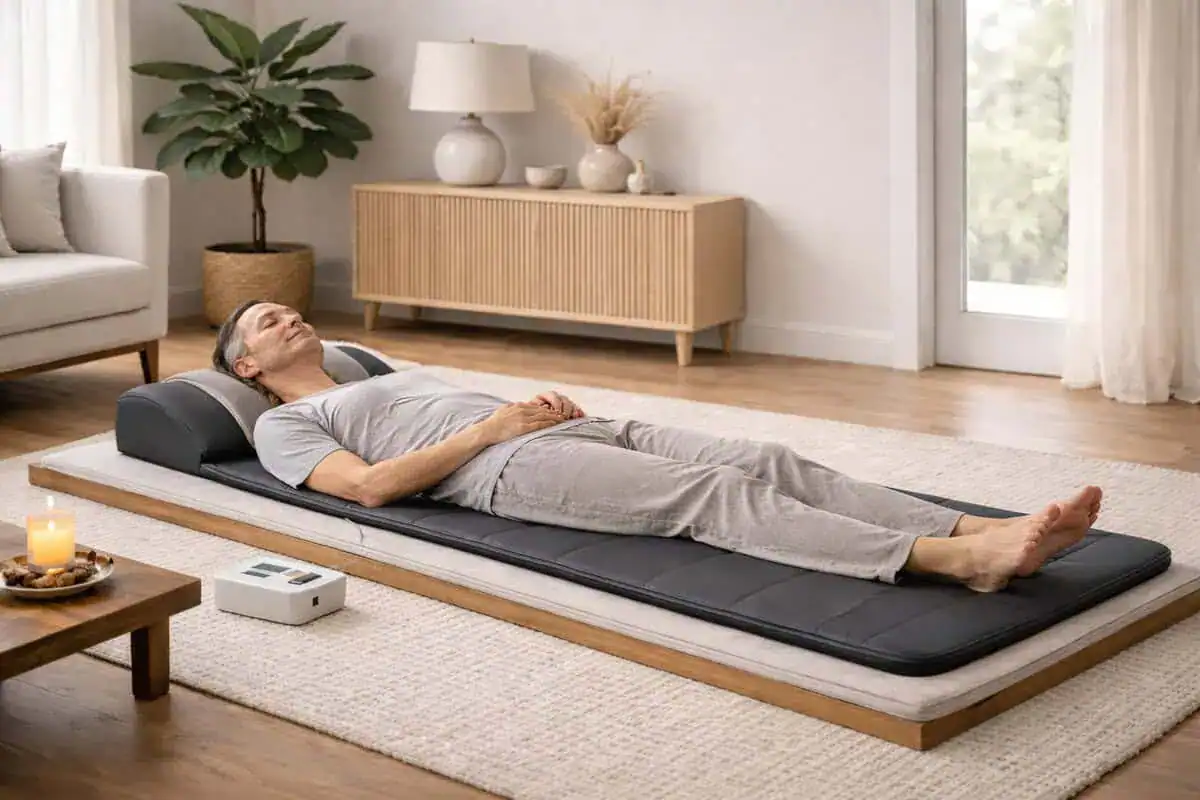
Devices vary in waveform type, frequency range, and intensity output. These factors influence how fields interact with tissue. For an in-depth explanation of device parameters and comparison criteria, consult our 2026 Buyer’s Guide.
Selecting equipment should focus on transparency, safety documentation, and conservative specifications.
Managing Expectations About Cognitive Outcomes

It is important to distinguish between:
- Subjective feelings of clarity or calm
- Clinical cognitive enhancement
- Medical treatment of neurological disease
PEMF therapy should not be framed as a solution for dementia, traumatic brain injury, or psychiatric disorders. Conservative framing protects both users and the integrity of emerging research.
When to Seek Professional Evaluation

Persistent cognitive changes, memory loss, or neurological symptoms warrant evaluation by a qualified clinician. Self-directed wellness tools should never delay appropriate care.
If you have questions about how PEMF devices fit into general wellness routines, you may reach out through our Contact PEMF Sage page.
Conclusion: A Conservative View of PEMF Therapy for Brain Health
PEMF therapy for brain health is best understood as a supportive wellness modality that interacts with cellular signaling, microcirculation, and nervous system dynamics. Research continues to explore these mechanisms, but responsible use requires conservative interpretation and realistic expectations.
For readers evaluating device options or comparing system specifications, visit the Best PEMF Devices & Mats (2026 Buyer’s Guide) for a structured overview of available systems.
If you choose to try PEMF, prioritize comfort, consistency, and safety-first routines over chasing dramatic cognitive outcomes.