PEMF Therapy and Immune Signaling

PEMF therapy and immune signaling is a topic that’s often discussed online using vague language like “immune support.” On PEMF Sage, we treat that phrase carefully. The immune system is complex, and most consumer wellness tools (including PEMF) should be framed as potential influences on physiologic processes that relate to recovery, stress regulation, and cellular communication — not as treatments for disease.
In this guide, we’ll define what “immune signaling” actually means, how the immune system communicates, and where PEMF is most plausibly discussed in the context of signaling and regulation. We’ll also highlight common limitations, safety considerations, and the difference between wellness education and medical claims.
Next step (navigation)
If you’re comparing PEMF mats and full-body systems, start with our cornerstone hub. Explore the PEMF Buyer’s Guide →
What “immune signaling” means (and why wording matters)
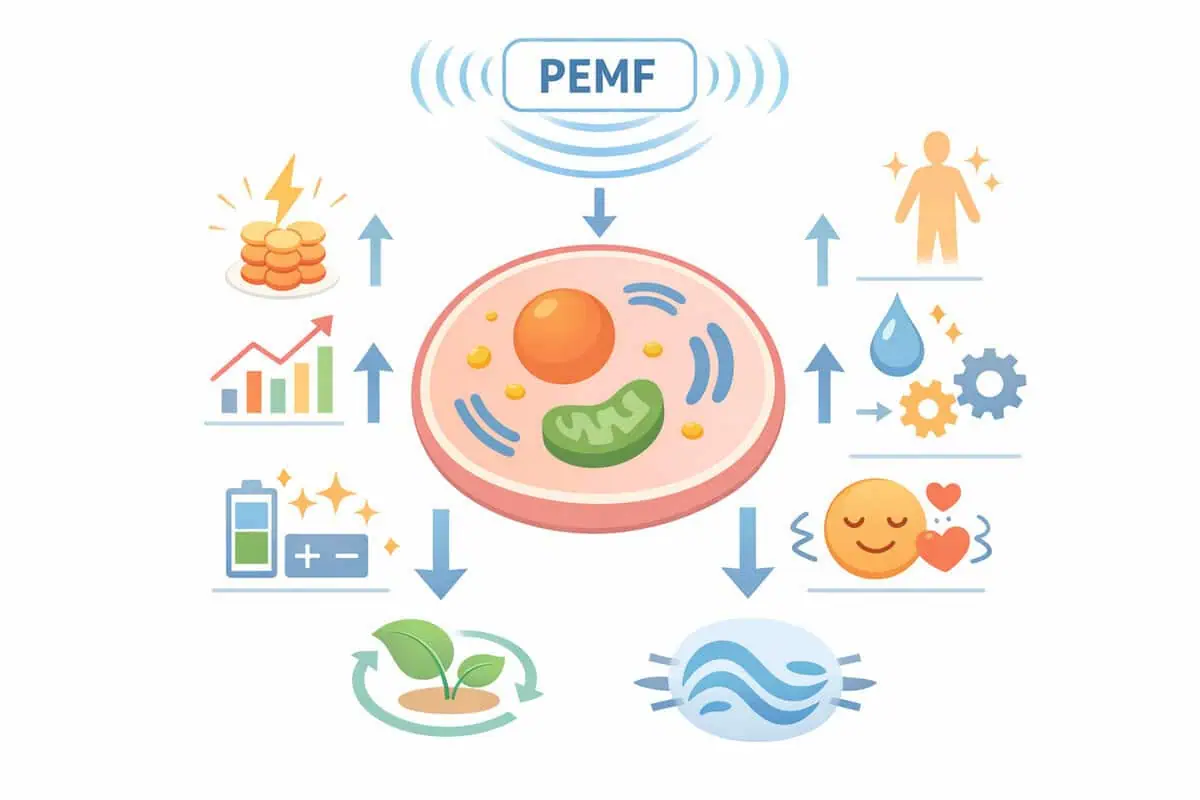
“Immune signaling” refers to the way immune cells and tissues communicate to coordinate detection, response, and resolution. That communication happens through chemical messengers (like cytokines and chemokines), cell-to-cell contact, electrical gradients across membranes, and downstream gene expression that influences what cells do next.
This is why “immune support” can be misleading if it implies “stronger immunity” or “boosting.” In real physiology, the goal is typically appropriate regulation — a response that’s strong enough when needed and calm enough when not needed. In wellness education, it’s more accurate to talk about balance, recovery support, and signals involved in inflammatory regulation rather than implying prevention or treatment.
- Good framing: “PEMF is discussed in relation to recovery processes and cellular communication.”
- Bad framing: “PEMF treats infections” or “PEMF cures autoimmune disease.”
For a plain-language overview of what the immune system is and how it functions, see NIH’s educational resources on the immune system: NIH (NIAID) immune system overview.
Why PEMF Sage avoids “boosting” language
The immune system can be underactive in some contexts and overactive in others, and “more” is not automatically “better.” A trust-first approach emphasizes regulation, timing, and context. That’s why PEMF Sage frames PEMF as a wellness tool that some people explore for recovery routines and relaxation states, not as a tool that changes medical outcomes.
A simple map of immune communication

To make immune signaling easier to understand, it helps to separate the system into a few “communication layers.” These layers work together all the time, especially during exercise recovery, sleep, stress, minor tissue irritation, or exposure to new environments.
Three practical layers
- Detection: cells and tissues notice change (damage signals, microbes, irritants).
- Coordination: messenger molecules guide cell movement, activation, and timing.
- Resolution: the system “turns down” the response and supports tissue normalization.
When people talk about “supporting the immune system” in a wellness context, they often mean supporting the conditions that help signaling stay well-regulated: consistent sleep, manageable stress, movement, and recovery.
For readers building a broader foundation on PEMF education, the most important internal hub to understand first is: PEMF therapy benefits (science-backed overview).
How “resolution” fits into wellness routines
Resolution doesn’t mean “turning off immunity.” It means the body moving toward baseline after a response has done its job. In practical terms, this can look like less perceived tightness, more settled sleep, or a calmer post-activity state. These are subjective experiences and can vary widely, but the resolution concept helps keep the conversation grounded: the goal is appropriate timing and return to balance, not a permanent “upregulation.”
Where PEMF enters the conversation: fields, cells, and communication
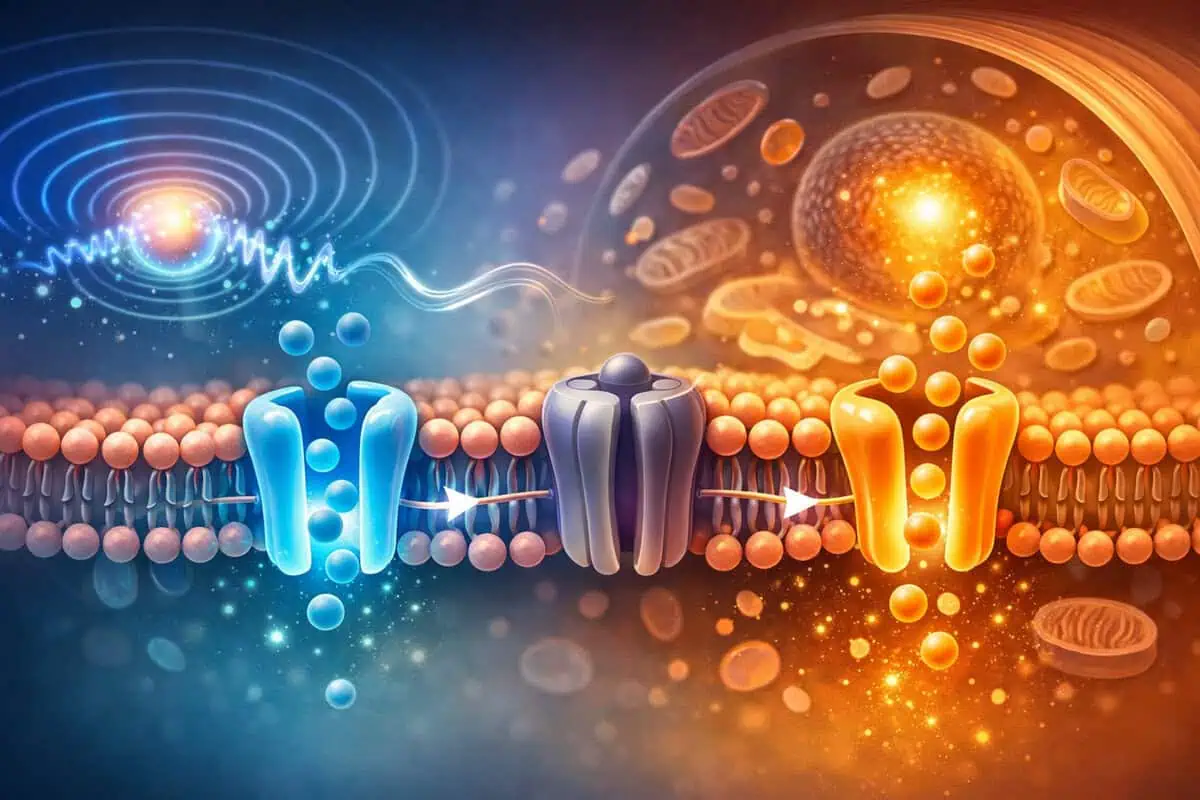
PEMF (pulsed electromagnetic field) therapy is generally discussed as a non-invasive modality that produces time-varying electromagnetic fields. In consumer wellness education, the cautious, physiology-aligned idea is not “immune boosting,” but rather the possibility that electromagnetic pulses may interact with cell membrane dynamics, ion exchange, and downstream signaling pathways that influence how cells respond to their environment.
Immune signaling is tightly linked to what happens at the membrane level. Many immune processes depend on:
- Ion gradients across membranes (electrical properties that influence activation)
- Receptor signaling (surface receptors triggering intracellular cascades)
- Energy availability (cells need ATP to coordinate complex responses)
A careful way to interpret PEMF discussions is: PEMF may be explored as a tool that could influence general cellular signaling environments in ways that some researchers investigate across different tissues. That is meaningfully different than claiming it “fixes immunity.”
Inflammation, resolution, and “immune balance”

In everyday language, “immune” and “inflammation” get blended together. They’re related, but not identical. Inflammation is part of immune function — a coordinated response that helps manage stressors and tissue disruption. The important nuance is that healthy physiology includes both:
- Initiation: response ramps up when needed
- Resolution: response calms down and normalizes afterward
Wellness discussions about PEMF and immune signaling often focus on the resolution side — supporting recovery states, comfort, and normal post-activity settling. That framing is consistent with conservative education: you can discuss “supporting recovery context” without making disease claims.
For a mainstream clinical explanation of inflammation and why it matters, Cleveland Clinic has accessible education that helps keep the language grounded: Cleveland Clinic overview of inflammation.
Regulation is a timing concept
A well-regulated system is not one that is always quiet. It’s one that responds when it should and resolves when it can. In wellness education, you can responsibly discuss habits and routines that may support that timing — like consistent sleep, lower evening stimulation, and recovery sessions that encourage downshifting — without implying that a device is “treating inflammation.”
Microcirculation as a supporting context (not a cure mechanism)

Microcirculation refers to blood flow through the smallest vessels (capillaries and microvascular networks). It’s often discussed because delivery of oxygen and nutrients is a basic requirement for tissue maintenance and recovery — and immune cells travel through vascular pathways as part of normal surveillance and response.
Some PEMF education sources discuss microcirculation as one possible pathway by which people may perceive “recovery support.” The conservative interpretation is:
- Improved comfort or recovery experiences may correlate with changes in local tissue environment.
- Local tissue environment includes circulation, fluid balance, and autonomic tone.
- Correlation is not proof of treatment, and effects can vary widely by person and device parameters.
If you want to see how we handle this topic across the site (without turning it into a “miracle mechanism”), the broader educational piece is here: PEMF Sage blog index.
In immune signaling terms, microcirculation is best understood as a “logistics layer.” Immune cells rely on circulation for movement, positioning, and tissue access. Even when immune signaling is initiated locally, the ability to coordinate a response depends in part on vascular dynamics. That’s why circulation gets mentioned in many recovery frameworks, even when the primary topic is immune communication.
Why this still isn’t a medical claim
Discussing circulation as a supporting context is not the same as claiming a device treats immune dysfunction. It’s simply acknowledging that immune activity and recovery are connected to broader physiologic systems, and that some PEMF discussions focus on these supportive systems rather than disease outcomes.
Mitochondria, energy availability, and signaling capacity
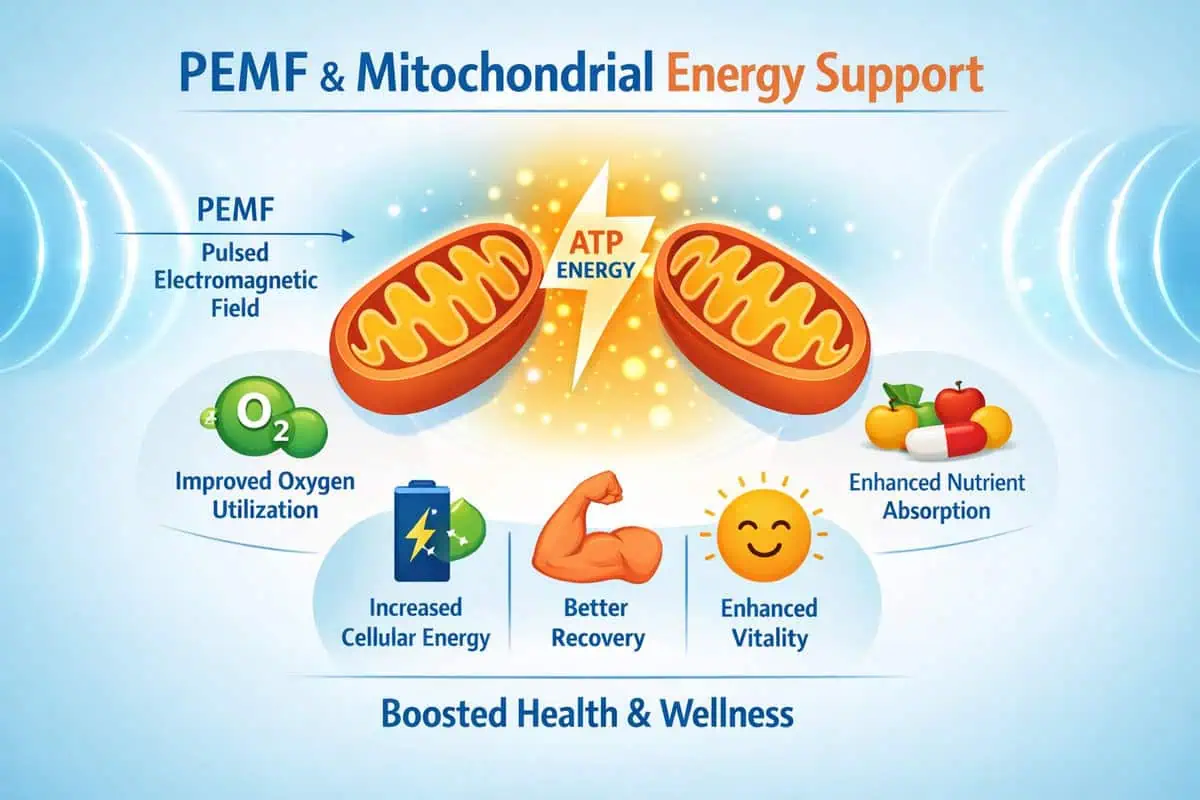
Immune signaling is energy-intensive. Immune cells often need to change behavior quickly — migrating, producing signaling molecules, and coordinating with other cells. While it’s not appropriate to claim that a consumer PEMF device “improves immunity,” it is reasonable (and common in the research conversation) to discuss how cellular energy status can influence signaling capacity in general.
In other words: if PEMF is being researched for cellular effects, it often gets discussed alongside concepts like mitochondrial function, ATP availability, and downstream signaling. This is part of why readers often encounter PEMF content in broader “cellular health” framing.
If you want to browse biomedical literature on the general topic (without treating it as a consumer-health conclusion), PubMed is the safest place to start: PubMed: pulsed electromagnetic field and immune.
From an education standpoint, the key point is that mitochondria influence capacity rather than direction. Capacity includes how readily cells can execute complex tasks, how quickly they can adapt to signals, and how resilient they are under stress. That concept helps explain why PEMF is sometimes discussed in relation to “vitality” or “recovery,” even though those terms should be treated conservatively.
Nervous system regulation and immune signaling cross-talk
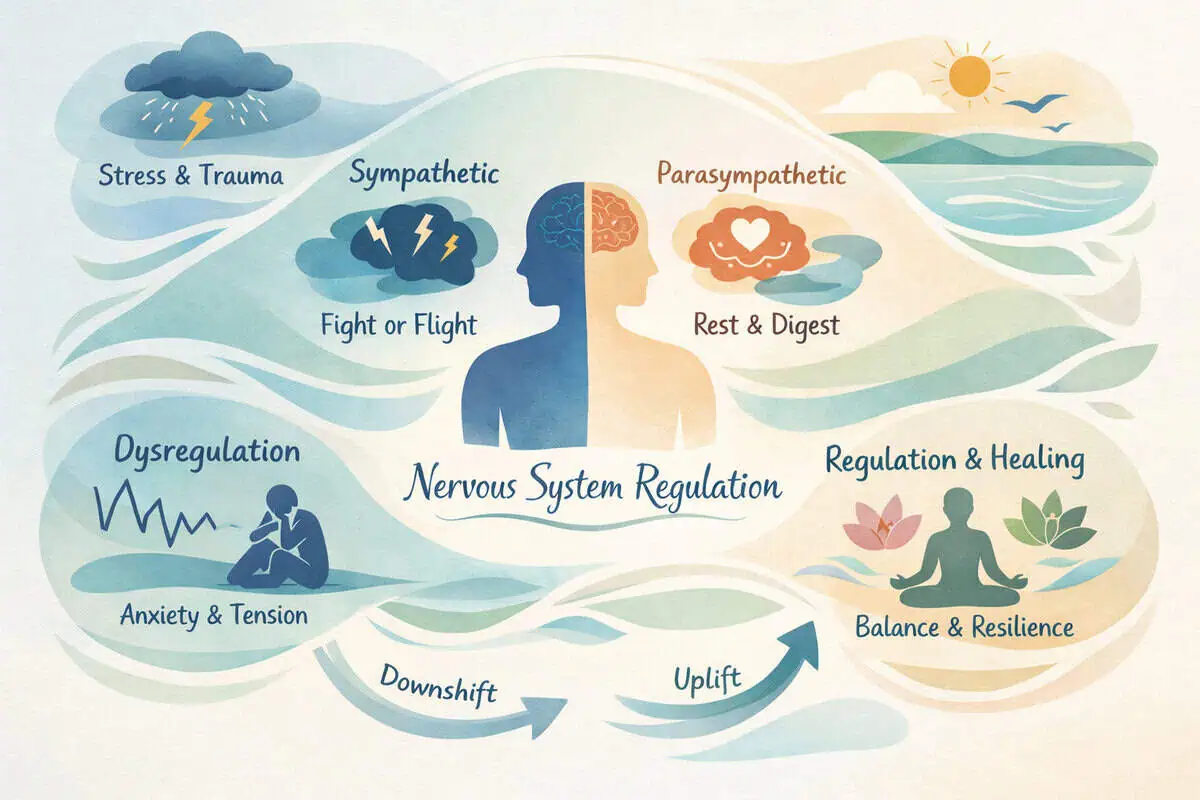
The immune system doesn’t operate in isolation. There is meaningful cross-talk between the nervous system, endocrine signaling, sleep-wake cycles, and immune activity. A practical wellness takeaway: when stress is chronically elevated and sleep is disrupted, immune signaling can become less efficient and more reactive.
This is one reason PEMF is often discussed alongside “relaxation,” “downshifting,” or “recovery states.” The conservative version is not “PEMF strengthens immunity,” but rather:
- Some people use PEMF as part of a calming routine.
- Calming routines may support sleep quality and stress management.
- Sleep and stress regulation are associated with more stable immune signaling over time.
If you’d like to share feedback on what you’re seeing (claims, device settings, or confusing language), our contact page is here: Contact PEMF Sage.
What “immune support” can reasonably mean in wellness

To stay aligned with evidence-based, non-medical guidance, PEMF Sage treats “immune support” as a shorthand for supporting the conditions that make healthy signaling more likely — not as a direct immune intervention.
Reasonable wellness interpretations
- Routine support: a consistent wind-down or recovery ritual that promotes adherence.
- Comfort support: helping some users feel more settled post-activity.
- Stress context: pairing PEMF sessions with breathing, stretching, or quiet time.
- Sleep adjacency: routines that make sleep easier can indirectly support immune signaling stability.
What this does not mean: preventing infections, treating immune disorders, or changing medical outcomes. Those are medical claims and are outside the appropriate scope of consumer PEMF education.
It also helps to be realistic about timelines. Many “immune” experiences people care about — steadier energy, fewer rough days, better recovery — are influenced by week-to-week consistency across multiple habits. If someone chooses to use PEMF, the most responsible expectation is that it becomes one supportive input inside a larger routine, not a primary driver of immune outcomes.
Ownership reality: consistency, variability, and long-term use
If PEMF is part of your wellness approach, the practical ownership factors that matter most are often not the claims — they’re the routine and usability details. This includes how comfortable a mat is, whether sessions fit your schedule, how easy the controls are, and whether you can use it consistently without overthinking settings. Consistency tends to matter more than chasing “perfect” parameters.
A conservative way to track whether PEMF belongs in your routine is to observe neutral markers such as perceived relaxation after sessions, whether your wind-down routine becomes easier to maintain, and whether you feel more settled during typical recovery windows. These are not medical outcomes, but they can help a person decide if a wellness tool is a good fit.
Practical use patterns people explore (conservative examples)

Because PEMF devices vary widely in intensity, waveform, and session programming, there is no single “immune signaling protocol.” In wellness settings, people typically use PEMF as a general recovery or relaxation tool and observe how they feel over time.
Common conservative patterns
- Frequency: consistent use (e.g., several times per week) rather than sporadic “big sessions.”
- Timing: afternoon/evening use for relaxation, or post-activity use for recovery context.
- Placement: full-body mat sessions vs localized placement for general comfort.
- Pairing: hydration, light stretching, quiet breathing, and a stable bedtime routine.
A simple rule for trust-first experimentation: change one variable at a time (duration, timing, or placement) and keep everything else stable for a week or two before drawing conclusions.
Safety, contraindications, and why “immune claims” are risky

Whenever a wellness tool is marketed with immune-related claims, it can push consumers toward inappropriate expectations. That’s especially important for people who are immunocompromised, managing complex conditions, or using implanted medical devices.
General safety reminders (non-exhaustive)
- Implanted devices: pacemakers, defibrillators, and other implants require medical guidance.
- Pregnancy: avoid casual experimentation unless cleared by a qualified clinician.
- Complex medical status: immune conditions or active treatment plans require professional oversight.
- Symptoms: PEMF should not delay evaluation of fever, infection signs, or worsening symptoms.
For a grounded overview of immune function and why appropriate regulation matters, Mayo Clinic’s educational content is a good reference point: Mayo Clinic: immune system basics.
How to evaluate claims and choose your next read

When you see PEMF content connected to “immune support,” it helps to run a quick credibility filter. These checks keep you aligned with trustworthy, evidence-respecting education:
- Language check: do they claim treatment, cure, or disease outcomes? (That’s a red flag.)
- Source check: do they cite PubMed or mainstream clinical education (NIH, Cleveland Clinic, Mayo Clinic)?
- Mechanism check: do they clearly separate hypotheses from proven outcomes?
- Safety check: do they mention contraindications and special populations?
If you’re building foundational context before you read any device comparisons, these are the safest next stops inside PEMF Sage:
Conclusion
PEMF therapy and immune signaling is best understood as a cautious, education-first topic: immune signaling is complex, and “support” should mean supporting recovery context and healthy regulation — not making medical promises. The most responsible way to approach PEMF in this area is to focus on conservative mechanisms (cell signaling, recovery state support, nervous system regulation) and to avoid disease-specific claims entirely.
If you’re deciding whether PEMF fits your wellness routine — and you want to compare reputable mat and full-body system options — use our cornerstone hub as the next step: Best PEMF Devices & Mats (2026 Buyer’s Guide).