BEMER PEMF System Review

This BEMER PEMF system review takes a conservative, evidence-aligned look at how BEMER devices are positioned in the broader pulsed electromagnetic field (PEMF) market. Rather than focusing on bold marketing language, we examine design principles, physiological rationale, typical use patterns, and where the system may fit for home users seeking structured, full-body PEMF sessions.
BEMER is frequently discussed in relation to microcirculation and vascular support. In this review, we explore those claims carefully, referencing established physiology and peer-reviewed literature where appropriate. If you are new to PEMF therapy, you may first want to review our Best PEMF Devices & Mats (2026 Buyer’s Guide) for a broader overview of device categories.
What Is the BEMER System Designed to Do?

BEMER systems are typically full-body PEMF platforms consisting of a control unit and a flexible mat applicator. The company’s positioning centers on support for microcirculation—the flow of blood through the smallest vessels, including capillaries.
Microcirculation plays a role in oxygen delivery, nutrient transport, and cellular waste removal. According to the National Institutes of Health (NIH), capillary perfusion is essential for maintaining tissue health at the cellular level.
BEMER’s core concept is that low-intensity pulsed electromagnetic fields may influence vascular tone and rhythmic vessel motion. In theory, this may support circulation dynamics in otherwise sedentary individuals. However, this should be interpreted as supportive physiology, not a treatment or cure for vascular disease.
For a deeper look at general PEMF mechanisms, see our PEMF Therapy Benefits (Science-Backed Overview).
To make the “microcirculation” concept more concrete, it helps to think about circulation as layered. Large vessels (arteries and veins) move blood through the body. Microcirculation describes what happens at the tissue level: capillaries, small arterioles, venules, and the exchange environment around cells. This is where oxygen and nutrients are delivered and where metabolic byproducts are collected. When people talk about “supporting circulation,” many are implicitly referring to microcirculatory behavior rather than large-vessel blood flow.
BEMER’s positioning emphasizes a particular microvascular phenomenon sometimes described as “vasomotion,” meaning rhythmic changes in vessel diameter that can influence tissue perfusion patterns. A conservative interpretation is that certain low-intensity pulsed signals may interact with vascular smooth muscle tone and local signaling pathways, potentially supporting normal microvascular dynamics in some users. This framing stays within supportive physiology rather than implying disease-specific outcomes.
From an evaluation standpoint, the most relevant practical question is not “Does microcirculation matter?” (it clearly does), but instead: “How does this system attempt to influence microcirculation, and does the dosing protocol encourage consistent use?” If a device is designed around short, repeatable daily sessions, its intended value may be in making a microcirculation-support routine easier to follow, not necessarily in producing dramatic sensations.
It can also be helpful to separate “field exposure” from “targeted therapy.” A full-body mat distributes a low-intensity signal across a broad area. That approach is different from localized applicators intended to focus exposure to a specific region. BEMER is most often discussed in the context of full-body exposure with structured daily protocols, which is consistent with a system designed for general wellness routines rather than targeted clinical intervention.
How BEMER Compares to Typical Full-Body PEMF Mats
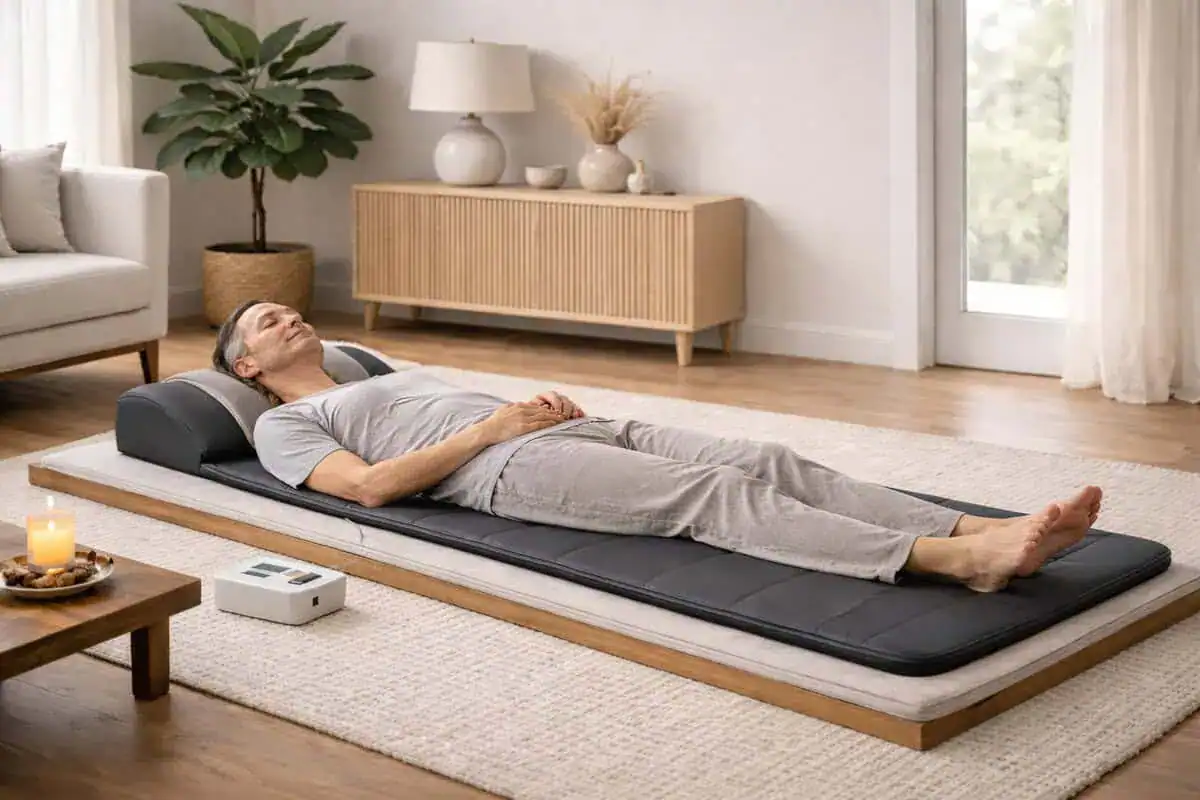
Within the broader category of full-body PEMF systems, BEMER differs in several ways:
- Proprietary waveform design
- Preset session protocols
- Focus on microvascular circulation
- Structured daily-use guidance
Many full-body PEMF mats emphasize adjustable frequency ranges and intensity variation. BEMER’s positioning instead emphasizes a specific signal profile developed around microcirculatory research.
Users comparing options should review multiple device types inside our Buyer’s Guide before making decisions.
In practical shopping terms, most full-body PEMF mats fall somewhere along two design axes: (1) how much the user can customize settings (frequency, intensity, session length), and (2) how strongly the manufacturer guides “dosing” through preset programs. Some devices market wide adjustability, which can appeal to users who enjoy experimentation. Others emphasize simplicity and consistency, which can appeal to users who want a repeatable routine without much decision-making.
BEMER’s emphasis on preset protocols typically aligns more with the second axis: less time spent adjusting settings and more time following a structured approach. For many home users, that can be an advantage if consistency is the primary barrier. If a person is likely to skip sessions because setup feels complex, a simpler system can be more realistic long-term.
Another practical difference is how systems talk about intensity. Many brands use intensity language as a primary selling point, but “more intense” is not automatically “better,” especially for users prioritizing relaxation, gentle daily use, and conservative exposure. A low-intensity system may be intentionally designed to be used frequently without creating strong sensations. For a subset of users, that can be a better match than a system that encourages occasional high-intensity sessions.
Finally, it is helpful to recognize that comparisons often blend hardware differences with user goals. Someone trying to build a short, daily wellness ritual may prefer a guided, preset system. Someone trying to compare “features” on paper may prefer wide adjustability. Either approach can be reasonable, but the best fit tends to emerge when you match the system’s design to how you will actually use it.
Typical User Experience

Observed user experiences with full-body PEMF systems—including BEMER—are often described as subtle. Individuals may report:
- A gentle pulsing sensation
- Warmth or mild tingling
- Relaxation during sessions
- Use as part of a daily wind-down routine
Sessions are commonly 8–20 minutes in duration, once or twice daily depending on the protocol. As with most low-intensity PEMF systems, effects are typically described as cumulative and gradual rather than immediate.
A practical way to set expectations is to treat PEMF sessions as comparable to other low-friction wellness inputs: quiet time, structured breathing, or a short mobility routine. The session itself may feel calm and uneventful, and that can be normal. The “experience” is often less about a strong moment-to-moment sensation and more about whether the routine fits your day and is easy to repeat.
Some users prefer to pair a PEMF session with a consistent environmental cue—low lighting, a blanket, or a brief breathing practice—because that reduces friction and creates a predictable ritual. This also helps avoid over-interpreting subtle body sensations. When expectations are conservative, users are less likely to chase intensity or increase exposure in ways that are unnecessary.
If a user does notice sensations (mild tingling, warmth, or a pulsing feel), those reports should be interpreted cautiously. Sensations can reflect many variables: positioning on the mat, hydration status, ambient temperature, muscle tension, or simply increased attention to the body during rest. The safest, most evidence-aligned approach is to use the system comfortably, avoid extreme expectations, and evaluate outcomes over time in a routine context.
Because BEMER is commonly described as a “daily-use” style system, an important user-experience factor is adherence: can you do the session consistently without it becoming burdensome? If the answer is yes, the system is more likely to function as intended—an easy, repeatable wellness routine that supports general physiology rather than aiming at any specific condition.
Microcirculation and the Evidence Base

Microcirculation involves rhythmic dilation and constriction of small vessels. Some studies indexed in PubMed have explored electromagnetic field exposure and vascular responses, though outcomes vary and depend heavily on study design.
It is important to distinguish:
- Support for circulation dynamics
- Clinical treatment of vascular disease
BEMER systems are marketed as supportive wellness devices, not medical treatments. Users with diagnosed vascular conditions should consult qualified medical professionals before use.
When evaluating “evidence,” it helps to consider what kind of question the evidence is actually answering. Some studies explore whether electromagnetic field exposure can influence measurable physiological variables (for example, perfusion markers or microvascular behavior). Other studies ask whether a device improves a clinical endpoint in a specific population. Those are very different levels of claim strength.
For a conservative review, the most defensible framing is that microcirculation is foundational physiology and that certain non-invasive exposures may influence microvascular behavior in some contexts. That is meaningfully different from claiming that a system treats circulation disorders. The stronger the claim, the stronger the evidence needs to be—and for consumer PEMF products, that bar is often not met for disease-specific claims.
In practical terms, a cautious user might evaluate the microcirculation concept through routine outcomes that are broadly related to circulation and recovery without implying diagnosis: comfort during rest, perceived ease of movement after consistent use, or general wellness routine adherence. Those are subjective and variable, but they align better with the intended category of a home wellness device.
Nervous System and Autonomic Regulation

Low-intensity PEMF exposure has also been studied in the context of nervous system signaling. The Cleveland Clinic explains that autonomic balance influences heart rate variability, vascular tone, and stress response.
Some users incorporate BEMER sessions into stress-regulation routines. However, this should be viewed as lifestyle support rather than therapy for anxiety or neurological conditions.
From a physiology standpoint, the autonomic nervous system regulates “background” functions—heart rate, vascular tone, digestion, and sleep-wake rhythm. Many wellness routines (breathing, gentle movement, consistent sleep timing) aim to support these systems indirectly. PEMF is sometimes used similarly: as a quiet, low-stimulation input that may encourage downshifting during rest.
A conservative way to integrate this concept is to treat PEMF sessions as “low noise” time. If a person uses a BEMER session in the evening, for example, the main supportive value may be that the routine reliably creates a calm window without screens or stimulation. Any nervous-system effects should be framed as possible supportive influences, not clinical interventions.
If nervous system regulation is a primary interest, you may also find it helpful to explore educational resources via our Blog, where related topics are discussed in a conservative, PEMF-specific context.
Safety and Contraindications

PEMF systems are generally low-intensity and non-invasive. However, certain populations should exercise caution, including:
- Individuals with implanted electronic devices (e.g., pacemakers)
- Pregnant individuals (unless medically cleared)
- Those with unstable cardiovascular conditions
The Mayo Clinic notes that strong electromagnetic fields may interfere with certain implanted devices. Although home PEMF systems are low intensity, medical clearance is advisable.
For a broader overview of contraindications, see our Blog and safety-focused educational posts.
Safety is also about how a device is used in everyday routines. Conservative best practices include using the system in a stable resting position, avoiding extended sessions beyond manufacturer guidance, and not “stacking” multiple high-stimulation modalities back-to-back if you are sensitive to changes in nervous system arousal (for example, intense exercise immediately followed by multiple device sessions). These are not medical warnings, but practical comfort and compliance considerations.
If a person has a complex medical history, implanted devices, or is under active medical management, the safest approach is to treat PEMF as an optional wellness tool and seek professional guidance before beginning. This is especially relevant when a user’s goal is disease-specific. PEMF Sage is intentionally conservative: we focus on general physiology and safe use rather than medical claims.
Users sometimes ask about “what’s normal” during early sessions. With low-intensity systems, most users notice little to no sensation. If someone notices unusual discomfort, palpitations, dizziness, or persistent symptoms, the prudent step is to discontinue use and consult a qualified clinician. Conservative use means prioritizing safety signals over pushing through.
Build Quality and System Components

BEMER systems typically include:
- Control unit with preset programs
- Full-body mat applicator
- Optional localized applicators
The build quality is often described as medical-grade in appearance, though classification varies by region and regulatory pathway. Prospective users should review official documentation and warranty policies directly from the manufacturer.
From an ownership standpoint, two practical questions matter: (1) how durable the mat and connectors are under repeated daily use, and (2) how straightforward the system is to operate without troubleshooting. A system that feels “simple” can be a real advantage if it reduces decision fatigue and makes adherence easier over months and years.
Who Might Consider BEMER?

A BEMER system may appeal to individuals who:
- Prefer structured preset programs
- Are specifically interested in microcirculation support
- Want a full-body session format
- Value established brand presence in the PEMF market
Those seeking adjustable frequency experimentation or different intensity tiers may compare alternatives inside the Buyer’s Guide.
Long-term ownership is often less about feature lists and more about whether the device becomes a “default habit.” Users who do best with BEMER-style systems are often those who prefer to remove friction: a predictable session length, a consistent time of day, and minimal configuration. If a user is prone to overthinking settings, a guided system can reduce that tendency.
It is also realistic to consider where the device will live. Full-body mats are easiest to use when they are already laid out (bed, dedicated mat space, or a quiet corner). If a user must unpack, set up, and repack the system every time, adherence often drops. A practical planning step is to choose a permanent spot where sessions can happen without rearranging the room.
Maintenance and care matter as well. Even well-built mats can be affected by repeated bending, sharp folds, or pressure on connectors. Conservative ownership means handling the mat gently, storing it flat or loosely rolled if permitted, and keeping liquids away from electronics. These are simple steps that help protect the investment and reduce avoidable failures.
Finally, many users benefit from setting a conservative evaluation window. Instead of expecting dramatic changes in a week, consider whether you can use the system consistently for several weeks while keeping other lifestyle variables stable. If you are also changing sleep timing, training volume, supplements, and diet simultaneously, it becomes difficult to attribute any perceived changes to a single tool.
If you want to understand where BEMER sits relative to active affiliate options and other device categories, the most structured overview remains the Best PEMF Devices & Mats (2026 Buyer’s Guide).
Cost Considerations

BEMER systems are generally positioned in the premium segment of the home PEMF market. Prospective buyers should consider:
- Initial hardware investment
- Warranty duration
- Optional accessory add-ons
- Long-term daily-use expectations
As BEMER is an editorial-only brand within our registry, we do not provide pricing, discounts, or affiliate links for this system.
Pros and Limitations

Potential Strengths:
- Focused positioning around microcirculation
- Structured daily protocols
- Full-body application
Limitations to Consider:
- Less frequency customization than some systems
- Premium pricing tier
- Requires consistent use for perceived benefit
As with all PEMF systems, outcomes vary and should not be interpreted as guaranteed results.
Another practical limitation is that brand narratives can create unrealistic expectations. A conservative approach is to treat the system as a routine-support tool. If a user is looking for a device to replace fundamentals (sleep, training load management, mobility, nutrition), disappointment is more likely. PEMF is best evaluated as an addition to a stable baseline, not a substitute for it.
How It Fits Within the Broader PEMF Landscape
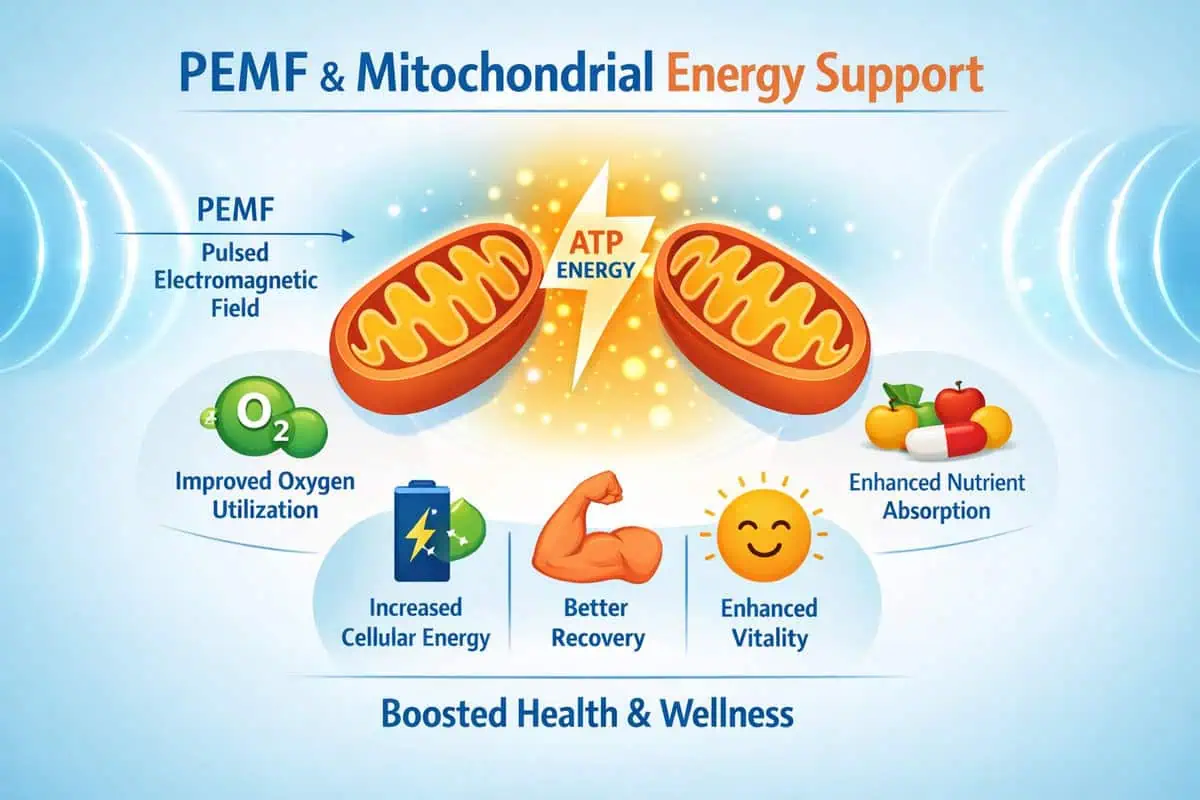
The broader PEMF landscape includes:
- Entry-level mats
- Mid-range adjustable systems
- Professional-grade clinic platforms
BEMER occupies a distinct space centered on microvascular dynamics. Whether that emphasis aligns with a user’s goals depends on individual priorities and consultation with qualified professionals.
If you are comparing across this landscape, one useful step is to identify your “non-negotiables” first: full-body vs localized use, simple presets vs adjustability, and how much time you can realistically commit per session. Once those are clear, the remaining differences (accessories, program variety, interface design) tend to matter less than users expect.
Conclusion: A Structured, Circulation-Focused Approach
This BEMER PEMF system review reflects a conservative evaluation of the system’s positioning, physiological rationale, and typical use patterns. BEMER’s emphasis on microcirculation distinguishes it within the full-body PEMF category, though it remains a supportive wellness device rather than a medical treatment.
If you are comparing systems across intensity levels, programmability, and home-use practicality, review our comprehensive Best PEMF Devices & Mats (2026 Buyer’s Guide) for structured side-by-side analysis.
For most users, the best outcome is a sustainable routine that is simple, comfortable, and compatible with conservative safety practices.