Pulse Centers PEMF Review

This Pulse Centers PEMF review takes a conservative, evidence-aligned look at how Pulse Centers systems are positioned in the professional PEMF market. Rather than focusing on bold marketing claims, we examine system design, typical use environments, and how these platforms compare to home-based options.
Pulse Centers primarily operates in a clinic-oriented model, which differs meaningfully from at-home mats and consumer devices. Understanding that distinction is essential before evaluating whether their approach aligns with your goals.
What Is Pulse Centers?
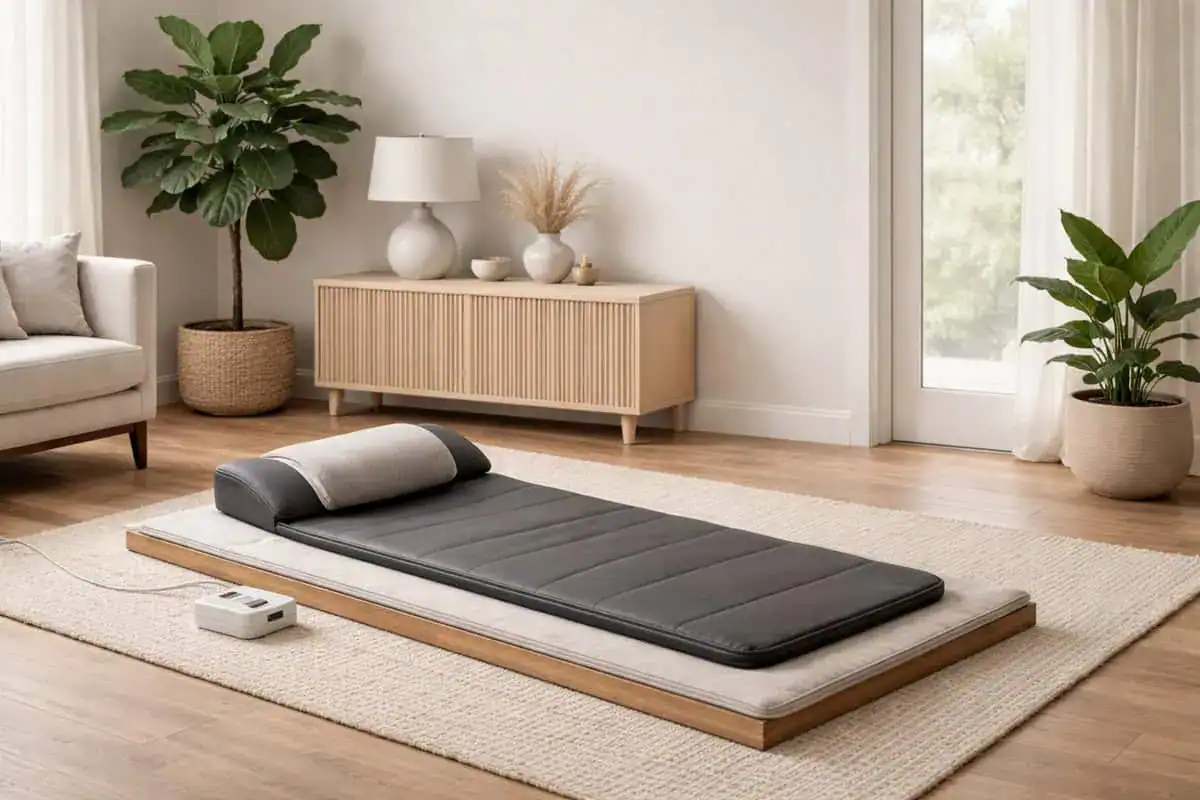
Pulse Centers is known for offering structured PEMF sessions typically delivered in supervised or semi-supervised settings. Unlike consumer-grade mats designed for daily home use, Pulse Centers systems are often integrated into wellness clinics or performance-focused facilities.
This positioning places them closer to what many would consider professional-grade PEMF platforms, where session protocols, device intensity ranges, and structured scheduling are part of the experience.
If you’re new to PEMF therapy, reviewing foundational education such as our Best PEMF Devices & Mats (2026 Buyer’s Guide) can help contextualize where clinic-based systems sit relative to home-use mats.
In practical terms, “clinic-oriented” typically means the device is part of a broader service model: you may book sessions, complete an intake process, and follow a predefined cadence (for example, multiple sessions over several weeks). This can feel reassuring for some users because the environment is designed to be consistent, quiet, and guided.
It can also change how you evaluate “value.” With a clinic model, you are often paying for more than exposure to a field: you may be paying for the setting, the scheduling structure, and the ability to ask questions in real time. With at-home devices, the value proposition is different: you are paying for ownership, convenience, and the ability to use the device in short, frequent sessions as part of a routine.
Another framing that helps: clinic-based PEMF is frequently positioned as an “appointment-based wellness service,” while home PEMF is positioned as a “daily lifestyle tool.” Neither framing is automatically better, but each implies different expectations, habits, and long-term costs.
If you want a conservative “grounding” before comparing models, it can also help to read the methodology and caution language on our PEMF Therapy Benefits (Science-Backed Overview) page, which is designed to keep claims restrained and evidence-aligned.
How Pulse Centers PEMF Systems Function
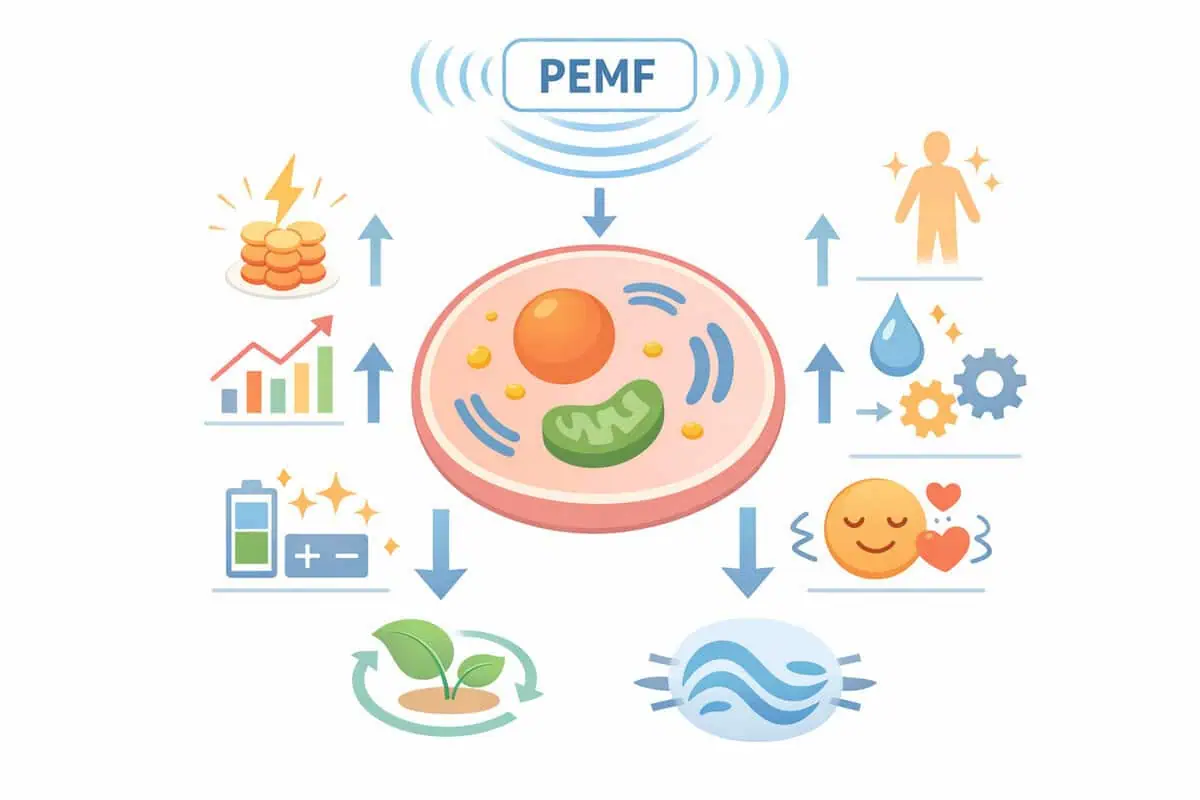
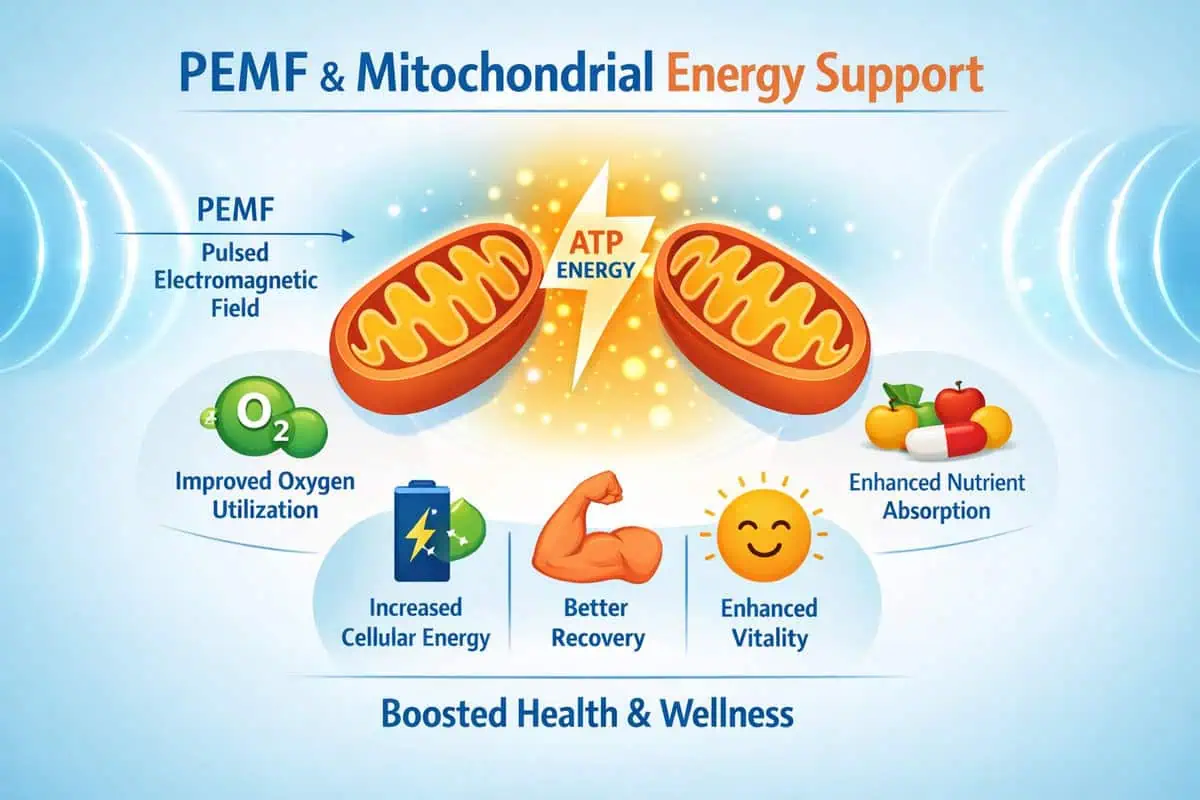
Like other PEMF systems, Pulse Centers platforms emit low-frequency electromagnetic pulses designed to interact with cellular signaling processes. Research published on PubMed has explored how these pulses may influence ion exchange, membrane potential regulation, and downstream signaling pathways.
At a physiological level, PEMF exposure is often discussed in relation to:
- Cellular signaling modulation
- Microcirculation dynamics
- Mitochondrial energy processes
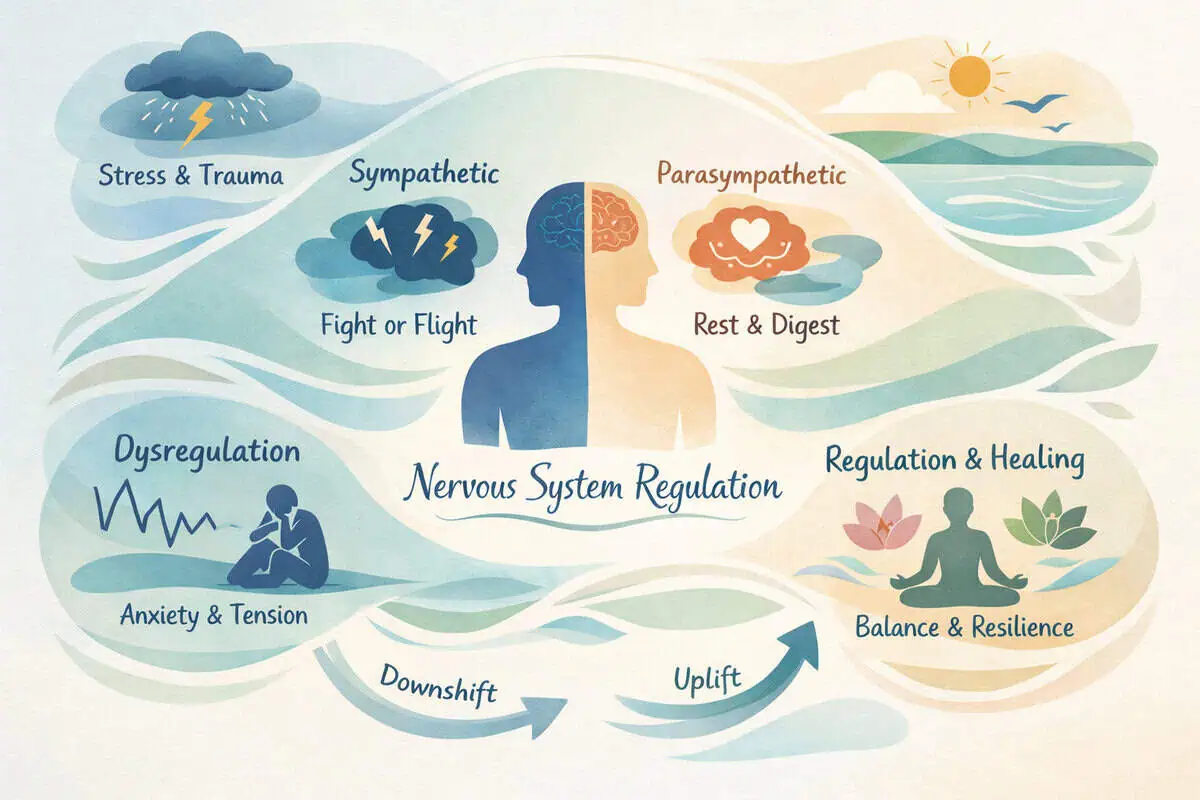
- Nervous system regulation
For a deeper overview of these mechanisms, see our science-backed overview of PEMF therapy benefits.
A conservative way to understand PEMF is to think in “inputs and responses” rather than guaranteed outcomes. The input is a pulsed electromagnetic signal characterized by parameters like frequency (Hz), waveform, pulse pattern, and intensity. The response is the body’s complex adaptation to that input, which can vary by individual, session timing, and baseline stress or recovery state.
Mechanistically, discussions often start at the cell membrane. Cells maintain electrical gradients and ion flows across membranes, and many physiological processes rely on these electrochemical patterns. PEMF is frequently described as a signal that may interact with these patterns—particularly where ion channels and membrane dynamics are central. This does not imply a “cure” mechanism; it is simply a plausible framing that aligns with how researchers discuss bioelectromagnetic signaling.
It’s also useful to separate three concepts that are frequently blended together in marketing:
- Frequency (Hz): how often pulses occur per second
- Intensity: the relative strength of the field delivered
- Exposure pattern: how the signal changes over time (programs, ramps, cycles)
Different systems emphasize different parameter ranges. Clinic-based platforms are often marketed as “more robust,” but from a conservative lens, “robust” should be interpreted as “more adjustable or broader in settings,” not automatically “more effective.”
If you want a structured way to compare settings across device categories, the decision logic in the Buyer’s Guide can help you interpret specs without over-weighting any single number.
Finally, it’s worth noting that the strongest medical-adjacent research history for PEMF is often tied to specific regulated indications and device types, and that broader wellness applications can involve more variability in study design. A conservative review keeps those boundaries clear and avoids assuming that any one platform automatically maps to outcomes studied in other contexts.
Typical Session Experience
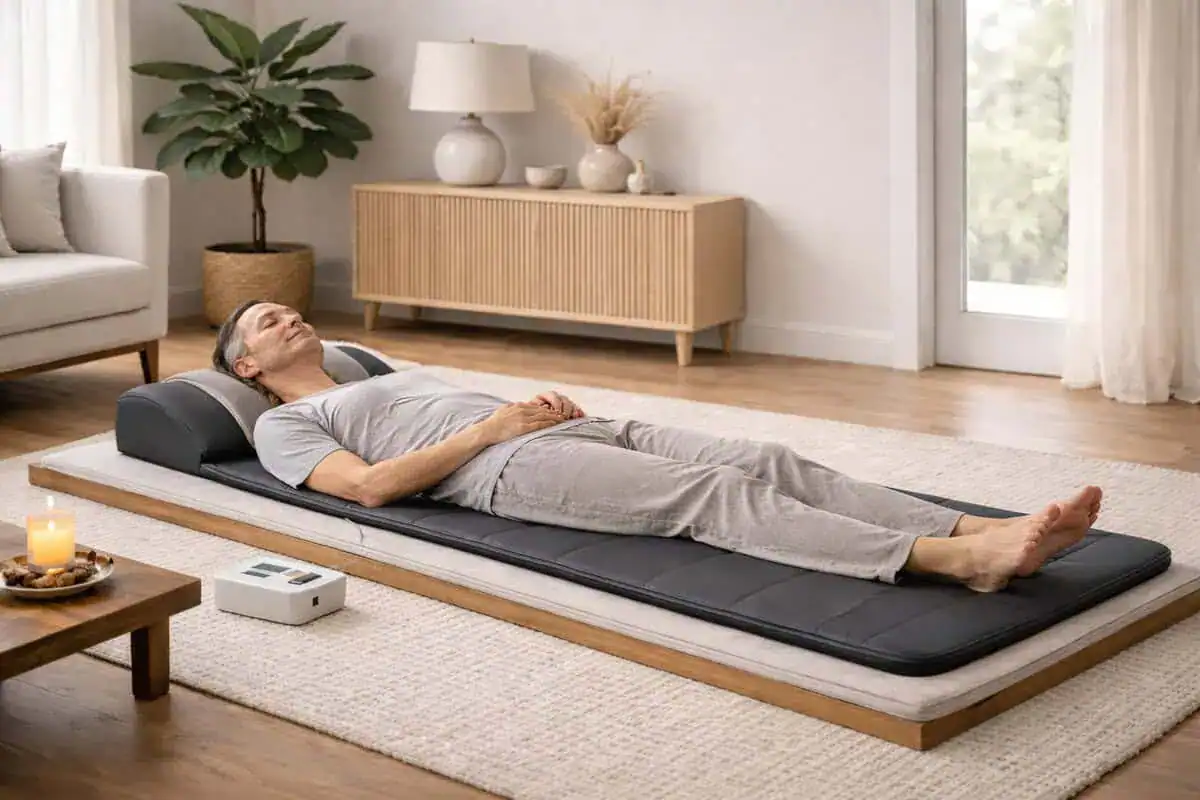
Pulse Centers sessions are generally structured and time-bound. Users typically lie on a full-body applicator system for a defined duration. Experiences reported in clinical settings often include subtle pulsing sensations or a gentle sense of relaxation.
Sessions are commonly delivered in series rather than as isolated exposures. This structured cadence differs from home-use models, where daily or near-daily shorter sessions are more typical.
The Cleveland Clinic notes that non-invasive therapies are often best understood as part of a broader wellness plan rather than standalone solutions (Cleveland Clinic).
In many clinics, the session environment is designed to reduce distractions: dim lighting, quiet rooms, and a predictable routine. From a conservative perspective, that environment can matter because relaxation and downshifting the nervous system are not “PEMF-only” phenomena. The setting itself can support calm, which may influence perceived experience during and after sessions.
If you are comparing clinic sessions to home use, it can help to track practical signals rather than outcome claims. Examples of conservative, non-medical markers include:
- How easy it is to keep sessions consistent week to week
- Whether the session fits into your day without friction
- Whether you tend to feel more relaxed during the session window
- Whether the routine supports better recovery habits (sleep timing, hydration, mobility work)
This kind of framing aligns with a “supportive wellness routine” model rather than a “treatment” model, and it keeps expectations realistic.
A final nuance: some users report perceiving sensations (tingling, warmth, gentle pulsing), while others report feeling nothing specific during the session. Sensation is not a reliable indicator of “effectiveness,” and the absence of sensation is not inherently a negative sign. Conservative evaluation avoids reading too much into immediate sensory feedback.
Clinic-Based vs Home-Based PEMF

A central question in any Pulse Centers PEMF review is whether clinic-based systems provide advantages over at-home mats.
Key distinctions typically include:
- Supervision: Structured oversight in clinic settings
- Intensity ranges: Often broader in professional systems
- Scheduling: Appointment-based vs flexible home use
- Cost structure: Per-session vs device ownership
If flexibility and long-term cost control are priorities, comparing clinic systems to high-quality home mats may be helpful. Our PEMF Sage blog covers both models in depth.
A practical comparison starts with your likely usage pattern. Clinic sessions are often longer and less frequent (for example, a few sessions per week), while home use can be shorter and more frequent (for example, 10–30 minutes most days). Neither cadence is automatically superior, but each has different “behavioral friction.”
Another difference is how progress is tracked. In clinics, tracking may be informal (how you feel over time, whether you keep the plan) or more structured (session logs, program changes). At home, tracking is usually self-directed. If you prefer clear structure, a clinic may feel easier to follow.
For some users, the most meaningful “advantage” of home ownership is not intensity or specs—it is the ability to integrate PEMF into a routine without travel time. That matters because long-term use is often driven by convenience. Even a high-quality clinic system provides limited value if sessions are too hard to schedule consistently.
In contrast, the most meaningful “advantage” of clinic systems is often the service wrapper: a consistent environment, someone to explain settings, and a prebuilt routine. If you are comparing purely on device parameters, you may miss the real differentiator: the delivery model.
If you want a conservative decision shortcut, consider asking: “Which model am I more likely to maintain for 8–12 weeks?” That time horizon often reveals whether you are realistically set up for a clinic schedule or better suited for home integration.
Safety Considerations
As with all electromagnetic therapies, safety depends on context. General guidance from institutions such as the NIH emphasizes careful evaluation of non-invasive therapies in individuals with implanted electronic devices.
Common precaution groups may include:
- Individuals with pacemakers or implanted defibrillators
- Pregnant individuals
- Those with complex neurological implants
For a comprehensive breakdown of contraindications, review our dedicated PEMF therapy safety page.
A conservative safety approach also includes “dose awareness.” Even if a device is marketed as gentle, exposure parameters still matter. If you are new to PEMF, it is generally prudent to start with shorter sessions and lower settings when available, then adjust gradually based on comfort and tolerance.
It can also help to keep expectations grounded: feeling “more” (strong sensations, intense stimulation) is not automatically better and may not be desirable for all users—especially those who are sensitive to stimulation or who are using PEMF as part of a relaxation-oriented routine.
In supervised environments, staff may guide session length and settings. In home environments, users must self-regulate. This is one reason some people prefer a clinic model early on: it reduces the chance of overdoing intensity or duration out of enthusiasm.
If you are managing complex health considerations, this topic belongs in a clinician conversation rather than a device marketing conversation. Conservative education focuses on risk awareness and appropriate caution, not on pushing use into populations where safety is unclear.
What the Research Says
Clinical research into PEMF spans decades, particularly in bone health and post-surgical contexts. Broader applications continue to be studied, with varying strength of evidence.
Mayo Clinic guidance on complementary therapies underscores the importance of cautious interpretation and integration into overall care plans (Mayo Clinic).
Pulse Centers systems operate within this broader evidence landscape rather than outside it. They should not be viewed as cures or replacements for standard medical treatment.
A conservative evidence lens asks a few consistent questions:
- Is the research focused on a specific indication or a general wellness outcome?
- Are the devices in the studies comparable in parameters to consumer or clinic wellness systems?
- Is the evidence based on objective measures, subjective reports, or both?
- Are results consistent across multiple studies, or isolated to a few small trials?
This matters because “PEMF” is not a single standardized intervention. Frequency ranges, intensity, and program design vary widely. When a marketing claim references “PEMF studies,” a conservative review verifies whether the claim is applicable to the device category being discussed.
Another important distinction is between regulated therapeutic devices used in clinical medicine and wellness-oriented platforms used in non-medical settings. Even when the underlying physics is related, the context, intended use, and evidence base may differ.
If you want to explore PEMF research in a structured way without over-reading headlines, browsing topic clusters on PubMed can be helpful—especially when you focus on review papers or meta-analyses and pay attention to device parameters and populations studied.
For readers who want an “evidence-first” orientation, the most reliable approach is to use PEMF as a supportive modality within a broader plan (sleep, movement, recovery habits) rather than expecting single-modality results. This aligns with the Cleveland Clinic’s broader wellness framing for non-invasive, supportive interventions (Cleveland Clinic).
Who Might Consider Pulse Centers?
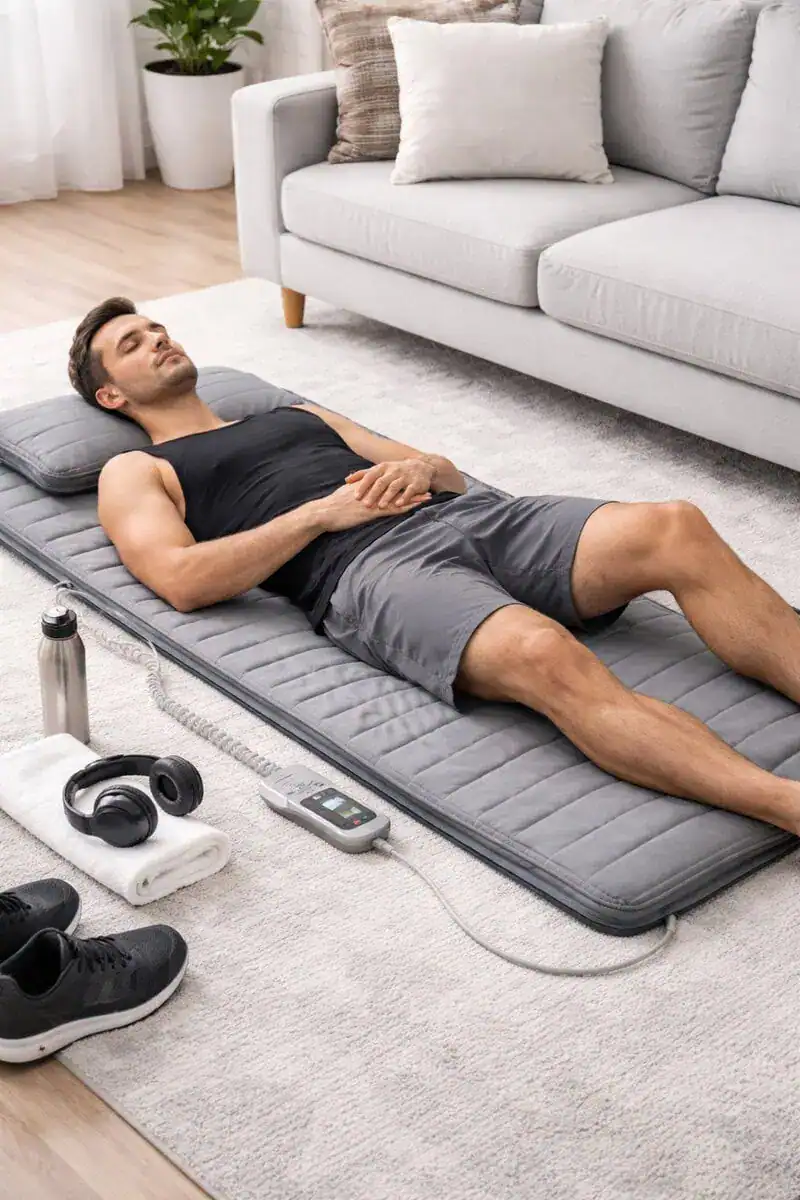
Pulse Centers may appeal to individuals who:
- Prefer supervised wellness environments
- Value structured session protocols
- Are exploring performance or recovery support within a clinic framework
Those seeking independent daily routines may find home-use systems more aligned with lifestyle needs.
It may also be a fit for people who want a “try before you buy” pathway. Some users prefer experiencing clinic sessions first to decide whether PEMF feels like a supportive addition to their routine before investing in a home device.
Conversely, if travel time, scheduling, or recurring costs create friction, clinic-based sessions can become difficult to sustain. In those cases, a home system may be more practical even if the clinic system is perceived as “higher grade.”
Cost Structure & Practical Factors

Clinic-based PEMF often involves session packages. Over time, cumulative costs can exceed the one-time purchase price of a home device. However, structured oversight may justify this for some users.
Comparing ownership vs session models is one of the most important financial considerations in this Pulse Centers PEMF review.
A helpful way to evaluate cost is to translate everything into “cost per week” over a realistic time horizon. For example, a clinic plan may look manageable month to month, but over 3–6 months the cumulative investment can become substantial. A home device has a higher upfront cost, but the marginal cost per additional session decreases over time.
You can also factor in “hidden costs” that often go unmentioned:
- Time cost: travel, appointment coordination, waiting time
- Consistency cost: missed sessions reduce value and momentum
- Opportunity cost: whether the plan displaces other recovery habits you already know you can maintain
On the ownership side, long-term considerations include maintenance, durability, and usability. Even when a device is simple, the practical reality is that people use what is easy. A device that is cumbersome to set up often gets used less than intended—regardless of specifications.
For home systems, it’s also worth considering where the device will live in your home and how you will integrate it into an existing routine. Many people find the most consistent use happens when the session can be paired with something already habitual (evening wind-down, breathing practice, quiet reading). If you want more ideas for low-friction integration, the PEMF Sage blog includes routine-focused education that stays conservative and non-medical.
Clinic models can reduce decision fatigue because the environment is designed for sessions. Home ownership increases autonomy, but it also requires you to create your own structure. If your schedule is unpredictable, that autonomy can be an advantage; if you prefer external structure, clinic packages can be easier to follow.
Finally, keep compliance and claims discipline in mind when reviewing any provider or platform. The most trustworthy providers and reviewers avoid disease-specific promises and instead describe PEMF as a supportive modality with boundaries. If you ever feel that the marketing narrative is pushing beyond conservative wellness framing, that is a signal to slow down and re-anchor your expectations in evidence-aligned language.
How Pulse Centers Compares to Leading Home Systems

While Pulse Centers operates primarily in a clinic-based model, high-quality home systems such as those featured in our 2026 Buyer’s Guide offer adjustable settings, portability, and long-term cost efficiency.
The right choice depends on:
- Budget structure
- Need for supervision
- Desired session flexibility
Strengths and Limitations

Potential Strengths:
- Structured, clinic-style environment
- Professional oversight
- High-intensity system capabilities
Potential Limitations:
- Ongoing session costs
- Scheduling constraints
- No device ownership
One additional consideration is expectation management. Clinic platforms can feel more “serious” because they are delivered in a professional setting, but seriousness is not the same as certainty. A conservative approach focuses on fit, safety, and routine adherence rather than trying to extract guaranteed outcomes from a single modality.
Evaluation Framework

When evaluating Pulse Centers, ask:
- Do I prefer supervised sessions or independent use?
- Is a recurring cost model acceptable?
- Am I seeking structured protocols or flexible daily integration?
Framing the decision this way keeps expectations realistic and aligned with evidence.
If you want a simple “next step” after answering those questions, it can help to compare a clinic plan against a shortlist of home categories (entry-level mats, higher-end mats, and full-body systems). Our Buyer’s Guide is built to support that comparison using conservative language and clear boundaries.
Conclusion: Where Pulse Centers Fits
This Pulse Centers PEMF review highlights that clinic-based systems offer structured, professionally guided sessions within the broader PEMF ecosystem. They may suit individuals who value oversight and protocol-driven environments.
However, many users may find that high-quality home systems provide comparable flexibility at lower long-term cost. To compare leading home options, visit our Best PEMF Devices & Mats (2026 Buyer’s Guide).