Low-Intensity PEMF Wearables Review

This low-intensity PEMF wearables review examines a growing category of portable pulsed electromagnetic field devices designed for localized use. Unlike full-body mats or larger home systems, wearable PEMF units are typically compact, lower in intensity, and intended for targeted application to specific areas of the body.
Rather than focusing on marketing claims, this review explains how low-intensity wearables are structured, what physiological mechanisms they may influence, and where they realistically fit within the broader PEMF ecosystem. If you are comparing formats, you may also find our Best PEMF Devices & Mats (2026 Buyer’s Guide) helpful for context.
A helpful way to think about this category is “localized exposure with high convenience.” Wearables can make it easier to build a consistent routine, but they usually trade off full-body coverage. The most practical expectation is that a wearable is a focused tool used repeatedly over time—not a one-session solution.
What Are Low-Intensity PEMF Wearables?
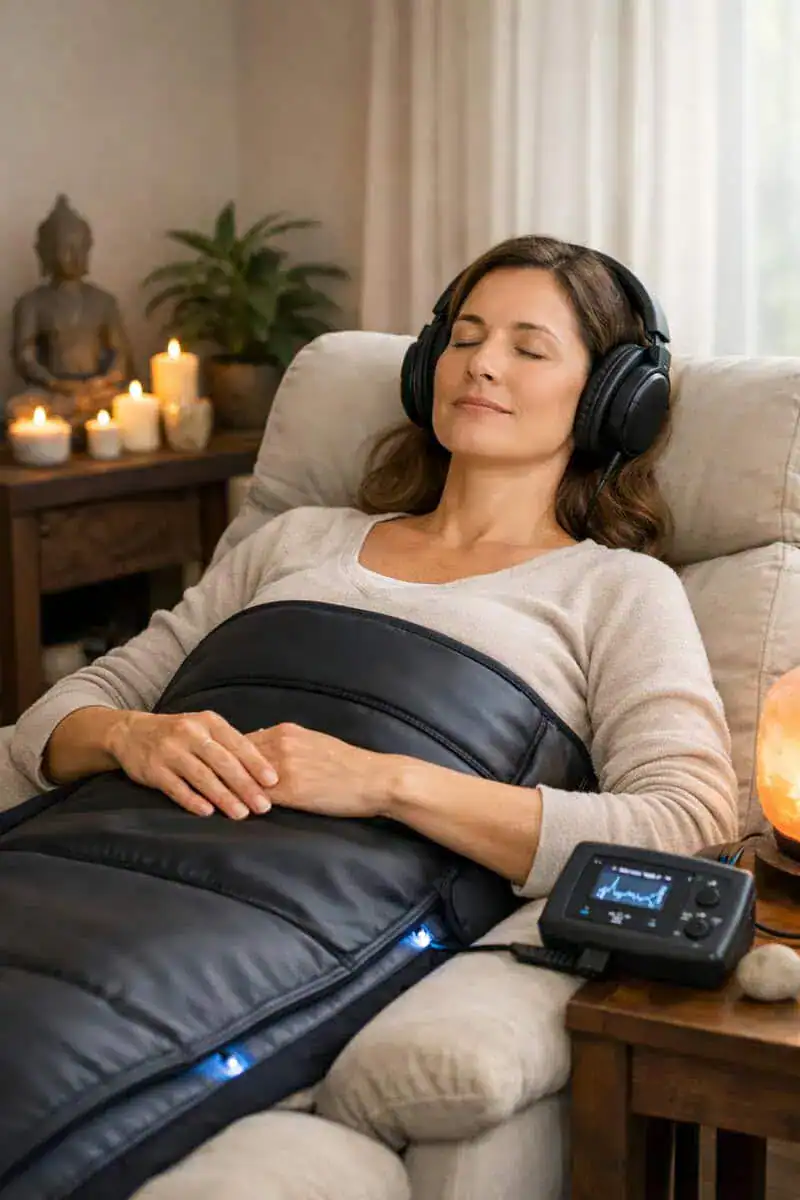
Low-intensity PEMF wearables are compact devices designed to deliver pulsed electromagnetic fields to a specific, localized region. They often appear as:
- Small loop-style applicators
- Flexible pads or wraps
- Ring-style emitters
- Clip-on modules connected to lightweight control units
These systems typically operate at lower field strengths than full-body mats. Their goal is not systemic exposure, but focused application to one joint, muscle group, or small anatomical region at a time.
In most cases, sessions are passive. Users secure the device over a target area and remain seated or at rest while the system runs a preset program.
What “low-intensity” usually means
In consumer use, “low-intensity” generally refers to devices that deliver relatively gentle field strengths compared with higher-output professional systems or certain home mats. Not all brands publish measurements in standardized units, so the label is often descriptive rather than strictly quantitative.
From a practical standpoint, these wearables emphasize:
- Minimal sensation during use
- Small, targeted applicator areas
- Short, repeatable sessions
- Portable, battery-powered design
Hardware basics
Most wearables use a small coil that generates a pulsed magnetic field when current flows through it. The coil may be embedded in a loop, pad, or strap-based applicator. Because the exposure zone is limited, placement and proximity matter more than they do with large full-body systems.
Specification transparency
When available, useful specifications include frequency range (Hz), session duration, and a description of preset programs. If a device provides little technical detail and relies primarily on broad outcome claims, it becomes harder to evaluate responsibly.
It is also useful to distinguish between devices that are truly “wearable” and those that are simply compact. A strap-secured applicator that stays in place during a seated routine generally supports better adherence than a small module that must be held or frequently repositioned. Over weeks of use, that ergonomic difference can matter more than small variations in published specifications.
As a baseline screening step, look for basic disclosure: frequency range (in Hz), typical session duration, clear contraindications, and an accessible warranty or return policy. Even if intensity units vary between brands, transparent guidance about how and when to use the device is a reasonable minimum standard for responsible evaluation.
How Low-Intensity Fields Interact With Tissue
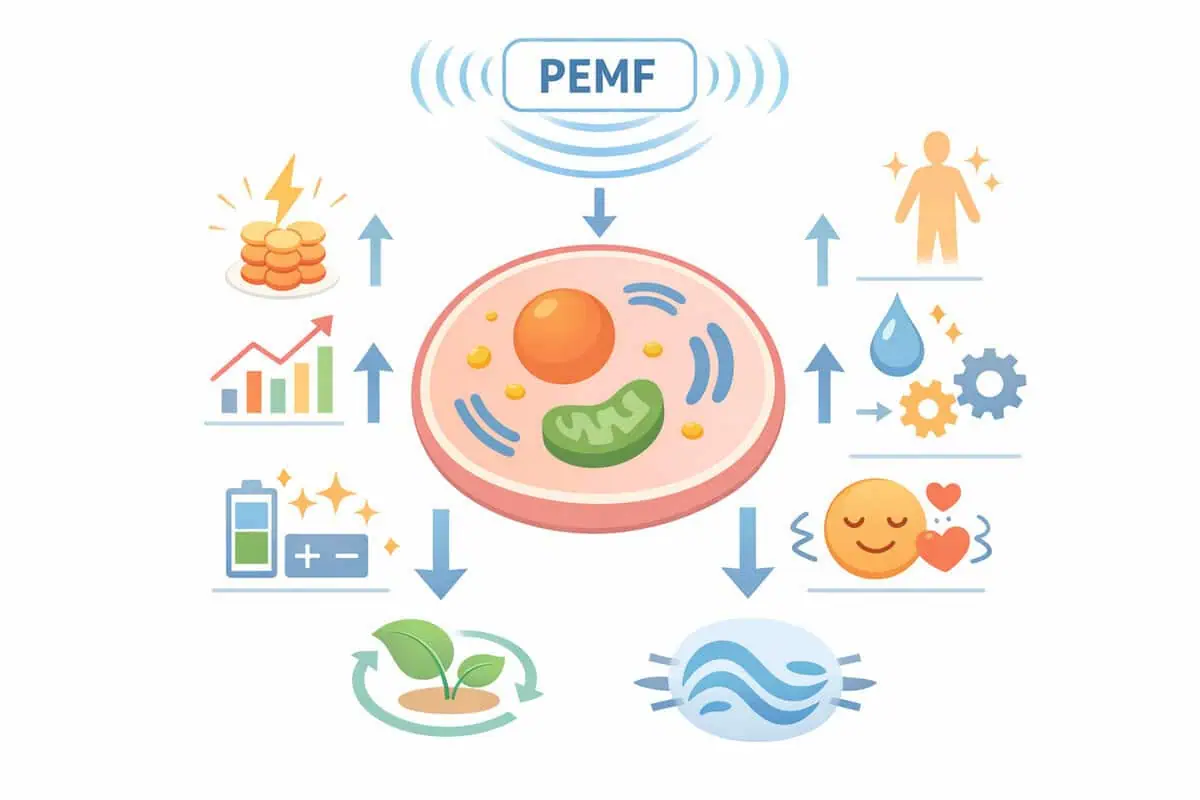
PEMF therapy is studied for its influence on cellular signaling and ion exchange across cell membranes. Research indexed in PubMed describes how pulsed electromagnetic fields may interact with voltage-gated ion channels and cellular communication processes.
At lower intensities, the proposed mechanism centers on subtle modulation of:
- Ion transport
- Membrane potential
- Microcirculatory signaling
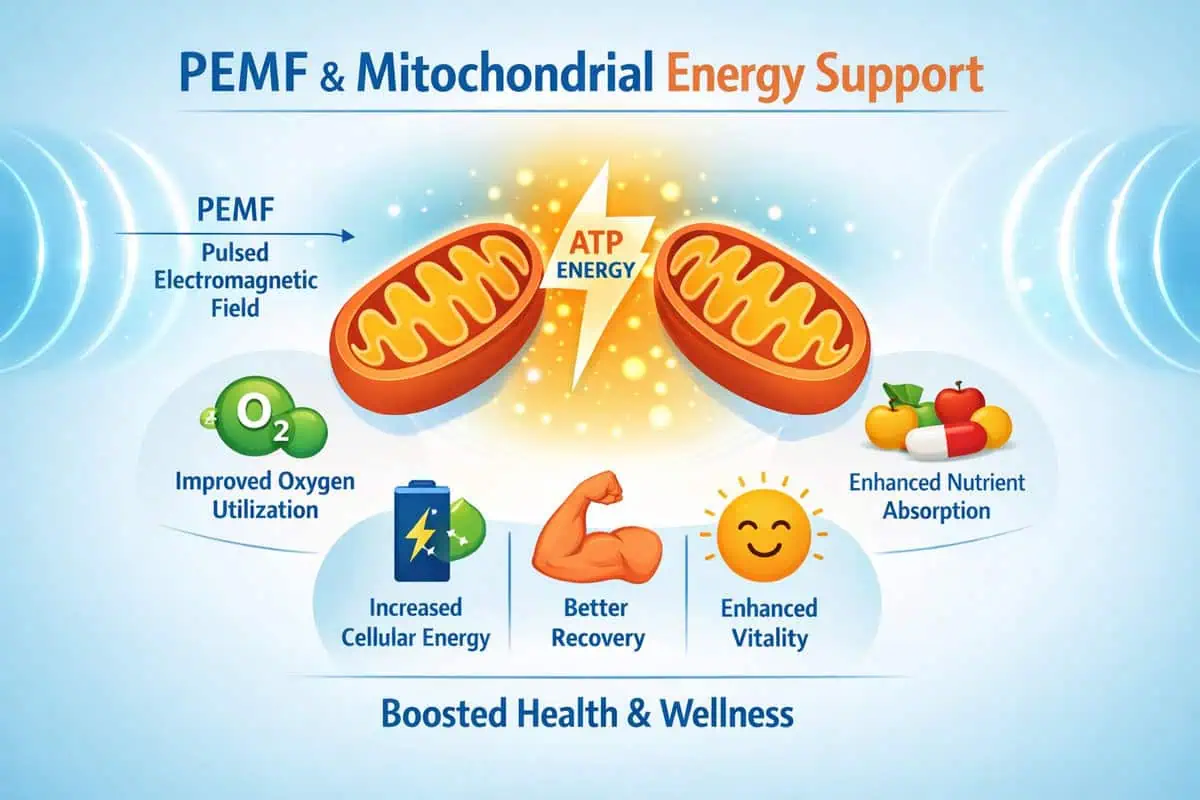
- Mitochondrial energy processes
The National Institutes of Health (NIH) notes that electromagnetic fields used therapeutically are generally applied within specific frequency and intensity parameters to influence biological systems without generating heat.
Low-intensity wearable systems remain within conservative output ranges, emphasizing gentle modulation rather than deep-field penetration.
Induced electrical effects
Time-varying magnetic fields can induce small electrical fields in nearby conductive tissue. In research settings, this induced signaling is discussed in relation to membrane potentials and ion channel behavior. For consumer wearables, it is appropriate to frame this as subtle interaction with normal bioelectrical processes—not as a guaranteed biological switch.
Microcirculation and energy signaling
Some studies explore PEMF exposure in relation to microcirculation and mitochondrial signaling. While these pathways are biologically relevant, outcomes vary by device parameters and protocol. Wearables, because of their size and intensity, are best understood as localized exposures rather than systemic interventions.
What PEMF is not
- Not static magnet therapy: PEMF uses pulsed, time-varying fields.
- Not heat therapy: Typical PEMF use is described as non-thermal.
- Not medical treatment: Consumer wearables do not replace clinical evaluation.
Maintaining these distinctions helps prevent exaggerated expectations.
Another important context point is that “PEMF research” spans a wide range of parameters. Variations in frequency, waveform, pulse timing, coil size, and exposure duration can all influence the biological interaction being studied. Because of this variability, it is not scientifically precise to treat all PEMF devices as interchangeable simply because they share a category label.
When evaluating research references used in marketing materials, consider whether the cited studies involved clinical-grade systems, different intensity tiers, or specialized laboratory protocols. If those parameters differ substantially from a low-intensity wearable, the citation should be viewed as mechanistic background rather than direct evidence of identical real-world outcomes.
Common Use Scenarios for Wearable Devices
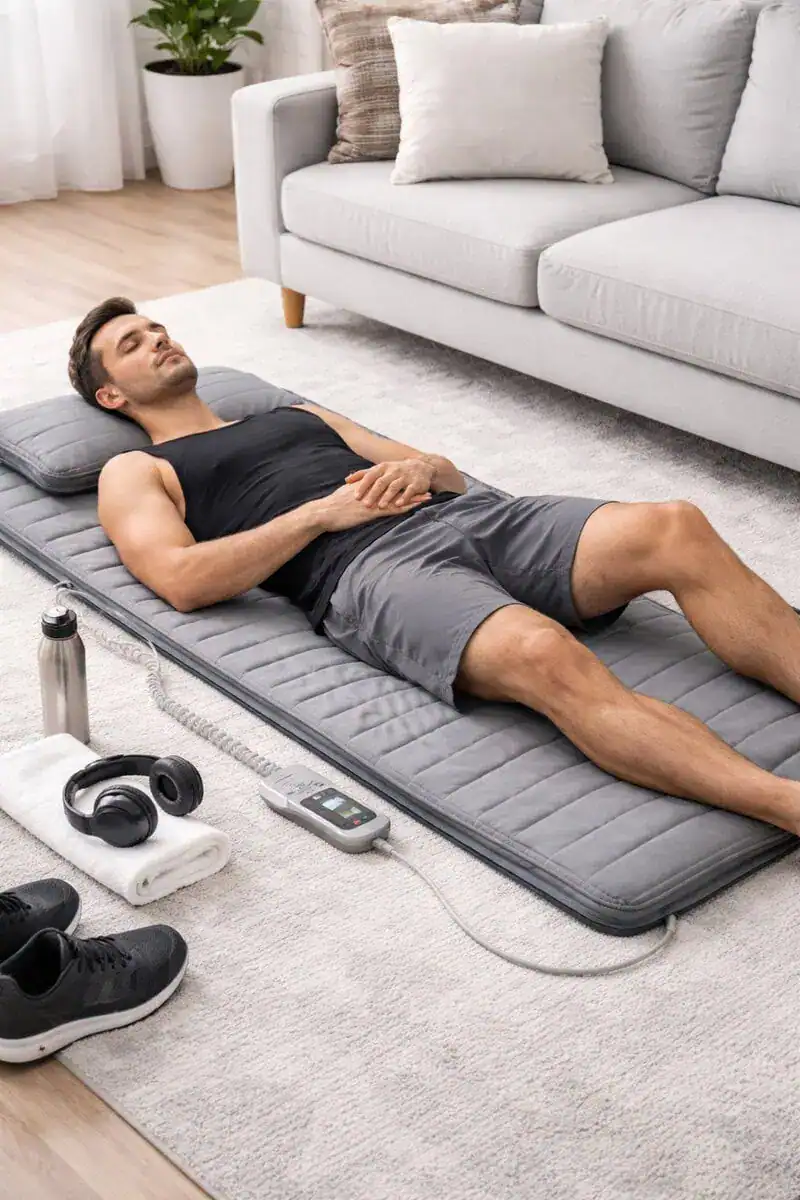
Most users consider wearable PEMF devices for:
- Localized muscle recovery
- Joint support routines
- Post-activity relaxation
- Short daily maintenance sessions
Unlike full-body systems, wearables are often integrated into:
- Desk-based work routines
- Evening wind-down habits
- Travel scenarios
- Targeted recovery sessions
Because they are compact, many people use them while reading or watching television.
Consistency over intensity
With low-intensity formats, consistency tends to matter more than complexity. Short, repeatable sessions placed at the same time of day are often easier to sustain than irregular, highly variable routines.
Placement considerations
Since wearables treat one region at a time, stable positioning is important. Comfortable straps and secure placement increase the likelihood of long-term use.
Limitations of Low-Intensity Wearables

It is important to understand that low-intensity PEMF wearables:
- Do not provide full-body exposure
- Typically affect a small surface area
- May require repeated sessions for cumulative use
The Cleveland Clinic emphasizes that supportive therapies should not replace medical evaluation for persistent or worsening symptoms.
Wearables may play a supportive role in a broader wellness strategy, but they are not substitutes for comprehensive medical care.
Localized expectations
Because exposure is strongest near the applicator, wearables are best framed as localized routines. They do not replicate the coverage of lying on a full-body mat.
Protocol variability
Two devices labeled “low-intensity PEMF” may differ significantly in frequency presets, waveform design, and session structure. Comparing full protocol details is more meaningful than comparing category labels.
Comparison: Wearables vs Full-Body Mats
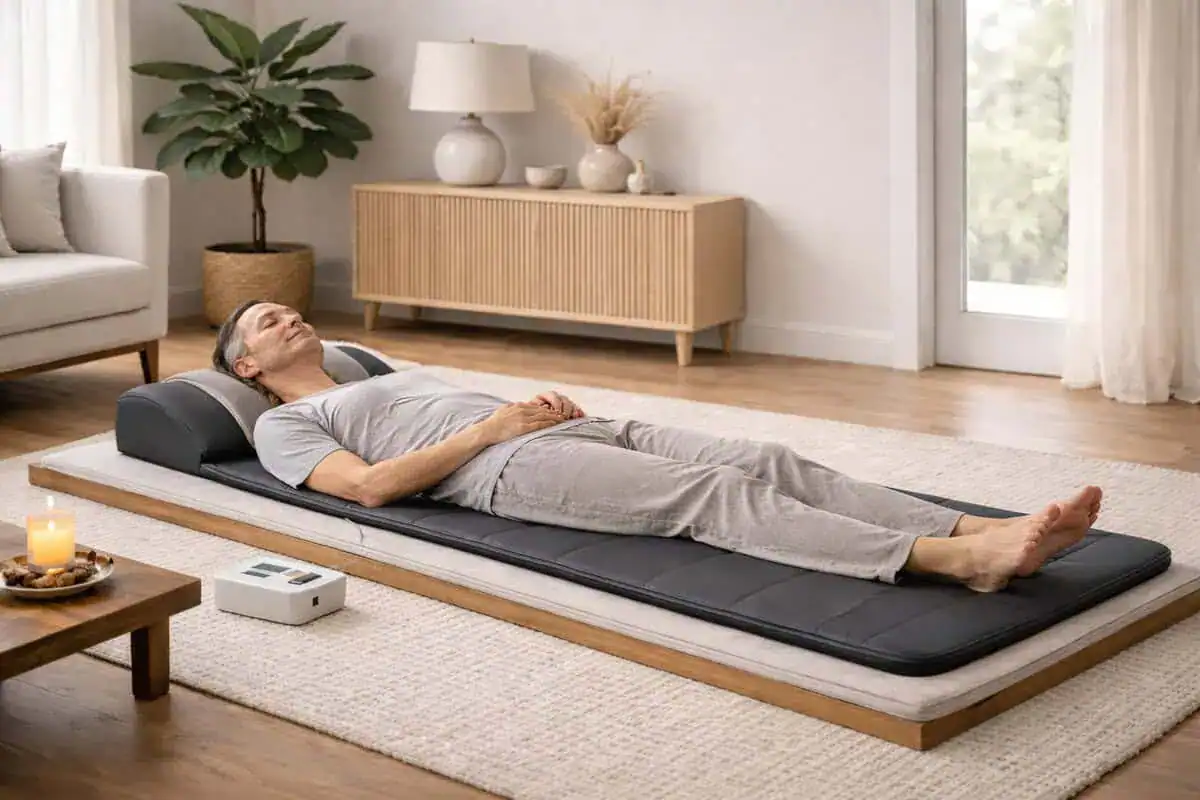
The primary differences include:
- Coverage: Wearables target one area; mats provide broader exposure.
- Intensity: Wearables are typically lower output.
- Portability: Wearables are easier to travel with.
- Session format: Mats often involve longer, structured sessions.
If you are evaluating broader system formats, our Buyer’s Guide to PEMF devices explains how different configurations compare.
Choosing based on routine
Wearables are often preferred when convenience and portability are top priorities. Mats may be more appropriate when broader coverage and a single-session format are desired.
Ultimately, the best device is the one you will use consistently.
A simple decision framework can help clarify the tradeoff. If your primary goal is convenience and you anticipate using the device in short, repeatable sessions during daily life, a wearable format may align better with your routine. If your priority is broader coverage with fewer placement variables, and you have a dedicated space at home, a mat-based system may feel more straightforward.
Frequency, Waveforms & Program Structure

Low-intensity wearables typically use preset frequencies. These may range from low Hz programs focused on relaxation to higher ranges used in muscle recovery contexts.
Research indexed in PubMed has explored how varying frequency patterns influence biological signaling pathways, though findings vary by study design.
Consumers should look for:
- Clearly published frequency ranges
- Transparent intensity specifications
- Defined session durations
Opaque or exaggerated technical claims should be approached cautiously.
Practical dosing mindset
In consumer contexts, “dosing” typically refers to session length and frequency of use. A conservative approach emphasizes starting with shorter sessions and maintaining a steady schedule rather than constantly changing settings.
Red flags
- Vague technical explanations without measurable parameters
- Guaranteed outcome claims
- Advice that replaces medical consultation
It can also be helpful to resist the urge to constantly change settings. With low-intensity wearables, consistency in placement and program selection often provides clearer feedback than cycling through multiple presets. A conservative approach is to select one appropriate program, use it for several weeks under similar conditions, and evaluate overall routine fit rather than day-to-day fluctuations.
If a device offers many modes but limited explanation, simplicity may still be preferable. Clear guidance, stable usage patterns, and realistic expectations typically contribute more to a sustainable experience than technical complexity alone.
Safety Considerations

PEMF therapy is generally described in clinical literature as non-invasive. However, certain populations should exercise caution.
The Mayo Clinic advises that individuals with implanted electronic devices, such as pacemakers, consult healthcare professionals before using electromagnetic therapies.
Pregnant individuals, those with active medical implants, or individuals under medical treatment should review safety guidance and consult a qualified provider before use.
For more detail, review our science-backed overview of PEMF therapy benefits, which outlines general context and limitations.
Follow manufacturer instructions carefully and discontinue use if unusual sensations occur.
Who Might Prefer Wearables?

Low-intensity PEMF wearables may appeal to individuals who:
- Prefer targeted application
- Travel frequently
- Want shorter, flexible sessions
- Are not seeking full-body exposure
They may serve as an entry point for users exploring PEMF therapy without investing in larger systems.
Ownership reality
Wearables are convenient but require attention to placement and charging. Long-term use may involve cleaning wraps, maintaining straps, and monitoring battery life.
Compliance considerations
Before purchasing, consider whether you can realistically maintain three to five sessions per week. Consistency is often more important than device complexity.
From a long-term ownership standpoint, practical details deserve attention. Replaceable straps or wraps, clear cleaning instructions, expected battery lifespan, and responsive customer support all influence how usable the device remains over time. These maintenance considerations are rarely emphasized in marketing, but they meaningfully affect whether a wearable becomes part of a sustained routine.
Evidence & Research Context
Published research has explored PEMF therapy in various contexts, including musculoskeletal and cellular function studies. Much of this research involves controlled laboratory or clinical environments.
It is important to distinguish between:
- Clinical-grade systems
- Consumer-level wearable devices
- Low-intensity home-use formats
Outcomes depend on device parameters, usage protocols, and study design. When a wearable references research, evaluate whether its parameters resemble those described in published studies.
How Wearables Fit in a Broader PEMF Strategy

Wearables are often used as:
- Supplemental devices alongside full-body systems
- Localized support between mat sessions
- Convenient tools during travel
For a broader overview of device tiers and system categories, explore our PEMF education blog.
Some users begin with a wearable to establish a habit, then consider broader systems if they want expanded coverage.
Key Buying Considerations

When evaluating low-intensity PEMF wearables, consider:
- Published technical specifications
- Clear safety guidance
- Defined program structure
- Battery life and portability
- Manufacturer transparency
Avoid devices that:
- Claim to cure specific diseases
- Provide no measurable frequency data
- Use exaggerated testimonials instead of specifications
If you have specific questions about system types, you may also contact PEMF Sage for clarification.
Risk management
Because comfort is individual, return policies and warranty terms can matter. A reasonable return window reduces risk if the device does not fit your routine.
Conclusion: A Targeted, Portable Entry Point
Low-intensity PEMF wearables represent a portable, localized format within the broader PEMF landscape. They prioritize convenience and focused application over systemic exposure.
For individuals seeking targeted sessions or travel-friendly options, they may serve as a conservative starting point. However, those seeking broader exposure may wish to compare wearable devices with full-body formats in our comprehensive 2026 Buyer’s Guide.
If you are dealing with persistent symptoms or uncertainty about safety, it is prudent to seek appropriate medical guidance and treat any consumer wearable as a complementary wellness tool rather than a substitute for evaluation.