Clinic-Based PEMF Systems Overview

This overview of clinic-based PEMF systems takes a conservative, evidence-aligned look at professional pulsed electromagnetic field platforms typically used in medical, rehabilitation, or specialized wellness settings. Unlike home-use mats and portable devices, clinic systems are often larger, more configurable, and supervised by trained practitioners.
Rather than focusing on marketing claims, this guide explains how professional systems are generally structured, how sessions are commonly delivered, and how they differ from consumer-level devices. If you are new to PEMF, consider starting with our science-backed overview of PEMF therapy benefits for foundational context.
A practical way to think about “clinic-based” PEMF is that the experience is guided and standardized: the environment is controlled, the device settings are typically selected by someone trained on the platform, and the session is treated as one part of a broader care plan (for example, a recovery routine, a rehab visit, or an integrative wellness program). This does not make clinic systems “better” by default, but it does change the decision-making factors: supervision, access, screening, and costs become part of the equation.
Throughout this post, “professional” refers to the context of use (in-office, supervised, protocol-driven) rather than any promise of medical outcomes. PEMF research includes multiple device categories and regulatory pathways, so it is important to avoid assuming that any one clinic platform is equivalent to another, or equivalent to a prescription-only bone growth stimulator.
What Defines a Clinic-Based PEMF System?

Clinic-based PEMF systems are typically multi-component platforms designed for structured, practitioner-guided sessions. These systems may include:
- Full-body applicators or large mats
- Localized coils or targeted paddles
- Programmable frequency and intensity controls
- Preset clinical protocols
The defining feature is not simply higher power, but professional oversight. Sessions are commonly adjusted based on the individual’s tolerance, session goals, and overall health profile.
In practical terms, “multi-component” often means the system can deliver PEMF in different ways depending on anatomy and intent. A clinic may use a full-body applicator when the goal is a general relaxation or recovery session, and use a smaller coil when the goal is focused exposure to a specific region. The same platform can sometimes support different positioning (lying down, seated) and different applicator distances (direct contact versus a small gap), which can change how the field is delivered to tissue.
Another common defining feature is the availability of standardized presets. Presets are not inherently superior to manual tuning, but they can create more consistent session-to-session use within a clinic. A preset typically bundles frequency, waveform pattern, ramp-up behavior, and time into a single selection. This is one reason professional sessions may feel more “structured” than home use, where individuals often experiment with duration and placement.
Clinic systems also tend to be paired with screening and documentation. Many reputable providers ask about implanted electronics, pregnancy, seizure history, anticoagulant use, or recent procedures. Even when a clinic is operating in a wellness model rather than a medical model, this screening process reflects the reality that electromagnetic exposure is not “one-size-fits-all” and should be approached cautiously in higher-risk populations.
Finally, “clinic-based” often implies an intensity ceiling that is higher than entry-level consumer products. The key is that higher intensity expands the range of possible settings, but it also increases the importance of gradual progression and tolerance-based adjustment. In conservative framing, intensity is best treated as a dosing variable — not a benefit claim.
How Professional Platforms Differ from Home Devices
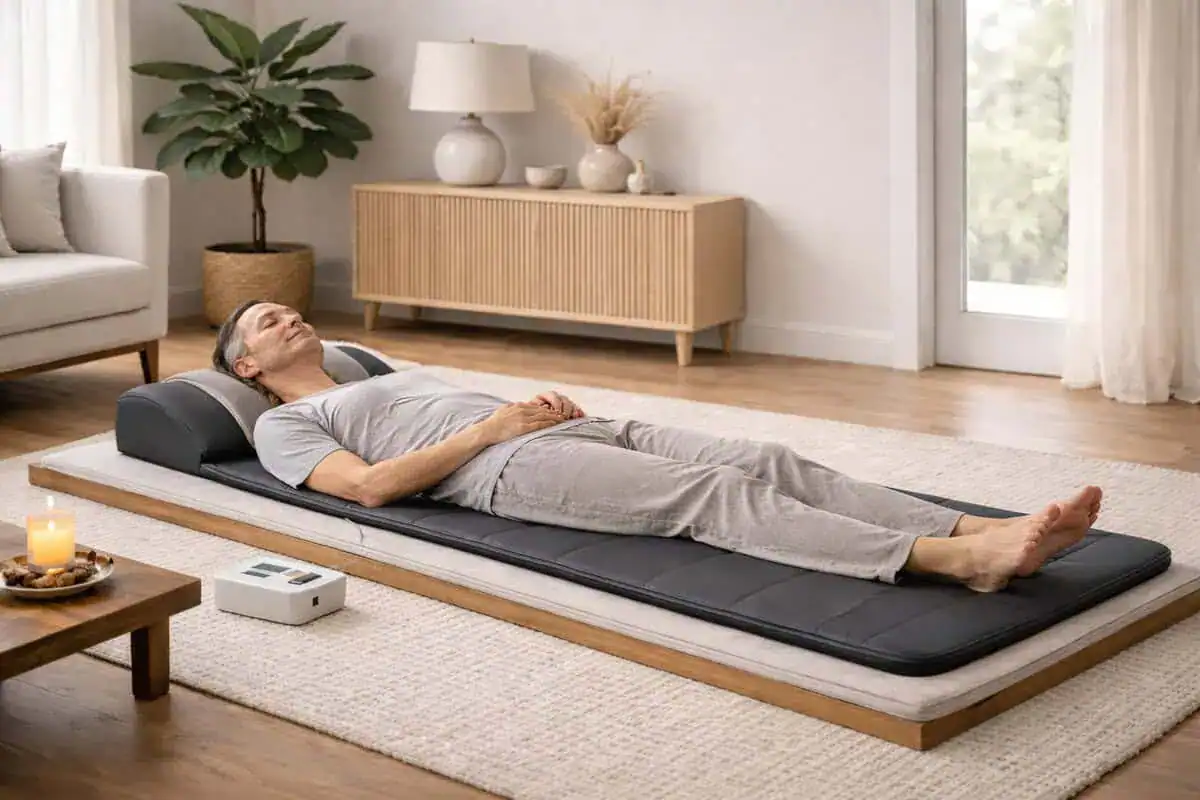
Compared to consumer PEMF mats, clinic systems often offer:
- Broader frequency ranges
- Higher adjustable intensity ceilings
- Multiple applicator options
- Session tracking and protocol customization
However, higher output does not automatically mean better results. Biological response to electromagnetic signaling depends on tissue sensitivity, cellular context, and exposure duration — not simply intensity.
For comparison with structured at-home systems, see our Best PEMF Devices & Mats (2026 Buyer’s Guide).
One of the most practical differences is how “dose” is managed. Home devices are often used with a consistent routine (for example, shorter sessions more frequently), while clinic-based sessions may be less frequent but sometimes longer or more variable in settings. This changes how people judge “effectiveness,” because the experience can be influenced by session spacing, overall stress levels, sleep, and concurrent therapies. A conservative takeaway is that comparing “clinic vs home” is rarely a simple output comparison — it is usually a routine comparison.
Professional platforms may also offer more granular control over waveform characteristics. Many consumer products simplify settings to reduce decision fatigue, which can be helpful for adherence. Clinic systems may allow practitioners to adjust parameters more precisely, but that does not guarantee superior results; it simply allows more tailoring. The quality of tailoring depends on practitioner training, session feedback, and a cautious approach to progression.
Another difference is practicality and access. A clinic session can remove the burden of setup, storage, and device maintenance, which some people value. On the other hand, home systems can support consistency, which is often the limiting factor for non-pharmacologic wellness interventions. If someone can only attend a clinic intermittently, a home model may be more realistic for long-term routine use.
Finally, clinic systems can sometimes be integrated with other modalities in the same visit (for example, guided breathing, soft tissue work, or movement-focused rehab exercises). When PEMF is bundled this way, any perceived benefit may reflect the combined session rather than PEMF alone. This is not a negative — it is simply an important interpretation point for setting expectations.
Typical Clinical Environments

Clinic-based systems are often found in:
- Physical therapy practices
- Chiropractic clinics
- Integrative medicine offices
- Sports recovery facilities
Sessions may last 20–45 minutes and are commonly integrated into broader rehabilitation or recovery programs rather than used in isolation.
Physical therapy settings often prioritize function and tolerance. In that context, PEMF may be offered as an adjunct to movement-based rehab rather than a standalone intervention. Clinics may place PEMF before a therapy session to support relaxation or comfort, or after a session as a wind-down modality. The key point is that PEMF is typically positioned as supportive — not curative — when used responsibly.
Chiropractic and integrative settings may use PEMF as part of a broader wellness service menu. This can include stress-management routines, recovery sessions, or general “nervous system support” framing. A conservative interpretation is that the clinic environment can influence perceived session value through comfort, quiet, and guided routines. This is one reason the same person may describe different experiences in different settings even when the underlying technology category is similar.
Sports recovery facilities may emphasize scheduling and repeatability. Athletes and active individuals often want short, predictable sessions that fit into training cycles. In these environments, PEMF may be paired with mobility work, hydration, sleep coaching, or other recovery-focused practices. Again, this bundling can make it harder to attribute outcomes to PEMF alone, but it can improve adherence and routine consistency.
Across all clinic types, the most important practical variable is provider quality: screening, contraindication awareness, conservative dosing, and realistic language. If a clinic advertises PEMF as a guaranteed fix for specific conditions, that is a trust signal in the wrong direction. A better sign is a provider who explains uncertainty, invites feedback, and emphasizes safety.
Mechanism: Cellular Signaling & Microcirculation
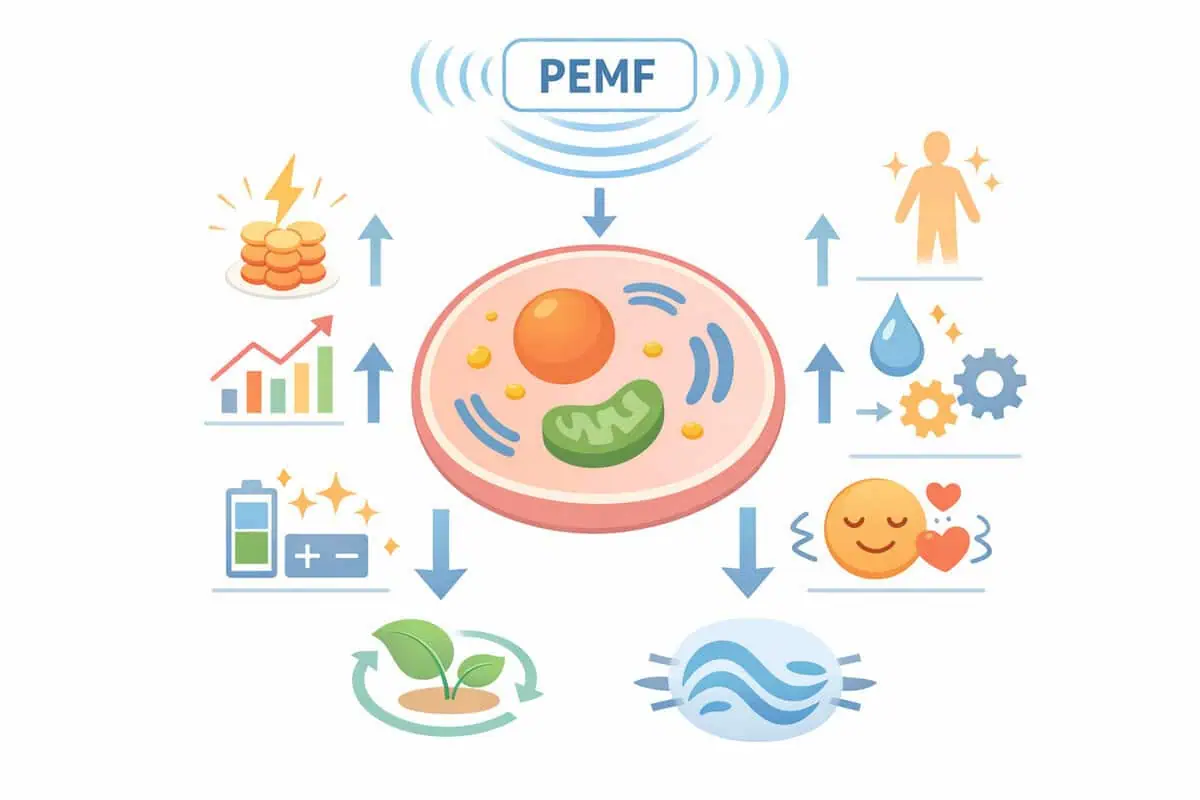
At a physiological level, PEMF exposure is believed to influence cellular signaling pathways and ion exchange mechanisms. Research indexed on PubMed suggests pulsed electromagnetic fields may interact with voltage-gated ion channels and nitric oxide signaling.
Some literature also explores potential effects on microcirculation and tissue oxygenation, areas discussed broadly by the National Institutes of Health (NIH). These mechanisms remain areas of active study and should not be interpreted as disease-specific treatment claims.
A conservative way to frame “cellular signaling” is that cells respond to their environment through electrochemical gradients. Ion channels help regulate the movement of charged particles across membranes, and those movements influence downstream signaling. In this context, PEMF is often discussed as a potential external input that may influence signaling behavior. The strongest, most responsible takeaway is that there is a plausible mechanistic basis for biological interaction, but translation into consistent real-world outcomes varies widely by device parameters, tissue type, and study design.
Microcirculation is similarly easy to oversimplify. Small-vessel blood flow depends on autonomic regulation, endothelial function, temperature, hydration, and movement. Some PEMF studies explore whether electromagnetic exposure may influence vascular tone or nitric oxide-related pathways, but those questions are complex and not a substitute for foundational habits like sleep, activity, and stress management. When clinics talk about “circulation,” the safest reading is “supportive potential under certain conditions,” not a guaranteed outcome.
Nervous System Regulation
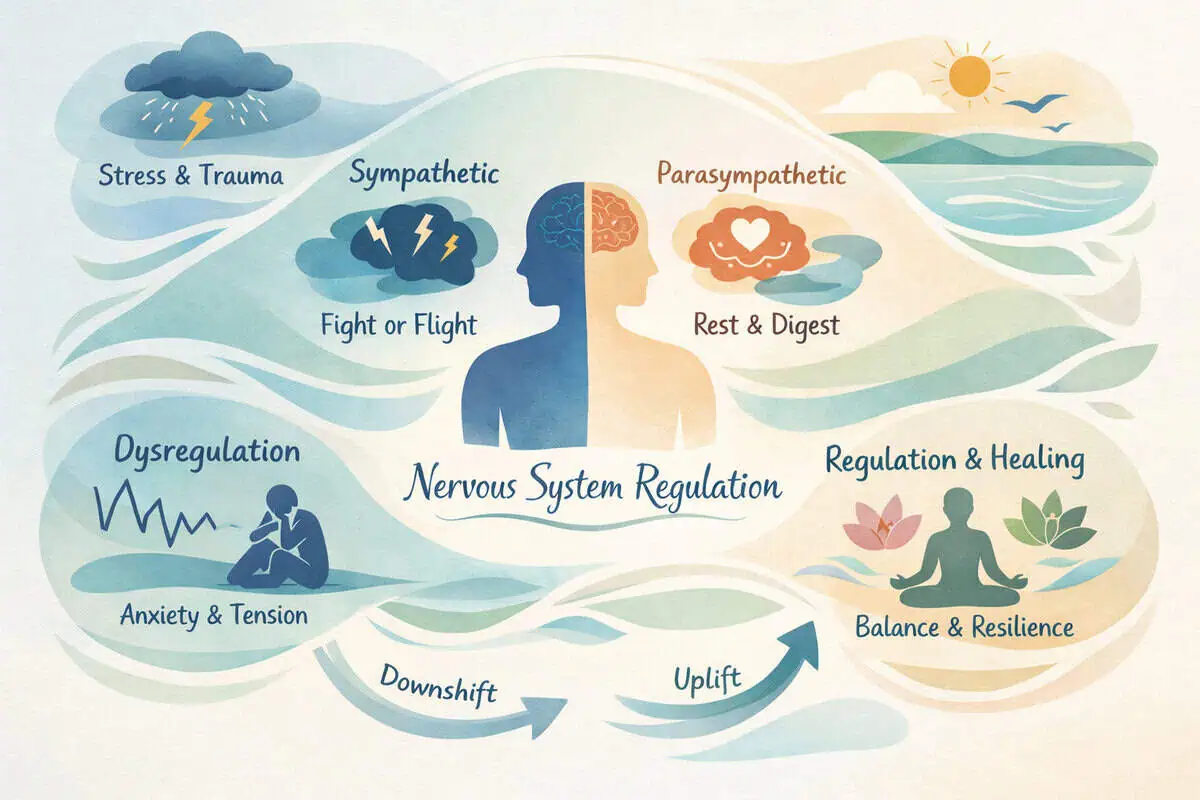
Some professional systems emphasize parasympathetic nervous system support. Observationally, individuals may report a sense of relaxation during or after sessions.
The Cleveland Clinic’s overview of the autonomic nervous system provides helpful context for understanding how relaxation responses are mediated physiologically.
In a clinic setting, “nervous system regulation” can also be influenced by non-device factors: a quiet room, reduced sensory load, guided breathing, and a structured time block away from screens. This matters because PEMF is often used in contexts where stress and arousal states are elevated. A conservative interpretation is that PEMF sessions may support a relaxation routine, but the routine itself can be a major contributor to perceived benefit.
If someone is sensitive to stimulation, conservative practice is to start with shorter sessions and lower settings, then increase gradually if tolerated. Some individuals report feeling sleepy, calm, or “heavy” after sessions; others feel nothing noticeable. Both experiences can be normal, and neither should be interpreted as a diagnosis or a proof of effectiveness.
Bone & Tissue Research Context

Certain electromagnetic therapies have been studied in bone healing contexts. The Mayo Clinic’s explanation of bone stimulators outlines how electromagnetic stimulation has been explored in orthopedic settings.
It is important to distinguish FDA-cleared bone growth stimulators from broader wellness-oriented PEMF systems. Clinic-based PEMF platforms discussed here are not automatically equivalent to prescription bone stimulation devices.
This distinction matters because “electromagnetic therapy” is an umbrella term that can include multiple device types with different regulatory statuses and intended uses. A person may hear that electromagnetic stimulation is used in orthopedics and assume all clinic PEMF systems are designed for the same purpose. In reality, clinical evidence, device design, and indications can differ significantly.
For consumers, the most useful takeaway is to ask clear questions: Is the device being used a prescription bone stimulator, or a general PEMF wellness platform? What is the intended goal of the session (comfort, relaxation, recovery support)? What does the provider mean by “protocol,” and how do they decide settings? Responsible clinics should be able to explain this without overpromising.
Session Structure & Frequency

Professional sessions are commonly delivered in a series (for example, 6–12 visits over several weeks). Frequency may vary depending on practitioner assessment and individual response.
This differs from home-use models, where individuals self-administer shorter sessions more frequently.
A conservative way to evaluate session plans is to look for a gradual progression approach. Early sessions may be used to assess tolerance (how someone feels during and after), while later sessions may adjust duration or settings if the person reports good tolerance. If a clinic starts aggressively without screening or without explaining how they manage dosing, that is a caution sign.
It can also help to clarify what “response” means in a clinic context. Responsible providers typically frame response as comfort, relaxation, and general recovery support rather than disease outcomes. They may track subjective measures (sleep quality, perceived soreness, stress level) and encourage consistent habits outside the clinic.
Safety Considerations

Most reputable clinics screen for contraindications such as:
- Implanted electronic devices (e.g., pacemakers)
- Pregnancy
- Recent surgical hardware
For a detailed discussion, see our PEMF Therapy Safety & Contraindications page.
In addition to the common contraindications above, clinics may ask about seizure history, active implanted pumps, recent infections, or ongoing treatments that could change tolerance. Screening questions vary by provider and by device platform, but the presence of a screening process is generally a positive sign for trust and safety culture.
A practical safety concept is “start low and go slow.” Even if a device is capable of high intensity, conservative use begins with lower settings and shorter durations, especially for first-time users or individuals with sensitivity to stimulation. Some people may experience mild transient effects such as temporary fatigue or a sense of warmth or relaxation. If anything feels concerning or persists, the most conservative approach is to pause and consult a qualified healthcare professional.
Cost & Accessibility

Clinic-based sessions may range widely in cost depending on geography and provider model. Over time, cumulative session fees may exceed the cost of certain home systems.
This economic factor is often a deciding point for individuals comparing in-office treatment with at-home equipment.
When evaluating cost, it can help to compare total “time cost” and “friction cost” as well. Clinic sessions require travel, scheduling, and ongoing appointments; home use requires storage, setup, and self-management. The better value is often the option someone will actually follow consistently and safely.
Who Might Consider Clinic-Based Systems?

Clinic systems may appeal to individuals who:
- Prefer practitioner supervision
- Are exploring PEMF for the first time
- Want structured protocol guidance
Others may ultimately transition to home-use systems after initial exposure in a supervised environment.
Clinic-based exposure can be particularly helpful for people who want to understand what a PEMF session feels like before considering home ownership. It can also appeal to those who value practitioner feedback and want someone else to manage the technical settings. For others, convenience and routine consistency may make home use a better fit over the long term.
Professional Systems in the Broader PEMF Landscape
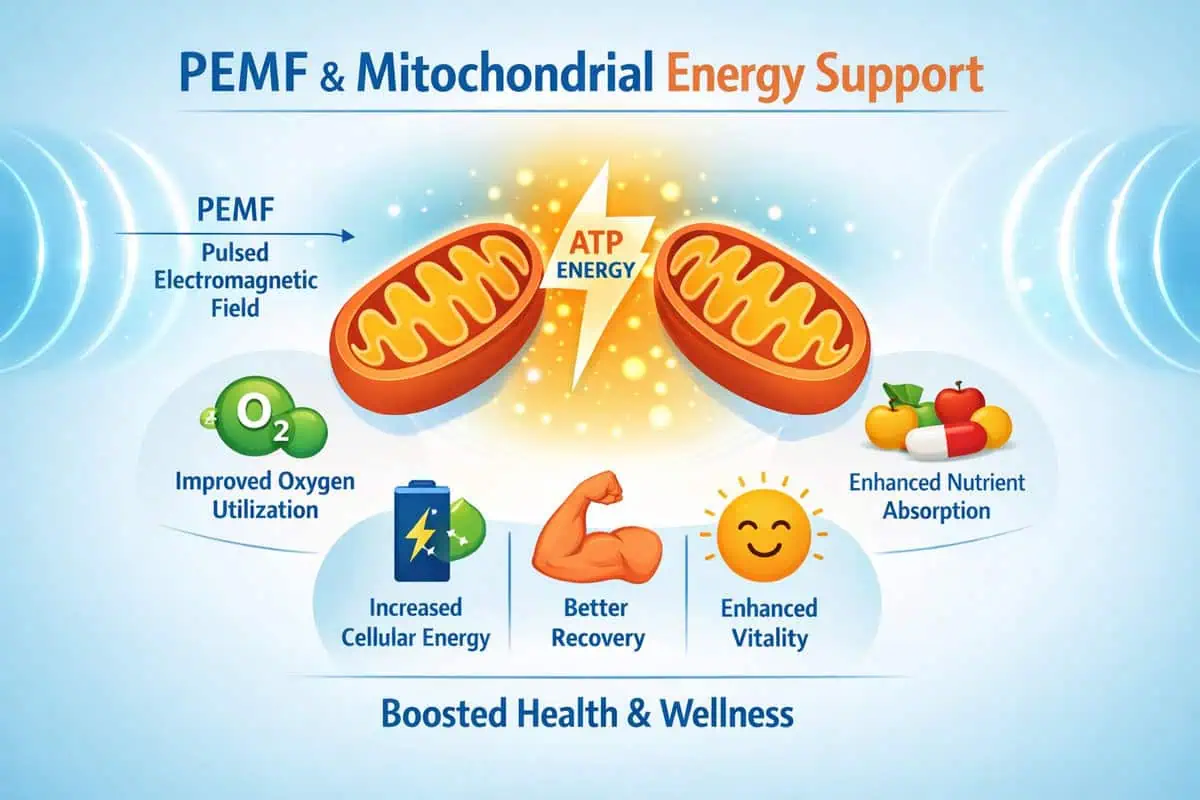
Clinic-based PEMF platforms represent one segment of the broader electromagnetic therapy landscape. They sit between:
- Prescription orthopedic stimulators
- High-end home systems
- Portable low-intensity wearables
Understanding these distinctions helps set realistic expectations and prevents overgeneralization.
A helpful selection lens is to separate goals into “experience goals” and “ownership goals.” Clinic systems often satisfy experience goals: guided sessions, less setup, and the option to stop if the routine does not fit. Home systems often satisfy ownership goals: consistency, convenience, and the ability to integrate PEMF into daily habits. Neither model is universally better; the right choice depends on adherence, tolerance, and budget.
Conclusion: Understanding the Role of Clinic-Based PEMF Systems
Clinic-based PEMF systems offer structured, practitioner-guided exposure to pulsed electromagnetic fields within supervised environments. While they may provide broader configurability than home devices, outcomes depend on appropriate use, realistic expectations, and overall health context.
If you are evaluating professional sessions versus home equipment, review our complete 2026 PEMF Buyer’s Guide to understand how different device categories compare.
A conservative next step is to prioritize safety screening, transparent explanations, and a routine you can maintain over time. If you decide to try clinic sessions, start with a small series, track how you feel, and avoid interpreting short-term changes as proof of disease-specific outcomes.