Assisi Loop PEMF Review

This Assisi Loop PEMF review takes a conservative, evidence-aligned look at one of the most widely recognized low-intensity, localized pulsed electromagnetic field (PEMF) devices. Unlike full-body mats or professional systems, the Assisi Loop is designed for targeted application to specific areas of the body.
Rather than focusing on marketing claims, we will examine how the device is structured, the type of electromagnetic field it produces, how it is typically used, and where it fits within the broader PEMF landscape. For readers exploring the full range of options, our Best PEMF Devices & Mats (2026 Buyer’s Guide) provides a structured comparison of low- and full-intensity systems.
Because this is a localized, low-intensity category, it helps to approach it with a “right tool for the job” mindset: what the device is designed to do (deliver a focused field to a small area) and what it is not designed to do (provide whole-body exposure or broad programmability). That framing keeps expectations realistic and helps readers compare device categories responsibly.
What Is the Assisi Loop?
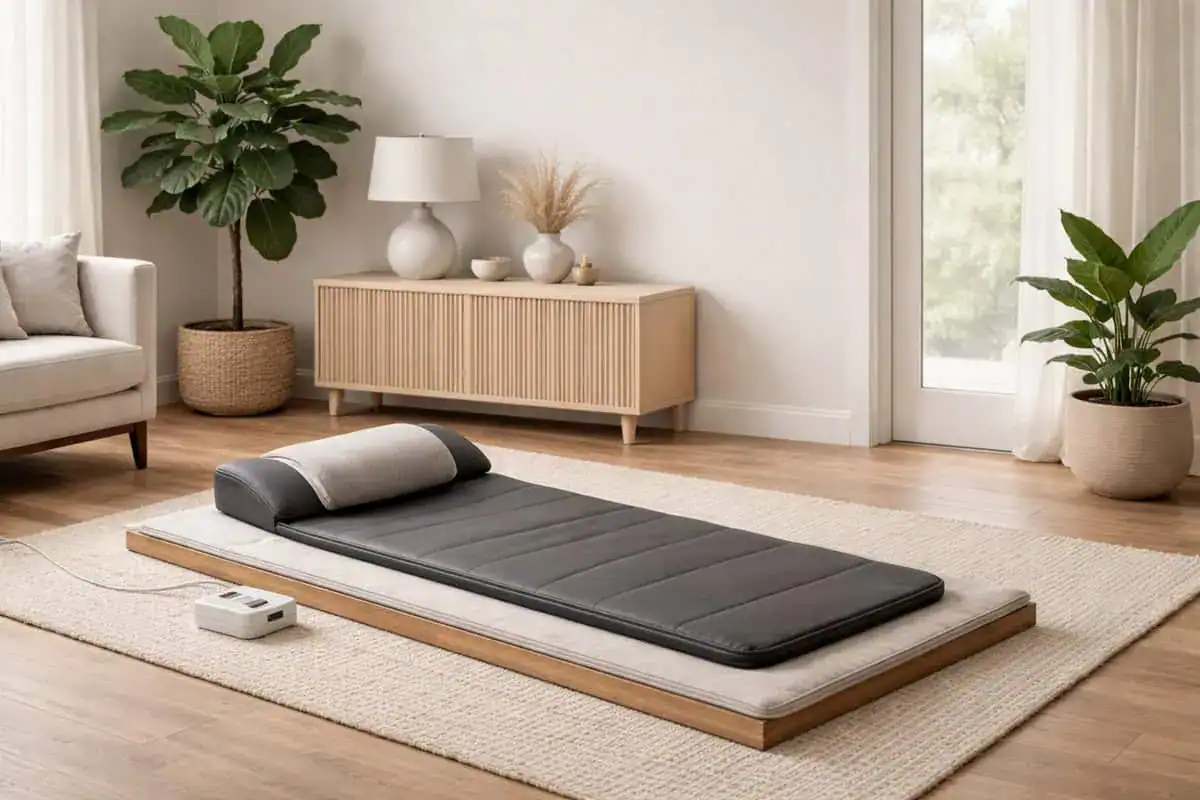
The Assisi Loop is a compact, portable PEMF device designed for localized application. It typically consists of a small loop-shaped applicator attached to a control module. The loop is placed directly over or around a targeted area.
Unlike large mats that expose the entire body to a field, the Assisi Loop delivers a focused electromagnetic signal to a specific region. This makes it distinct from full-body systems reviewed in our broader PEMF education library.
Its design prioritizes convenience and simplicity. Sessions are typically short, and the device is intended for repeat use according to manufacturer guidance. It is often categorized as a low-intensity PEMF device, meaning the field strength is significantly lower than many professional or full-body systems.
A helpful way to understand the “loop” design is to think in terms of field geometry. The loop acts as a dedicated applicator that concentrates the electromagnetic exposure around a defined area, rather than spreading it across a full-body surface. In practical terms, that means it is typically used for small-area routines where precise placement is a priority.
This category can be especially appealing to people who do not want a large device in their home environment. A localized device generally takes up less space, requires less setup, and can be easier to integrate into a daily routine (for example, a brief session while reading, working at a desk, or winding down in the evening).
It is also worth noting that localized PEMF devices are not automatically “better” or “worse” than full-body mats—they are simply designed for a different kind of use case. If someone’s primary goal is overall relaxation and full-body exposure, a mat-style system may be a more natural fit; if the goal is focused exposure to a specific area, a loop-style device may be more aligned with that preference.
How the Assisi Loop Works at the Cellular Level
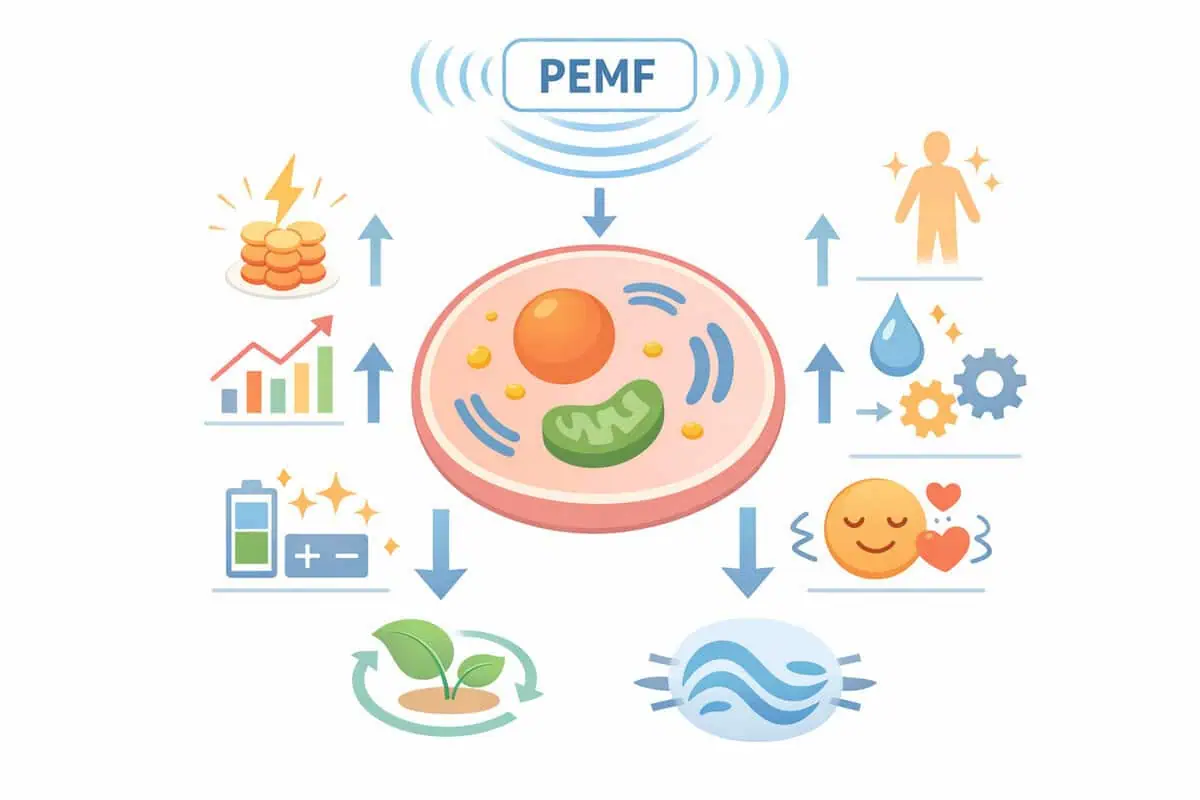
PEMF therapy in general is studied for its potential influence on cellular signaling, ion exchange, and microcirculatory dynamics. At the cellular level, pulsed electromagnetic fields may interact with ion channels and membrane potentials, which are essential for cellular communication.
Research indexed on PubMed explores how electromagnetic fields may affect calcium signaling and other ion-mediated pathways. These mechanisms are theoretical frameworks used to explain how low-intensity PEMF devices might support normal physiological processes.
The Assisi Loop uses a specific waveform designed to be low intensity and localized. While it does not claim to replace medical treatment, it is positioned as a supportive technology that may complement broader wellness routines.
In conservative physiology terms, PEMF is often discussed as a form of biophysical signaling input—a time-varying electromagnetic exposure that may influence how cells respond to their environment. The most commonly cited “mechanism buckets” in the PEMF literature include:
- Membrane potential and ion exchange: how cells regulate electrical gradients and ion movement across membranes
- Ion channel behavior: how channels open/close in response to changing conditions, including electrical and chemical cues
- Microcirculatory dynamics: how local circulation and tissue perfusion may be influenced by signaling and autonomic tone
- Mitochondrial support concepts: proposed pathways related to cellular energy signaling (often discussed cautiously and variably across studies)
Importantly, these are not guarantees of outcomes. They are explanatory frameworks researchers use to interpret why some studies report changes in subjective measures (like comfort or relaxation) or objective measures (like certain circulation markers) under specific conditions.
For a localized device like the Assisi Loop, the key concept is that any putative effect—if present—would be expected to be more region-specific because the exposure is concentrated over a smaller area. That is fundamentally different from whole-body mats, which intentionally distribute exposure across a much larger surface area and may be used for more generalized relaxation routines.
If you want a deeper foundation on what PEMF claims can and cannot reasonably be inferred from the evidence, it can be helpful to triangulate general discussions from major medical organizations and then cross-check specific mechanisms in the academic literature. The goal is not to chase certainty, but to keep expectations aligned with what research can responsibly support.
Waveform and Intensity Considerations

One of the defining features of the Assisi Loop is its low-intensity electromagnetic output. Compared to full-body mats or clinical-grade systems, the energy delivered is modest and highly targeted.
Low-intensity PEMF is often discussed in relation to subtle physiological modulation rather than broad systemic stimulation. As explained by the Cleveland Clinic in discussions of electromagnetic therapies, intensity and exposure parameters are central variables in understanding biological response.
For users seeking gentle, localized support rather than full-body exposure, this design characteristic may be appealing. However, expectations should remain conservative and aligned with published research.
When comparing PEMF devices, it is helpful to separate a few commonly discussed technical variables. Even if a manufacturer does not publish every detail, these concepts shape how devices are designed and how they are typically used:
- Intensity (field strength): often expressed in units such as gauss or tesla; “low intensity” generally implies a lower field strength relative to professional systems
- Frequency: how often pulses occur (commonly discussed in Hz)
- Pulse structure: how the waveform is shaped over time (pulse duration, rise time, duty cycle)
- Applicator design: loop/coil size and geometry, which influences how concentrated the exposure is over a small region
In practical consumer terms, intensity and applicator design usually matter most for coverage and feel. A localized, low-intensity device is often used with the expectation that the experience will be subtle—some users report feeling little to nothing during use, while others describe mild sensations such as warmth, relaxation, or a faint awareness of pulsing. Those reports are variable and not diagnostic of effectiveness.
A conservative decision framework is to treat “more intensity” as neither inherently better nor inherently worse. Higher-intensity devices may be appropriate in clinical or supervised contexts, while low-intensity devices may be more suitable for users prioritizing gentle exposure, simplicity, and repeatable at-home routines.
Typical Use Patterns and Session Structure
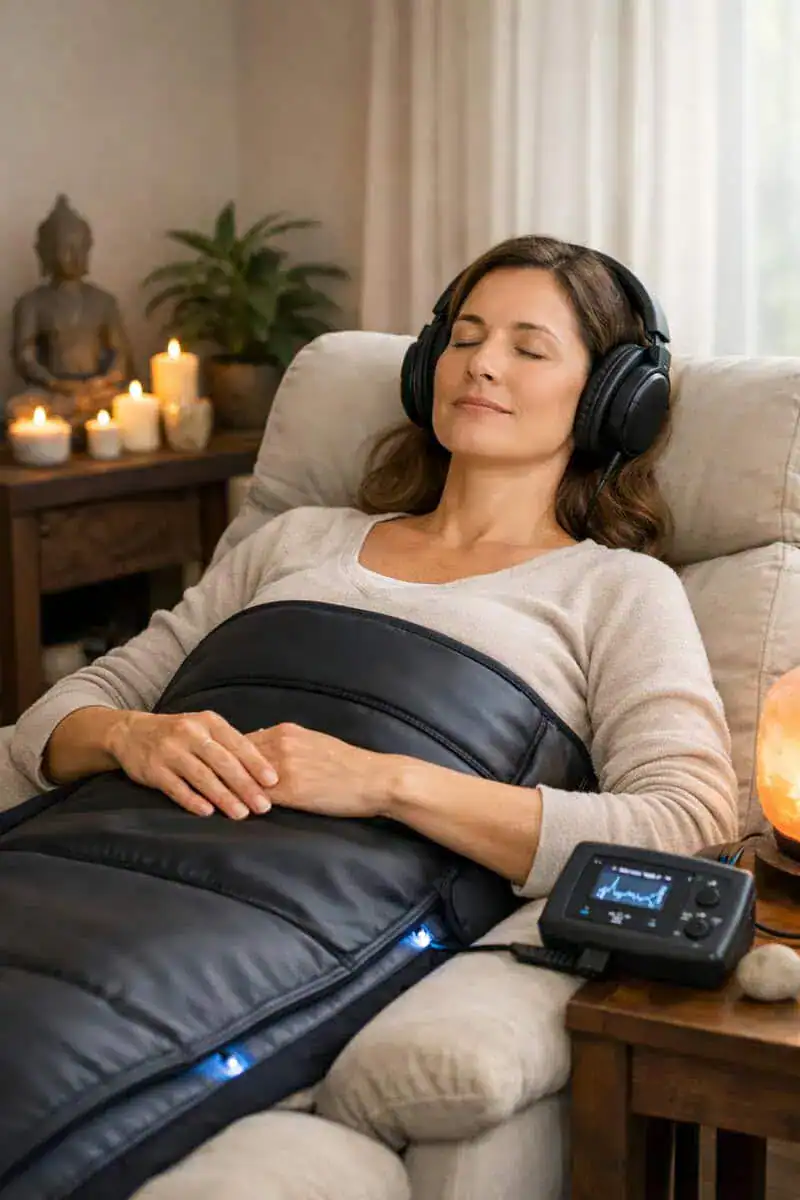
The Assisi Loop is generally placed directly over the area of interest. Sessions are often brief and may be repeated according to manufacturer instructions.
- Localized placement over a joint or soft tissue area
- Short, timed sessions
- Consistent daily use patterns
Consistency is often emphasized in wellness-oriented PEMF routines. For broader guidance on session timing and structured use, readers may consult our foundational overview of PEMF Therapy Benefits (Science-Backed Overview), which discusses how frequency and duration factor into research models.
From a routine-building perspective, localized devices are often easiest to use when paired with a stable habit loop. Typical patterns (described observationally, not as prescriptions) include:
- Evening wind-down: a short session while reading or doing a calm activity
- Desk routine: a session during low-intensity work (email, planning, light admin)
- Mobility pairing: use alongside gentle stretching or range-of-motion work, where the device placement does not interfere
A conservative approach is to keep early routines simple: pick a consistent time of day, use the same placement method, and track basic notes (comfort, tolerance, ease of use). This helps users evaluate whether the device is practical for their lifestyle before making assumptions about outcomes.
If a user is comparing device categories, one practical question is whether they prefer targeted sessions (which require more intentional placement and focus) or passive full-body sessions (which often feel more like lying on a mat and letting the device run). Neither is universally superior—it depends on preference and use case.
Evidence Landscape and Research Context

Clinical research on PEMF spans multiple decades, particularly in the areas of bone healing and microcirculation. The National Institutes of Health (NIH) has cataloged studies examining electromagnetic field exposure in various contexts.
It is important to distinguish between FDA-cleared indications for certain PEMF technologies and general wellness marketing language. The Assisi Loop is often positioned within a regulatory framework that emphasizes safety and low-intensity exposure.
This review does not make medical claims. Instead, it contextualizes the device within the broader body of PEMF research and highlights the importance of discussing any health concerns with a qualified professional.
A responsible way to interpret PEMF research is to focus on three realities that show up across many device categories:
- Heterogeneous study designs: PEMF protocols vary widely (intensity, frequency, applicator design, session length, and endpoints)
- Mixed outcomes: some studies report measurable changes under specific conditions, while others show minimal or no differences
- Translation limits: results from one protocol or device category do not automatically generalize to another
Because localized, low-intensity devices are a narrower category, the most conservative interpretation is to treat them as supportive tools that may be worth considering for users who value gentle exposure and portability—while remaining careful not to overextend what the evidence can demonstrate.
Who the Assisi Loop May Suit

The Assisi Loop may appeal to individuals who:
- Prefer localized application rather than full-body exposure
- Value portability and simplicity
- Are seeking low-intensity electromagnetic support
Those looking for systemic, whole-body exposure may instead explore full-body systems outlined in our comprehensive 2026 Buyer’s Guide.
Beyond those general bullets, suitability often comes down to a few practical decision questions:
- Do you want targeted placement? If you prefer to focus on one area at a time and don’t mind repositioning the applicator, localized devices are a reasonable category to explore.
- Do you want “set it and forget it” sessions? If yes, full-body mats may fit that preference better than a localized loop.
- Is portability a major priority? People who travel, commute, or want a compact footprint often gravitate toward smaller devices.
- Do you want higher programmability? Some full-body systems emphasize broader settings; many localized devices emphasize simplicity.
A conservative approach is to match the device to the routine you can realistically maintain. Even a well-designed device is unlikely to be used consistently if it is inconvenient, cumbersome, or does not fit naturally into a person’s day-to-day rhythm.
Safety and Contraindications

Low-intensity PEMF devices are generally considered low risk when used according to manufacturer guidelines. However, individuals with implanted electronic devices, pregnancy, or other medical conditions should consult a healthcare professional before use.
For a structured discussion of precautions, readers may review our dedicated PEMF Therapy Safety & Contraindications page.
In conservative terms, the most common “pause and verify” categories include:
- Implanted electronic devices: pacemakers, implanted defibrillators, neurostimulators, or other electronic implants
- Pregnancy: caution is commonly recommended due to limited data in many device categories
- Complex medical situations: if someone is under active medical care, it is reasonable to ask their clinician before adding an electromagnetic device to a routine
Even when a device is low intensity, conservative safety behavior is still appropriate: follow manufacturer guidance, avoid improvising with placement over implanted devices, and discontinue use if there is unexpected discomfort or concern.
Practical Considerations

When evaluating the Assisi Loop, practical considerations include:
- Battery life and device lifespan
- Replacement schedule
- Targeted vs systemic needs
Because this device is editorial-only on PEMF Sage, no affiliate links or pricing guidance are provided in this review.
For many buyers, “ownership reality” matters as much as theory. A localized device tends to be simple, but it is still worth thinking through the long-term experience:
- Daily friction: How easy is it to place correctly, keep in reach, and run at a consistent time?
- Travel and storage: If you plan to travel, is it practical to pack, and does it have protective storage to prevent damage?
- Durability: Loop-style applicators can be stressed by bending, compression, or frequent handling; gentle handling is usually part of long-term care.
- Cleaning and hygiene: Conservative best practice is to keep applicators clean according to manufacturer instructions, especially if used against skin or over clothing.
- Support experience: Warranty terms, customer support responsiveness, and replacement availability can meaningfully affect long-term satisfaction.
It can also help to be clear about what “success” means for a wellness device. For some users, success is simply a calm, repeatable routine that feels supportive and easy to maintain. For others, success means they want a broader system that can cover larger areas without repositioning. That distinction helps avoid category mismatch.
Comparing to Full-Body PEMF Systems
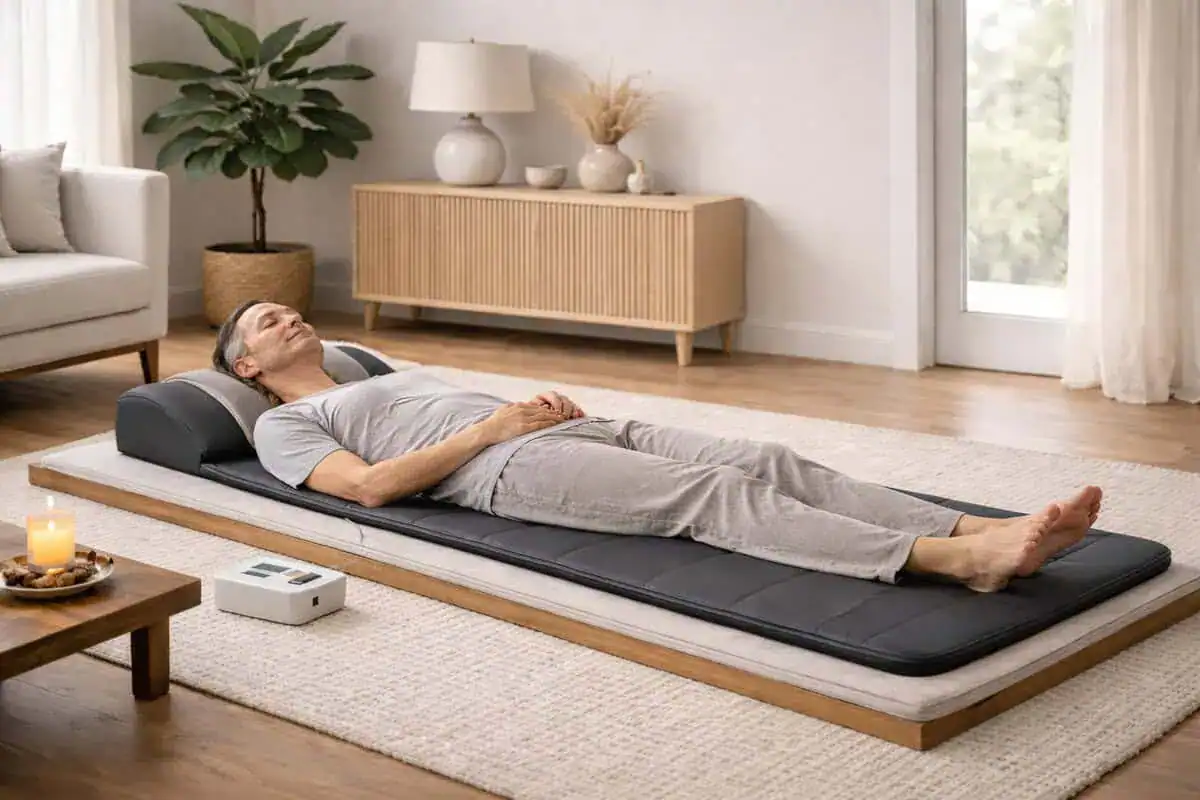
Full-body PEMF mats expose a larger surface area and often include adjustable intensity settings. In contrast, the Assisi Loop focuses on localized, low-intensity delivery.
The choice between localized and systemic systems depends on personal goals, budget, and comfort with device complexity. Our Buyer’s Guide provides a side-by-side evaluation of these categories.
A practical way to compare these categories is to think in terms of coverage, convenience, and control:
- Coverage: Full-body mats deliver broad exposure; localized loops focus on a small area at a time.
- Convenience: Mats can feel more passive (lie down and run a session); loops require more placement attention.
- Control: Some mats emphasize multiple programs and adjustable parameters; many localized devices emphasize consistent, simple sessions.
If someone is unsure which category fits, it can be helpful to reflect on the routine they are most likely to maintain. Many people use full-body systems as a relaxation ritual, while localized devices are used as short, targeted add-ons. These are patterns, not rules—but they can clarify the best fit.
Regulatory Positioning and Device Category
Some PEMF devices are cleared for specific indications, while others are marketed for general wellness. It is essential to review manufacturer documentation and regulatory status directly.
As with all PEMF technologies, users should approach marketing claims conservatively and verify details through reliable sources.
A conservative “verification mindset” can be as simple as:
- Differentiate wellness language from regulated indications: marketing copy may be broad, while regulatory language is typically narrower and more specific.
- Confirm model/version: product lines can change; documentation should match the device being purchased or used.
- Look for clear instructions: reputable devices provide straightforward use guidance, safety notes, and contraindications.
This category-level caution is not meant to discourage use; it is meant to keep expectations aligned and help readers evaluate devices with the same restraint they would use for any wellness technology.
Balanced Pros and Limitations

Potential Strengths:
- Compact and portable
- Localized application
- Low-intensity exposure
Potential Limitations:
- Limited treatment area per session
- No systemic exposure
- May require consistent repeat use
This balanced framing helps position the Assisi Loop accurately within the broader PEMF ecosystem.
If you prefer a quick “fit check,” the following conservative checklist can help:
- You may prefer the Assisi Loop category if: you want a small device, you value targeted placement, and you’re comfortable running short sessions consistently.
- You may prefer a full-body system if: you want broad coverage, more passive sessions, and a setup that supports whole-body routines.
Conclusion: A Conservative Look at the Assisi Loop
This Assisi Loop PEMF review highlights a localized, low-intensity device designed for targeted application. It differs substantially from full-body systems and professional platforms in both scope and intensity.
For readers comparing device categories and evaluating broader options, we recommend reviewing the structured comparisons in our Best PEMF Devices & Mats (2026 Buyer’s Guide). Thoughtful comparison, conservative expectations, and professional guidance remain central to responsible decision-making.
If you have an implanted electronic device, are pregnant, or have a complex medical situation, it is prudent to review safety guidance and consult a qualified clinician before adding PEMF to a routine.