Therapy for Joint Health & MoPEMFbility

PEMF therapy for joint health is often discussed in the context of mobility, comfort, and long-term musculoskeletal support. As joints naturally experience wear over time — through daily activity, training, aging, or repetitive strain — many people look for non-invasive strategies that align with conservative wellness principles.
This guide explores how pulsed electromagnetic field (PEMF) technology may support joint health through cellular signaling, microcirculation, and nervous system regulation. It does not diagnose or treat medical conditions. Instead, it explains the physiology, research context, and practical considerations surrounding joint-focused PEMF use.
If you are new to PEMF in general, you may first want to review our overview of PEMF therapy benefits for broader context.
It can also help to keep expectations grounded: in the real world, most people explore PEMF because it is non-invasive and fits into a home routine, not because it replaces movement, strength training, or clinical care. Throughout this article, “support” refers to wellness-oriented comfort and function signals (how joints feel and move), not disease outcomes.
Understanding Joint Structure & Everyday Mechanical Stress
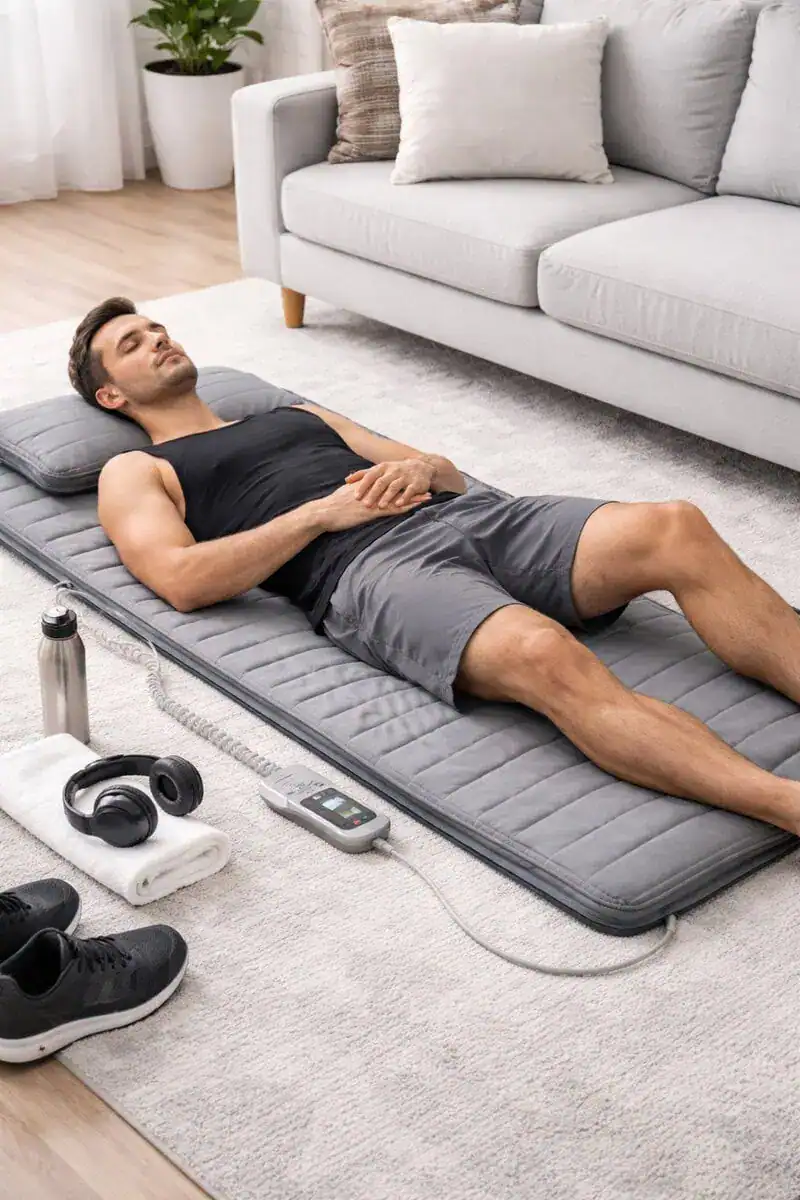
Joints are dynamic interfaces where bones meet, supported by cartilage, synovial fluid, ligaments, tendons, and surrounding musculature. Over time, repetitive loading, impact, or prolonged sitting can influence:
- Cartilage integrity
- Synovial fluid dynamics
- Local circulation
- Inflammatory signaling patterns
The body continually adapts to these stressors. However, recovery capacity may vary based on age, activity level, and overall health. Conservative wellness strategies aim to support natural repair and circulation rather than override physiology.
According to the National Institute of Arthritis and Musculoskeletal and Skin Diseases (NIH), maintaining joint health involves movement, circulation, and supportive lifestyle habits — areas where interest in non-invasive modalities has grown.
A useful way to think about “joint health” is as an ecosystem. Cartilage, tendons, and ligaments do not operate in isolation — they respond to the combined effects of load management, muscular support, hydration, sleep, and metabolic health. Even small day-to-day changes (long car rides, desk posture, sudden spikes in activity) can shift how joints feel.
From a conservative physiology standpoint, two themes show up repeatedly:
- Load distribution: strong surrounding muscles reduce peak stress on joint surfaces.
- Recovery signaling: circulation and cellular communication help tissues adapt to normal wear.
It also helps to recognize that “stiffness” can have multiple drivers: tissue temperature, nervous system tone, hydration status, and local inflammatory signaling can all contribute. A conservative plan typically aims to improve the overall environment joints operate within, not chase a single mechanism.
How PEMF May Influence Cellular Signaling in Joint Tissue
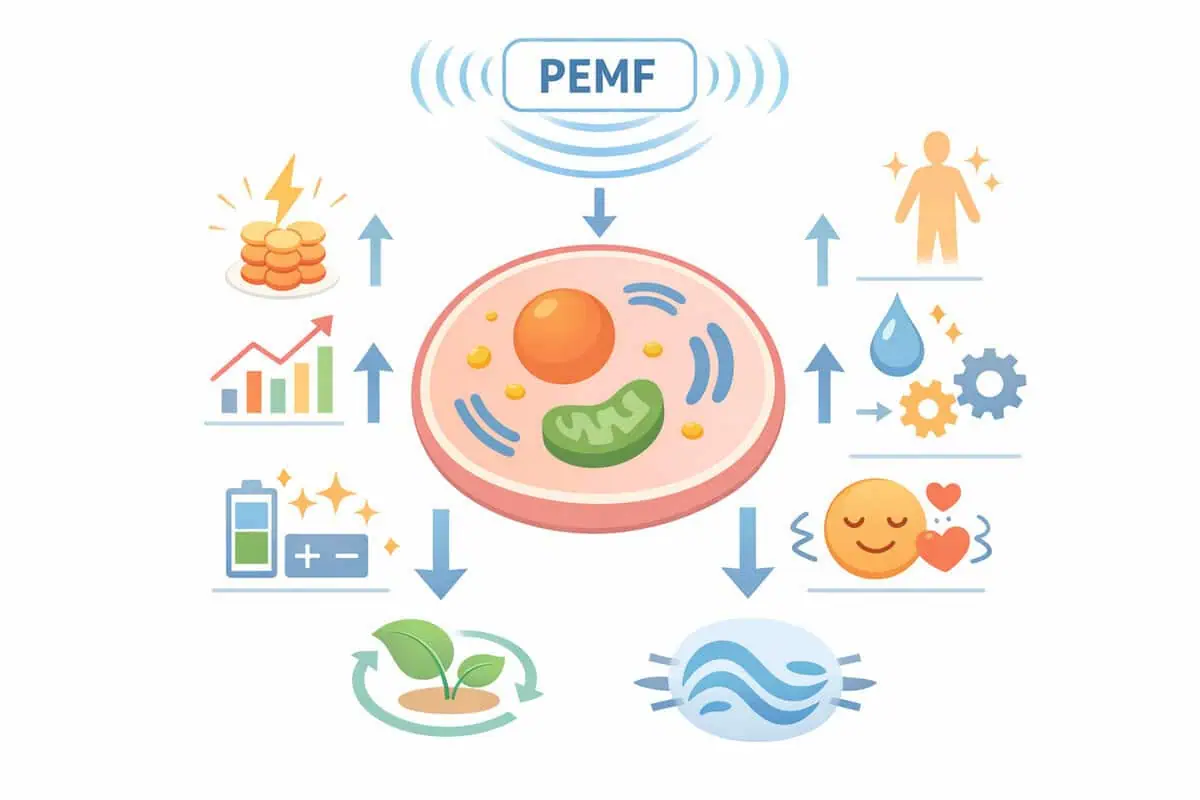
PEMF systems generate low-frequency electromagnetic pulses designed to interact with the body’s electrical properties at a cellular level. Cells rely on electrochemical gradients to regulate:
- Ion exchange across membranes
- Inflammatory mediator signaling
- Energy production processes
Research indexed in PubMed explores how electromagnetic stimulation may influence calcium ion channels and membrane potential. These mechanisms are relevant to musculoskeletal tissues, including cartilage and connective structures.
While findings vary by frequency, waveform, and intensity, the theoretical foundation centers on supporting normal cellular communication rather than forcing structural change.
A conservative interpretation of the research is that outcomes depend on dose parameters — frequency (Hz), waveform shape, field intensity, and session duration. This matters because not all devices deliver the same exposure, and “PEMF” as a label covers a wide range of technology. When reading studies, it is often the specific parameters — not the brand name — that determine what was observed.
For joint-focused use cases, the mechanisms commonly discussed include:
- Membrane potential support: cells maintain electrical gradients that influence transport and signaling behavior.
- Ion channel activity: especially calcium signaling, which is involved in many cellular response pathways.
- Signal-to-noise considerations: gentle, repeated input may be more relevant to routine use than sporadic “high dose” exposure.
Because this is a conservative, non-medical guide, it is important to note what cellular signaling discussions do not imply: they do not guarantee symptom resolution, and they do not establish PEMF as a substitute for clinical evaluation when symptoms are persistent or worsening.
Microcirculation & the Joint Environment

Healthy joints depend on adequate microcirculation. Cartilage itself does not contain direct blood vessels, so surrounding tissues and synovial fluid dynamics are critical.
Some PEMF studies have examined potential influences on blood flow and nitric oxide signaling. The Cleveland Clinic overview on circulation explains how vascular dynamics affect tissue oxygenation and nutrient delivery.
Improved microcirculatory patterns — when present — may contribute to a more favorable environment for normal tissue recovery and joint comfort.
Microcirculation matters for joints in a slightly indirect way. Since cartilage is avascular, the surrounding tissues (synovium, capsule, muscles, and connective tissue) help create the “inputs” that influence how joints feel: tissue temperature, fluid exchange, and nutrient availability.
From a conservative lens, “circulation support” is best understood as improving the conditions for normal physiology:
- Oxygen and nutrient delivery to surrounding tissues that stabilize and move the joint
- Metabolic byproduct clearance after activity
- Fluid dynamics that influence perceived tightness and comfort
Some readers also encounter nitric oxide (NO) discussions in wellness content. NO is involved in vascular signaling and endothelial function, but it is easy for marketing to overstate this pathway. A conservative approach is to treat NO-related claims as “possible mechanism under certain parameters,” not a guaranteed outcome.
If you want to explore the broader research landscape on circulation-related PEMF discussions, starting with PubMed’s index can be helpful for seeing how studies describe methods and endpoints: PubMed search: PEMF and microcirculation.
Inflammatory Signaling & Joint Comfort

Inflammation is part of normal repair signaling. However, persistent inflammatory patterns may influence joint stiffness or discomfort.
A review published through PubMed has examined electromagnetic field exposure in relation to inflammatory mediator expression. Results vary, but the focus remains on signaling modulation rather than disease treatment.
PEMF therapy for joint health is typically framed around supporting balanced signaling, not suppressing normal immune processes.
In everyday terms, many people are trying to find a “sweet spot” between doing enough activity to maintain mobility and not doing so much that joints feel irritated afterward. Because inflammatory signaling is part of normal adaptation, the goal is rarely “zero inflammation.” Instead, it is often:
- shorter recovery windows after typical activity
- less “start-up stiffness” after sitting
- more consistent comfort across the week
This framing keeps expectations realistic: if a strategy supports the recovery environment, it may help a person maintain a more stable routine. That is different from claiming it treats a diagnosed condition.
It is also worth noting that joint comfort can be influenced by systemic factors like sleep quality, stress load, and overall activity balance. That is one reason joint-focused PEMF routines sometimes overlap with stress regulation or sleep routines rather than being treated as a purely “orthopedic” tool.
Mitochondrial Support & Cellular Energy Availability
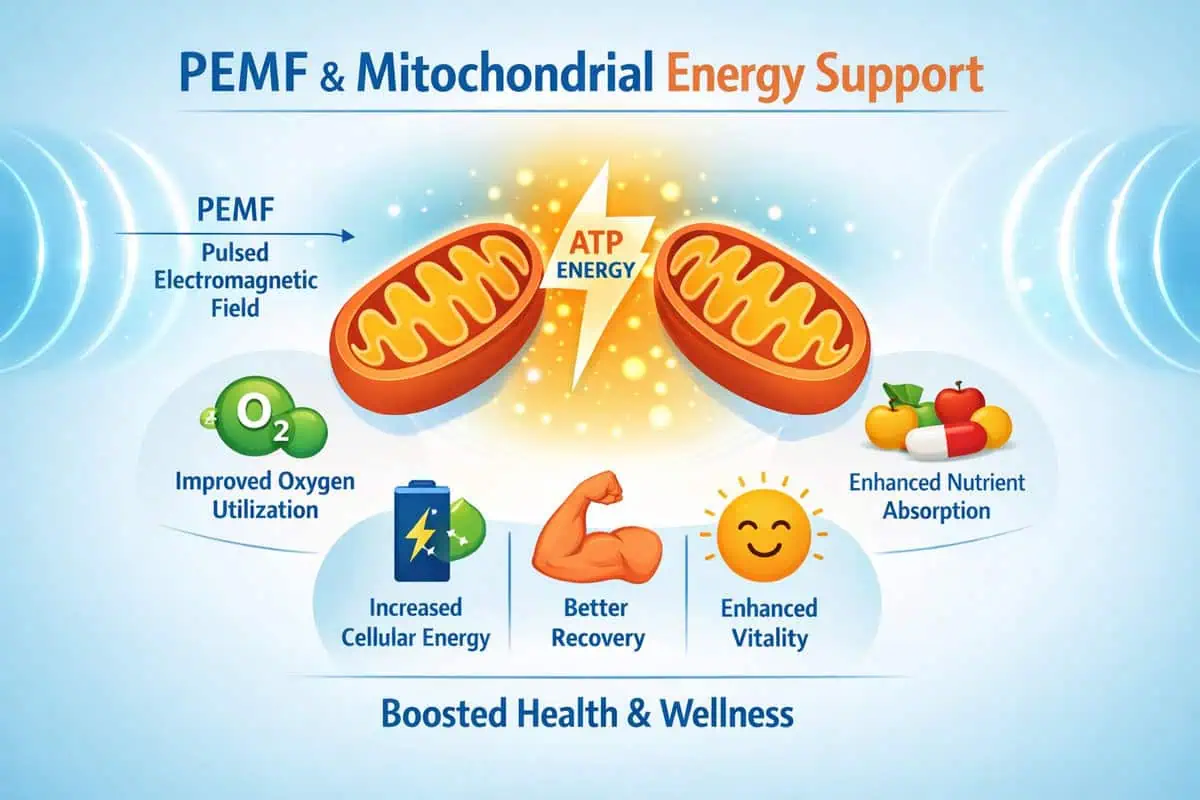
Joint-supportive tissues — including ligaments and tendons — require adequate cellular energy (ATP) for repair and adaptation.
Some laboratory studies suggest electromagnetic fields may influence mitochondrial membrane potential and ATP production under specific parameters. While translating these findings to practical outcomes requires caution, the mechanism is frequently discussed in relation to recovery.
You can explore broader context in our Best PEMF Devices & Mats (2026 Buyer’s Guide), which explains device categories and intensity ranges.
When mitochondria are discussed in PEMF content, the safest interpretation is that they represent a plausible “upstream” mechanism: if cells have more stable energy availability, they may be better equipped to carry out normal maintenance and response processes. However, mitochondria are influenced by many variables (sleep, nutrition, movement, and metabolic health), so PEMF should be viewed as one possible input among many.
If you are evaluating devices, it can help to focus on practical questions rather than marketing terms:
For joint-support goals, many users prioritize comfort and repeatability. A routine that is easy to stick with often matters more than a device that advertises aggressive settings that a person rarely uses.
Nervous System Regulation & Perceived Stiffness

Joint stiffness perception is not solely structural. The nervous system plays a central role in interpreting mechanical stress and inflammatory signals.
PEMF systems are often described as influencing autonomic balance. The Mayo Clinic overview of electrotherapy discusses how external stimulation may interact with nerve signaling patterns.
While PEMF is distinct from electrical stimulation, the shared principle is neuromodulatory influence rather than mechanical manipulation.
From a conservative standpoint, the nervous system angle matters because stress load can change muscle tone and movement quality. When people say their joints feel “tight” or “stuck,” part of that can reflect protective tension patterns rather than joint surfaces alone.
In real-world usage descriptions, many people report subtle sensations (a gentle pulsing feeling, warmth that may be indirect, or a general relaxation response). Those reports are not proof of a clinical effect, but they do illustrate why PEMF often gets used during down-regulation routines (breathing, mobility drills, or post-training rest).
A practical way to connect this to joint health is to consider movement confidence. If the nervous system is less guarded, people may move more smoothly, which can reduce “spiky” loading patterns that irritate joints. This is not a guarantee — it is simply a conservative explanation for why relaxation-oriented routines sometimes correlate with better movement quality.
Typical Usage Patterns for Joint Support
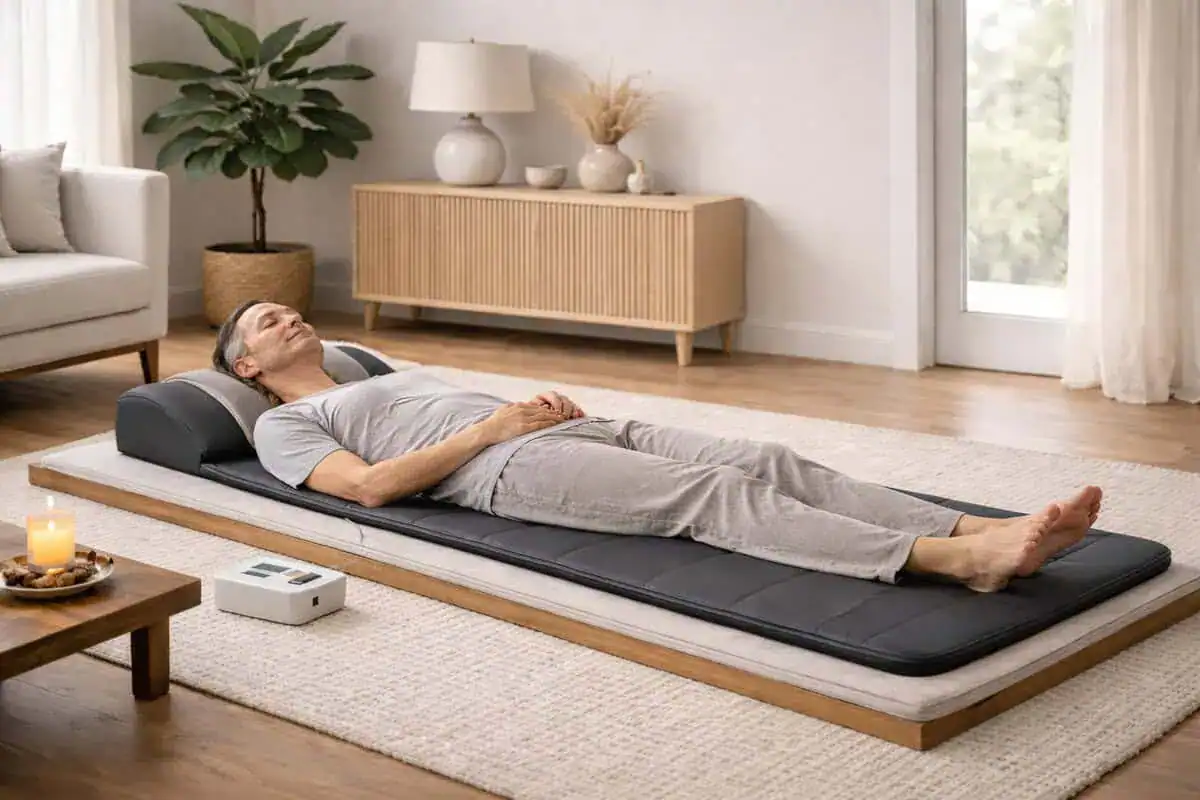
For joint-focused support, users commonly:
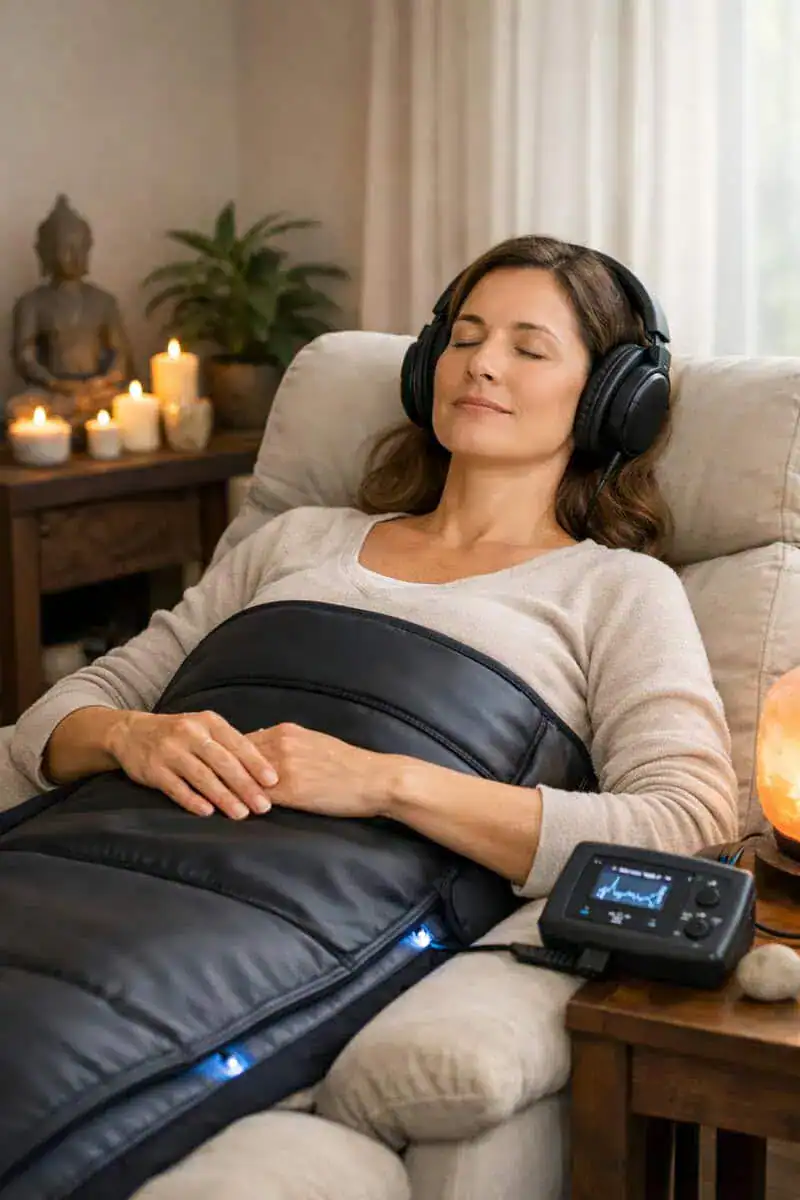
- Apply full-body mats for 20–40 minutes per session
- Maintain consistent daily or near-daily use
- Combine PEMF with mobility exercises
Localized applicators may be positioned near knees, hips, shoulders, or hands depending on comfort. Consistency tends to be emphasized over intensity.
For practical guidance on session timing, see our latest blog articles covering usage patterns and device comparisons.
A conservative “start low” approach is common in consumer guidance: shorter sessions and lower intensity settings first, then gradual adjustments based on comfort and tolerance. This helps reduce the risk of overdoing a new stimulus, especially for people who are sensitive to novel modalities.
Joint Health Considerations Across Age Groups

Younger individuals often focus on recovery and performance, while older adults may prioritize comfort and mobility maintenance.
Joint-support strategies generally emphasize:
- Low-impact movement
- Circulation support
- Balanced inflammatory response
PEMF therapy for joint health is sometimes integrated as part of broader musculoskeletal wellness routines rather than as a standalone solution.
Ownership reality matters here, especially for home devices: people tend to benefit most when a routine is sustainable for months, not days. Across age groups, a few practical considerations come up repeatedly:
- Comfort and accessibility: can you get on/off a mat easily, and can you relax during the session?
- Setup friction: a device that takes 10 minutes to set up may be used less often than one that is always ready.
- Noise and environment: a quiet device can fit into evening routines, which may support consistency.
For older adults in particular, “mobility maintenance” tends to be about preserving normal daily function. A conservative routine may combine light strength work (as tolerated), gentle walking, and recovery practices that help keep joints feeling workable day-to-day.
Compliance (in the behavioral sense) can be the deciding factor. If someone plans a 45-minute session but realistically only has time for 15 minutes, it may be better to choose a routine that fits the schedule and remains consistent. In that sense, “best device” is often the one that fits into real life.
Maintenance and long-term use also deserve a realistic note: mats and systems can require careful storage, gentle cleaning, and occasional checks for wear. Over time, the most sustainable ownership pattern tends to be simple: a dedicated space, a consistent session window, and conservative settings that feel comfortable enough to repeat.
Safety Considerations & Conservative Framing

PEMF systems are generally described as non-invasive and low-risk when used as directed. However, individuals with implanted electronic devices, certain medical conditions, or pregnancy considerations should review guidance carefully.
We provide a full overview on our PEMF therapy safety page.
This article does not provide medical advice. Anyone experiencing persistent joint symptoms should consult a licensed healthcare professional.
What PEMF Therapy Cannot Do for Joints
PEMF does not rebuild cartilage overnight, cure degenerative disease, or replace medical treatment. Claims suggesting structural reversal should be approached cautiously.
Conservative education means understanding limits as clearly as potential benefits.
It is also important not to confuse “feels better” with “fixed.” Temporary improvements in comfort can be valuable for maintaining movement habits, but persistent swelling, new instability, or progressive pain should be evaluated clinically. PEMF may be part of a wellness routine, but it should not delay appropriate medical assessment when red flags are present.
When to Consider Learning More About PEMF Devices

If you are exploring non-invasive strategies to complement mobility routines, you may wish to compare device categories, waveform types, and intensity levels.
A simple selection logic for joint-support goals is to prioritize: (1) comfort, (2) clarity of settings, (3) consistency potential, and (4) conservative use guidance. If a device encourages overpromising language or “miracle” outcomes, that is generally a sign to step back and refocus on evidence-aligned expectations.
Compare Full-Body PEMF Systems
Review conservative device comparisons and technical differences. Explore the Buyer’s Guide →
If you want a broader educational foundation before comparing devices, you can also revisit the PEMF therapy benefits overview to understand how common mechanisms (signaling, circulation support, and nervous system regulation) are discussed across use cases.
Final Thoughts on PEMF Therapy for Joint Health
PEMF therapy for joint health is best understood as a supportive, non-invasive modality that may influence cellular signaling, circulation, and nervous system regulation. It does not replace medical care or structural intervention.
For readers seeking deeper comparison and technical breakdowns, our Buyer’s Guide offers a structured overview of device categories and use cases.
If you choose to experiment, consider a conservative “start low, stay consistent” approach and evaluate changes over weeks rather than days.