PEMF Supply Full-Body Mat Review

This PEMF Supply full-body mat review provides a conservative, physiology-focused evaluation of one of the more structured home PEMF systems currently available. Full-body PEMF mats are designed to expose large portions of the body to low-intensity pulsed electromagnetic fields, which may interact with cellular signaling, circulation, and nervous system regulation processes.
Unlike localized devices that target specific joints or areas, full-body mats emphasize broad exposure and consistent routine use. This design approach aligns with typical home-based wellness patterns, where individuals incorporate PEMF sessions into daily routines such as relaxation periods, recovery windows, or evening wind-down sessions.
For readers evaluating options, this review explains how the PEMF Supply mat is built, how it operates, and how it compares to other systems featured in the Best PEMF Devices & Mats (2026 Buyer’s Guide).
Because PEMF is a technical category, this review prioritizes practical signals that matter for responsible home use: how the mat fits into a routine, what “programmable” typically means in real settings, and what safety checks should be part of ownership. For background on broader outcomes claims and how PEMF Sage frames evidence conservatively, see our educational overview of PEMF therapy benefits (science-backed overview).
What the PEMF Supply Full-Body Mat Is Designed to Do
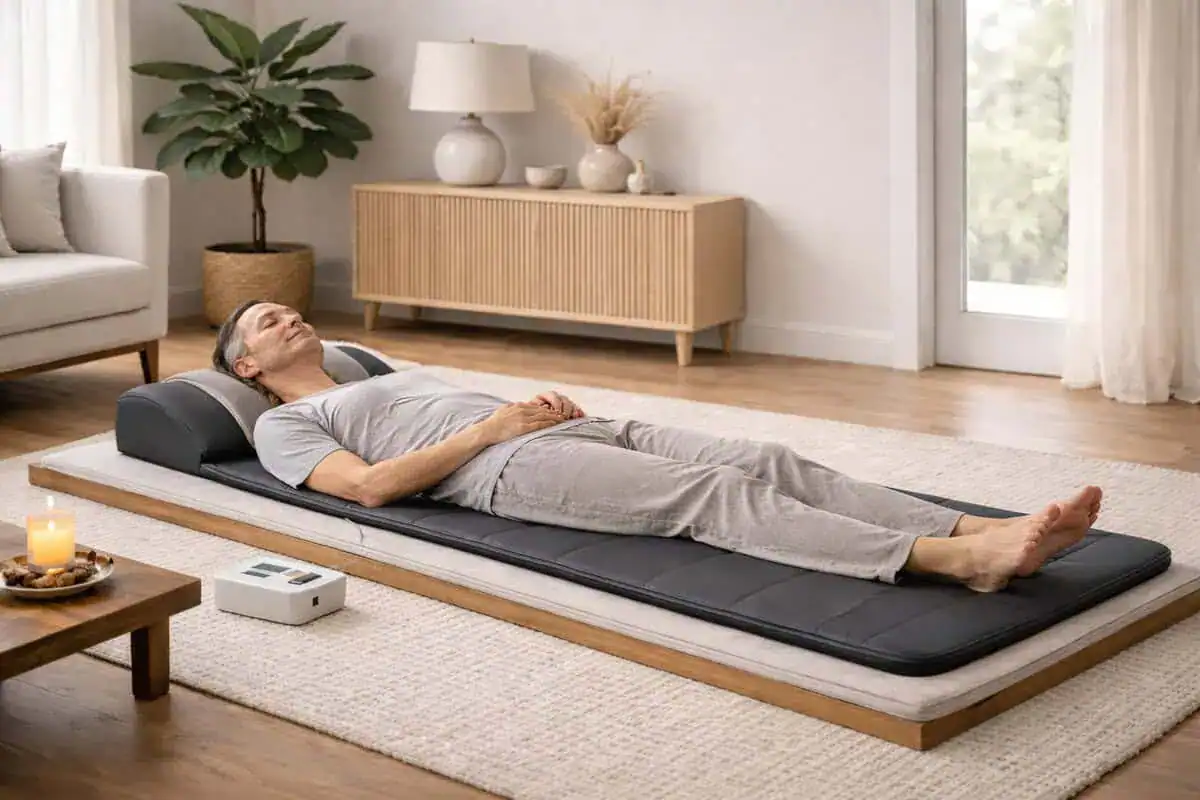
The PEMF Supply full-body mat is designed to deliver low-frequency electromagnetic pulses across a wide surface area. These pulses create subtle electromagnetic fields that may influence ion movement, membrane potential, and cellular signaling processes.
Research published on PubMed has explored how pulsed electromagnetic fields may interact with calcium channels and cellular signaling pathways, which are involved in cellular communication and metabolic regulation.
The full-body mat format is intended to:
- Provide broad coverage across multiple muscle groups
- Allow passive use while lying down
- Support consistent, repeatable sessions
- Deliver programmable frequency ranges
These design characteristics distinguish full-body mats from smaller, localized PEMF applicators.
In practical terms, “designed to do” does not mean “designed to treat.” In the PEMF category, most home systems are framed as wellness tools that may support typical physiological processes (like circulation and nervous system regulation) rather than targeting a specific condition. That distinction matters for expectations, compliance, and safe, responsible use.
A helpful way to think about a full-body mat is as a “delivery format.” Instead of moving a smaller applicator across different areas, the mat creates a consistent exposure environment while the user remains still. This can reduce variability between sessions, which is important if a user’s goal is routine consistency rather than spot-targeting.
It also helps to clarify common PEMF terms you may see in product pages:
- Pulse: a repeating electromagnetic “on/off” event created by current through coils.
- Frequency (Hz): how many pulses occur per second.
- Waveform: the shape of the pulse pattern (often proprietary to the device).
- Intensity: the field strength output (often described with device-specific levels).
- Session: a defined run time at selected settings.
When evaluating full-body mats, the most decision-relevant questions are usually not “Is it strong?” but “Can it be used consistently, comfortably, and safely at settings that match the user’s tolerance and routine?”
Build Quality and Physical Design
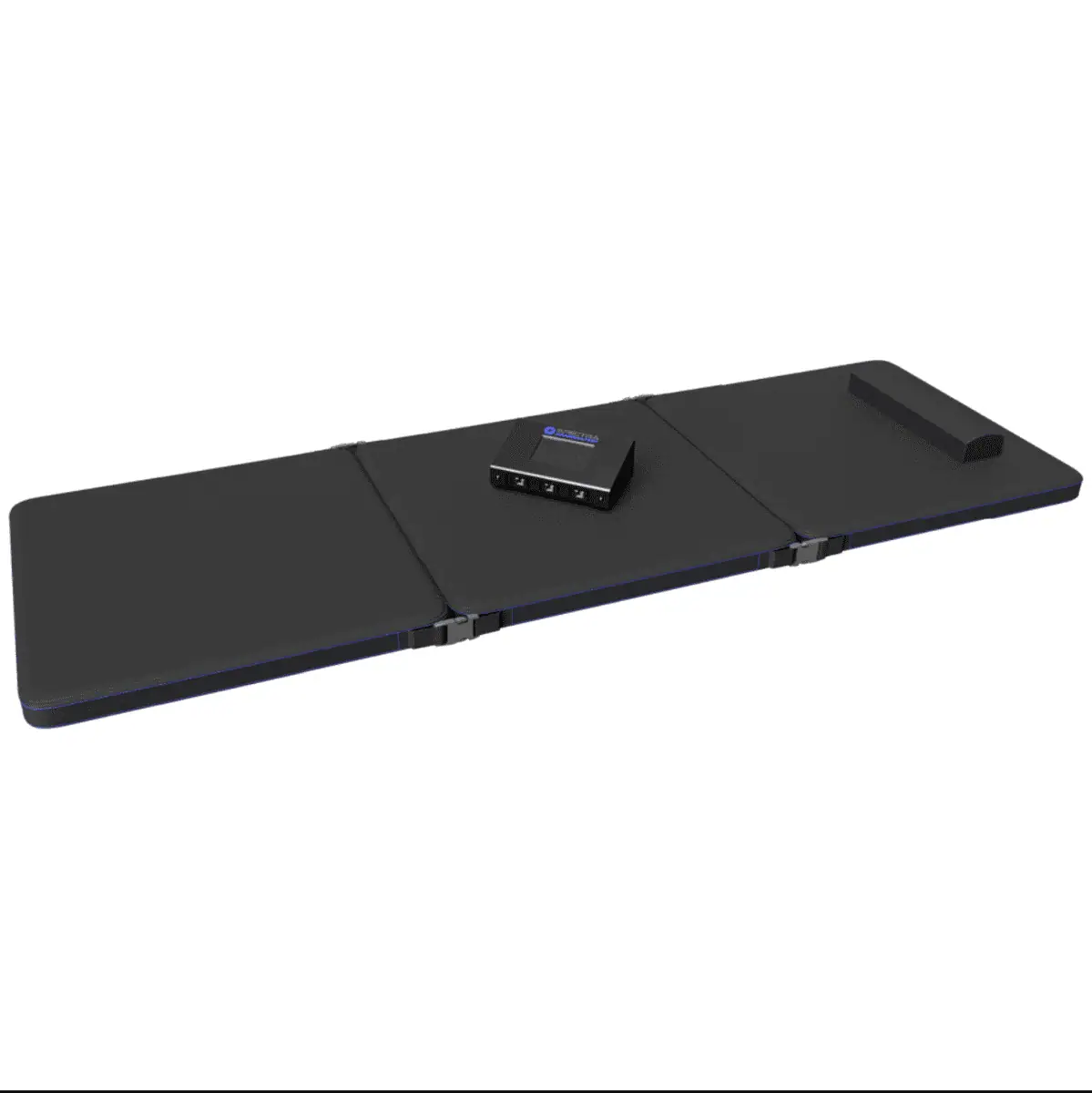
The PEMF Supply mat uses an integrated coil system embedded throughout the mat structure. These coils generate the electromagnetic pulses that create the therapeutic field environment.
Key physical characteristics include:
- Full-length coverage for head-to-toe exposure
- Flexible but structured internal coil placement
- Durable external covering for repeated use
- Control interface for frequency and intensity adjustment
The distributed coil layout allows relatively uniform exposure across the mat surface, which helps maintain consistency during use.
For build quality, the most important ownership realities are usually mechanical rather than “electromagnetic.” Full-body mats are repeatedly unrolled, laid on floors or beds, and used in areas where dust, skin oils, and normal household wear can accumulate. Over time, durability depends on stitching quality, seam integrity, and how well the outer surface resists cracking or delamination.
Another practical consideration is how the mat’s internal coil layout interacts with body positioning. Even with distributed coils, exposure can vary if the user regularly places knees, hips, or shoulders in slightly different positions. Many users address this by choosing a consistent setup location (same surface, same pillow height, same orientation) so sessions remain repeatable.
When reviewing physical design, it can also help to think about “setup friction.” A device that feels cumbersome often gets used less, even if the specifications look appealing. A mat that stores easily, lays flat without constant adjustments, and connects reliably to its controller tends to support consistent use over long time horizons.
Frequency Range and Programmability

One of the most important aspects of any PEMF system is its frequency range and programmability. Frequency determines how rapidly the electromagnetic pulses are delivered, typically measured in Hertz (Hz).
Lower frequencies are commonly associated with relaxation-oriented sessions, while moderate frequency ranges are often used in recovery-oriented contexts.
According to the National Institutes of Health, pulsed electromagnetic fields have been studied across a wide range of frequencies, with physiological interactions varying based on intensity, waveform, and duration.
Programmability is important because it helps match the device to the user rather than forcing the user to match the device. In practice, that usually means the ability to adjust:
- Session length (how long the mat runs)
- Frequency selection (or preset program choice)
- Intensity level (often displayed as device-specific steps or tiers)
- Program sequencing (fixed patterns vs user-adjustable combinations)
A conservative way to interpret “more programs” is not that more programs are automatically better, but that the user has more ways to find settings that are comfortable and repeatable. For home use, repeatability often matters more than complexity, especially for individuals who want a device they can use without constant tinkering.
It’s also helpful to distinguish frequency from intensity. Frequency is how often pulses occur. Intensity is how strong the field is at the mat surface and how that field behaves across distance from the coil. Two devices can share similar frequency ranges while producing different field strengths, and the user experience may still feel similar because PEMF is commonly perceived as subtle.
Waveform is another parameter that is often discussed but less consistently standardized across consumer product descriptions. While waveform details may matter in research settings, many consumers will make better decisions by focusing on what the controller allows them to do: pick a simple program, choose a comfortable intensity, and run a consistent session length without friction.
Compare Full-Body PEMF Options
See how the PEMF Supply mat compares to other systems in our complete comparison guide. View Buyer’s Guide →
Intended Use Patterns and Routine Integration

Most users incorporate PEMF mats into routine sessions lasting between 10 and 30 minutes. These sessions are typically passive, meaning the individual lies still while the device operates.
Common integration patterns include:
- Evening relaxation sessions
- Post-exercise recovery periods
- General wellness routines
- Stress-management routines
The full-body mat format makes routine consistency easier compared to localized devices that require repositioning.
From an adoption standpoint, the most sustainable routines tend to be simple and predictable. A typical “low-friction” pattern is choosing one consistent time window (for example, an evening wind-down period) and treating PEMF like other passive wellness habits: a fixed session length, a repeatable program, and a comfortable intensity that does not create uncertainty.
Many users also pair a mat session with an existing behavior, which can make consistency easier:
- Listening to an audiobook or calm music
- Breathing practice or light mindfulness routine
- Gentle stretching before or after (not during, if it disrupts positioning)
- Hydration and a consistent environment (same room temperature, same mat placement)
A conservative routine approach often starts with shorter sessions and moderate settings, then adjusts based on comfort. Because PEMF effects are typically described as subtle, the clearest “signal” that a routine is working is often adherence: the user can do it consistently without irritation, confusion, or needing frequent resets.
Physiological Interaction and Cellular Signaling

PEMF exposure may influence cellular signaling mechanisms, particularly ion exchange and membrane potential regulation.
These processes are involved in:
- Cellular communication
- Energy production
- Circulatory regulation
- Nervous system signaling
The Cleveland Clinic explains that electromagnetic fields can interact with biological electrical activity, although research continues to evaluate the full extent of these interactions (Cleveland Clinic overview).
A conservative physiological framing is that PEMF may act as a mild “signal” rather than a forceful intervention. Cells rely on electrochemical gradients (including ion movement across membranes) to regulate signaling. Pulsed electromagnetic fields may influence these gradients indirectly, which is why research discussions often reference membrane potential, ion channels, and downstream signaling pathways.
Because PEMF research spans different devices, settings, and study designs, it is not responsible to treat any single mechanism as guaranteed in a consumer context. However, the most commonly described mechanistic themes in the PEMF category include:
- Ion channel modulation (including calcium-related signaling pathways)
- Microcirculation-related signaling (changes in local blood flow dynamics are a common research focus)
- Nervous system regulation (indirect effects on autonomic tone are frequently discussed)
For readers who want a conservative overview of outcomes framing (without device-specific claims), PEMF Sage summarizes evidence limits and common benefit categories on our PEMF therapy benefits page.
Comfort and User Experience
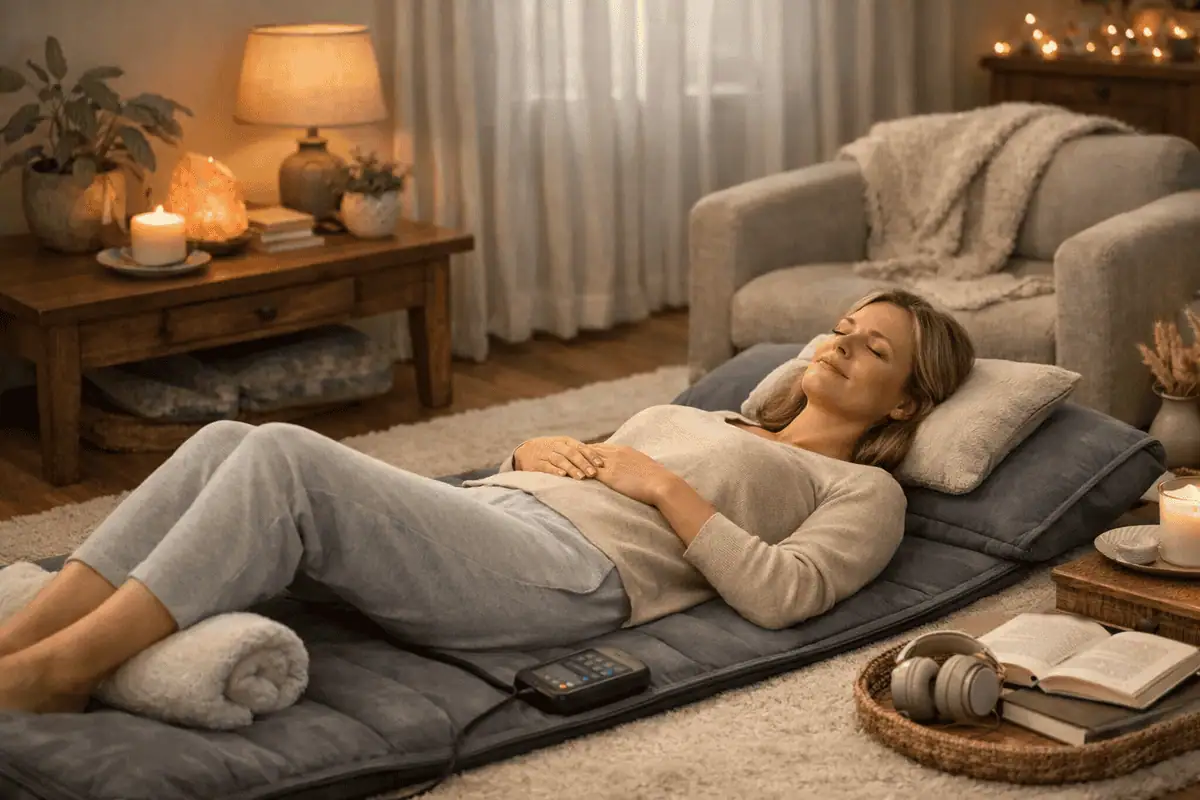
Comfort plays a significant role in whether a PEMF system is used consistently. The PEMF Supply mat is designed to allow comfortable positioning for extended periods without requiring active effort.
Typical user observations include:
- Minimal sensation during operation
- Quiet functioning
- No heat generation
- Passive, relaxation-compatible use
These characteristics support long-term usability and consistent routine adoption.
Comfort is also influenced by surface choice. Many users place a full-body mat on a supportive surface (firm mattress, yoga mat layer, or carpeted floor) to reduce pressure points. A setup that is too soft may create uneven contact; a setup that is too hard may discourage longer sessions.
Another overlooked comfort variable is expectation. Because PEMF is typically subtle, new users sometimes assume they should “feel” a strong sensation. In most cases, comfort is better served by treating the session as passive time rather than searching for a dramatic sensory signal. If the user feels uncomfortable, restless, or unsure, that often leads to inconsistent use—and consistency is one of the few practical variables users can control responsibly.
Finally, comfort includes usability of the controller. A simple, understandable interface reduces mistakes and increases repeatability. For home routines, the “best” interface is usually the one the user will actually use without needing constant troubleshooting.
Safety Profile and Contraindications

PEMF systems are generally considered low-intensity wellness devices, but safety considerations remain important.
The Mayo Clinic notes that electromagnetic therapies should be used cautiously in individuals with implanted medical devices such as pacemakers (Mayo Clinic reference).
General precautions include:
- Avoiding use near implanted electronic medical devices
- Consulting a physician when uncertain
- Following manufacturer instructions
For a conservative, PEMF-specific list of risk considerations and contraindications, see: PEMF therapy safety, risks, and contraindications.
Comparison to Other Full-Body PEMF Systems
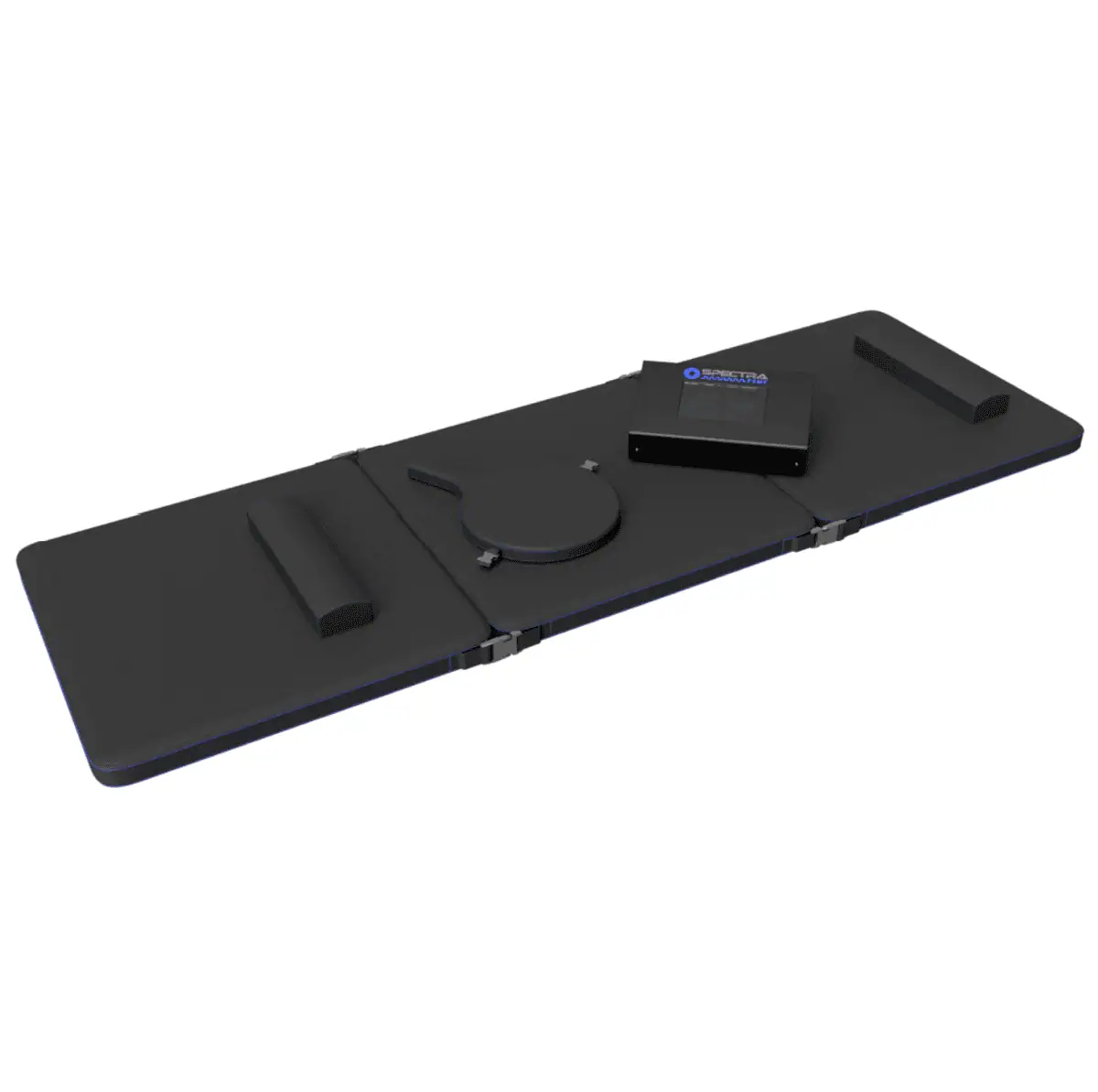
Compared to other full-body systems, PEMF Supply devices emphasize programmable flexibility and structured coil placement.
Key comparison points include:
- Programmable frequency range
- Full-body coil coverage
- Consistent electromagnetic field distribution
- Routine-compatible design
These characteristics align with systems designed for consistent home use.
When comparing full-body systems, the most useful comparisons are often “ownership reality” comparisons rather than marketing comparisons. In practice, full-body PEMF systems tend to vary most on:
- Controller usability: how intuitive it is to select a program, adjust settings, and start sessions reliably.
- Setup and storage: whether the mat is easy to store and deploy without developing creases or cable stress points.
- Consistency of use: whether the device encourages repeatable sessions (same program, same duration, same environment).
- Maintenance expectations: cleaning, surface wear, and how well connectors hold up over time.
Another comparison category is “field delivery format.” Some systems emphasize a small number of simple programs designed for routine use, while others provide more complex sequencing. More complexity can be helpful for certain users, but it can also create friction if the user frequently changes settings without a consistent routine.
For readers who want a broader comparison set (including device categories and selection logic), the most efficient path is to use the Buyer’s Guide as the central hub: Best PEMF Devices & Mats (2026 Buyer’s Guide).
Long-term considerations also matter here. A full-body mat is typically a multi-year purchase decision. The most conservative mindset is to prioritize durability, ease of repeatable sessions, and clear safety guidance—rather than assuming a device will deliver a specific outcome. If you have questions about editorial methodology or want to report an issue with a product claim you’ve seen elsewhere, you can reach PEMF Sage here: Contact PEMF Sage.
Who This Device May Be Most Appropriate For
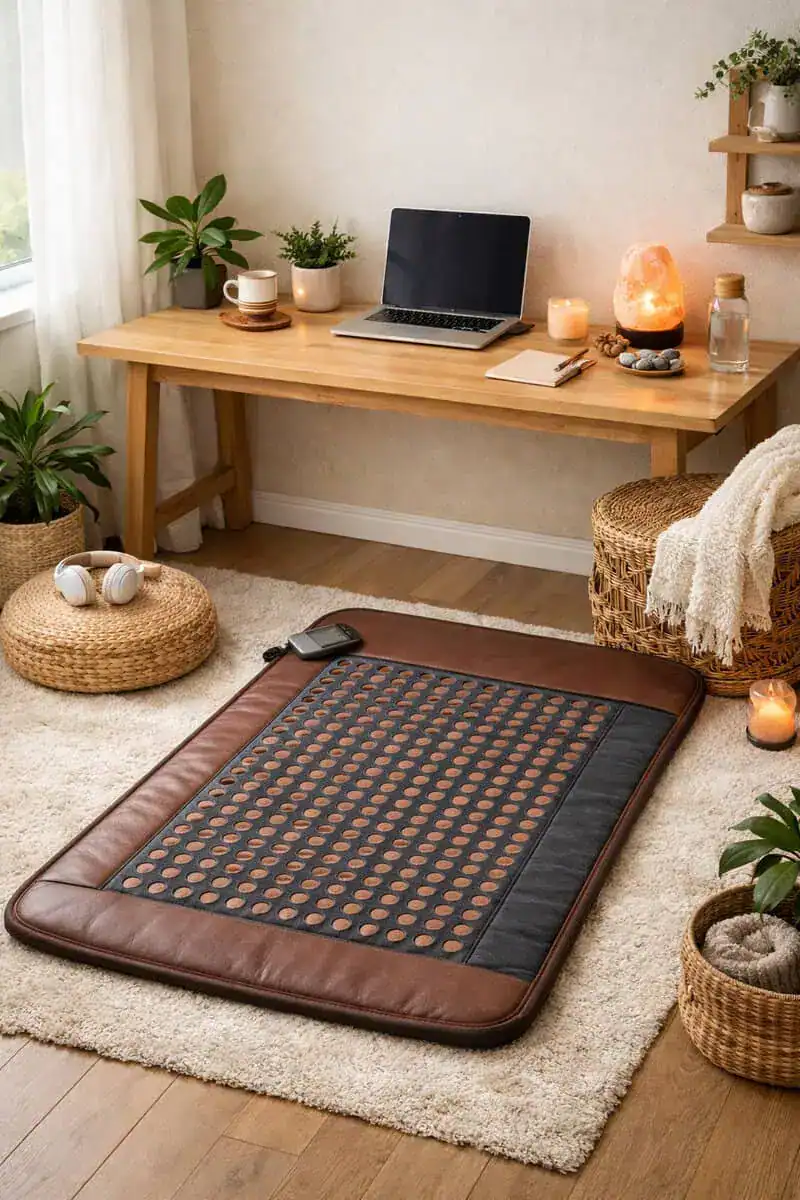
The PEMF Supply mat is most appropriate for individuals seeking a structured full-body PEMF system for home use.
Typical user profiles include:
- Individuals seeking consistent routine-based wellness tools
- Users preferring passive, full-body exposure
- Those evaluating home-based PEMF systems
- Individuals comparing programmable PEMF options
It may also fit users who prefer “set-and-run” sessions. Some individuals value a device that can be used with minimal daily decision-making: pick a comfortable program, set a consistent duration, and repeat. This is often more realistic than a routine that requires frequent experimentation.
Conversely, users who want a very localized, targeted approach (for example, spot positioning a small applicator on one area at a time) may prefer a different format than a full-body mat. In that case, a mat may still be valuable for general routine sessions, but it may not match a user’s preferred style of use.
Pricing, Warranty, and Affiliate Access

PEMF Supply offers its full-body mat systems directly through its official store, where customers can access configuration options and warranty details.
Before purchasing any high-ticket wellness device, a conservative best practice is to confirm the practical ownership details: return window, warranty coverage, and what is considered normal wear. These factors do not determine whether PEMF “works,” but they strongly influence whether the purchase remains a positive experience over time.
Exclusive PEMF Supply Discount
PEMF Supply offers 10% off and free shipping using the official affiliate link. View PEMF Supply Systems →
How It Fits Within the PEMF Device Landscape
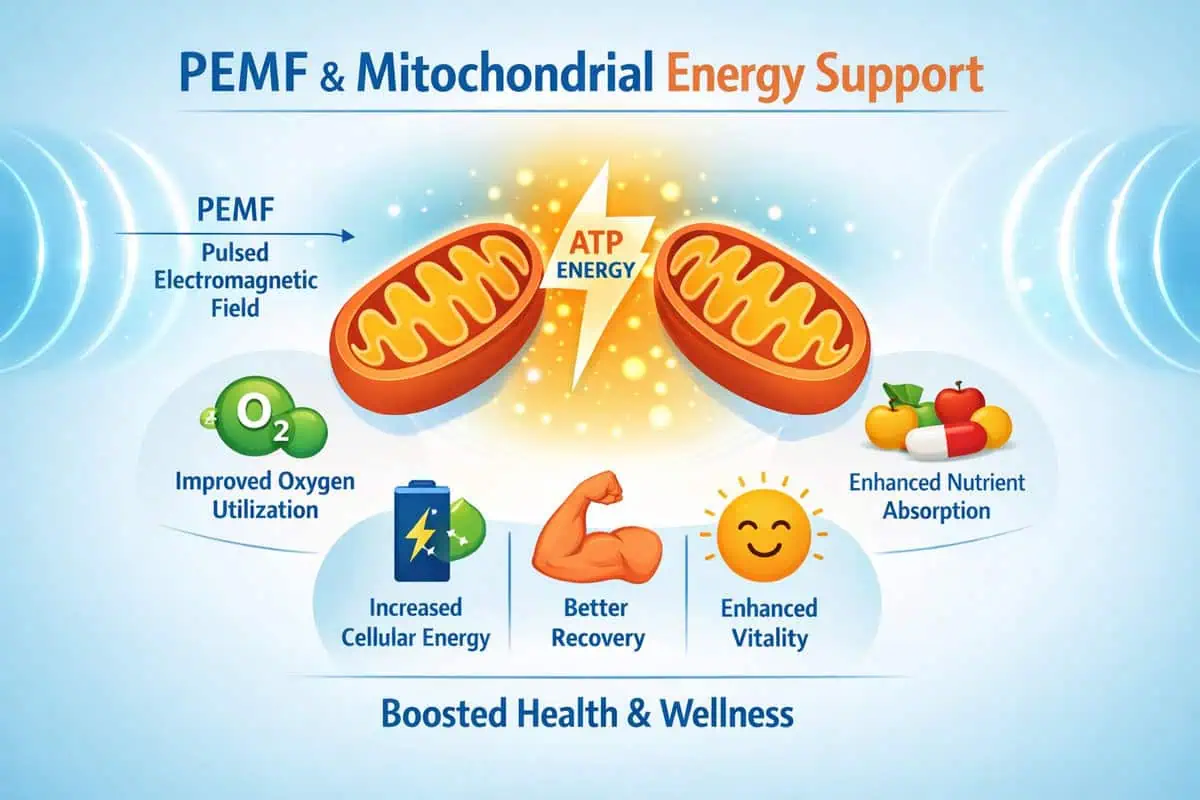
Full-body PEMF mats represent one of the most comprehensive formats available for home use. They provide broader exposure compared to localized applicators and may support consistent routine integration.
To understand how this system compares to other PEMF devices, see the complete comparison guide: Best PEMF Devices & Mats Buyer’s Guide.
You can also explore additional educational content in the PEMF Sage Blog.
In a broader landscape view, full-body mats often serve as the “routine anchor” device category: they are built for passive sessions that are easy to repeat. Other PEMF formats may prioritize portability, targeted positioning, or clinic-style platforms. Each format can be evaluated using the same conservative questions:
- Is it practical to use consistently?
- Are safety instructions clear and conservative?
- Are settings controllable and understandable?
- Does the device format match how the user realistically lives?
That decision framework is often more reliable than comparing claims language, because claims language can vary widely and is not always directly supported by the same level of evidence across devices.
Conclusion: PEMF Supply Full-Body Mat Review Summary
This PEMF Supply full-body mat review highlights a structured, programmable PEMF system designed for consistent home use. Its full-body coil layout, programmable settings, and routine-compatible design align with typical wellness-focused PEMF usage patterns.
For individuals comparing PEMF systems, the PEMF Supply mat represents one of several credible options depending on preferences for programmability, design, and routine integration.
For full comparison across available systems, consult the complete PEMF Buyer’s Guide.
If you are new to PEMF, a conservative starting point is to prioritize comfort, routine consistency, and safety screening over complexity. When in doubt, review contraindications and consult a clinician, especially if you have implanted devices or complex medical considerations.