Best Professional-Grade PEMF Systems

The best professional-grade PEMF systems differ from entry-level devices in one critical way: they are designed for consistent, repeatable, full-body exposure with precise control over signal characteristics. These systems are typically used in clinical offices, rehabilitation environments, or serious home wellness routines where reliability and adjustability matter more than portability.
Professional-grade PEMF platforms emphasize signal consistency, full-body coverage, programmable intensity ranges, and durability. They are intended for structured routines rather than occasional use. For readers comparing the broader PEMF landscape, the Best PEMF Devices & Mats (2026 Buyer’s Guide) provides full context across all device categories.
In a “professional-grade” context, it helps to interpret the term as a design intent rather than a guarantee of outcomes. These systems are built to deliver a consistent electromagnetic pulse pattern over a large surface area, with settings that can be repeated across sessions. That repeatability is what allows structured use—whether in a practitioner office or a disciplined home routine—without relying on guesswork or constant repositioning.
This guide keeps the comparison conservative: it focuses on engineering, controllability, coverage, and practical ownership considerations. It does not assume that higher specifications automatically translate into better results for every user, and it does not treat marketing claims as clinical evidence.
What Defines a Professional-Grade PEMF System

Professional-grade PEMF systems are distinguished by engineering stability, signal consistency, and full-body field distribution. Unlike smaller localized devices, these systems use coil arrays or large mat structures designed to expose broad areas simultaneously.
In practical terms, “professional-grade” usually means the system can run repeatable sessions with minimal drift in performance. It also suggests the device is built for frequent use (often daily), with a controller and mat that can handle long-term wear. The focus is less on novelty features and more on steady delivery: the same settings should feel and function similarly from session to session.
A second hallmark is control. Professional systems commonly emphasize adjustable settings that are meant to be used intentionally. That may include multiple programs, broader intensity ranges, or more granular control of session timing. While product specifications can be presented in different ways, the practical question is whether the system gives you enough control to create a consistent routine that you can maintain.
Finally, professional-grade platforms tend to prioritize full-body exposure. That does not mean “more is always better.” It means the coil design and surface area are intended to cover more of the body at once, reducing the need to move applicators around and helping keep routines straightforward.
- Full-body coil coverage for uniform field exposure
- Programmable frequency and intensity ranges
- Consistent waveform generation
- Durable construction for repeated daily use
- Stable power output across sessions
A useful way to think about these attributes is to separate “what the device can do” from “how the device is likely to be used.” For example, a professional platform may offer many programs, but the real advantage is the ability to pick a small set of settings and run them consistently over time. Consistency is often what makes routines realistic, especially when the system is meant to be used for months rather than weeks.
When you want more background context before comparing systems, the PEMF Therapy Benefits (Science-Backed Overview) page explains how PEMF is commonly discussed in conservative educational framing and what “support” language is intended to mean on PEMF Sage.
According to research indexed by PubMed, pulsed electromagnetic fields are studied primarily for their interaction with ion channels and cellular signaling pathways, highlighting the importance of consistent and repeatable signal delivery.
From a buyer’s perspective, this matters because professional-grade systems are often a meaningful investment. The goal is not to chase the highest numbers on a spec sheet, but to choose a platform that provides stable performance, clear controls, and a realistic ownership experience over the long term.
Why Signal Stability Matters in Professional Systems

Signal stability refers to the system’s ability to produce consistent electromagnetic pulses without variation between sessions. This consistency allows users to develop predictable routines.
In professional environments, predictability is not just a convenience—it is how protocols are kept coherent. Even when use is conservative and wellness-oriented, stability helps ensure that the same session settings translate into a similar experience each time. That makes it easier to evaluate comfort, tolerance, and routine adherence without constantly changing variables.
Stability can be discussed at multiple levels:
- Controller stability: the device reliably runs the selected program for the full session without interruptions or resets.
- Timing consistency: session length and pulse timing behave predictably and do not “wander” over repeated use.
- Output consistency: the system’s output remains steady across sessions at the same settings (within normal device tolerances).
While manufacturers may describe stability using different language, a practical indicator is whether the system is designed for frequent use without overheating, glitching, or requiring constant troubleshooting. Another indicator is whether the controller interface supports consistent routines rather than encouraging endless setting changes.
It is also worth noting what stability does not imply. Stability does not prove that a device will deliver a specific health outcome, and it does not replace the need for appropriate safety considerations. It simply means that the device is engineered to deliver a repeatable signal pattern, which is part of what “professional-grade” typically implies.
The National Institutes of Health (NIH) notes that electromagnetic field exposure in research settings relies heavily on controlled signal delivery, reinforcing why engineering stability is a defining feature of professional-grade systems.
If you want to keep safety framing front and center while comparing stronger platforms, the optional safety hub on PEMF Sage can help anchor conservative usage decisions: PEMF Therapy Safety, Risks & Contraindications.
Full-Body Coverage and Field Distribution
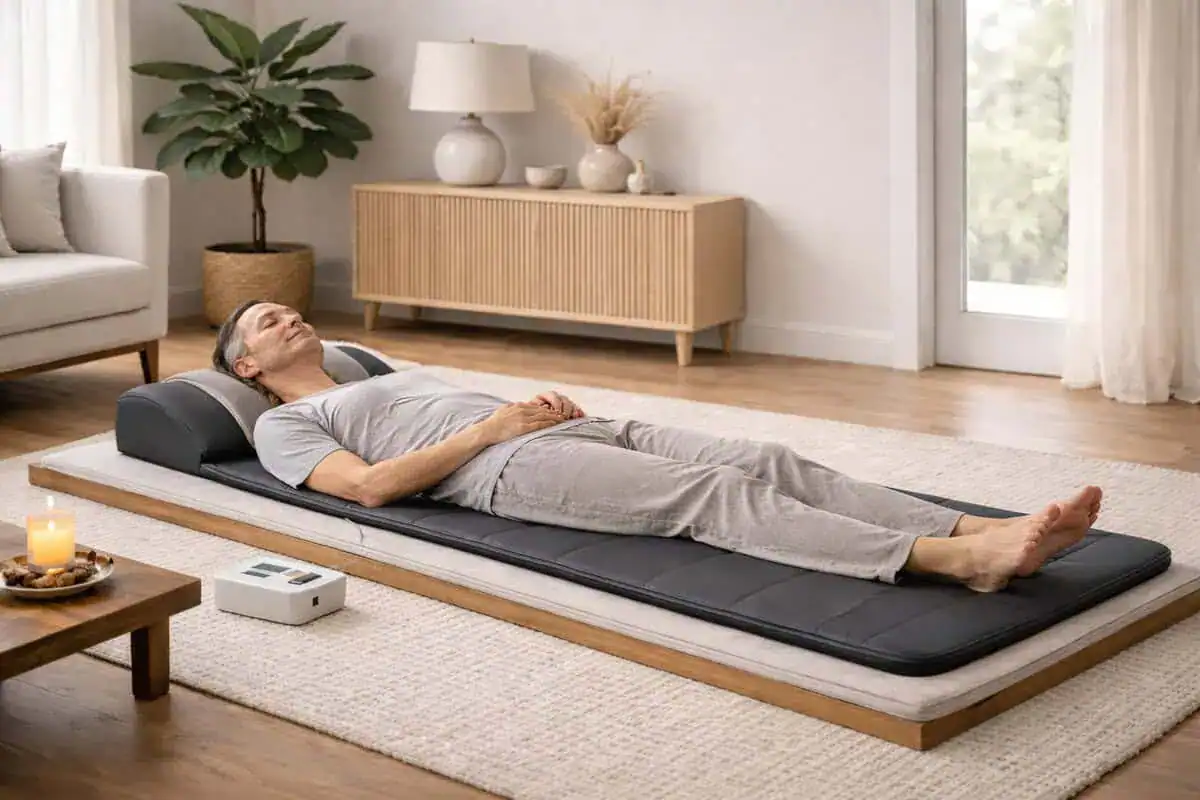
Professional PEMF systems typically use large mats with embedded coils designed to produce electromagnetic fields across the entire body simultaneously.
Coverage matters because it affects how “effortless” the routine becomes. With a full-body mat, the user can typically lie down and run a session without moving applicators from one area to another. That simplicity can make consistent use more realistic—especially when a system is meant to be used frequently.
Field distribution is a related concept: it describes how the field is delivered across the mat surface. Systems may use different coil layouts (for example, multiple zones or coil arrays) to produce a more uniform exposure pattern. From a conservative consumer perspective, the practical goal is not to “maximize” exposure everywhere, but to have a stable and predictable session across the body areas in contact with the mat.
Because manufacturers describe coverage in different ways, it can be helpful to compare the following:
- Mat dimensions: Does the mat length and width align with your height and typical lying position?
- Coil layout (if described): Does the system use multiple coils or zones designed for broader distribution?
- Controller pairing: Does the controller support consistent session structure for full-body use?
- Supports uniform exposure across major muscle groups
- Eliminates need to reposition localized applicators
- Improves consistency of routine structure
This design approach is why full-body PEMF systems are commonly used in structured environments rather than occasional spot applications.
A conservative reality check: full-body coverage is not inherently “better” for everyone. Some users prefer targeted devices because they want shorter sessions or localized use. Professional-grade systems tend to be a fit for users who prioritize consistency and routine simplicity over portability.
PEMF Supply Apex HSR Mat
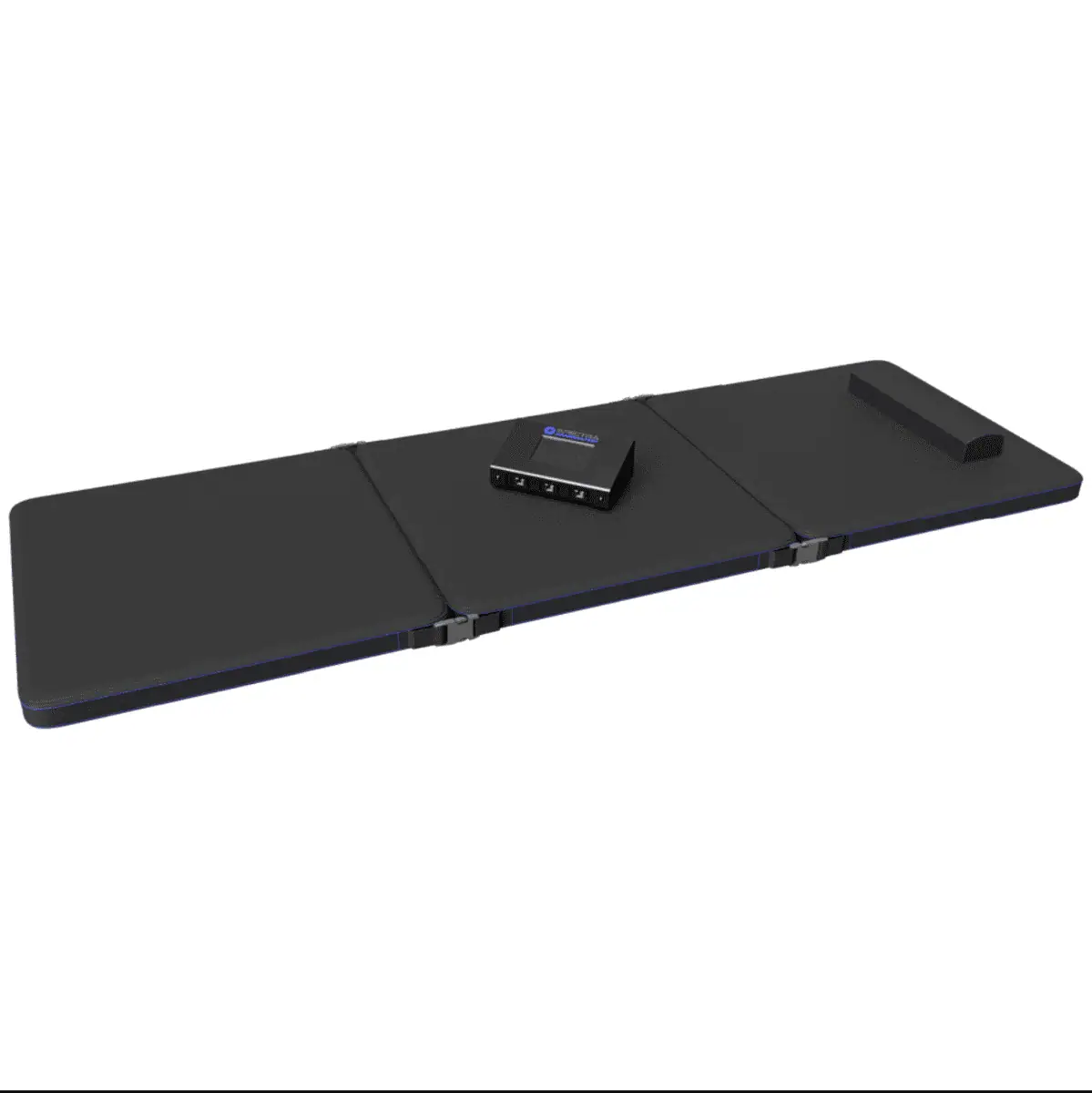
The Apex HSR Mat is designed as a full-body PEMF system emphasizing signal stability, consistent output, and programmable session control. Its structured mat design supports complete body coverage without repositioning.
When comparing professional systems, it is useful to focus on how the mat and controller work together as a single platform. A mat may be physically large, but the ownership experience depends on the controller interface, the reliability of program selection, and the ability to repeat settings without friction. In practice, many users end up choosing a small set of preferred programs and running them consistently rather than constantly experimenting.
Another practical consideration is comfort and routine realism. Full-body mats can be used on the floor, on a firm bed surface, or on a dedicated wellness setup. A professional-grade routine is most sustainable when the system is easy to deploy, store (if needed), and operate without complicated steps.
- Full-body coil array design
- Programmable signal intensity ranges
- Stable waveform output
- Suitable for structured daily routines
From a conservative buyer standpoint, the simplest selection logic is:
- If you want full-body coverage and a repeatable routine, a mat-based system is a coherent option.
- If you want fewer moving pieces, prioritize a setup that does not require repositioning accessories.
- If you value session consistency, prioritize stable controls and repeatable programs over novelty features.
For readers who want the broader comparison context across multiple PEMF categories (including non-professional formats), the Best PEMF Devices & Mats (2026 Buyer’s Guide) remains the primary hub.
Professional System Option
The Apex HSR Mat provides full-body electromagnetic field exposure with programmable signal control. View Apex HSR Mat →
PEMF Supply Spectra Apex HSR Pro
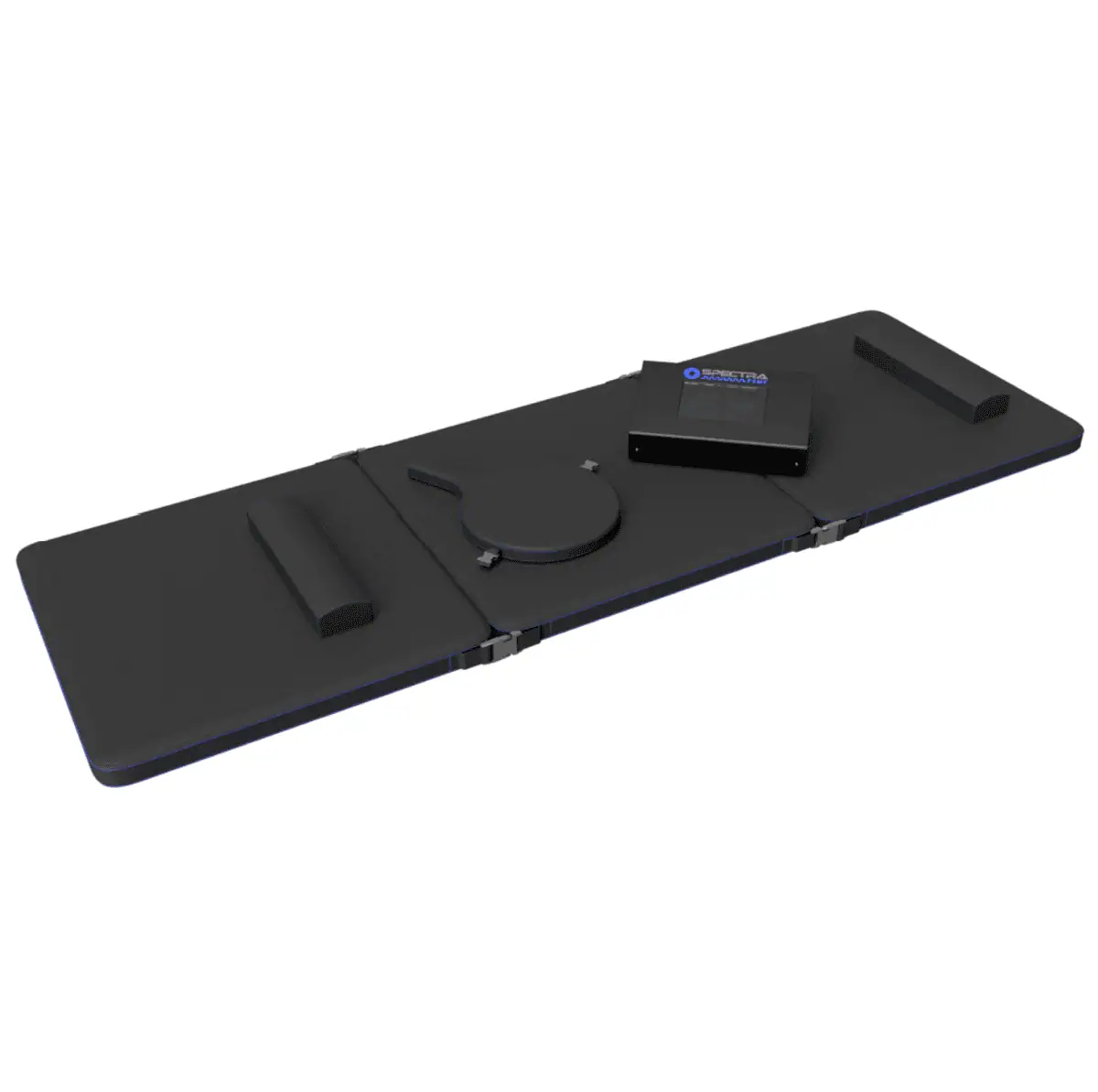
The Spectra Apex HSR Pro builds on the full-body mat platform with expanded programmability and enhanced control features. These capabilities allow users to tailor sessions to their routine structure.
In professional-grade comparisons, “expanded programmability” is most meaningful when it supports repeatable personalization. That means users can adjust session settings to match comfort and routine goals while keeping the overall structure stable over time. Conservative users often value systems that allow controlled adjustments without pushing them into aggressive or confusing settings.
A useful mindset is to treat higher-end programmability as a way to refine routine consistency:
- Choose a program structure you can repeat.
- Adjust settings gradually, with comfort and tolerance as the primary guide.
- Keep sessions predictable so you can maintain routine adherence.
- Advanced signal control interface
- Full-body coil configuration
- Designed for repeatable session routines
- Durable construction for consistent use
If you are comparing two professional-grade systems within the same brand ecosystem, it is often reasonable to make the decision based on (1) control features you will actually use, and (2) the ownership experience you prefer. For many users, the difference between “good” and “great” is not extreme technical complexity—it is whether the system feels stable, intuitive, and easy to run consistently.
Advanced Professional System
The Spectra Apex HSR Pro offers expanded programmability and full-body field coverage. View Spectra Apex HSR Pro →
Interaction With the Nervous System
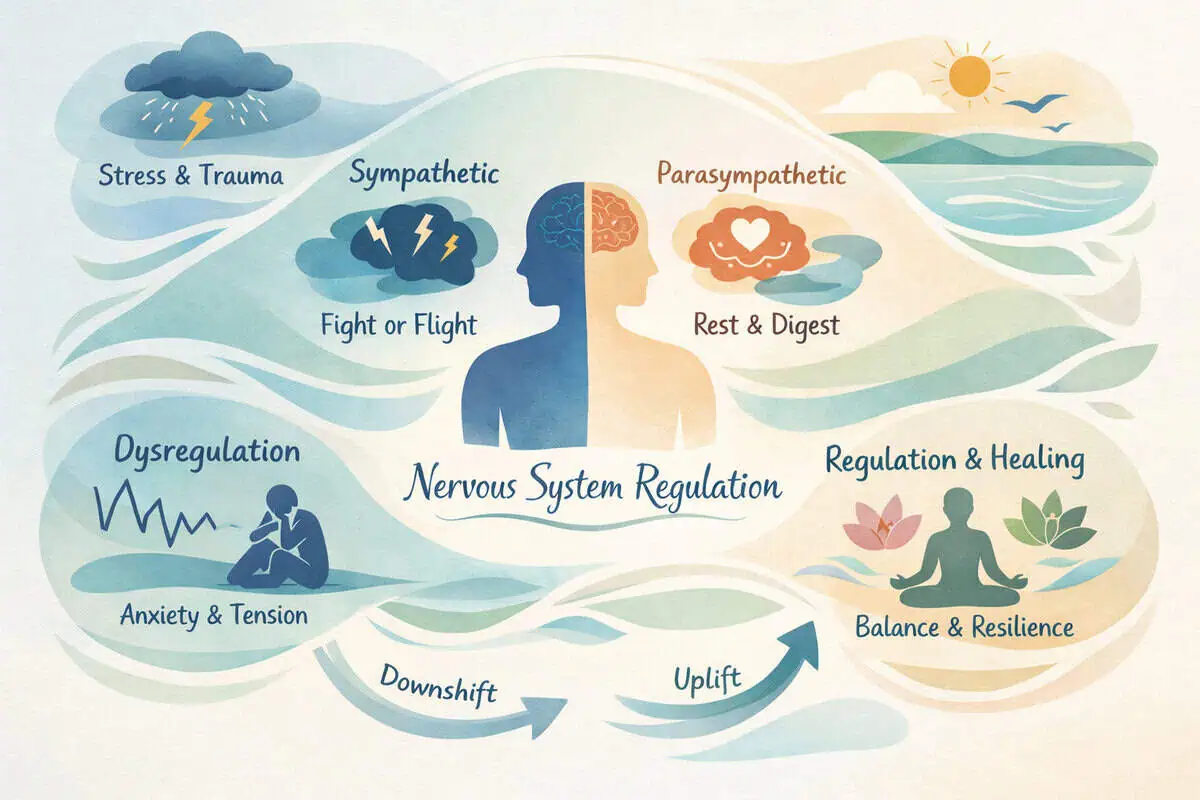
Research summarized by the Cleveland Clinic explains that electromagnetic fields may influence nerve signaling environments. Professional-grade systems emphasize consistency to support repeatable exposure patterns.
In a conservative frame, it is best to describe this as a physiological interaction context rather than a promise of outcomes. PEMF research often discusses how electromagnetic fields may influence cellular communication and signaling, which can relate to how tissues and nervous system pathways respond to environmental inputs. However, the presence of a plausible mechanism does not automatically establish a specific clinical effect for every person or device category.
For professional-grade systems, the relevance of nervous system framing is mainly about routine tolerability. Users commonly describe sessions as subtle and relaxing, and professional systems are typically designed to deliver consistent pulses that feel predictable rather than erratic. A stable routine can be especially important for users who are sensitive to stimulation or who want a calm, repeatable wellness practice.
If you want to keep your selection logic conservative, treat nervous system language as guidance for routine design:
- Start with shorter sessions at comfortable settings.
- Maintain consistent timing (same time of day if possible).
- Adjust gradually and prioritize comfort over intensity.
Session Consistency and Routine Structure

Professional PEMF systems are designed for routine integration. Users typically structure sessions in consistent time blocks, reinforcing predictable patterns.
A practical routine framework often looks like this:
- Session length: choose a duration you can maintain consistently.
- Frequency: use a schedule that matches your lifestyle rather than an “ideal” that is hard to sustain.
- Environment: keep the setup consistent (same surface, similar posture, similar time of day).
- Tracking: keep brief notes on comfort and routine adherence rather than trying to measure outcomes aggressively.
This approach supports conservative decision-making because it reduces moving parts. If you are constantly changing session length, settings, and timing, it becomes difficult to know what is actually tolerable and repeatable for you as a user.
For broader educational context, readers can explore additional PEMF topics in the PEMF Sage Blog.
If you have questions about how PEMF Sage evaluates claims and keeps language conservative, or you want to report an issue with a product listing, you can also reach the team through Contact PEMF Sage.
Circulation and Microcirculation Context

Studies referenced by the Mayo Clinic and PubMed examine electromagnetic field interactions with cellular environments, highlighting potential influence on circulation-related signaling processes.
For professional-grade systems, circulation framing is often used because full-body mats expose large areas of tissue simultaneously. In conservative educational language, this is best discussed as “microcirculation context” rather than a guaranteed effect. Research discussions may explore how electromagnetic fields could influence signaling pathways that relate to vascular tone, cellular metabolism, and tissue-level communication.
Ownership reality matters here because “professional-grade” often implies:
- Long-term usage: you are likely to use the system for months, not days.
- Maintenance: you will want to keep the mat clean, stored appropriately, and protected from folding damage.
- Consistency expectations: you are buying the ability to run repeatable sessions, not a one-time “fix.”
There are also practical compliance considerations for serious home ownership:
- Electrical safety: use a stable power outlet and avoid risky extension-cord setups unless manufacturer guidance explicitly allows it.
- Heat and ventilation: keep the controller in a ventilated area and avoid placing it on bedding where airflow is restricted.
- Surface protection: use a clean, stable surface that reduces wear on seams and connectors.
- Care expectations: follow cleaning and storage recommendations to prevent premature damage.
For conservative users, the strongest “long-term” advantage of a professional-grade platform is not that it can run higher settings. It is that the system is engineered to support routine use with fewer interruptions, fewer variables, and fewer workarounds. That is often what makes consistent use realistic.
Professional vs Entry-Level PEMF Systems

Key differences include:
- Programmability
- Signal stability
- Full-body coverage
- Engineering durability
A conservative way to interpret these differences is to ask what problem you are actually trying to solve as an owner:
- If routine adherence is difficult, full-body coverage and a simple setup can matter more than advanced settings.
- If you want fewer variables, stability and repeatability may matter more than “maximum” intensity claims.
- If you expect frequent use, durability and warranty support often become more important than features you may never use.
Entry-level devices may still be appropriate for some users, especially those who want occasional sessions or localized use. Professional-grade systems tend to be most coherent when you want a structured practice and prefer a platform built for that purpose.
Who Professional-Grade PEMF Systems Are Best For

These systems are most appropriate for:
- Structured wellness routines
- Consistent daily or weekly use
- Full-body exposure preferences
- Users prioritizing reliability and programmability
They can also be a fit for users who prefer “one platform” rather than a collection of smaller accessories. Full-body systems reduce decision fatigue because sessions can be run in a consistent way without needing to decide where to place an applicator or how to rotate through body regions.
From a conservative buying perspective, it is reasonable to treat a professional-grade PEMF system like other high-ticket wellness equipment: the best choice is the one that you will actually use consistently and safely. The most advanced controller in the world is not helpful if the routine is difficult to maintain.
Practical Comparison Summary

When comparing the best professional-grade PEMF systems, the most important considerations include:
- Signal stability
- Full-body coil coverage
- Programmability
- Engineering reliability
A conservative, practical checklist can help keep the decision grounded:
- Coverage fit: Does the mat size realistically fit your body and your space?
- Routine fit: Can you run sessions consistently without complicated setup steps?
- Control clarity: Are the controls intuitive enough to support repeatable use?
- Ownership reality: Do storage, cleaning, and durability expectations fit your household?
- Trust signals: Are claims restrained enough to evaluate without relying on hype?
If you want to compare professional-grade options within the broader PEMF market, the most efficient next step is usually to anchor the decision inside the primary hub: Best PEMF Devices & Mats (2026 Buyer’s Guide). That page helps keep category comparisons consistent and prevents “mini hubs” from forming across the site.
Conclusion: Choosing a Professional-Grade PEMF System

The best professional-grade PEMF systems prioritize stability, consistency, and full-body exposure. These platforms are designed for structured use and emphasize reliable signal delivery over portability or convenience.
Readers comparing the full PEMF landscape should review the Best PEMF Devices & Mats Buyer’s Guide to understand how professional-grade systems compare with other categories.
A professional-grade platform is usually a fit when your priority is repeatable sessions and a realistic long-term routine, not constant setting changes or novelty features.