FlexPulse PEMF Review

This FlexPulse PEMF review provides a conservative, evidence-aligned look at a home-use pulsed electromagnetic field (PEMF) system positioned for personal wellness support. Rather than repeating bold marketing claims, this review focuses on device category, typical use patterns, physiological plausibility, and how FlexPulse fits within the broader PEMF landscape.
FlexPulse is generally described as a home-based PEMF platform intended to support circulation, relaxation, and recovery routines. As with all PEMF systems discussed on PEMF Sage, the emphasis here is on mechanism clarity, safety awareness, and realistic expectations.
Because home PEMF devices vary widely in intensity, waveform, coil geometry, and controller programming, it is often more useful to evaluate FlexPulse by category and use case than by any single headline feature. If you want a broader framework for comparing device types and deciding what matters for home use, you can also browse the PEMF Sage Blog for supporting explainers and methodology pages.
What Category of PEMF Device Is FlexPulse?
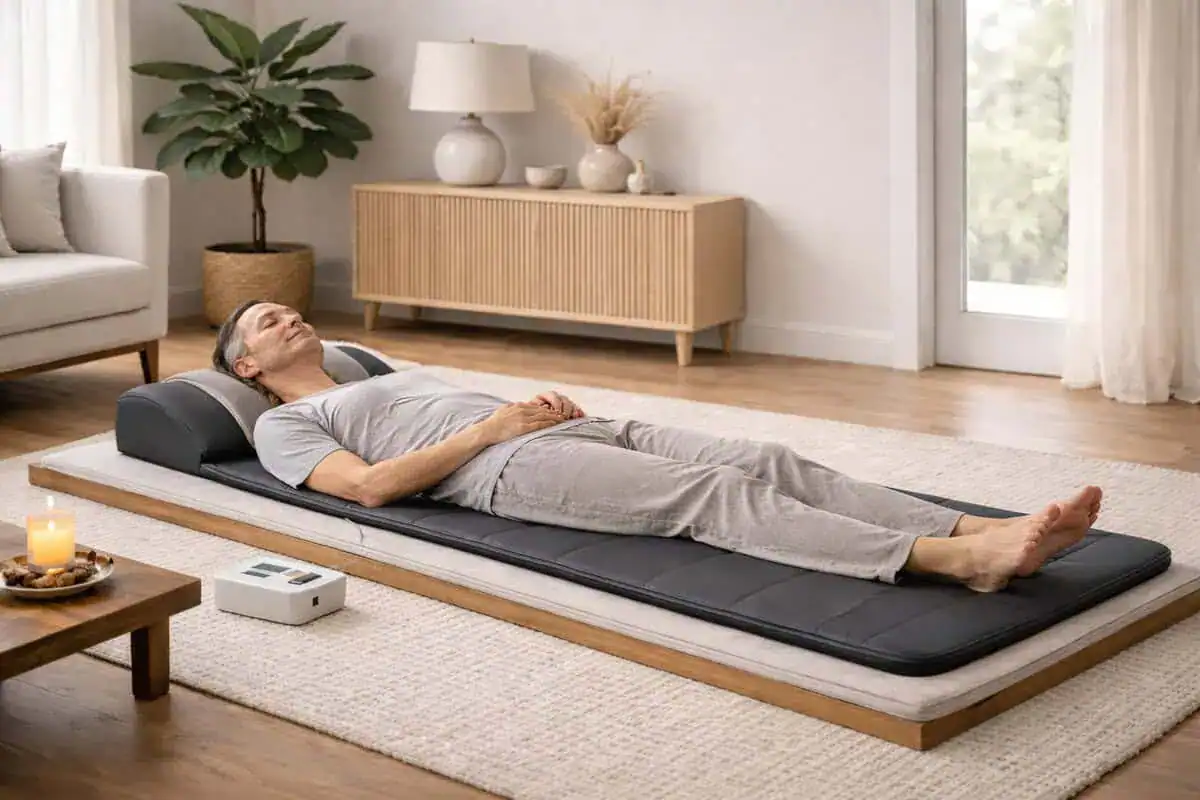
FlexPulse appears to fall into the category of home-use, full-body or near-full-body PEMF systems. Devices in this class typically consist of a mat or pad connected to a controller that generates low-frequency electromagnetic pulses.
Unlike clinical systems used in supervised environments, home systems are designed for:
- Daily or near-daily sessions
- Comfortable, reclined use
- Lower-intensity exposure compared to large professional platforms
- Self-directed wellness routines
If you are new to the broader category, our overview of Best PEMF Devices & Mats (2026 Buyer’s Guide) explains how different system types compare structurally and functionally.
A practical way to think about this category is that it sits between two extremes:
- Localized, spot-treatment devices that focus on a small area at a time
- Large clinical platforms that may use complex coil arrangements and supervised protocols
A full-body or near-full-body mat system is designed for convenience and consistency: you can lie down, run a session, and incorporate it into a repeatable routine. This matters because many people evaluate PEMF over weeks rather than expecting immediate, dramatic changes after a single session.
When comparing mat-style systems, users typically look for basic clarity on:
- How the field is generated (coil layout, coverage area)
- How it is controlled (preset programs vs manual adjustment)
- How sessions are used (recovery routines, relaxation routines, mobility support)
- How the system fits (space, storage, portability, noise, cable management)
Even without discussing pricing, those variables often determine whether a device is realistic for day-to-day use. If you want help deciding which device categories match your goals before you compare specific brands, the 2026 Buyer’s Guide is the best starting point on this site.
How PEMF Technology Works (Physiology Overview)
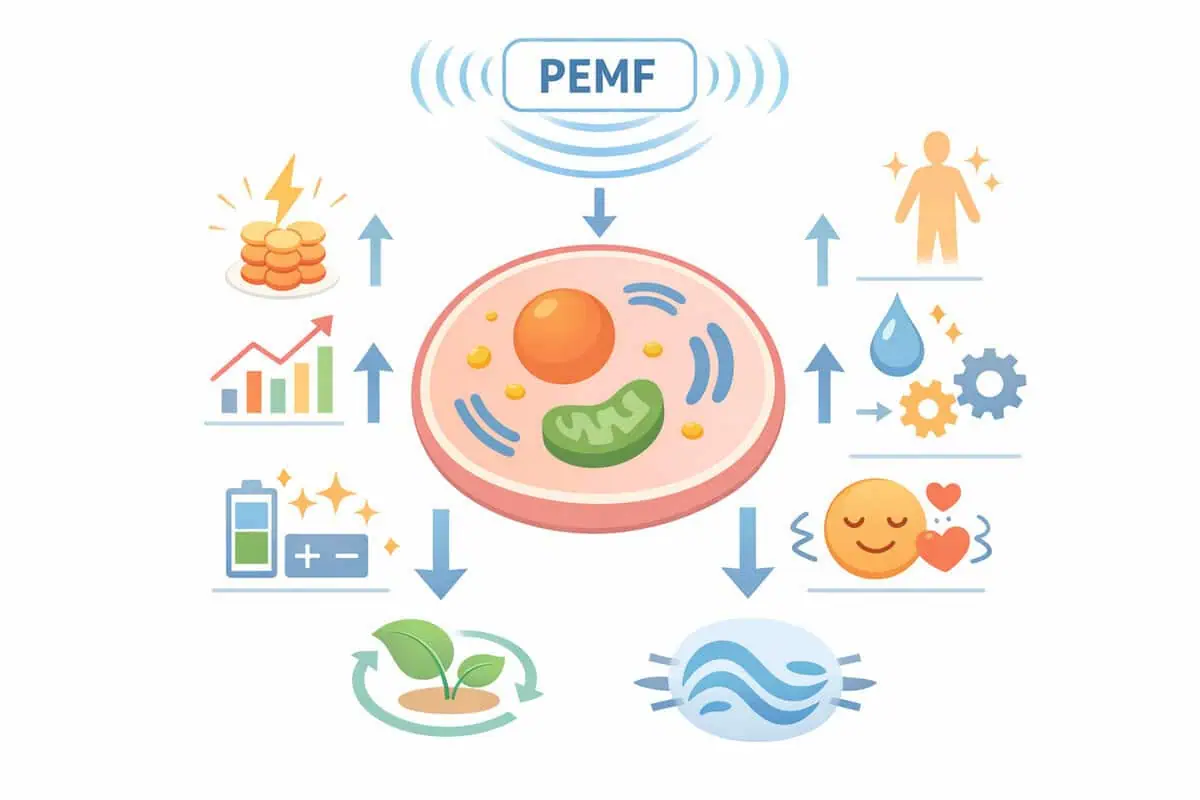
PEMF systems, including FlexPulse-style devices, generate low-frequency electromagnetic fields. These fields are designed to interact with the body’s natural bioelectrical environment.
From a physiological standpoint, proposed mechanisms include:
- Modulation of cellular signaling pathways
- Influence on ion channel activity
- Support for microcirculation
- Potential effects on mitochondrial energy production
Research indexed through PubMed suggests that low-frequency electromagnetic fields may influence cellular behavior under specific conditions, though results vary by intensity, waveform, and protocol.
The National Center for Complementary and Integrative Health (NCCIH) notes that electromagnetic therapies are an area of ongoing research, particularly in relation to musculoskeletal and circulation-related topics.
At a conservative level, the mechanism story is usually framed around subtle influences on how cells communicate and respond to their environment. Cells rely on electrochemical gradients and signaling processes to coordinate basic functions. PEMF is commonly discussed as a gentle external input that may interact with those processes, without implying that it “forces” a specific outcome.
One frequently discussed pathway involves ion channels and membrane dynamics. Ion flow (such as calcium, potassium, sodium) contributes to cellular signaling. In the PEMF context, the cautious interpretation is that electromagnetic pulsing may influence how signaling behaves under certain parameters, but translating that into predictable real-world outcomes is not always straightforward.
Another pathway relates to microcirculation, which can influence how tissues receive oxygen and nutrients. Some studies examine whether electromagnetic exposure changes microvascular behavior. When people use a mat-style system for “recovery support,” this is often the physiological story they are referencing, even if they do not describe it in technical terms.
Finally, some research discussions focus on mitochondrial function and energy availability at the cellular level. A conservative framing here is that electromagnetic environments may influence cellular energy processes indirectly, but the strength of evidence varies by study design and device parameters. For readers who want a “big-picture” explanation of how PEMF fits into wellness routines without medical claims, the PEMF Therapy Benefits (Science-Backed Overview) page is the most appropriate reference on this site.
Typical Use Experience
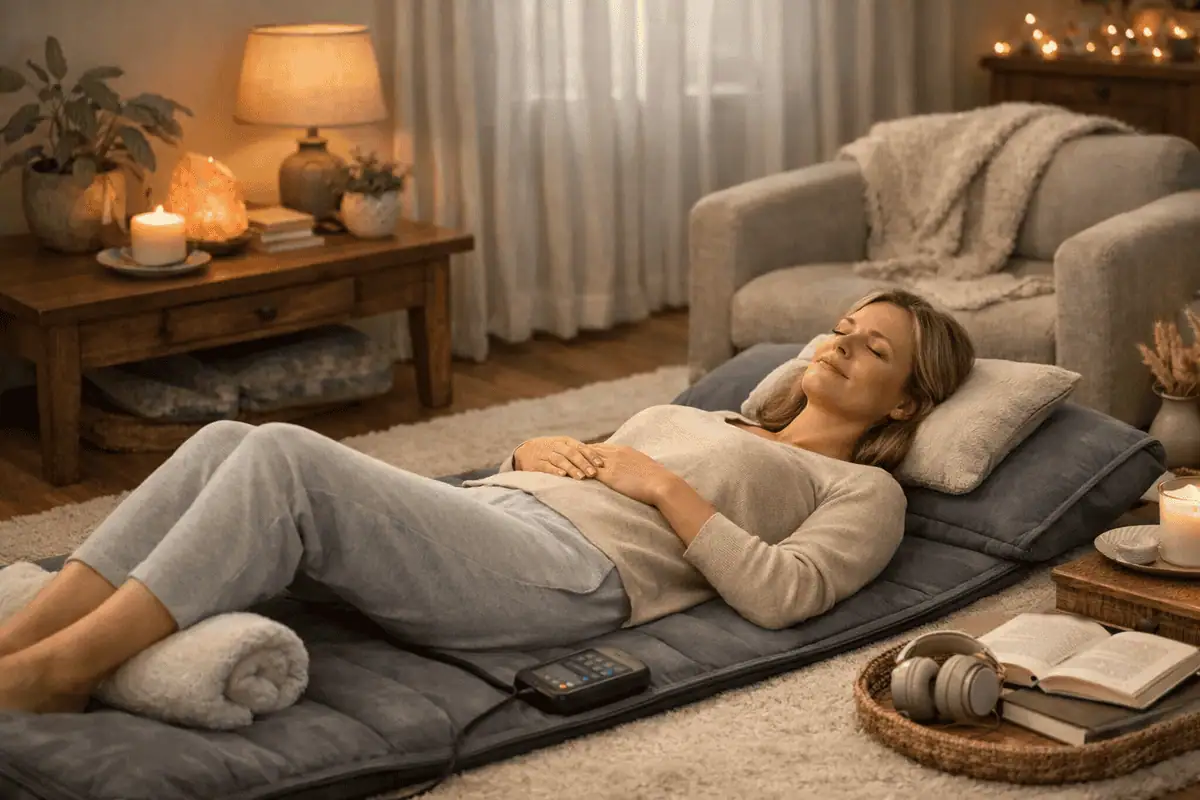
Users of home PEMF systems often describe the experience as subtle. Many report:
- Gentle pulsing sensations (or no sensation at all)
- A relaxed or calm state during sessions
- Use as part of a wind-down or recovery routine
Sessions commonly last between 15–45 minutes depending on device programming and user preference. For more detailed guidance on timing and frequency, see our educational breakdown of PEMF Therapy Benefits (Science-Backed Overview), which discusses how session consistency may matter more than intensity alone.
A useful way to think about “typical experience” is to separate what you feel from what you notice over time. Many mat systems do not produce an obvious sensory effect. That does not necessarily mean “nothing is happening,” but it does mean that subjective feedback is not always a reliable indicator of dosing or effectiveness.
In practice, users often judge a home device by whether it fits smoothly into daily life. Common patterns include:
- Morning sessions as a gentle reset before work or training
- Evening sessions as part of a wind-down routine (low light, quiet room, comfortable temperature)
- Post-activity sessions combined with stretching, hydration, and relaxed breathing
Most people who stick with PEMF long enough to evaluate it treat it like a “low-friction habit.” They set a consistent session window, avoid overthinking day-to-day variability, and reassess after a few weeks. This is also why noise level, controller simplicity, and comfort matter: a device that is difficult to set up or unpleasant to lie on is less likely to be used consistently.
If you are new to PEMF and want a conservative baseline approach, the simplest routine is often:
- Choose a comfortable session time you can repeat
- Start with modest session length
- Keep other variables stable (sleep schedule, hydration)
- Track only broad patterns (overall relaxation, routine adherence), not day-to-day fluctuations
Circulation and Microcirculation Context

One of the most commonly discussed mechanisms in PEMF literature relates to circulation. Some studies suggest that low-frequency electromagnetic exposure may influence microvascular blood flow.
The Cleveland Clinic explains that microcirculation plays a role in oxygen and nutrient delivery at the tissue level. While PEMF is not a replacement for medical treatment, its theoretical role in supporting circulatory dynamics is one reason these devices are often used in recovery-oriented routines.
Importantly, outcomes depend on multiple variables — including waveform, intensity, and individual physiology.
In plain terms, microcirculation is about the “last mile” of circulation: the small vessels that help deliver oxygen and nutrients where they are needed. That concept is often appealing to people who think about recovery support, stiffness, and general day-to-day resilience. The conservative caveat is that improved circulation is not a guarantee, and the evidence base can vary depending on the exact PEMF parameters being studied.
If you are trying to evaluate FlexPulse through this lens, it can help to ask practical questions:
- Is the device designed for full-body exposure or smaller coverage areas?
- Does it encourage consistent use (comfort, easy setup)?
- Does the controller provide stable, repeatable programs rather than constant tweaking?
From a safety-first perspective, it also helps to remember that microcirculation is influenced by many non-device factors: temperature, hydration, movement, sleep, stress, and overall cardiovascular fitness. A home PEMF mat, if it plays a role, is more realistically positioned as a supportive input rather than a primary driver of circulation outcomes.
Nervous System Regulation & Relaxation
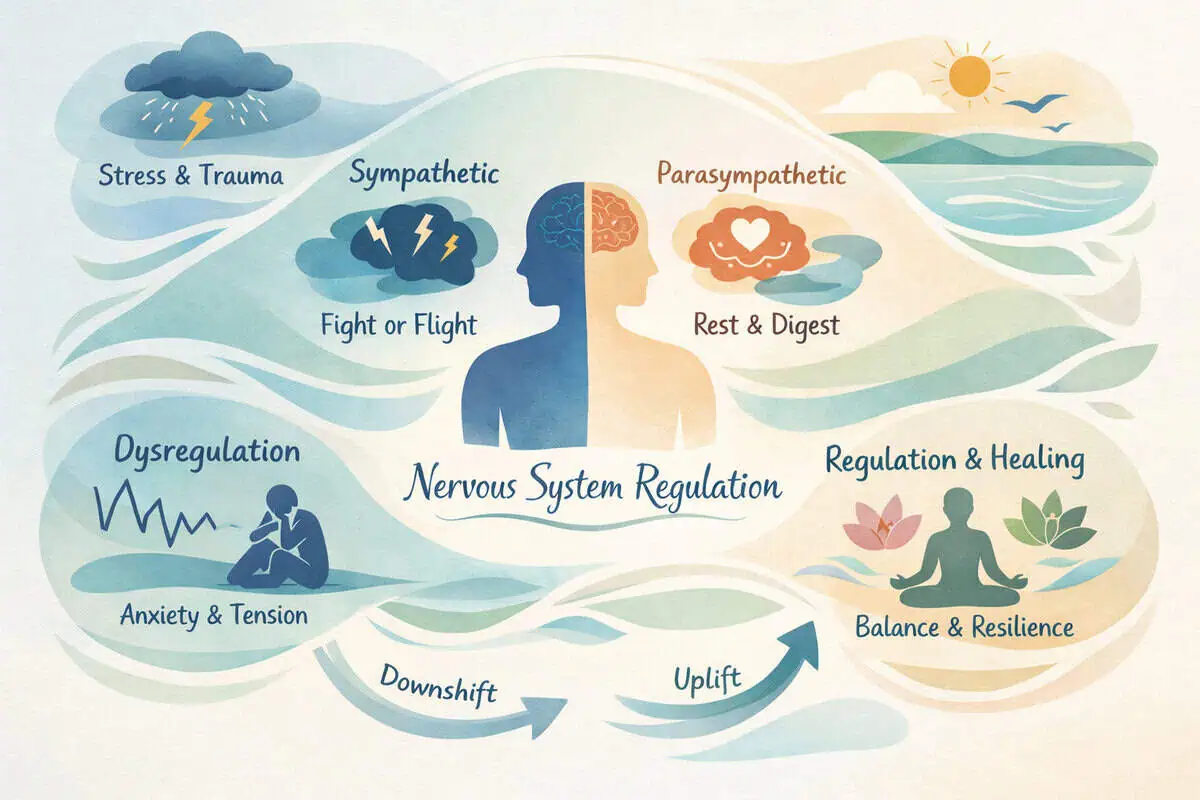
Another proposed mechanism involves nervous system signaling. Low-frequency electromagnetic fields may influence autonomic balance under certain parameters.
The Mayo Clinic notes that stress regulation and nervous system balance are complex processes influenced by sleep, exercise, and behavioral factors. PEMF devices are sometimes integrated into broader routines that include breathwork, stretching, and evening wind-down practices.
Users who incorporate FlexPulse-style systems often do so as part of a structured wellness habit rather than a standalone intervention.
A conservative way to interpret “nervous system support” is that a quiet, consistent routine can help many people downshift from a high-alert state into a calmer one. A PEMF mat session often creates a context where:
- The person lies still for a set period of time
- External stimulation is reduced (no phone, dim lights, quiet room)
- Breathing slows and becomes more regular
- Muscle tension decreases simply from resting
If PEMF adds any benefit in this area, it is typically discussed as an incremental effect rather than a dramatic transformation. This is also why users often prefer simple “relaxation” programs over constantly changing settings. If you want more conservative background on how PEMF is discussed in wellness education (without claims), the Blog section contains supportive explainers that place this topic in context.
For some people, the strongest value of a home mat is not a specific “feeling” during the session, but the reliable habit it creates. That habit can pair well with other low-risk practices that support calm and recovery: gentle mobility work, consistent sleep timing, and reducing late-night screen exposure.
Comparing FlexPulse to Other Home Systems
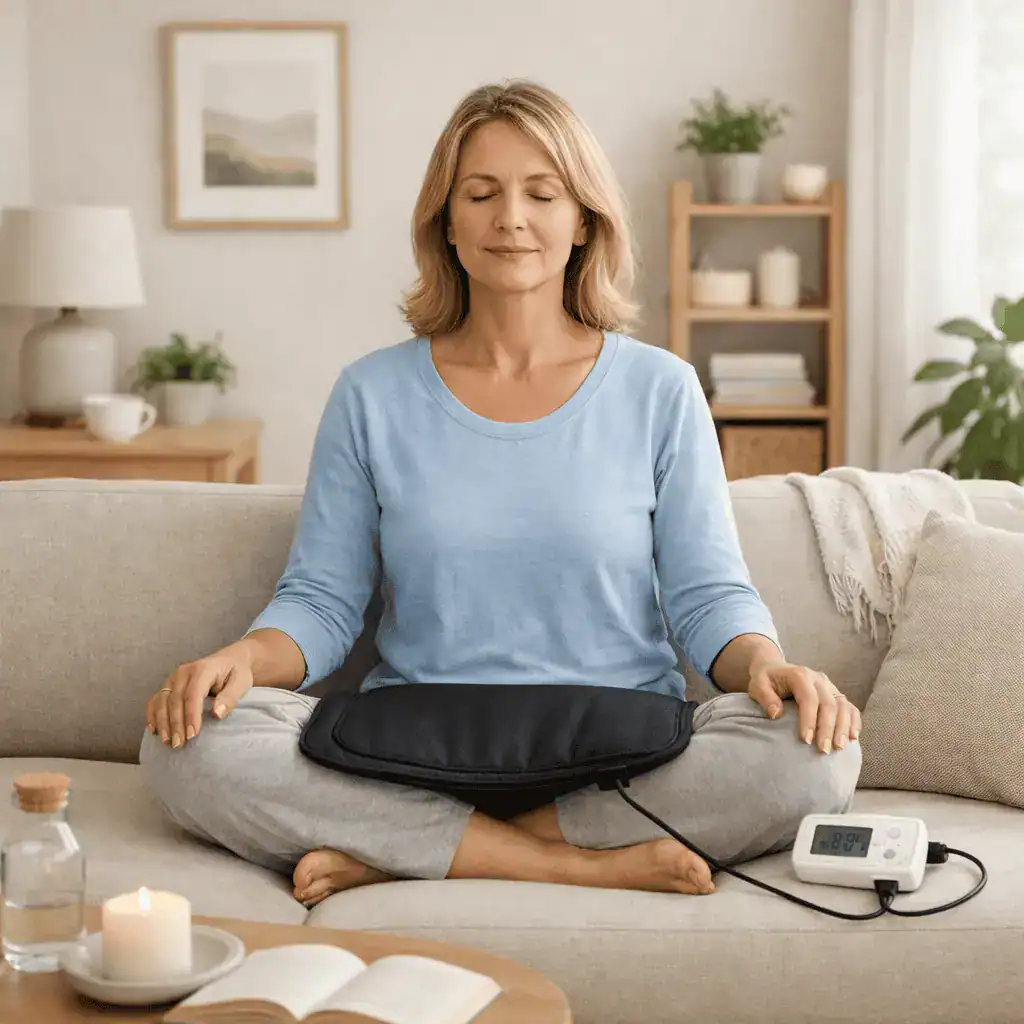
When evaluating FlexPulse, it helps to compare across key variables:
- Frequency range
- Waveform design
- Field strength
- Programmability
- Build quality and controller interface
Because this post is non-monetized, it does not include pricing comparisons. For a broader market comparison, refer to our structured overview of leading home PEMF systems in the 2026 Buyer’s Guide.
To make those variables more actionable, it helps to translate them into practical “decision checks”:
- Frequency range: Does the device focus on a small set of presets, or does it offer a wide range that may be harder to use consistently?
- Waveform design: Is the system transparent about what programs do, or is the programming described in vague, marketing-style language?
- Field strength: Is the device aimed at gentle, daily use, or does it present itself as a higher-intensity experience (which may affect comfort and tolerability)?
- Programmability: Can you run a simple session without constant adjustments?
- Interface and build quality: Does the controller feel durable, and are cables, connections, and mat materials designed for repeated use?
For many buyers, “the best device” is the one that gets used. In the home category, comfort, noise level, and setup friction can matter as much as technical specs. A mat that is too thin, too stiff, or difficult to store is often abandoned even if it has strong feature marketing.
If you are comparing multiple brands, a conservative approach is to prioritize:
- Clarity (clear programs, understandable settings)
- Repeatability (you can run the same protocol consistently)
- Practical fit (space, storage, family use, daily schedule)
- Safety alignment (clear contraindications, reasonable positioning)
If you want help sorting home mats vs systems vs localized devices without getting pulled into hype, the Buyer’s Guide organizes comparisons by device category and intended use rather than by marketing claims.
Safety Considerations
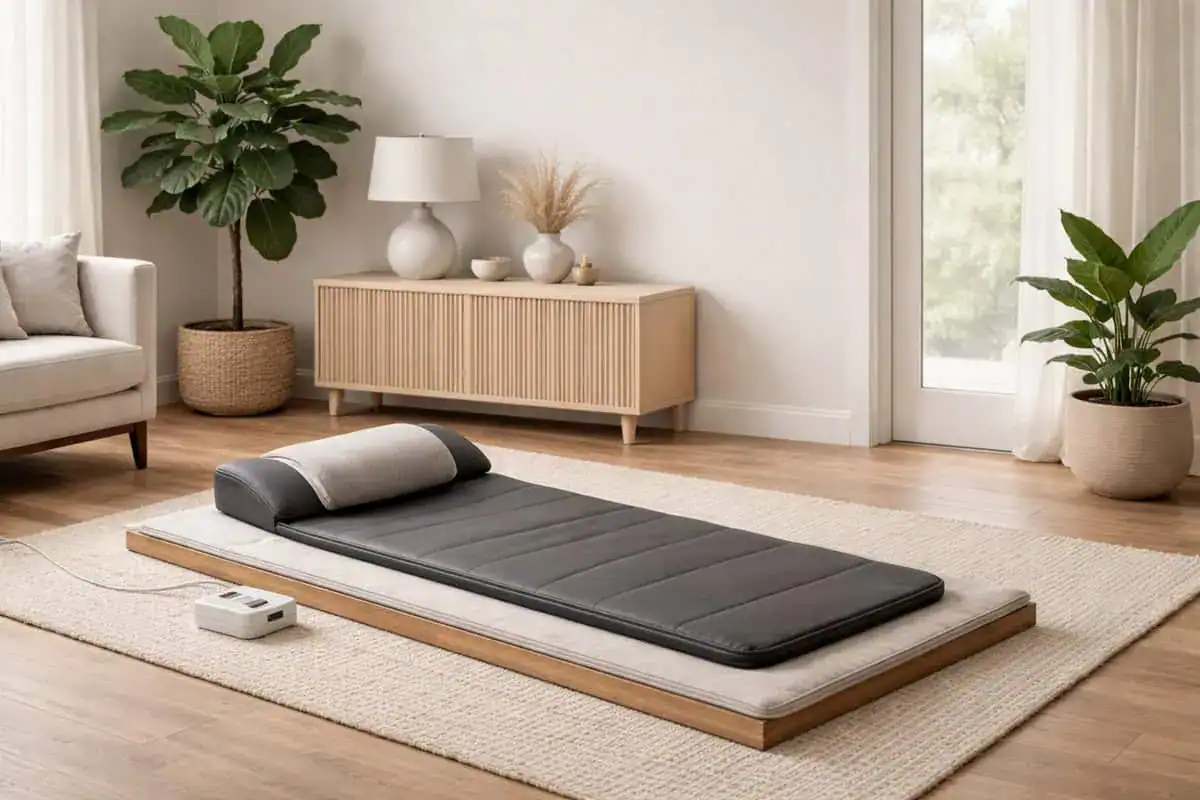
PEMF therapy is generally considered low-risk when used according to manufacturer guidelines. However, certain populations should exercise caution, including:
- Individuals with implanted electronic devices (e.g., pacemakers)
- Those who are pregnant
- Individuals with active medical conditions requiring physician oversight
Our dedicated PEMF Therapy Safety, Risks & Contraindications page outlines broader safety principles.
A conservative safety habit for home users is to treat any new electromagnetic wellness device like you would treat a new exercise routine: start gently, observe tolerance, and avoid stacking too many changes at once. If you are uncertain about appropriateness for your situation, it is reasonable to seek clinician input, especially when implanted electronics or complex medical histories are involved.
Who FlexPulse May Suit

FlexPulse-style systems may be appropriate for individuals who:
- Prefer home-based wellness routines
- Value consistency over high-intensity exposure
- Integrate PEMF alongside stretching, mobility, or breathwork
- Seek non-invasive recovery support
It is important to view PEMF as a supportive modality rather than a replacement for medical care.
From an ownership reality standpoint, the best fit is often someone who is comfortable treating PEMF like a long-term habit. That means being willing to:
- Use the device consistently for a meaningful evaluation window (weeks, not days)
- Keep sessions realistic and sustainable rather than chasing “maximum settings”
- Pair use with foundational recovery behaviors (sleep, movement, hydration)
It may also suit households where multiple people want to use the same device at different times. In that scenario, a simple controller interface and durable construction become more important, because the system will be handled more frequently and stored/unstored more often.
Maintenance and long-term considerations are often overlooked in reviews, but they matter for home devices:
- Storage: Where the mat lives when not in use (rolled vs flat storage)
- Cleaning: Keeping the surface clean according to manufacturer guidance (avoiding harsh chemicals)
- Cable management: Preventing bend stress or tripping hazards in the home
- Routine durability: Whether the controller and connectors hold up to repeated use
If you are someone who prefers to “set it and forget it,” look for a system that supports stable presets and minimal daily tweaking. If you like to experiment with settings, it is still wise to change only one variable at a time so you can interpret what is actually helping your routine.
Limitations and Realistic Expectations
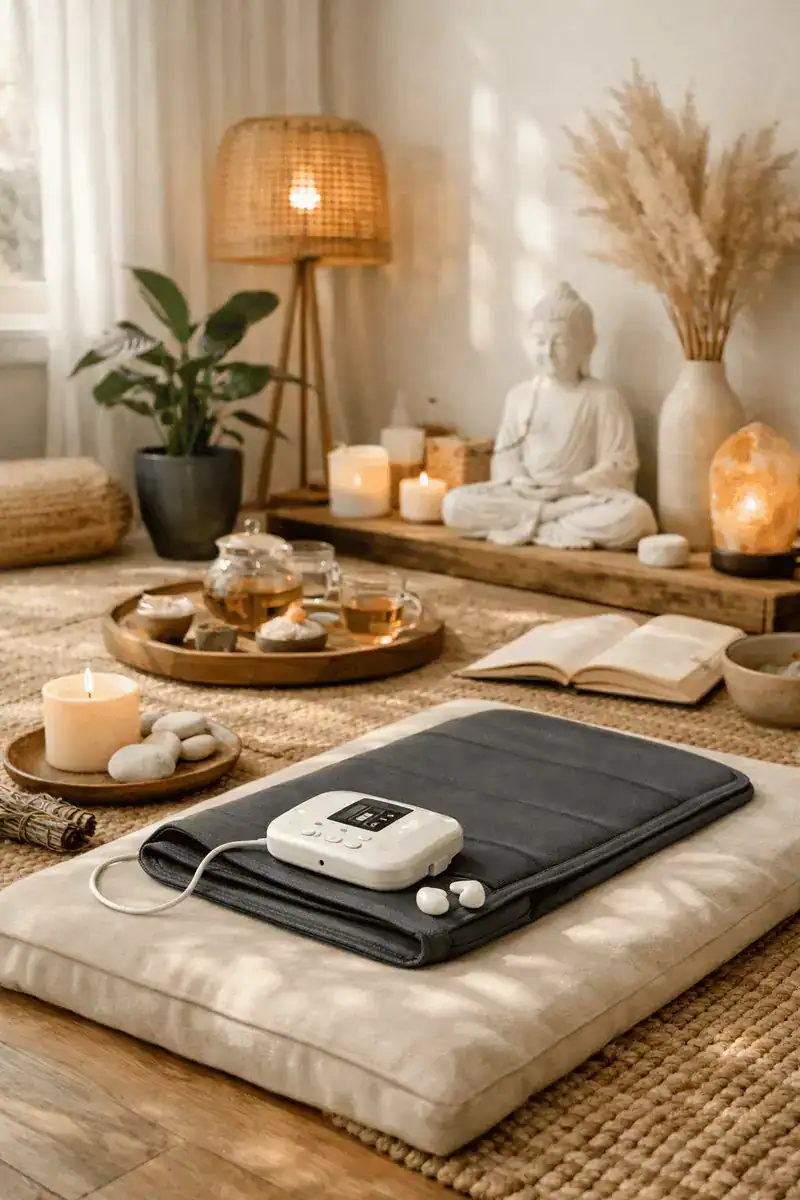
No home PEMF device should be viewed as a cure or medical treatment. Published research varies widely in quality and methodology. Variables such as exposure duration, coil design, and waveform consistency can significantly affect outcomes.
If expectations are grounded in supportive wellness — not disease treatment — users are more likely to evaluate devices like FlexPulse realistically.
Integration Into a Broader Wellness Routine

Most experienced users incorporate PEMF into a layered routine:
- Mobility or stretching work
- Hydration
- Consistent sleep scheduling
- Breath-focused relaxation practices
PEMF is best viewed as one component of a structured self-care system rather than a standalone intervention.
If you want PEMF to remain realistic and low-risk, it helps to keep the routine simple. A common approach is to choose one consistent time window (for example, a 20–30 minute session) and combine it with one other stable habit such as gentle mobility or a short breathing practice.
Where FlexPulse Fits in the Market

In the broader PEMF ecosystem, FlexPulse appears positioned within the home-use category — accessible, relatively simple to operate, and suited for consistent personal routines.
It does not appear to target clinical environments or supervised therapy settings. Instead, it aligns with the growing interest in at-home recovery and wellness technologies.
Within the home market, devices tend to cluster into a few practical buyer profiles:
- Routine builders: people who want a simple daily session they can repeat without complexity
- Recovery-focused users: people pairing PEMF with mobility, sleep optimization, and training recovery habits
- Household sharers: multiple users with different preferences who need easy controls and reliable setup
FlexPulse, as described in this review, appears most aligned with the first and second profiles: a home-use system that can be integrated into a repeatable schedule and evaluated conservatively over time.
If you want to explore how FlexPulse-style systems compare to other device categories in a structured way, the Best PEMF Devices & Mats (2026 Buyer’s Guide) is designed to keep comparisons grounded and consistent across the market.
Conclusion: A Conservative View of FlexPulse
This FlexPulse PEMF review highlights a device category centered on accessible, home-based electromagnetic wellness support. While research into PEMF continues to evolve, outcomes depend heavily on protocol, intensity, and individual physiology.
If you are comparing systems across the broader market, reviewing structural differences, waveform approaches, and programming options is essential. For a structured comparison across device types, visit our comprehensive Best PEMF Devices & Mats (2026 Buyer’s Guide).
As a final reminder, PEMF is best evaluated as part of a consistent wellness routine with realistic expectations rather than as a standalone solution.