PEMF Therapy Session Duration & Frequency

PEMF therapy session duration and frequency are two of the most common questions people ask when integrating pulsed electromagnetic field therapy into a home wellness routine. While device settings, intensity, and waveform matter, consistency and appropriate scheduling often play an equally important role.
This guide explains how session length and weekly frequency are typically approached in conservative, non-medical wellness settings. We’ll clarify what research suggests, how home users often structure routines, and when shorter or longer sessions may make sense — all within evidence-aligned boundaries.
Looking for device comparisons?
If you’re evaluating equipment alongside usage planning, review our Best PEMF Devices & Mats (2026 Buyer’s Guide) →
Why Session Duration Matters
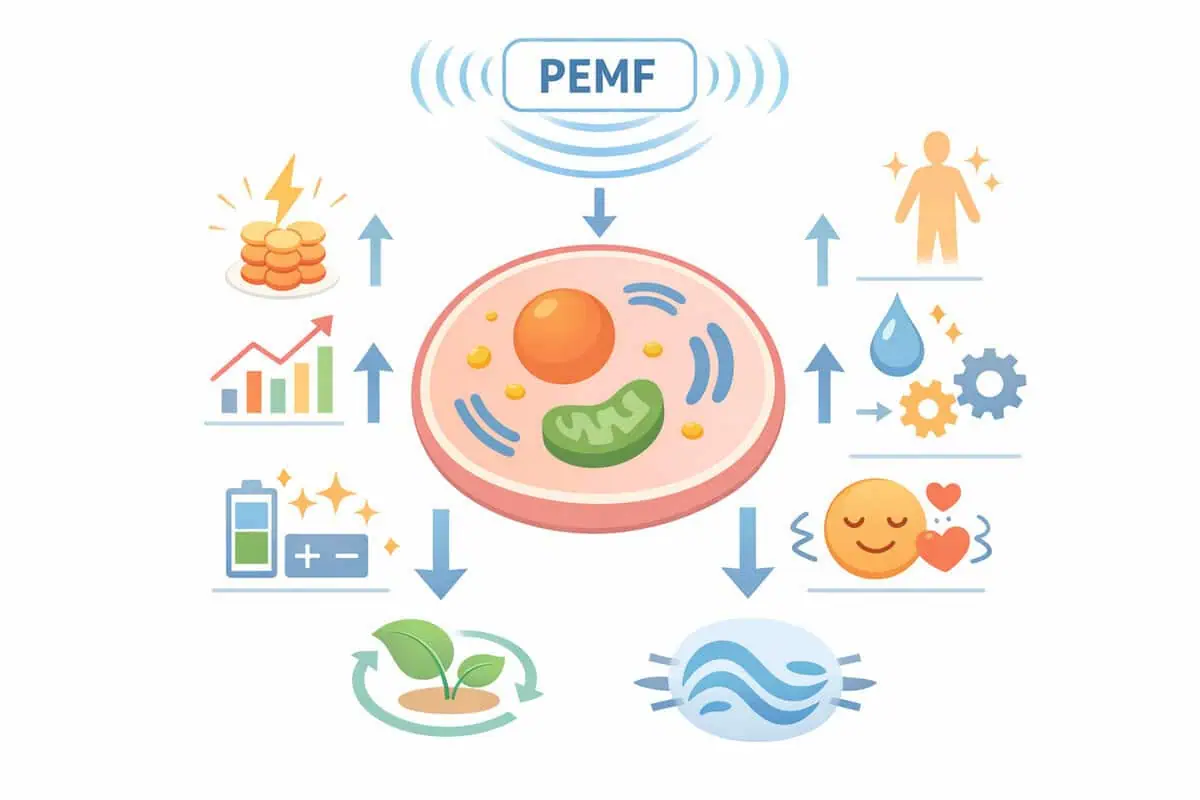
PEMF therapy is generally discussed in the context of cellular signaling and microcirculatory support. The duration of exposure determines how long tissues are exposed to pulsed electromagnetic fields that may influence ion exchange and cell membrane activity.
Short sessions may introduce signaling stimulus without overwhelming sensitive individuals. Longer sessions extend exposure time but do not necessarily equate to stronger or faster results. Physiologic systems tend to respond to consistency more than intensity alone.
Research indexed on PubMed often evaluates PEMF exposure in structured time intervals, commonly ranging from 10 to 60 minutes depending on study design. These ranges help frame realistic expectations for home use.
In conservative wellness education, “duration” is best understood as a form of exposure time — not a promise of outcomes. The body’s response to any recurring stimulus (light, heat, movement, breath work, or PEMF) often depends on how predictable the input is and how well it matches the person’s tolerance. When duration is too long for a given individual, the experience may feel less “restorative” and more “activating,” even if the person cannot pinpoint why.
Duration also matters because PEMF sessions are usually done while resting. That means session length affects real-world adherence: a 15-minute routine is easier to sustain than a 60-minute routine for most people. Over time, adherence can be the difference between “I tried it twice” and “I used it consistently for a month.” In practical home use, duration is often chosen first because it has the biggest impact on consistency.
From a physiology framing standpoint, PEMF discussions commonly reference mechanisms like ion exchange, membrane potentials, and microcirculation. Those are complex systems, and the conservative takeaway is simple: start with a duration that feels manageable, observe how you respond, and only extend sessions if the device guidance supports it and the experience remains comfortable.
Typical Session Length Ranges
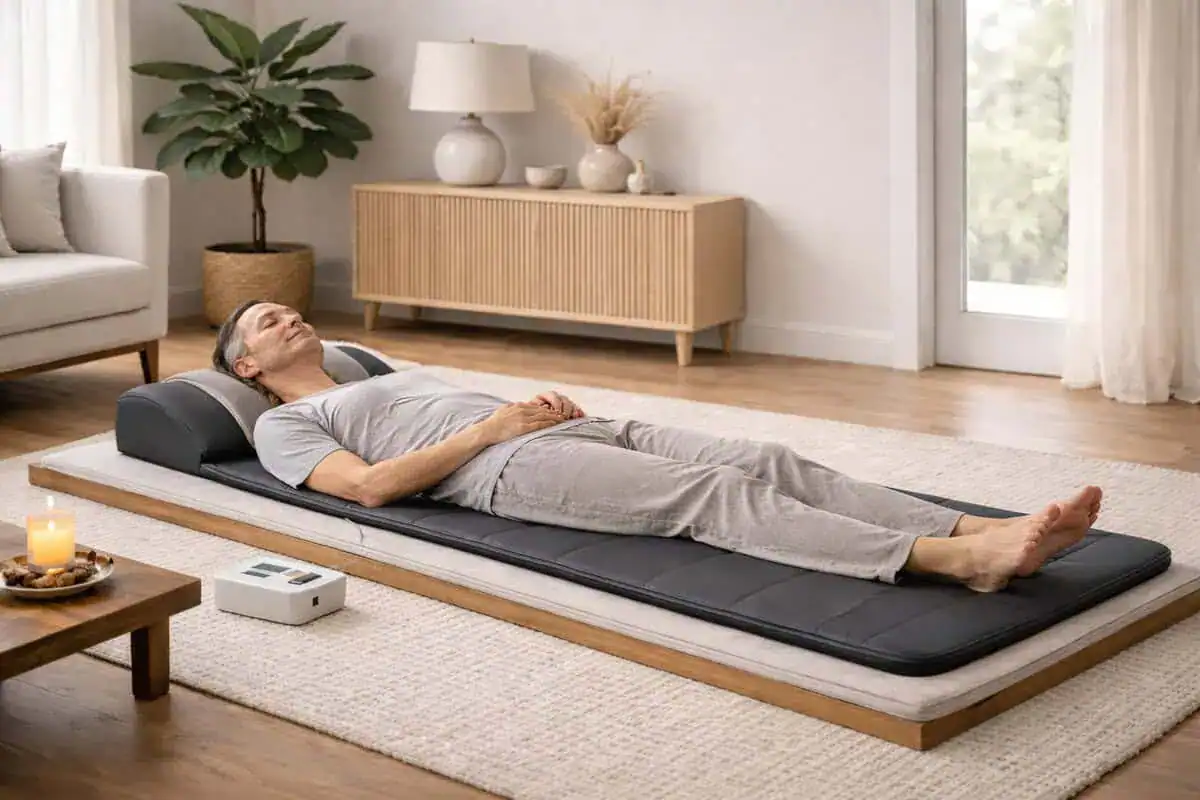
In home wellness environments, sessions often fall into three broad categories:
- Short sessions: 10–20 minutes
- Moderate sessions: 20–40 minutes
- Extended sessions: 45–60 minutes
Shorter sessions are commonly used for targeted areas or introductory use. Moderate sessions are frequently chosen for full-body mats. Extended sessions are sometimes used in relaxation-focused routines, provided the device manufacturer supports that range.
It’s important to follow manufacturer guidelines and avoid assuming “more is better.” Conservative scheduling reduces the likelihood of overstimulation in sensitive individuals.
A practical way to apply these ranges is to treat them as starting lanes rather than strict prescriptions. For example, many people begin with a short session for the first few uses (especially if they are unsure how they’ll feel), then move into a moderate range once the routine feels familiar. This gradual approach supports two realities: individual tolerance varies, and the nervous system often responds better to predictable inputs than sudden extremes.
For people using PEMF alongside other recovery practices (walking, stretching, hydration, sleep consistency), the “best” duration is frequently the one that fits reliably into the day. If a 20-minute session happens five times a week, that may be more practical than a 60-minute session that only happens occasionally.
How Often Should You Use PEMF?

Frequency refers to how many sessions occur per week. In non-clinical home settings, common patterns include:
- 3–4 sessions per week
- Daily short sessions
- Periodic cycles (e.g., 4–6 weeks of consistent use)
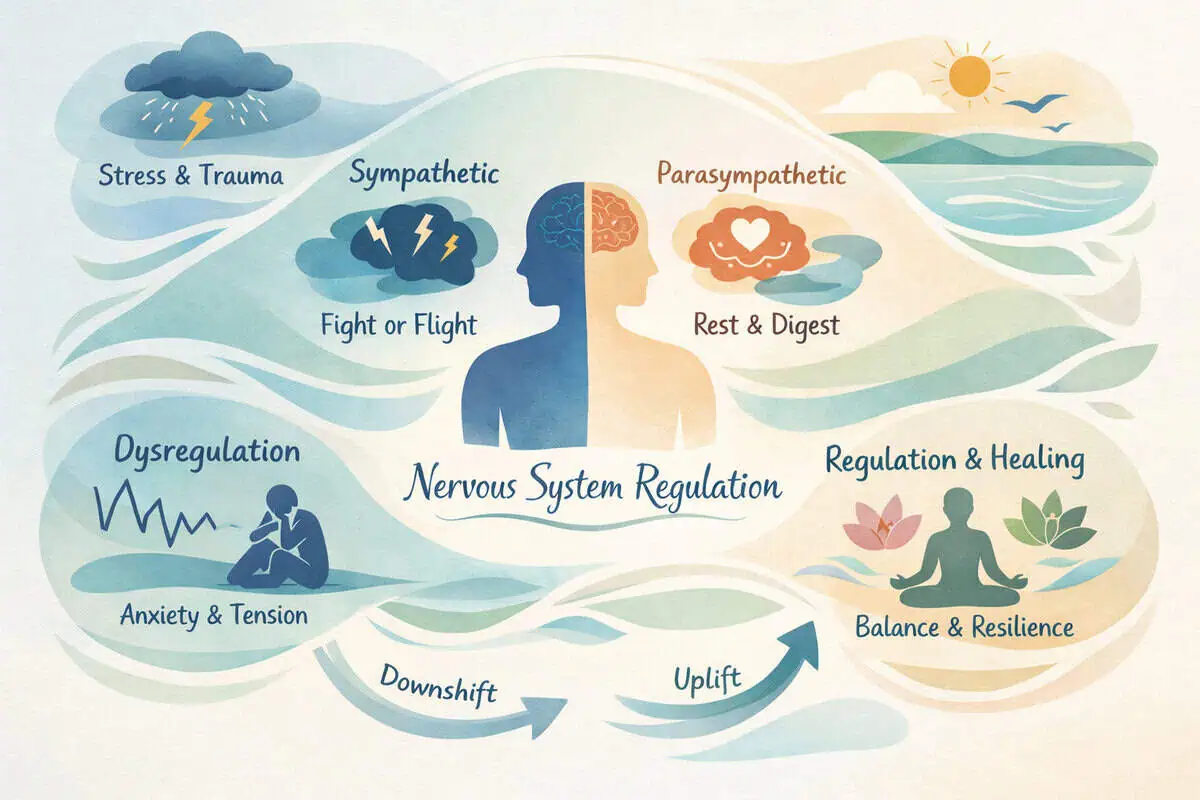
Many users prioritize consistency over sporadic long sessions. Physiologic systems — including nervous system regulation — tend to respond to predictable, repeated input rather than occasional high-duration exposure.
If you’re new to PEMF, beginning with 3 sessions per week and gradually increasing may be a cautious approach. Our overview of PEMF therapy benefits explains how cumulative consistency is often emphasized in wellness discussions.
Frequency decisions often come down to three factors: tolerance, time, and goal context (comfort, relaxation, recovery support, or general wellness). People with higher sensitivity may do better with fewer sessions per week at a moderate duration. Others prefer shorter daily sessions because it feels easier to maintain as a habit.
A conservative approach is to pick a baseline schedule you can keep for two weeks (for example, Monday/Wednesday/Friday). If that schedule feels comfortable and sustainable, you can increase frequency by adding one session (such as Sunday) or by shortening sessions slightly and increasing how often they occur. Either approach keeps the routine within a conservative, non-medical framework while supporting consistency.
If you want a simple method to self-monitor without over-interpreting: track sleep quality, perceived relaxation after sessions, and whether the routine feels easy to maintain. This is also a good place to review how PEMF fits into broader home wellness habits, which we outline in the PEMF Sage blog.
Duration vs. Intensity: What’s the Difference?

Session duration is not the same as intensity (measured in Gauss or Tesla). A lower-intensity device used consistently for 30 minutes may create a different experience than a high-intensity pulse used briefly.
Some research explores how pulsed electromagnetic fields interact with ion channels and membrane potentials. The Cleveland Clinic’s overview of electromagnetic therapies notes that intensity and exposure time both influence biologic response patterns (Cleveland Clinic).
For home users, the key takeaway is simple: stay within manufacturer parameters and avoid stacking extended sessions without a clear reason.
It also helps to separate three concepts that are often mixed together in marketing:
- Session duration (minutes per session)
- Session frequency (how many sessions per week)
- Signal frequency (Hz — the pulse rate of the device)
People often say “frequency” when they mean “how often I should use it,” but devices also use “frequency” to describe pulse patterns (Hz). Those are different variables. From a conservative education standpoint, you can usually get the most clarity by changing only one variable at a time: first choose a comfortable duration and weekly frequency, then consider device settings if needed.
Intensity is also device-dependent. Some devices include multiple programs that vary pulse patterns and intensity ranges. Even when intensity is adjustable, it’s typically not necessary to chase the highest setting to build a consistent routine. In practice, many people find a comfortable setting that allows the session to feel calm and repeatable — especially if the primary goal is relaxation support and routine consistency.
Daily Use: Is It Too Much?

Daily use is common in wellness contexts, particularly when sessions are moderate in length. However, more frequent use does not automatically accelerate outcomes.
Some individuals report subtle sensations such as warmth, relaxation, or light pulsing awareness. If overstimulation occurs — such as difficulty relaxing after a session — shortening duration or spacing sessions farther apart may help.
For safety considerations and contraindications, consult our dedicated PEMF therapy safety guide.
If you’re deciding whether daily use makes sense, a conservative rule is: daily can be reasonable when sessions are short-to-moderate and the experience stays comfortable. If you notice the routine feels activating, you can either reduce duration (for example, 15–20 minutes) or keep the duration the same and switch to every other day.
It can also help to consider “stacking.” If you combine PEMF with other stimulating inputs (late-day caffeine, intense evening exercise, very late screen time), you may attribute restlessness to PEMF when the real issue is the overall schedule. The most conservative adjustment is to keep PEMF earlier in the day for a week and observe whether that changes your experience.
If you have an implanted medical device, are pregnant, or are in another special population category, daily use decisions should be especially cautious and aligned with safety guidance. When in doubt, the safest plan is fewer sessions per week with shorter durations and a clear comfort-first approach.
Targeted vs. Full-Body Sessions

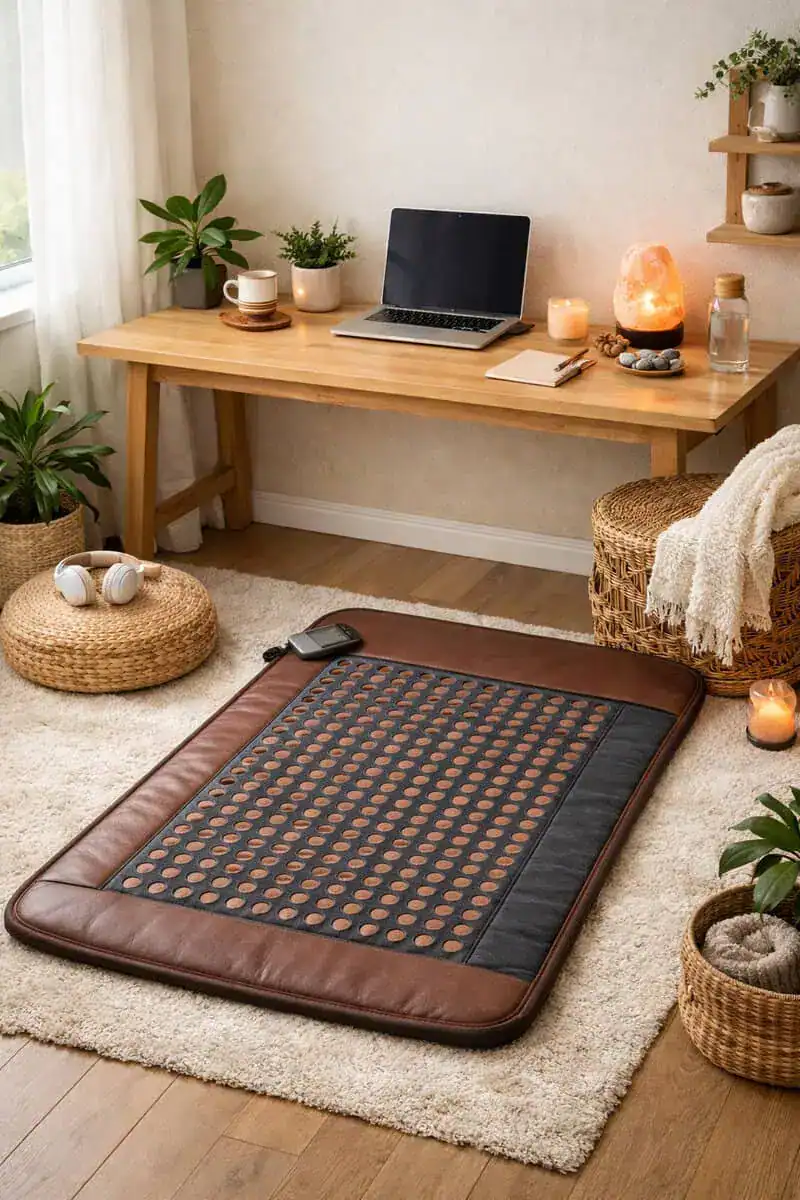
Targeted sessions (e.g., limb or joint placement) may require shorter durations compared to full-body mats. Full-body systems distribute pulsed fields across larger surface areas, often aligning with 20–40 minute ranges.
NIH-indexed research frequently differentiates between localized and whole-body exposure designs. While protocols vary, structured timing is consistently emphasized (National Institutes of Health).
From a home-use perspective, “targeted” can also mean time-efficient. A person may use a shorter targeted session on a busy day and reserve full-body sessions for days when they have a longer rest window. This flexibility can make long-term consistency more realistic.
A conservative way to structure sessions is to avoid doing multiple long “targeted” sessions back-to-back in different areas on the same day unless the device guidance specifically supports it. Instead, many people rotate focus areas across the week (for example, lower body one day, upper body another day) while keeping full-body sessions steady and predictable.
If your main goal is general wellness and relaxation support, full-body sessions are often used as a “baseline routine,” with occasional targeted sessions added only when they fit easily into the schedule. This approach keeps the routine simple and reduces the temptation to overcomplicate settings and placement.
Morning vs. Evening Sessions

Some individuals prefer morning sessions to complement mobility routines. Others integrate PEMF into evening wind-down habits.
There is no universal timing rule. However, if sessions feel stimulating, earlier in the day may be preferable. If sessions feel calming, evening use may align with relaxation practices. The Mayo Clinic emphasizes that routine consistency often matters more than specific timing in wellness behaviors (Mayo Clinic).
Cycling Periods of Use
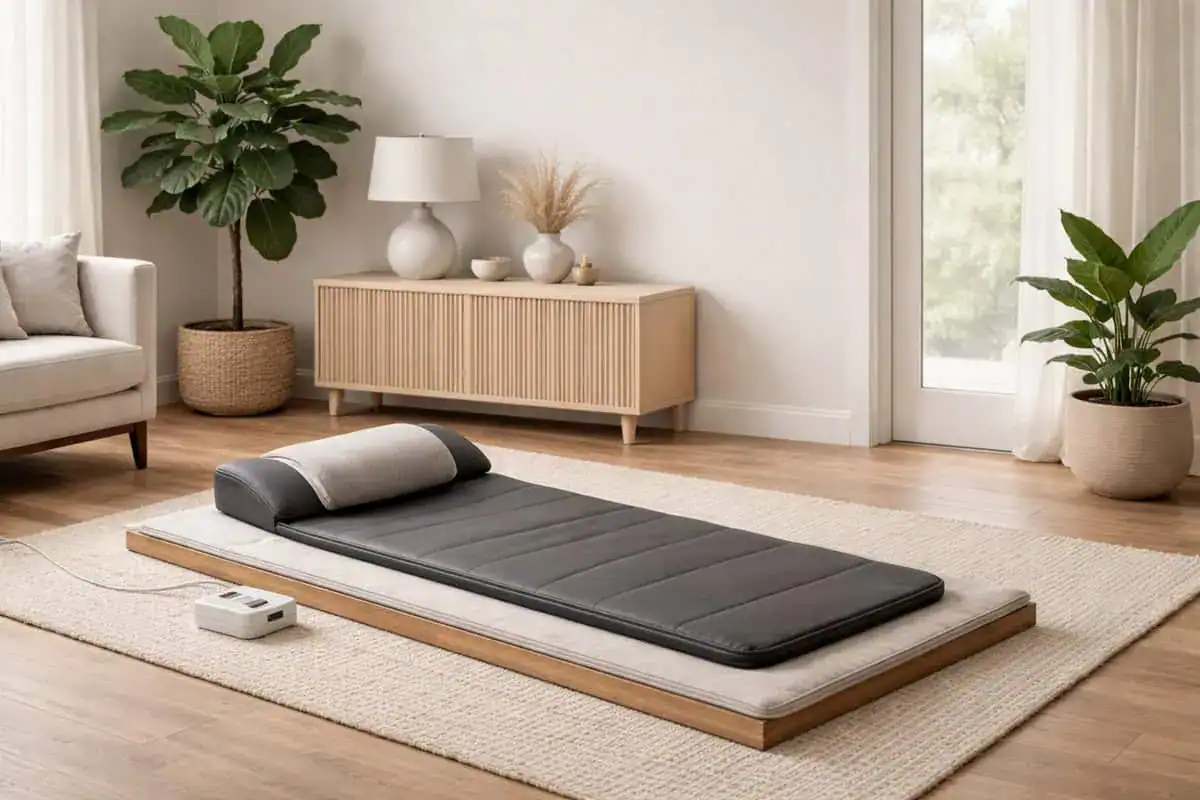
Some users structure PEMF therapy in cycles — for example:
- 4–6 weeks of consistent use
- 1–2 weeks reduced frequency
While formal cycling research is limited, periodic reassessment helps users determine whether session duration and frequency remain appropriate.
Cycling can also reflect “ownership reality.” In real life, routines change: travel weeks happen, schedules get busy, and motivation fluctuates. A cycle framework gives people a way to stay consistent without feeling like they “failed” if they miss days. For example, some users treat reduced-frequency weeks as maintenance weeks rather than stopping entirely.
Long-term considerations also include setup, storage, and maintenance. Mats and full-body systems need a consistent place to use them, and some require careful folding or storage to protect internal components. A routine that includes a simple setup (unroll, plug in, start) is more likely to be used than one that requires moving furniture or complicated storage every time.
Compliance and comfort matter here as well. If a routine feels “too big,” people tend to abandon it. Cycling can be used to keep the routine in a realistic lane: consistent use for a defined window, then a lighter schedule that still preserves the habit. If you’re interested in how we handle conservative methodology and claims standards across the site, you can review our editorial standards.
When to Shorten Sessions
Consider shortening sessions if you notice:
- Difficulty relaxing after use
- Unusual restlessness
- Sensitivity to electromagnetic exposure
Reducing duration while maintaining frequency can help maintain routine without excessive stimulation.
Another conservative reason to shorten sessions is simple practicality. If you notice you’re skipping sessions because they feel too long, reducing the duration can make the routine easier to maintain. Consistency at a shorter duration is often preferable to inconsistency at a longer duration.
When Longer Sessions May Be Appropriate
Longer sessions (45–60 minutes) are sometimes used in structured relaxation routines or full-body mat systems, provided device documentation supports that duration.
Even then, conservative progression is recommended — gradually increasing from shorter sessions rather than beginning at maximum exposure.
If longer sessions are used, they are often paired with a calm environment: dim lighting, comfortable positioning, and minimal distractions. This can reduce the chance that the session feels overstimulating. Many people also reserve longer sessions for days when they have adequate time to rest afterward, rather than trying to fit a long session into a rushed schedule.
Practical Weekly Scheduling Example
A balanced example schedule for a general wellness routine might look like:
- Monday: 25-minute full-body session
- Wednesday: 20-minute session
- Friday: 30-minute session
- Optional weekend: 15-minute targeted session
This approach emphasizes consistency, moderation, and periodic reassessment rather than aggressive daily exposure.
For additional educational resources, explore our full PEMF Sage blog.
Consistency Over Intensity
When it comes to PEMF therapy session duration and frequency, the most sustainable approach is usually moderate sessions performed consistently within manufacturer guidelines.
Longer sessions are not inherently better, and daily use is not always necessary. A structured, conservative routine aligned with safety considerations often provides a balanced path forward.
If you’re comparing equipment options alongside scheduling considerations, begin with our cornerstone guide: Best PEMF Devices & Mats (2026 Buyer’s Guide) →
If you’re unsure where to start, begin with shorter sessions, keep the schedule consistent for 1–2 weeks, and adjust only one variable at a time based on comfort and practicality.